





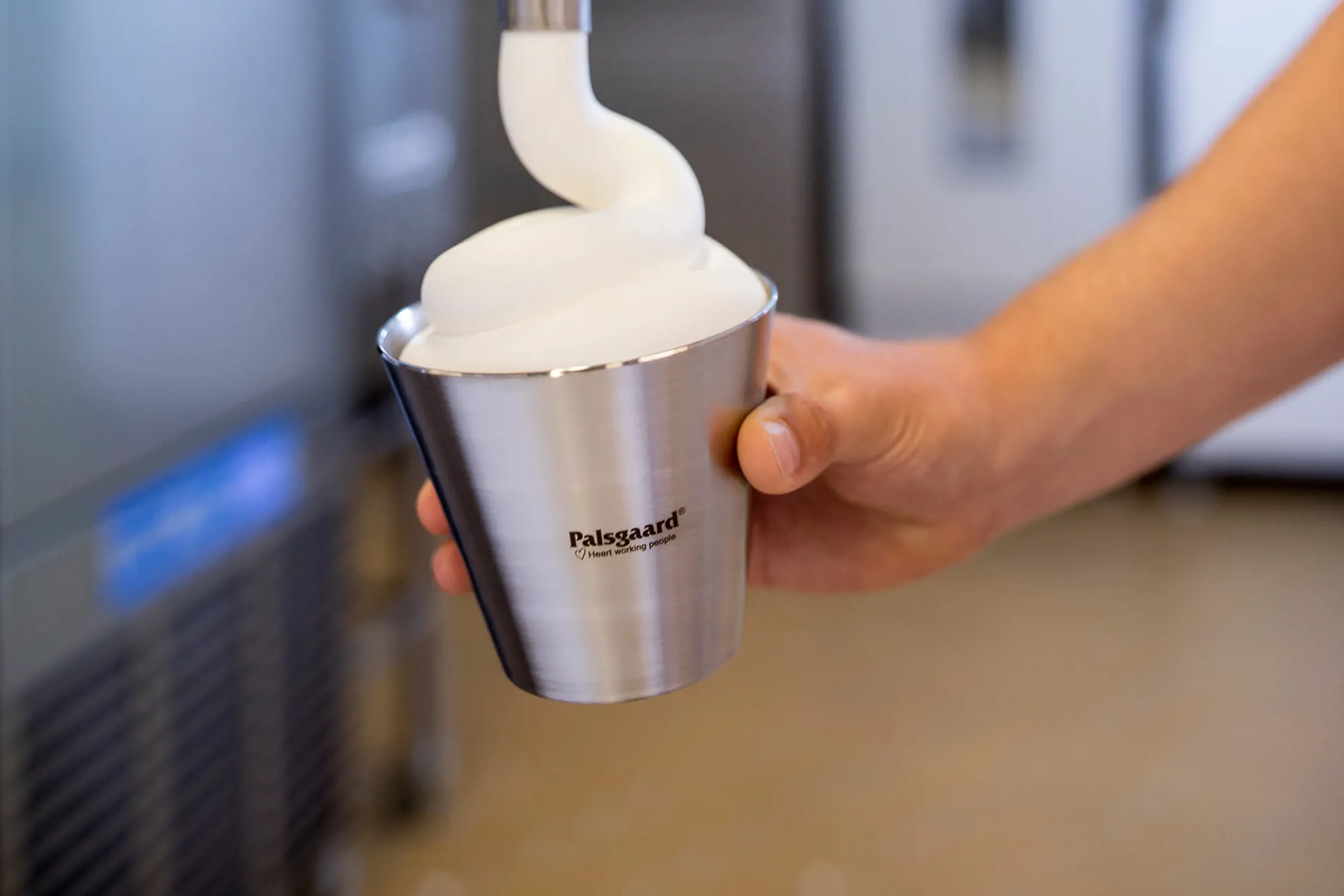

Vegan ice cream has traveled a long, fascinating road. Once dismissed as an icy compromise—thin, watery, or oddly bean-flavored—it has matured into a category capable of rivaling traditional dairy ice cream in richness, creaminess, and emotional satisfaction. Today, chefs, food scientists, and home cooks alike ask a more ambitious question: How can vegan ice cream taste like the real thing, not merely resemble it?
To answer that, we must look beyond simple substitutions and understand what “the real thing” actually is. Ice cream is not just frozen milk and sugar. It is a carefully engineered balance of fat, water, air, sugar, proteins, and temperature. Vegan ice cream succeeds when it respects that balance—and re-creates it using plant-based tools that are sometimes surprising, sometimes counterintuitive, and often brilliant.
This article explores the craft, science, and creativity behind truly convincing vegan ice cream. We’ll break down texture, flavor, mouthfeel, and aroma; examine plant fats and proteins; discuss freezing behavior and sweetness; and finish with practical insights for achieving dairy-level indulgence without dairy itself.
1. What Makes Dairy Ice Cream So Irresistible?
Before building a convincing alternative, we need to understand the original.
1.1 Fat: The Silent Architect of Creaminess
Dairy ice cream typically contains 10–18% milk fat. This fat coats the tongue, carries flavor compounds, softens ice crystals, and creates a lingering, luxurious mouthfeel. It doesn’t just make ice cream rich—it makes it smooth.
1.2 Sugar: Sweetness and Structure
Sugar does more than sweeten. It lowers the freezing point, ensuring ice cream stays scoopable rather than rock-hard. The type and ratio of sugars influence softness, melt rate, and perceived creaminess.
1.3 Proteins: The Invisible Stabilizers
Milk proteins help emulsify fat and water while trapping air. This gives ice cream body and elasticity, preventing it from feeling icy or crumbly.
1.4 Air: The Lightness Factor
Ice cream is partially air. This overrun (typically 20–50%) makes ice cream lighter and more scoopable. Too little air feels dense and greasy; too much feels foamy and empty.
1.5 Temperature and Crystal Control
Tiny ice crystals are essential. Large crystals ruin texture. Dairy ice cream naturally resists crystal growth thanks to fat, proteins, and sugars working together.
To make vegan ice cream taste real, every one of these elements must be thoughtfully replaced—not copied blindly, but reinterpreted.
2. The Biggest Myth About Vegan Ice Cream
The most common mistake in vegan ice cream is assuming that “non-dairy milk + sugar = ice cream.”
Plant milks are mostly water. Almond milk, oat milk, rice milk—these are refreshing beverages, not ice cream bases. They lack fat, protein density, and structural complexity. When frozen directly, they form hard blocks or icy granitas.
Great vegan ice cream does not start with milk substitutes. It starts with fat systems, emulsions, and intentional formulation.
3. Plant-Based Fats That Mimic Dairy Fat
Fat is the foundation. Without the right fat, everything else struggles.
3.1 Coconut Fat: Powerful but Demanding
Coconut milk and coconut cream are popular for a reason: they contain saturated fat that behaves similarly to dairy fat when cold. This produces instant creaminess.
However, coconut fat has a strong personality. If unmanaged, it announces itself loudly, leaving a tropical aftertaste that clashes with classic flavors like vanilla or chocolate.
How to make coconut fat behave:
- Blend it with neutral oils (such as refined sunflower or avocado oil).
- Balance it with strong flavors (dark chocolate, coffee, spices).
- Use deodorized coconut fat when possible.
3.2 Cocoa Butter: The Hidden Luxury
Cocoa butter is solid at room temperature and melts just below body temperature—almost mirroring milk fat behavior. When used carefully, it adds a silky melt and clean finish without coconut flavor.
It works exceptionally well in:
- Vanilla and white chocolate styles
- Gelato-style vegan ice creams
- High-end, low-overrun formulations
3.3 Nut and Seed Fats
Cashews, macadamias, and almonds provide fat and body. When finely blended, they contribute a creamy viscosity that feels dairy-like.
Cashews, in particular, shine because:
- Their flavor is mild
- Their fat-to-protein ratio is balanced
- They emulsify well when soaked and blended
3.4 Oil Blends: Engineering Mouthfeel
Professional vegan ice cream often uses blended fat systems:
- Solid fat for structure
- Liquid oil for smooth melt
- Emulsifiers to keep everything together
The result is not just creaminess, but controlled creaminess.
4. Rebuilding Dairy’s Protein Magic
Dairy proteins do a lot of invisible work. Removing them creates challenges that must be solved creatively.
4.1 Plant Proteins as Structural Tools
Soy protein, pea protein, and even oat protein can help stabilize emulsions and improve body.
Used correctly, they:
- Reduce iciness
- Improve chew and elasticity
- Support air incorporation
Used incorrectly, they taste chalky or vegetal.
The secret is low dosage and full hydration.
4.2 Nuts as Protein-Carriers
Cashews and almonds offer gentle protein support without aggressive flavors. When ultra-blended, they contribute to that “chew” associated with premium ice cream.
4.3 The Role of Starches
While not proteins, starches compensate structurally:
- Tapioca starch
- Arrowroot
- Cornstarch (in tiny amounts)
They bind water and reduce ice crystal growth, especially in low-fat vegan recipes.
5. Sugar: The Unsung Hero of Texture
Many vegan ice creams fail because they fear sugar. This fear is misplaced.
5.1 Multiple Sugars, One Goal
Using only white sugar creates hardness and sharp sweetness. Dairy ice cream relies on lactose in addition to sucrose, creating balance.
Vegan ice cream recreates this by blending sugars:
- Cane sugar for sweetness
- Glucose syrup for softness
- Invert sugar or agave for smooth melt
Each sugar affects freezing differently. Together, they create harmony.
5.2 Sweetness Is Not Flavor
Lower-sugar ice creams often taste less creamy, not just less sweet. This is because sugar controls freezing behavior.
To make vegan ice cream taste real, sweetness must be strategic, not minimal.
6. Emulsification: Where Magic Happens
Ice cream is an emulsion—fat droplets suspended in water. Dairy handles this naturally. Vegan ice cream must work for it.
6.1 Lecithin: The Quiet Workhorse
Sunflower or soy lecithin helps bind fat and water, preventing separation and graininess.
Used sparingly, lecithin:
- Improves mouthfeel
- Enhances flavor release
- Supports stable freezing
6.2 Natural Gums: Texture Without Sliminess
Stabilizers are not enemies. They are tools.
Common vegan stabilizers include:
- Guar gum
- Locust bean gum
- Xanthan gum (very small amounts)
The goal is not thickness—it is elastic smoothness.
When done right, the ice cream melts evenly, not into a puddle or icy shards.
7. Flavor Design: Fooling the Brain
Taste is not just about the tongue. Aroma, memory, and expectation all play critical roles.
:max_bytes(150000):strip_icc()/no-churn-ice-cream-4687010-hero-04-0a4eb5a30f8941529c43cccec8101396.jpg)
7.1 Vanilla: The Ultimate Test
If vegan vanilla ice cream tastes real, everything else follows.
To achieve this:
- Use real vanilla (extract, paste, or beans)
- Add a pinch of salt to enhance dairy-like notes
- Balance fat so vanilla blooms rather than hides
7.2 Dairy Notes Without Dairy
Some plant ingredients naturally evoke dairy sensations:
- Oats bring cereal-milk warmth
- Cashews suggest cream
- Cocoa butter adds buttery aroma
Fermentation techniques using plant cultures can also introduce subtle tang reminiscent of cream.
7.3 Salt: The Secret Weapon
Salt does not make ice cream salty. It makes it rounder.
A small amount:
- Enhances sweetness
- Suppresses bitterness
- Mimics dairy complexity
8. Texture: Where Most Vegan Ice Creams Fail
Flavor can be forgiven. Texture cannot.
8.1 Avoiding Iciness
Iciness comes from excess free water and poor stabilization.
Solutions include:
- Higher fat content
- Better sugar balance
- Proper emulsification
- Adequate aging of the base before freezing
8.2 The Importance of Aging
Letting the ice cream base rest (chilled) for several hours allows:
- Fats to crystallize properly
- Proteins and gums to hydrate
- Air incorporation to improve
Skipping this step leads to flat, icy results.
8.3 Churn Speed and Overrun
Too much air creates fluff. Too little creates heaviness.
The sweet spot makes vegan ice cream feel indulgent without feeling dense or oily.
9. Chocolate, Fruit, and Beyond
Some flavors naturally favor vegan formulations.
9.1 Chocolate: A Vegan Advantage
Dark chocolate contains cocoa butter, which enhances mouthfeel. Vegan chocolate ice creams often outperform dairy versions when properly balanced.
9.2 Fruit Sorbets That Think They’re Ice Cream
With the right fat and sugar additions, fruit-based vegan ice creams can feel creamy without milk.
Think:
- Mango with coconut-cocoa butter blend
- Strawberry with cashew base
- Banana enhanced, not relied upon
9.3 Avoiding the “Frozen Smoothie” Trap
Pure fruit plus ice equals sorbet. Ice cream requires fat, emulsification, and control.
10. Why Some Vegan Ice Creams Taste “Healthy” (and How to Avoid That)
A “healthy” taste often means:
- Too much raw nut flavor
- Not enough sugar or fat
- Overuse of alternative sweeteners
Real ice cream tastes indulgent because it is indulgent. Vegan versions should embrace that truth.
Healthfulness can exist—but it should not dominate flavor or texture.
11. Professional vs Home Approaches
11.1 Professional Formulations
Commercial vegan ice creams often use:
- Precision fat blends
- Advanced stabilizer systems
- High-shear mixing equipment
This allows remarkable consistency and realism.
11.2 Home Kitchen Excellence
Home cooks can still achieve stunning results by:
- Using high-fat bases
- Blending thoroughly
- Respecting sugar and salt
- Freezing quickly and evenly
Technique matters more than equipment.
12. The Emotional Side of “Real” Ice Cream
What people mean by “real” is not just dairy—it is comfort, nostalgia, and pleasure.
The spoon should glide. The bite should resist slightly, then melt. The flavor should bloom slowly, not shout.
When vegan ice cream captures those moments, it stops being an alternative and becomes simply ice cream.
13. The Future of Vegan Ice Cream
Innovation continues:
- Precision-fermented fats
- New plant proteins
- Improved stabilizers
- Better understanding of sensory science
The line between dairy and vegan ice cream is already blurring. Soon, the question may not be “Is this vegan?” but “Is this good?”
Conclusion: The Real Secret
Vegan ice cream tastes like the real thing when it stops trying to imitate dairy ingredient by ingredient—and starts recreating the experience.
That experience is built from:
- Thoughtful fat systems
- Balanced sugars
- Smart emulsification
- Respect for texture
- Bold, confident flavor design
When those elements align, vegan ice cream does not apologize. It satisfies. It convinces. And sometimes, it even surpasses what came before.