





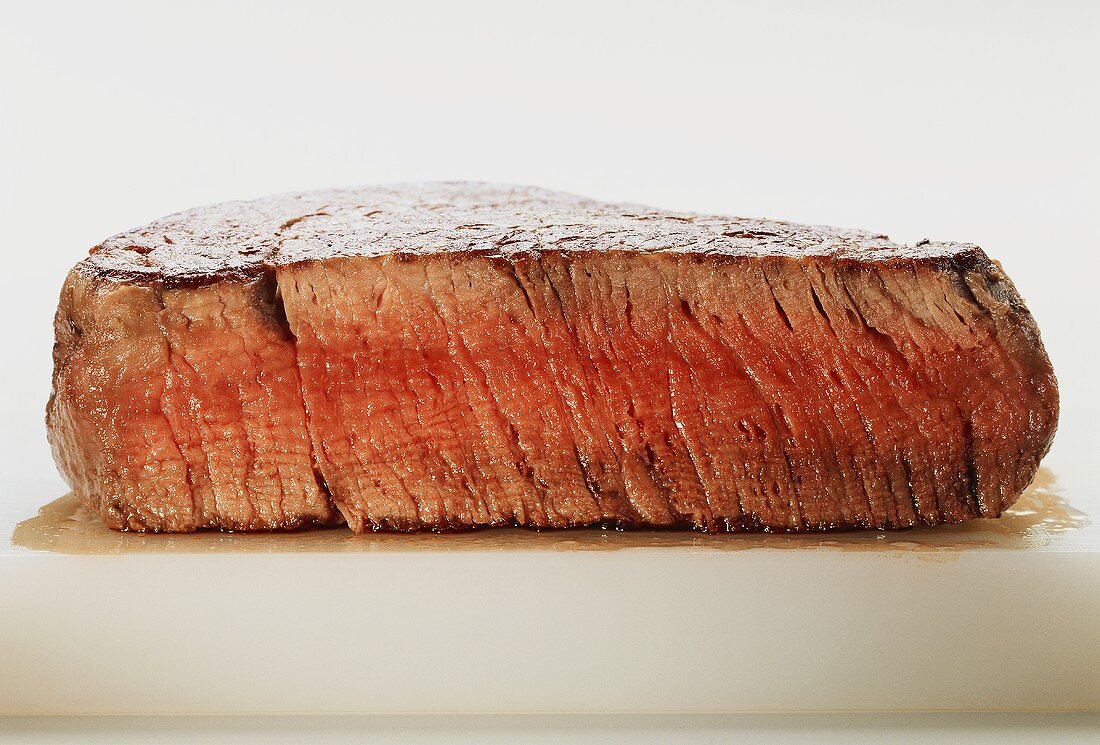

Cooking meat sounds simple—apply heat, wait, eat. Yet anyone who has sliced into a chalky chicken breast or chewed a cottony pork chop knows the heartbreak of dryness. Juiciness is not luck. It’s the result of understanding what meat is, how heat treats it, and how a few smart decisions—from shopping to slicing—change everything on the plate.
This article is a deep, practical, and lively guide to cooking meat that stays juicy. We’ll explore the science without turning it into a lecture, the techniques without dogma, and the craft without mystery. Whether you’re pan-searing a steak on a weeknight or slow-roasting a shoulder for a celebration, the principles here will make your meat reliably succulent.
Juiciness Isn’t About “Juice”
Let’s clear a common misunderstanding: meat doesn’t contain free-flowing liquid waiting to spill out. What we call “juice” is mostly water bound inside muscle fibers, along with dissolved proteins, fats, and minerals. Juiciness is a sensation created by three things:
- Water retention – how much moisture stays in the meat after cooking
- Fat content – fat lubricates and carries flavor
- Tenderness – tender meat feels juicier even with the same moisture
If you want juicy meat, your job is to manage these three elements—especially the first one—throughout the cooking process.
The Structure of Meat (In Plain English)
To cook meat well, you need to know what heat is doing to it.
Muscle Fibers
Meat is made of long muscle fibers bundled together. Inside those fibers is water. When heated, the proteins in muscle fibers tighten and squeeze out moisture.
- Around 40–50°C (104–122°F): proteins begin to change
- Around 60–65°C (140–149°F): fibers tighten significantly
- Above 70°C (158°F): aggressive moisture loss begins
The hotter it gets, the more water is pushed out. Overcook it, and you’ve squeezed out the very thing you wanted to keep.
Connective Tissue
Connective tissue (collagen) holds muscles together. It behaves differently:
- Tough at low temperatures
- Converts to gelatin slowly at 70–90°C (158–194°F) over time
This is why some cuts are best cooked hot and fast, while others need low heat and patience.
Choose the Right Cut for the Right Method
No technique can fully save the wrong cut cooked the wrong way.
Tender Cuts (Cook Hot and Fast)
These have less connective tissue and are naturally tender.
- Ribeye
- Tenderloin
- Pork loin
- Lamb chops
- Chicken breast (with care)
Best methods: grilling, pan-searing, broiling, quick roasting
Tough Cuts (Cook Low and Slow)
These have more collagen and benefit from time.
- Chuck
- Brisket
- Short ribs
- Pork shoulder
- Lamb shank
Best methods: braising, slow roasting, stewing, smoking
Trying to cook a brisket like a steak guarantees dryness. Cooking a tenderloin like a stew guarantees sadness.
Temperature Is Everything (Yes, Everything)
If there is one “secret” above all others, it’s temperature control.
Internal Temperature Beats Time
Recipes that say “cook for 10 minutes per side” are lying to you—politely. Meat thickness, starting temperature, pan material, and heat source all change cooking time.
Internal temperature tells the truth.
Approximate targets:
- Beef, lamb (medium-rare): 54–57°C (130–135°F)
- Beef, lamb (medium): 60–63°C (140–145°F)
- Pork (juicy and safe): 60–63°C (140–145°F) with rest
- Chicken breast: 65–68°C (149–154°F) with rest
- Chicken thigh: 75–80°C (167–176°F)
Pull meat from heat before it reaches its final temperature. Carryover cooking will finish the job.
A Thermometer Is Not Cheating
Professional cooks use thermometers constantly. Precision creates consistency. Consistency creates confidence.
The Power of Salting (Earlier Than You Think)
Salt is often treated as a last-minute seasoning. That’s a mistake.
What Salt Really Does
When you salt meat:
- Salt draws moisture to the surface
- That moisture dissolves the salt
- The salty liquid is reabsorbed into the meat
- Proteins loosen and retain water better during cooking
This process takes time.
How to Salt for Juiciness
- Thin cuts: 30–45 minutes before cooking
- Thick cuts: Several hours or overnight
- Large roasts: 24–48 hours in advance
This is sometimes called dry brining. It improves seasoning and moisture retention without making meat watery.
Fat Is a Friend, Not a Villain
Fat doesn’t just add flavor—it protects meat from dryness.
Intramuscular Fat (Marbling)
Marbling melts during cooking, lubricating muscle fibers and slowing moisture loss. This is why a well-marbled steak stays juicy even when cooked slightly longer.
:max_bytes(150000):strip_icc()/20250721-SEA-MeatResting-AmandaSuarez-03-b33100e8fc19490b90095d69e073dc73.jpg)
External Fat
Fat caps and skin act as insulation. Crispy chicken skin protects the meat underneath. Leaving a fat cap on a roast helps regulate heat.
Trimming every visible bit of fat may look neat, but it often makes meat drier.
Searing: What It Does (and Doesn’t) Do
Searing does not “seal in juices.” That’s a myth.
So why sear?
The Real Purpose of Searing
- Creates deep, savory flavors through browning reactions
- Improves texture contrast
- Adds complexity to sauces and pan drippings
Searing is about flavor, not moisture retention. Still, flavorful meat feels juicier because our brains associate richness with moisture.
How to Sear Without Drying
- Pat meat dry before searing
- Use high heat briefly
- Avoid flipping too often
- Don’t press down on the meat
Quick, aggressive browning followed by gentler heat is the sweet spot.
Moist Heat vs. Dry Heat: Choose Wisely
Dry Heat
Methods like roasting, grilling, and pan-searing rely on hot air or surfaces. They’re best for tender cuts.
Key tips:
- Use moderate heat after browning
- Avoid constant flipping or poking
- Monitor internal temperature closely
Moist Heat
Braising and stewing surround meat with liquid or steam.
Why they work:
- Heat transfer is gentler
- Collagen melts into gelatin
- Moisture loss is slowed
Moist heat doesn’t make meat watery if done correctly—it makes it lush.
Low and Slow: Why Patience Pays
For tough cuts, time is the magic ingredient.
What Happens Over Time
- Collagen gradually dissolves
- Muscle fibers relax
- Gelatin enriches surrounding liquid
Rushing this process leaves meat tight and dry. Slow cooking isn’t about low effort; it’s about respecting chemistry.
Resting Meat: The Non-Negotiable Step
Cutting meat straight off the heat is one of the fastest ways to lose juiciness.
Why Resting Matters
During cooking, moisture is pushed toward the center. Resting allows pressure to equalize so moisture redistributes instead of spilling out.
How Long to Rest
- Small cuts: 5–10 minutes
- Steaks and chops: 10–15 minutes
- Large roasts: 20–40 minutes
Rest loosely tented, not tightly wrapped. Trapped steam softens crusts and overheats meat.

Cutting Matters More Than You Think
Even perfectly cooked meat can feel dry if sliced incorrectly.
Slice Against the Grain
Muscle fibers run in one direction. Cutting across them shortens fibers, making meat feel tender and juicy.
Cut with the grain, and you lengthen each chew—creating the illusion of dryness.
Marinades: Helpful but Often Misunderstood
Marinades don’t penetrate deeply, but they still have value.
What Marinades Do Well
- Season the surface
- Add flavor
- Slightly improve moisture perception
What They Don’t Do
- They don’t make tough meat tender (except over very long times with enzymes, which can backfire)
If juiciness is your goal, salt and cooking method matter far more than acidic marinades.
Brining: When Water Helps
Wet brining—soaking meat in salted water—can increase moisture content, especially for lean meats like poultry.
Pros
- Increased water retention
- More forgiving cooking window
Cons
- Diluted flavor if poorly seasoned afterward
- Softer texture if overdone
For poultry, brining is a powerful tool. For red meat, dry brining usually works better.
Cooking Poultry Without Dryness
Chicken and turkey are notorious for drying out, especially the breast.
Key Strategies
- Dry brine ahead of time
- Cook breast and legs differently when possible
- Use moderate heat
- Pull early and rest
Dark meat thrives at higher temperatures; white meat does not. Respect the difference.
Pork: The Most Misunderstood Meat
Modern pork is leaner and safer than its reputation suggests.
The Old Problem
Overcooking pork to “be safe” created dryness.
The New Reality
Pork cooked to 60–63°C (140–145°F) and rested is juicy, tender, and safe.
Shoulder and belly still need long cooking. Loin and chops need restraint.
Beef: Matching Doneness to Cut
Beef offers flexibility, but not every cut loves the same doneness.
- Lean cuts dry quickly when overcooked
- Marbled cuts forgive mistakes
Understanding your steak matters as much as how you cook it.
Lamb: Fat Is Your Ally
Lamb naturally contains flavorful fat that protects against dryness.
- Avoid trimming too aggressively
- Moderate doneness preserves juiciness
- Rest generously
Ground Meat: Juiciness Without Grease
Ground meat dries out when proteins overbind.
Tips
- Don’t overmix
- Add salt just before shaping
- Cook gently
- Let burgers rest
A loosely packed burger holds moisture far better than a compressed one.
The Role of Cookware
Your pan and oven matter more than you think.
Heavy Pans
Cast iron and thick stainless steel hold heat evenly, preventing hot spots that overcook sections.
Ovens
Convection cooks faster and drier. Reduce temperature slightly or shorten time when using it.
Humidity, Airflow, and Your Kitchen
Environmental factors influence moisture loss.
- Dry air accelerates evaporation
- Strong airflow increases drying
- Covered cooking reduces loss
This is why covered roasts and foil tents can help—but only when used thoughtfully.
Sauces Don’t Fix Dry Meat (But They Help)
Sauce can mask dryness, not reverse it. However, a well-designed sauce enhances perceived juiciness by adding fat, acidity, and aroma.
Use sauces to complement, not rescue.
Practice, Memory, and Muscle Memory
Great meat cookery comes from repetition.
- Notice how meat feels at different doneness levels
- Learn how it smells when nearly done
- Pay attention to how long carryover cooking lasts
Over time, intuition joins technique.
The Real Secret, Summed Up
There is no single trick. Juicy meat comes from:
- Choosing the right cut
- Salting early
- Controlling temperature
- Matching method to structure
- Resting properly
- Cutting correctly
When you respect what meat is and how it behaves, juiciness stops being a gamble and becomes a habit.
Cooking juicy meat isn’t about showing off. It’s about care, attention, and understanding. And once you master it, every meal—simple or special—feels quietly extraordinary.