





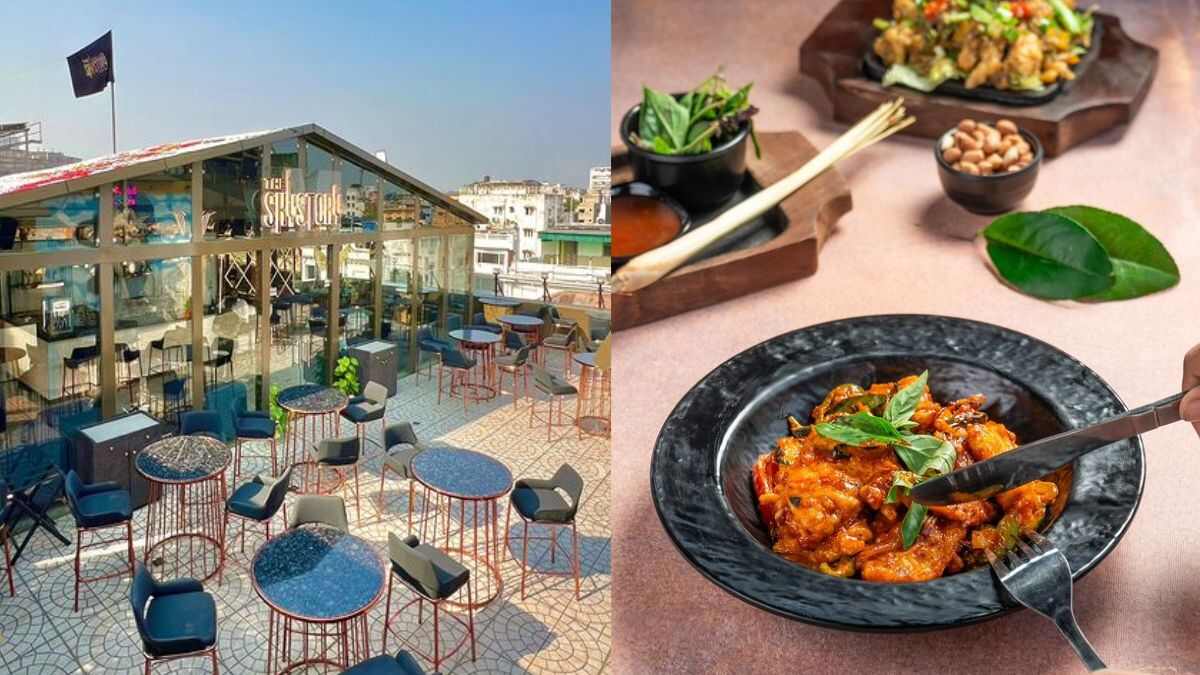

Food is a universal connector, a bridge between people, history, and tradition. From the vibrant spices of India to the delicate sushi of Japan, the diverse foods from different cultures around the world excite our taste buds, arouse our curiosity, and offer a sensory experience that goes beyond mere sustenance. But why do we love food from other cultures so much? What is it about these culinary delights that make us reach beyond our familiar plates and embrace the unfamiliar? In this article, we’ll explore the multifaceted reasons behind our fascination with international cuisine.
1. A Tapestry of Flavor
One of the most apparent reasons why we love food from other cultures is the diversity of flavors. Each culture brings its own distinct taste profile, shaped by geography, climate, history, and access to ingredients. For instance, Thai cuisine is known for its balance of sweet, salty, sour, and spicy, while Mexican food might combine smoky, earthy flavors with zesty tang. These flavor combinations create a more dynamic and exciting culinary experience compared to the sometimes more limited options within our own food traditions.
The Magic of Spice
Spices are often the heart of many global cuisines. In Indian cooking, for example, turmeric, cumin, and garam masala create a rich tapestry of flavors that stimulate the senses. The spicy heat of Thai chili peppers, the warm and smoky notes of cumin in Middle Eastern food, or the zesty kick of lime in Mexican dishes all provide a sensory adventure for our taste buds. This play of spices introduces us to flavors we may not encounter in our everyday meals, sparking curiosity and inviting us to explore new horizons.
2. The Cultural Story Behind Each Dish
Every dish from another culture tells a story. Food is history in its most delicious form. The way a dish is prepared, served, and enjoyed often reflects the customs, values, and way of life of its people. Consider sushi from Japan. It’s not just about the raw fish; it’s a reflection of Japanese reverence for nature, purity, and simplicity. Similarly, a hearty bowl of Italian pasta invokes images of long family dinners, tradition, and the importance of community.
Food from other cultures helps us connect to distant lands and learn about different ways of life. When you taste a bowl of pho, you’re not just enjoying a meal; you’re partaking in the vibrant Vietnamese culture. The layers of flavor, the way the herbs and broth come together, offer a glimpse into the country’s history, its emphasis on fresh ingredients, and its deep culinary traditions.
3. Exploring Global Connections
In our increasingly interconnected world, travel might not always be possible, but food allows us to experience the world without leaving home. With the rise of food delivery apps, global food chains, and restaurants offering international menus, trying food from other cultures has never been easier. Eating foreign foods provides an opportunity for cultural exchange. You can sit down in a Parisian café, savoring a French croissant, or indulge in a plate of spicy Jamaican jerk chicken—without a passport.
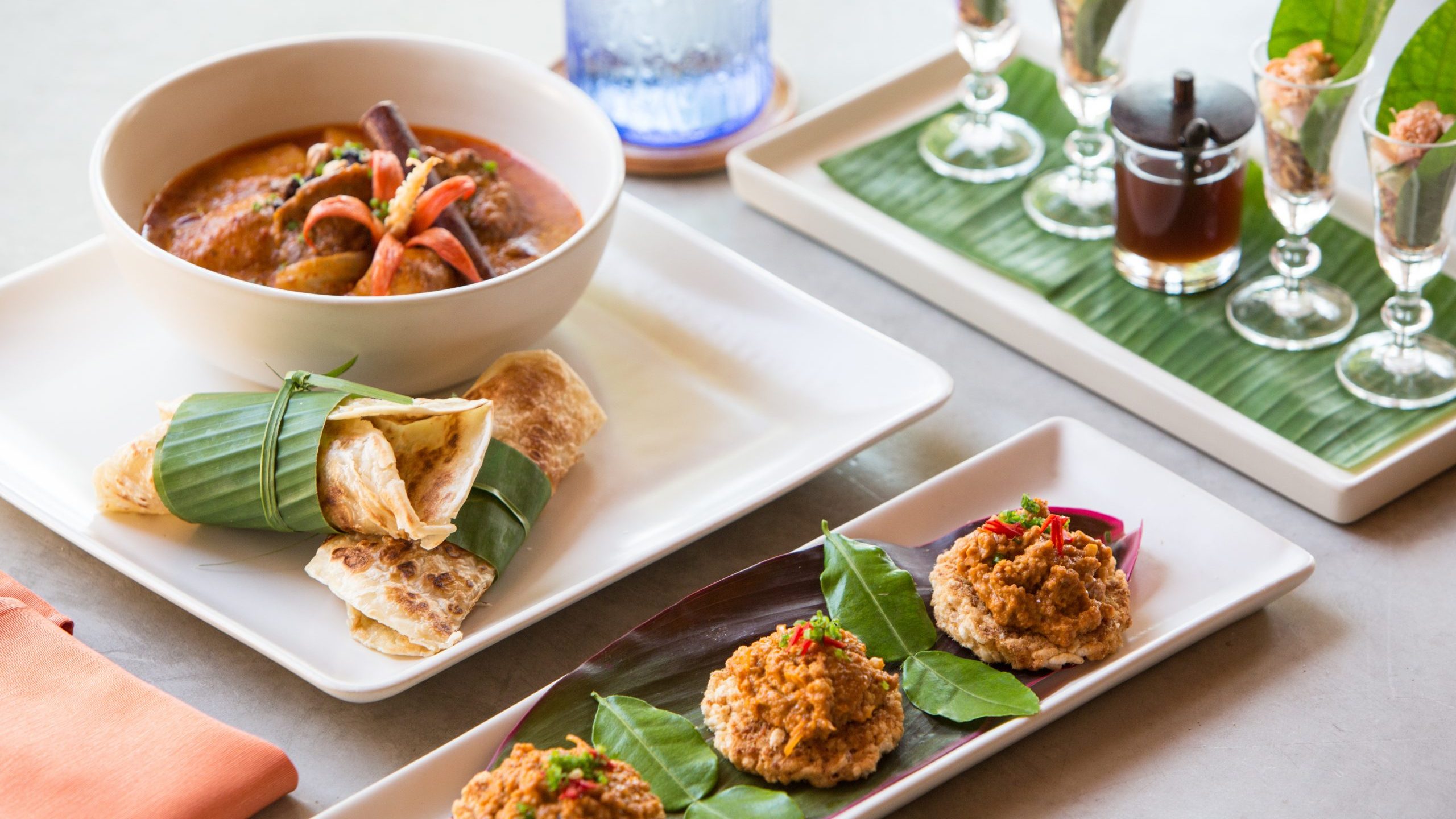
This globalization of food means that we are constantly exposed to new culinary trends, ingredients, and techniques. The concept of “fusion cuisine,” which blends elements of multiple food cultures, reflects our growing appreciation of diverse flavors and traditions. For instance, Korean tacos—a fusion of Korean BBQ and Mexican tortillas—highlight how food from different cultures can come together in new and exciting ways.
4. Nostalgia and Comfort
Food often carries with it a deep sense of nostalgia and emotional connection. We may crave dishes from other cultures because they evoke memories of travel or experiences abroad. For example, someone who has spent time in Italy may long for the taste of authentic pizza, with its thin, crispy crust and fresh mozzarella.
Likewise, immigrants often recreate the flavors of their homeland as a way to connect with their roots. The food we love from other cultures may be linked to personal stories, adventures, or the desire to relive past experiences. Additionally, some international foods offer a sense of comfort—perhaps a bowl of ramen on a cold day or the warmth of a Mediterranean mezze platter shared with friends and family.
5. Health Benefits and Fresh Ingredients
Another reason we gravitate toward international cuisines is the focus on freshness and health-consciousness in many global food traditions. Mediterranean cuisine, for example, is often lauded for its use of fresh vegetables, olive oil, and lean proteins like fish. The emphasis on plant-based foods, grains, and legumes in Middle Eastern dishes is another reason people turn to foreign foods for healthy eating.
Moreover, many cultures have long embraced holistic approaches to food. Traditional Chinese medicine, for example, integrates food and healing, using ingredients like ginger, garlic, and ginseng for their health-promoting properties.
As we become more health-conscious, we seek out these foods that are not only delicious but also offer tangible health benefits. The focus on local, seasonal, and organic ingredients is a key component in many non-Western cuisines, appealing to those who are more mindful about the food they consume.
6. Breaking the Monotony of Everyday Meals

Let’s face it: eating the same foods day after day can become repetitive. Trying new cuisines is an escape from routine and a way to inject variety into our diets. For instance, while a hamburger or a pizza may be a go-to comfort food, tasting an exotic dish like Ethiopian injera or Brazilian feijoada opens up a whole new world of culinary possibility. The excitement of stepping out of your comfort zone and discovering new textures, ingredients, and cooking methods is a huge part of why we love international food.
This desire for novelty is especially relevant in today’s world, where food has become not just about sustenance, but about experience and adventure. We are constantly seeking out new and unique dining experiences—whether it’s eating sushi in a high-end restaurant or grabbing a quick bite of street food from a vendor in Bangkok. In short, international food offers the excitement of the unfamiliar, giving us something to look forward to in every meal.
7. Social and Shared Experiences
Food is one of the most universal forms of social interaction. When we eat food from other cultures, we often do so in a shared context—whether it’s a family gathering, a dinner party, or a trip to a foreign country. These meals foster conversation, connection, and shared experiences. For instance, a group of friends sitting around a Korean BBQ grill, cooking their own meat, or sharing a Moroccan tagine, offers more than just food—it creates bonding moments.
Cultural dishes also encourage a sense of openness and curiosity. Trying food from other cultures often sparks conversations about traditions, values, and experiences, allowing us to connect with others on a deeper level. Eating together is a form of communication that transcends language barriers, offering an opportunity to connect with people from different backgrounds in a meaningful way.
8. Accessibility and Fusion in Modern Times
The spread of global cuisine has also been driven by the accessibility of ingredients. Thanks to international supermarkets and online grocery stores, ingredients that were once difficult to find are now easily available. Whether it’s tamarind paste, gochujang, or za’atar, you can now recreate dishes from almost any culture in the comfort of your own home.
Even when ingredients aren’t available, the growing popularity of food fusion means that we can mix elements of various cuisines to create something entirely new. A sushi burrito, for example, blends the concept of sushi with the convenience of a burrito, offering a fun and exciting way to experience global flavors in a format that feels familiar.
The Rise of Food Influencers and Social Media
Social media has played a huge role in the democratization of global food. Platforms like Instagram, YouTube, and TikTok have turned food from different cultures into trending topics. Food influencers travel the world, share recipes, and introduce their audiences to unique dishes from all corners of the globe. This widespread sharing of global food experiences has made international cuisine more mainstream and accessible than ever before.
9. Food and Identity
Finally, we can’t overlook the role food plays in forming and expressing identity. Many of us are drawn to cuisines from other cultures because we want to experiment with our own sense of self. Food becomes a way of expressing who we are, what we value, and what we want to learn about the world. Whether it’s adopting a vegan diet influenced by plant-based cultures or experimenting with Indian spices, we use food as a means of exploring and celebrating our individual and collective identities.
Conclusion
The allure of food from other cultures is a phenomenon that is rooted in a blend of sensory pleasure, cultural curiosity, and the desire for novelty. As we explore dishes from around the world, we not only expand our palate but also deepen our understanding of the diverse cultures that shape them. Whether we’re drawn to the spices of India, the freshness of Mediterranean cuisine, or the street food of Southeast Asia, the global exchange of food is a celebration of our shared humanity and a reminder of the rich tapestry of flavors the world has to offer.
So the next time you take a bite of sushi, savor a taco, or indulge in a bowl of pasta, remember that you’re not just eating a dish—you’re partaking in a cultural experience that has been passed down through generations. And in doing so, you’re contributing to the ongoing global exchange of flavors, stories, and memories.