





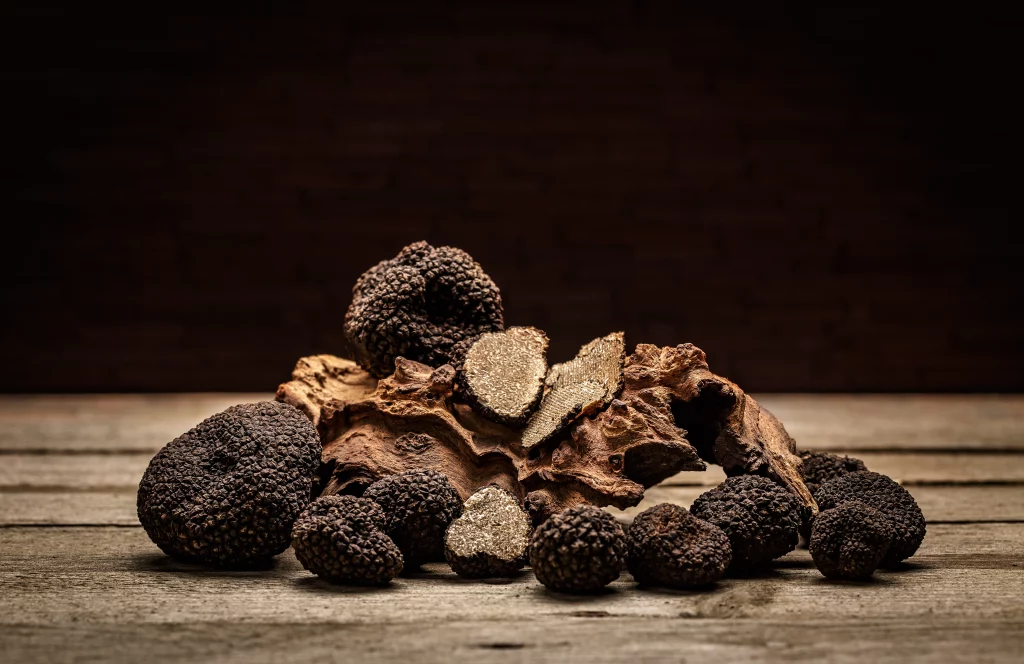

Introduction: Beyond Salt and Pepper
International cuisine has always been shaped by movement—of people, of ideas, and most intriguingly, of ingredients. While staples like wheat, rice, salt, and sugar form the backbone of many food traditions, it is often the uncommon ingredients—those that are rare, region-specific, or culturally unexpected—that create the most profound culinary shifts. These ingredients may begin as local necessities, ritual foods, or survival resources, but once they cross borders, they often transform global food cultures in subtle yet powerful ways.
Uncommon ingredients challenge assumptions about flavor, texture, and even what counts as “food.” They provoke curiosity, resistance, innovation, and sometimes controversy. From fermented shark in Iceland to Sichuan peppercorns numbing tongues far from China, these ingredients do far more than season dishes—they reshape techniques, inspire new identities, and expand the global culinary imagination.
This article explores how uncommon ingredients impact international cuisine from multiple angles: historical exchange, cultural identity, culinary technique, globalization, sustainability, and the psychology of taste. Rather than cataloging exotic foods, we focus on why these ingredients matter and how they continue to influence what the world eats.
1. Defining “Uncommon”: A Relative Concept
An ingredient is not inherently uncommon. What is ordinary in one place may be extraordinary in another. Cassava is a daily staple for millions yet remains unfamiliar in many Western kitchens. Seaweed is basic pantry material in Japan but still considered niche elsewhere. Thus, “uncommon” is a contextual label, shaped by geography, culture, history, and exposure.
Uncommon ingredients typically share several characteristics:
- Limited geographic availability
- Strong or unfamiliar flavors
- Specialized preparation methods
- Deep cultural or symbolic meaning
- Perceived difficulty or risk in use
Once these ingredients move beyond their original contexts, they often lose their “normality” and gain mystique. This shift is the first step in their international impact.
2. Historical Routes: How Rare Ingredients Travel
Uncommon ingredients rarely spread by accident. Their movement has historically followed trade routes, migration patterns, conquest, and curiosity.
Spices are the classic example. Ingredients such as cloves, nutmeg, and cardamom were once so rare in Europe that they shaped empires and economies. Initially prized for medicinal or preservative qualities, their unfamiliar aromas transformed European cooking, encouraging sweeter meats, layered sauces, and new baking traditions.
Other ingredients traveled with people rather than commerce. African okra, carried through forced migration, became foundational in Caribbean and Southern American cuisines. Central Asian fermented dairy techniques influenced Eastern Europe and the Middle East. In each case, the ingredient adapted to new climates, tastes, and available resources.
The impact lies not only in adoption but in reinterpretation. Once an uncommon ingredient arrives in a new culinary environment, it begins to change—and so does the cuisine that receives it.
3. Flavor Expansion: Redefining Taste Boundaries
One of the most direct impacts of uncommon ingredients is the expansion of flavor vocabulary. Many traditional Western cuisines long emphasized a narrow range of taste profiles: salty, sweet, fatty, and mildly bitter. Uncommon ingredients introduce dimensions that may be intense, strange, or initially uncomfortable.
Consider:
- Umami-rich elements like fermented fish sauces or aged soy products
- Astringent or numbing agents such as certain herbs, peppers, or tannic plants
- Strong aromatic compounds found in resins, roots, or wild leaves
When these ingredients enter international cooking, they force chefs and diners alike to recalibrate their expectations. Dishes become more layered. Sauces gain depth rather than volume. Small quantities suddenly matter more than large portions.

Over time, these flavors stop being “foreign” and start becoming essential. What once shocked the palate becomes comforting, even nostalgic, illustrating how uncommon ingredients can permanently alter collective taste memory.
4. Technique Transformation: New Skills, New Tools
Uncommon ingredients often require uncommon techniques. Their introduction into international cuisine frequently leads to the adoption of new cooking methods, tools, and timing.
For example:
- Fermentation practices introduce controlled decay as a valued process rather than a risk
- Drying, curing, or smoking methods adapt to ingredients that spoil quickly or taste harsh when fresh
- Grinding, pounding, or slow extraction becomes necessary for tough roots or seeds
As these techniques spread, they influence more than the original ingredient. A fermentation method learned for one food may later be applied to another. A spice-grinding tradition may inspire new approaches to texture and freshness.
In this way, uncommon ingredients act as teachers. They force cooks to slow down, pay attention, and develop precision. International cuisine becomes not just more diverse in flavor, but more sophisticated in method.
5. Cultural Identity and Culinary Storytelling
Food is a language of identity, and uncommon ingredients often serve as its most poetic words. For many cultures, these ingredients are deeply tied to land, memory, and tradition. When they enter international cuisine, they carry stories along with them.
Chefs increasingly use rare or traditional ingredients as symbols:
- To assert cultural pride
- To reconnect with ancestral practices
- To resist homogenization of global food
In international settings, these ingredients often become markers of authenticity. A dish prepared without its culturally specific ingredient may be considered incomplete, no matter how technically skilled the cooking.
However, this also raises questions. Who gets to use these ingredients? Who tells their stories? The global popularity of uncommon ingredients can amplify cultural voices—or flatten them into trends. The impact, therefore, is not only culinary but ethical and narrative-driven.
6. Fusion Cuisine: Creativity at the Edges
Fusion cuisine is where uncommon ingredients often make their boldest statements. When placed into unfamiliar frameworks, they create surprising harmony or deliberate tension.
Examples of fusion impact include:
- Traditional ingredients paired with modern plating and techniques
- Regional flavors integrated into global comfort foods
- Rare ingredients used in unexpected courses, such as desserts or beverages
These experiments challenge rigid culinary categories. They show that uncommon ingredients are not static relics but dynamic tools capable of reinvention.
At their best, such fusions respect the ingredient’s origin while allowing it to evolve. At their worst, they reduce it to novelty. The difference lies in understanding—not just of flavor, but of context.
7. Psychology of the Unfamiliar: Fear, Curiosity, and Desire
Uncommon ingredients exert psychological power. They trigger instinctive reactions shaped by culture and biology: hesitation, excitement, suspicion, or bravado.

For diners, encountering an unfamiliar ingredient can feel like a test. Trying it becomes an act of openness, sometimes even status. For chefs, serving it can be an act of confidence or provocation.
This dynamic influences international cuisine by:
- Encouraging storytelling on menus
- Shifting focus from quantity to experience
- Elevating dining into an educational encounter
Over time, repeated exposure reduces fear. What was once avoided becomes sought-after. The psychological journey mirrors the culinary one, proving that taste is as much learned as it is sensed.
8. Sustainability and Resource Awareness
Many uncommon ingredients come from environments that demand respect: deserts, mountains, deep waters, or fragile ecosystems. Their global popularity raises important questions about sustainability.
On one hand, international interest can:
- Support small-scale producers
- Preserve traditional farming or foraging practices
- Increase awareness of biodiversity
On the other hand, it can:
- Lead to overharvesting
- Disrupt local food access
- Encourage monoculture production
As international cuisine embraces uncommon ingredients, responsible sourcing becomes essential. The ingredient’s rarity should inspire care, not exploitation. This awareness is increasingly shaping menus, supply chains, and consumer choices.
9. Professional Kitchens: Innovation and Prestige
In fine dining and professional kitchens, uncommon ingredients often signal innovation. They allow chefs to differentiate themselves, demonstrate technical mastery, and create memorable experiences.
However, their impact goes beyond prestige. These ingredients often push culinary professionals to:
- Rethink balance and restraint
- Highlight seasonality and origin
- Design dishes around flavor rather than convention
As techniques trickle down from high-end restaurants to casual dining, uncommon ingredients slowly become more accessible. What begins as elite experimentation can eventually influence everyday cooking, altering international cuisine from the top down.
10. Media, Travel, and Digital Acceleration
In the past, uncommon ingredients spread slowly. Today, food media, travel, and digital platforms accelerate exposure dramatically. A single image or video can introduce millions to an ingredient they have never heard of.
This visibility impacts international cuisine by:
- Shortening the gap between discovery and adoption
- Encouraging home cooks to experiment
- Creating global micro-trends around specific ingredients
Yet speed has consequences. Without depth, understanding can lag behind popularity. The challenge for modern international cuisine is to balance excitement with education, ensuring that uncommon ingredients are appreciated rather than merely consumed.
11. From Uncommon to Indispensable
History shows that today’s rarity can become tomorrow’s necessity. Many ingredients now considered essential were once foreign and mistrusted.
The transformation usually follows a pattern:
- Introduction through trade, migration, or novelty
- Limited adoption by adventurous cooks
- Adaptation to local tastes and availability
- Integration into everyday dishes
- Loss of “uncommon” status
This cycle continues to reshape international cuisine. Each new ingredient carries the potential to redefine norms, reminding us that culinary tradition is not fixed—it is constantly absorbing, adjusting, and growing.
Conclusion: Small Ingredients, Large Influence
Uncommon ingredients may appear minor in quantity, but their impact on international cuisine is immense. They expand flavor horizons, introduce new techniques, carry cultural stories, and challenge both cooks and diners to think differently about food.
Their power lies not in shock value, but in transformation. When treated with respect and curiosity, uncommon ingredients become bridges—between cultures, histories, and palates. They remind us that cuisine is a living system, shaped as much by the rare and unexpected as by the familiar and everyday.
In a world increasingly connected yet often homogenized, these ingredients offer something precious: diversity with depth. And as long as people continue to travel, share, and cook with intention, uncommon ingredients will remain one of the most dynamic forces shaping international cuisine.