





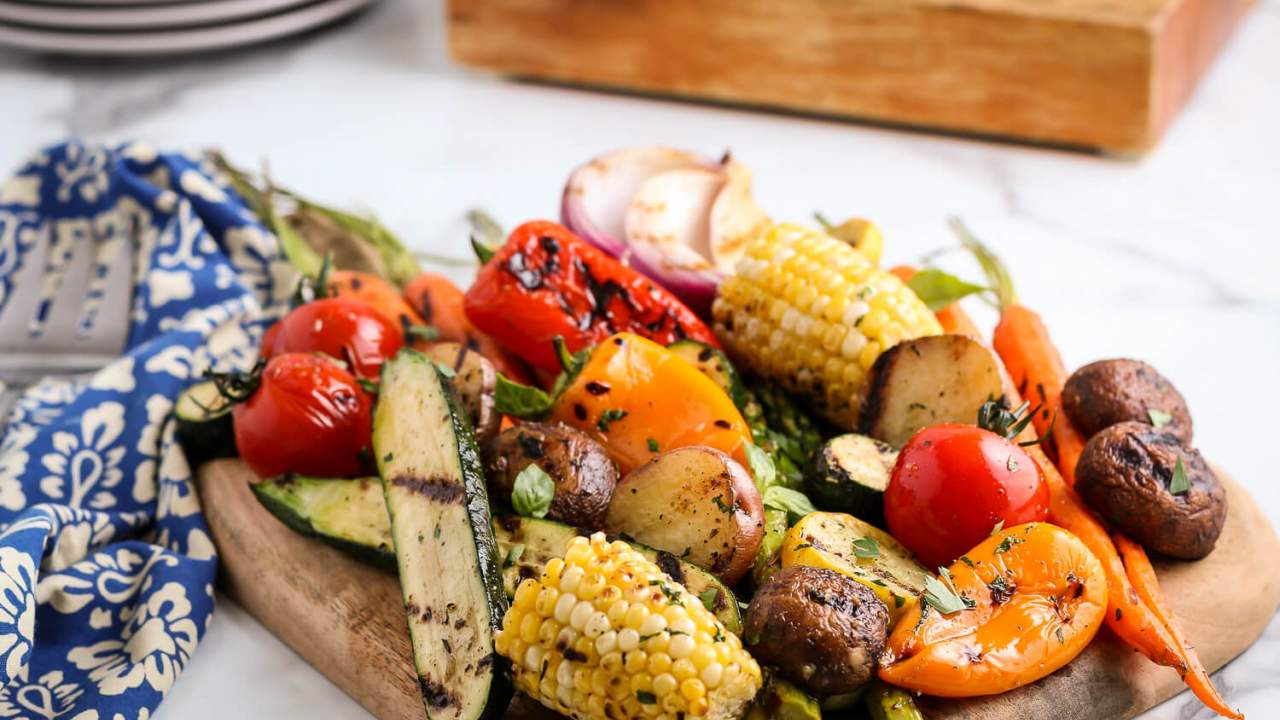

Grilling is an age-old tradition enjoyed by millions, a magical process where heat transforms the simple into the extraordinary. While meat often steals the spotlight at the grill, the humble vegetable deserves more attention. Vegetables can be just as flavorful, smoky, and perfectly charred as any steak or burger if approached with the right technique. In fact, grilling vegetables is an art that, when perfected, can elevate your BBQ game to new heights. So, can you grill vegetables just as perfectly as meat? Absolutely! Here’s how.
Why Grill Vegetables?
Grilled vegetables possess a unique charm. The process of grilling caramelizes natural sugars, enhances flavors, and imparts a smoky aroma that is hard to replicate with any other cooking method. When done right, grilled veggies have crispy edges, tender interiors, and a deliciously charred flavor that can rival the juiciest steak.
Moreover, grilling is a healthy cooking method, as it allows fat to drip away while preserving the nutrients in the vegetables. Unlike frying, grilling maintains the integrity of vitamins and antioxidants, offering a nutritious and tasty alternative to greasy, oil-heavy meals.
Best Vegetables for Grilling
Not all vegetables are created equal when it comes to grilling. Some are more forgiving, while others require extra care. Below are the top vegetables that are perfect for grilling.
1. Bell Peppers
Bell peppers, with their sweet, juicy interior and a slight crunch, are a grilling favorite. They caramelize beautifully, turning soft and smoky. Red, yellow, and orange peppers offer a sweet contrast to the slight bitterness of green peppers.
Grill Tip: Slice them into quarters and remove the seeds. Grill them skin-side down to get that beautiful char.
2. Zucchini and Summer Squash
Zucchini and summer squash are naturally tender and have a mild flavor that takes on a lovely smokiness when grilled. They cook quickly, making them perfect for quick BBQ meals.
Grill Tip: Slice lengthwise into 1/4-inch thick planks. Brush lightly with olive oil, and don’t forget to season with salt, pepper, and your favorite herbs.
3. Eggplant
Eggplant’s dense, meaty texture makes it ideal for grilling. When properly grilled, eggplant takes on a smoky, savory flavor that can be a great substitute for meat in vegetarian dishes.
Grill Tip: Slice eggplants into thick rounds or halves, salt them to draw out excess moisture, and brush with olive oil before grilling.
4. Asparagus
Asparagus is tender yet retains its satisfying crunch when grilled. The natural sugars in asparagus caramelize beautifully when grilled over high heat, making it a perfect side dish or addition to salads.
Grill Tip: Grill the spears whole and turn them frequently to get an even char. A sprinkle of lemon zest after grilling will brighten the flavor.
5. Mushrooms
Grilling mushrooms intensifies their umami flavor, and their meaty texture holds up well to the heat of the grill. Larger mushrooms, like portobello, are often used as a vegetarian burger alternative.

Grill Tip: Marinate the mushrooms before grilling to boost their flavor. Simply brush with olive oil, balsamic vinegar, garlic, and herbs.
6. Corn on the Cob
Grilled corn is a classic summer treat. The heat from the grill brings out the natural sweetness of the corn, creating a satisfying balance of smoky and sweet flavors.
Grill Tip: Grill the corn in its husk to keep it moist, or husk it and grill directly on the grate for a more charred flavor.
Preparing Vegetables for Grilling
While grilling vegetables is relatively simple, some prep work is crucial to achieving the perfect grilled veggie.
1. Clean and Trim
Before grilling, always clean your vegetables thoroughly. Remove any dirt, and trim away any tough stems, leaves, or roots. For instance, cut off the ends of zucchini or the tough stalks of asparagus.
2. Cut into Uniform Pieces
To ensure even cooking, it’s best to cut vegetables into similar-sized pieces. This allows them to cook at the same rate, preventing some from being undercooked while others become overdone.
3. Seasoning
Vegetables can be bland without proper seasoning. A simple olive oil drizzle, a pinch of salt, freshly cracked pepper, and a sprinkle of herbs (such as thyme, rosemary, or basil) can make all the difference. Marinades can also infuse your vegetables with additional flavor.
For example, a mixture of balsamic vinegar, olive oil, garlic, and a touch of mustard can work wonders for grilling mushrooms or eggplant. Additionally, citrus zest, such as lemon or orange, can add a refreshing contrast to the smoky char.
4. Use Oil Sparingly
While it’s important to oil the vegetables to prevent sticking, it’s equally important not to overdo it. Too much oil can cause flare-ups and uneven cooking. A light brush or spray of oil is enough to coat the veggies.
Grilling Techniques for Vegetables
Grilling vegetables requires a slightly different approach than grilling meat. Here are a few techniques to help you get the best results.
1. Direct vs. Indirect Heat
Direct heat is best for vegetables that cook quickly, such as peppers, zucchini, and asparagus. Place these directly on the grill grate over the heat. For larger vegetables, like whole corn or eggplants, indirect heat works better. Place them on the cooler side of the grill and close the lid to cook them through without burning the outside.
:max_bytes(150000):strip_icc()/grilled-zucchini-and-summer-squash-2217583-6289-5b1058923de423003797d054.jpg)
2. Use a Grill Basket or Skewers
Small or delicate vegetables, such as mushrooms, cherry tomatoes, and sliced onions, can fall through the grill grates. A grill basket helps contain them while still allowing the smoky flavor to infuse. Skewers are also a great option, as they allow you to grill a mix of vegetables together without worrying about them falling apart.
3. Don’t Overcrowd the Grill
If you overcrowd the grill, the vegetables may steam instead of grilling, which prevents that beautiful caramelization and charring. Leave enough space between the vegetables to allow the hot air to circulate and ensure even cooking.
4. Turn Frequently
Unlike meat, which benefits from being flipped just a few times, vegetables need more attention. Turn them often to ensure even grilling and to avoid burning one side.
Flavor Boosters for Grilled Vegetables
While vegetables naturally have great flavors, adding a few finishing touches can elevate them to the next level.
1. Herbs and Spices
Herbs such as thyme, rosemary, oregano, and basil pair wonderfully with grilled vegetables. You can either sprinkle them on top after grilling or toss the vegetables in fresh herbs and spices before grilling.
2. Vinegar or Citrus
A splash of balsamic vinegar or a squeeze of fresh lemon juice can brighten the flavors of grilled veggies. The acidity balances the smoky sweetness, making the flavors pop.
3. Cheese
Grated parmesan, crumbled feta, or fresh goat cheese can add richness and tang to your grilled vegetables. A light dusting of parmesan on grilled zucchini or a dollop of ricotta on grilled eggplant is a simple way to elevate the dish.
4. Sauces
For a punch of flavor, serve your grilled vegetables with a dipping sauce like chimichurri, aioli, or tahini. These sauces complement the smokiness of the grill and bring out the natural flavors of the veggies.
Troubleshooting: Common Mistakes to Avoid
Grilling vegetables might seem easy, but there are some common pitfalls that can lead to disappointing results. Here’s what to watch out for:
1. Overcooking
Overcooked vegetables become mushy and lose their vibrant colors and flavors. Keep an eye on the grill and avoid leaving veggies on too long. Many vegetables are done when they are tender yet still have a slight bite.
2. Not Preheating the Grill
Make sure your grill is preheated before adding the vegetables. This ensures that the veggies will sear immediately, creating those beautiful grill marks and locking in flavor.
3. Not Using Enough Oil
Oil prevents vegetables from sticking to the grill and helps them cook evenly. If you skip this step, your veggies might burn or get stuck to the grates.
4. Ignoring the Grill’s Hot Spots
Every grill has hot and cool spots. It’s important to familiarize yourself with your grill’s temperature zones. Some vegetables may need to be moved around during grilling to avoid burning.
Conclusion
Grilling vegetables is an exciting and rewarding way to cook, offering a wealth of flavors and textures that rival any grilled meat. With the right preparation, seasoning, and grilling techniques, vegetables can become the star of the BBQ. So, next time you fire up the grill, don’t forget to give your veggies some love—after all, they can be just as perfect as any grilled steak!