





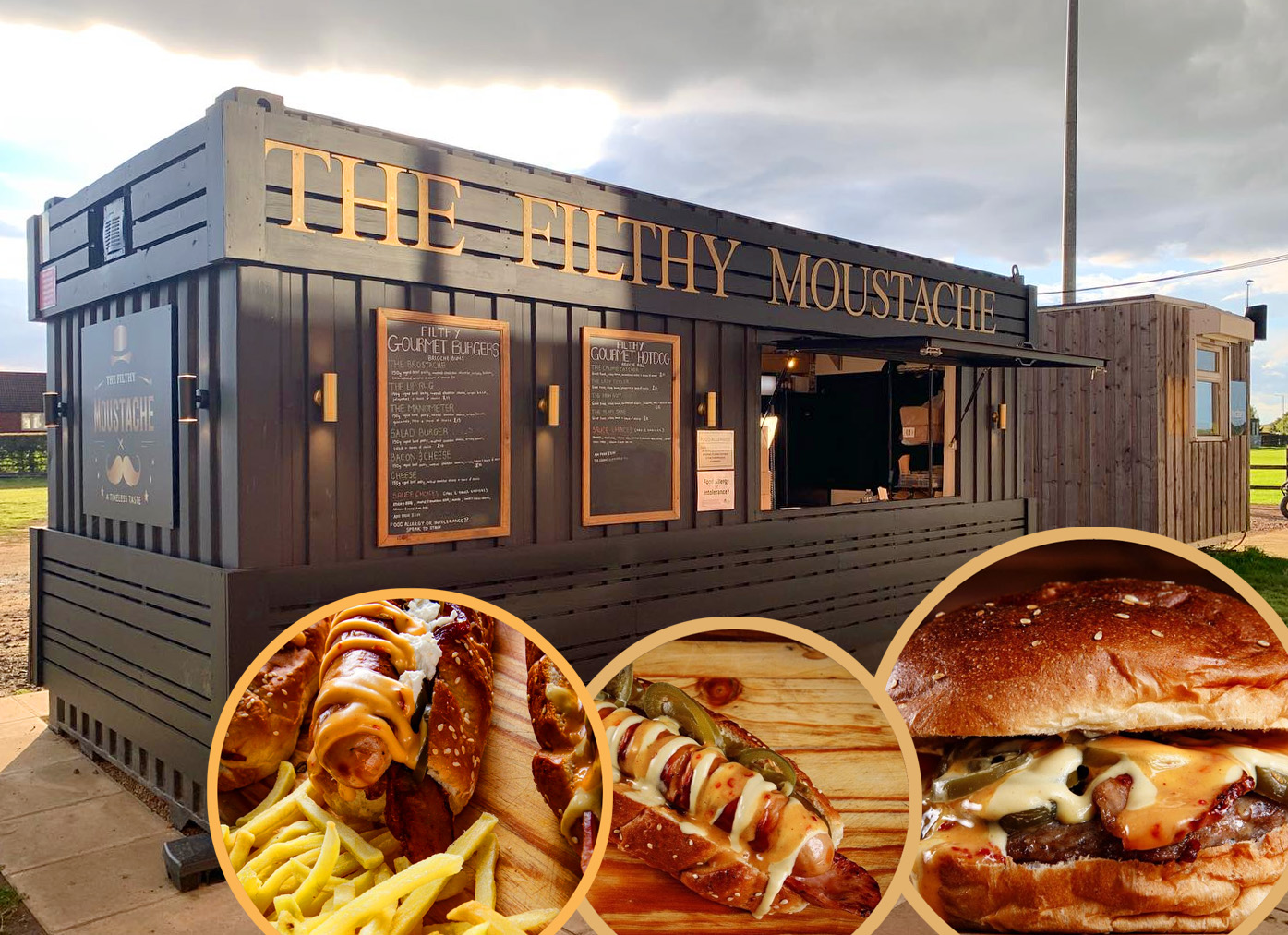

In recent years, street food has evolved from a humble culinary tradition to a powerful global phenomenon, captivating food lovers, and chefs alike. From the bustling markets of Bangkok to the vibrant food trucks in New York, street food has made its mark on the world’s food scene. But with this rise, one compelling question arises: Can street food be considered fine dining?
The answer isn’t straightforward, but the exploration of street food’s transformation into a more refined culinary experience can reveal interesting insights into how we define fine dining and what it means to create extraordinary meals.
The Origins of Street Food
Street food has always had a deeply rooted cultural significance, representing local flavors, traditions, and affordable access to meals. Originating in ancient civilizations, street food served a practical purpose—providing quick, affordable, and often delicious meals to people on the go. Whether it was ancient Roman vendors selling hot bread and cheese or medieval Asian markets offering dumplings and skewers, the essence of street food has remained constant: easy, accessible, and satisfying.
In more recent times, street food became synonymous with casual dining—where the focus was on taste and tradition rather than presentation or luxury. However, in the last few decades, street food has evolved in many parts of the world, merging with higher culinary standards, introducing new techniques, and focusing on quality ingredients.
But does this evolution mean that street food can now be considered fine dining?
Defining Fine Dining
To understand whether street food can be classified as fine dining, it’s essential to first define what fine dining really is. Fine dining is often characterized by several key components:
- High-Quality Ingredients: Fine dining establishments focus on the best available ingredients, often sourced from premium suppliers or local farms, and sometimes incorporating rare or luxurious items like truffles, caviar, or wagyu beef.
- Skilled Preparation: Fine dining chefs are highly trained and employ advanced culinary techniques. This often involves meticulous preparation, presentation, and a refined understanding of flavor profiles.
- Elegant Presentation: The aesthetic appeal of fine dining is paramount. Every dish is carefully presented to create an experience that engages all the senses.
- Exclusive Atmosphere: Fine dining restaurants often have an air of exclusivity. This could be reflected in the location, the level of service, or the dining experience itself.
- Exceptional Service: In fine dining, the service is just as important as the food. Waitstaff are highly trained to provide a seamless, attentive experience to guests.
The Rise of Gourmet Street Food
Despite these traditional markers of fine dining, gourmet street food has gained immense popularity in recent years. Chefs around the world have started experimenting with street food in ways that blend high-end culinary skills with the authenticity and accessibility of street-style dishes.
For example, Michelin-starred chefs in cities like London, New York, and Paris have started offering gourmet versions of street food staples such as tacos, dumplings, and kebabs. In these restaurants, street food is given a sophisticated twist. Take, for instance, the rise of gourmet food trucks, where chefs serve up creative, high-quality dishes, often using locally sourced, organic ingredients, and employing cutting-edge culinary techniques.
:max_bytes(150000):strip_icc()/Michelin-Starred-Street-Food-FT-BLOG0524-07-386ed8fcde40447895ebd31844380da7.jpg)
Some street food vendors even incorporate fine dining elements like sous-vide cooking, molecular gastronomy, and fermentation to elevate their offerings, pushing the boundaries of what we expect from street food. The famous food trucks of L.A., like Kogi BBQ, offer Korean BBQ tacos—a fusion of street food and fine dining concepts, presenting traditional Korean flavors through the lens of innovation.
Case Study: Michelin-Starred Street Food Vendors
In certain cities, Michelin stars, long seen as the hallmark of fine dining, have been awarded to food vendors traditionally considered street food purveyors. One of the most notable examples is Liao Fan Hong Kong Soya Sauce Chicken Rice and Noodle in Singapore, which earned a Michelin star for serving some of the city’s best chicken rice in a hawker center. The fact that this Michelin star was awarded to a simple street food stall, with no formal dining area, emphasizes the blurring of lines between what we traditionally perceive as casual versus fine dining.
Case Study: Food Trucks with Haute Cuisine
Another example is The French Laundry’s food truck in the United States, where fine dining concepts are brought onto the street. This iconic food truck serves upscale versions of classic street food, incorporating gourmet techniques like caviar-topped grilled cheese sandwiches and lobster rolls with truffle butter, all of which can rival any high-end restaurant’s menu. The food is as well-prepared and well-presented as any dish from a fine dining establishment.
These examples show that street food can be refined without losing its charm or identity. By elevating the ingredients, preparation, and presentation, some vendors have managed to reimagine what it means to serve street food, challenging our preconceptions about the intersection of casual and fine dining.
Gourmet Street Food vs. Fine Dining
While gourmet street food undeniably shares some elements with fine dining, there are notable differences that set them apart. Let’s explore these distinctions:

- Price and Accessibility: Fine dining, by nature, tends to be a more expensive affair. Street food, on the other hand, is accessible and affordable. The pricing structure of gourmet street food is often still within reach of everyday diners, even if it’s pricier than the average street food experience. Fine dining, however, is typically reserved for special occasions, and the price reflects that exclusivity.
- Atmosphere and Ambiance: Fine dining is usually associated with a specific type of atmosphere—refined, intimate, and formal. Street food, by contrast, is inherently informal and can be found in a variety of settings, from bustling night markets to food trucks on the move. Even gourmet versions, while elevated in quality, often lack the ambiance that comes with a high-end restaurant setting.
- Customer Experience: In fine dining, every detail—service, atmosphere, and even the background music—is meticulously curated to enhance the dining experience. Street food, even in its gourmet form, remains more focused on the food itself, with a less polished overall experience.
- Cultural Context: Fine dining often reflects European culinary traditions and techniques, while street food carries the cultural heritage of a particular place. When street food is reimagined as gourmet, it may lose some of its authentic character in favor of innovation. The question remains whether street food’s cultural value can coexist with the refinement of fine dining.
The Future of Street Food and Fine Dining
Looking ahead, it’s likely that the boundary between street food and fine dining will continue to blur. As more chefs experiment with street food and push its limits, it’s possible that the traditional notions of fine dining will evolve. Perhaps we’ll see more casual, accessible fine dining experiences where high-end food can be enjoyed in less formal settings.
There is also a growing movement of foodies who are more interested in authentic, quality food experiences rather than the traditional trappings of luxury. For them, street food prepared by chefs with an eye for detail and innovation is an equally valid form of fine dining.
Ultimately, the distinction between street food and fine dining may become less about tradition and more about the experience, quality, and creativity behind the food.
Conclusion
So, can street food be considered fine dining? The answer is yes—though with some caveats. While traditional fine dining is often associated with exclusivity, formality, and refined atmosphere, street food, in its evolution, has increasingly embraced the elements that define fine dining: high-quality ingredients, innovative preparation, and skilled craftsmanship. Street food vendors are creating sophisticated and exceptional dishes that challenge our conventional understanding of what fine dining is.
In a world where dining is becoming less about status and more about culinary experience, street food is poised to redefine the meaning of fine dining. As long as the dish is made with passion, skill, and top-tier ingredients, street food can stand alongside the most refined restaurant experiences.