





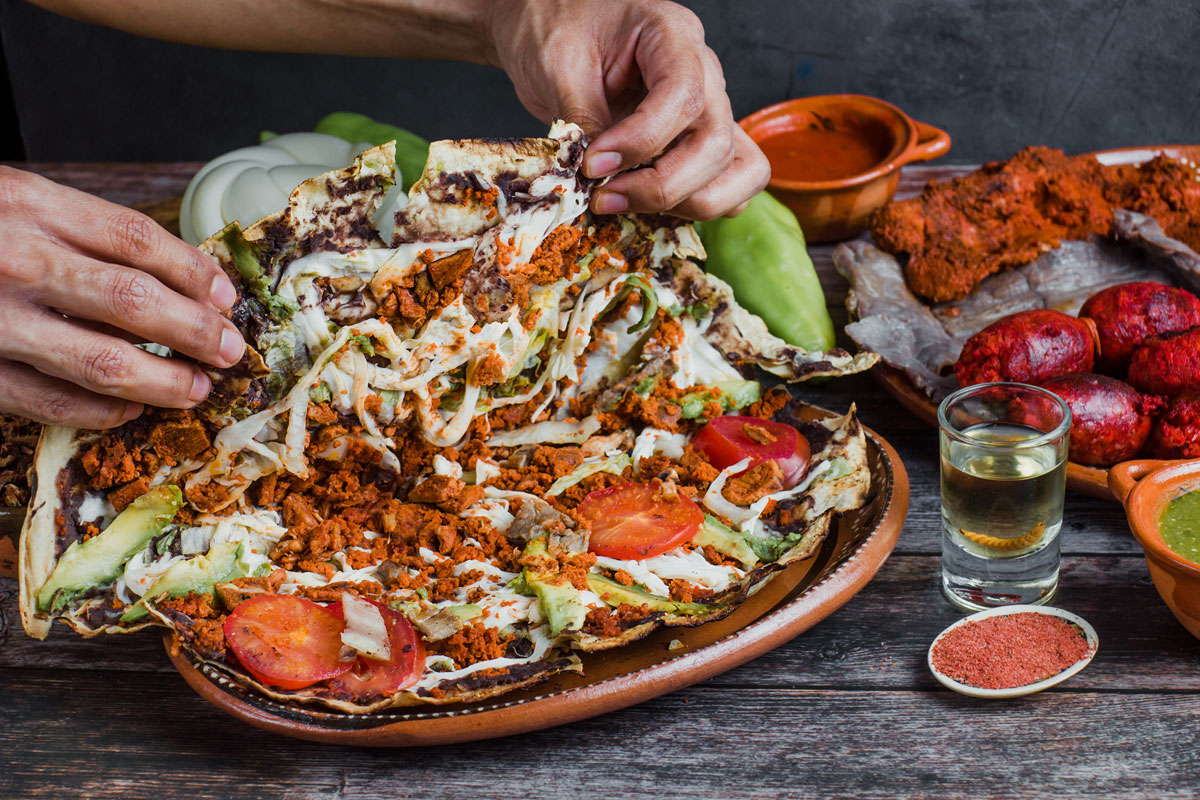

In the fast-paced rhythm of modern life, the art of traditional cooking is increasingly under threat. From the quiet simmer of a stew passed down through generations to the precise kneading of bread by hand, these culinary practices are not just about feeding the body—they are repositories of culture, history, and identity. Yet, as convenience foods, instant meals, and globalized fast-food chains dominate our kitchens, the question arises: is traditional cooking a dying art? The answer is layered, much like the perfect lasagna or the rich complexity of a slow-cooked broth.
The Cultural Significance of Traditional Cooking
Traditional cooking is far more than the act of preparing food. It is a bridge between generations, a living archive of human creativity and survival. Every spice blend, cooking technique, and fermentation process carries with it stories of geography, climate, trade, and history. Take, for instance, kimchi in Korea—a fermented dish that preserves seasonal vegetables while embedding centuries of knowledge about preservation and flavor balancing. Or consider the French culinary techniques codified in the 19th century, where sauces, roasting methods, and dough crafting reflect a philosophy as much as a recipe.
These culinary practices also reinforce community and familial bonds. In rural villages across the globe, cooking is an intergenerational activity. Grandmothers teaching grandchildren how to knead dough or fold dumplings are not merely instructing in food preparation—they are imparting lessons about patience, rhythm, and cultural identity. Traditional cooking forms the backbone of ceremonies, festivals, and celebrations. The absence of these practices risks eroding the social fabric of communities, as meals are no longer the centerpiece of gathering but merely sustenance consumed in isolation.
Factors Contributing to the Decline
Several factors contribute to the decline of traditional cooking. The most apparent is the pace of modern life. People are increasingly constrained by work schedules, school routines, and commuting, leaving little time for labor-intensive cooking methods. Traditional techniques often require hours of preparation, slow simmering, or repeated attention—a luxury many cannot afford.
Moreover, globalization has introduced a homogenization of diets. Fast food and ready-made meals are designed to be universally palatable, offering convenience at the expense of diversity. In cities worldwide, local flavors are increasingly overshadowed by the allure of international cuisine. While cultural exchange can be enriching, it often replaces homegrown culinary knowledge with simplified, industrialized alternatives.
Technological shifts also play a role. Refrigeration, microwave ovens, and pre-packaged ingredients have altered our relationship with food. Whereas older generations learned the art of preservation—fermentation, smoking, drying—modern conveniences make such skills seem unnecessary or archaic. The artistry of balancing flavors over time, understanding seasonal availability, and manipulating textures is replaced with uniformity and speed.
Economic pressures cannot be ignored either. In many parts of the world, traditional ingredients are expensive or difficult to source. Organic, heirloom, or artisanal ingredients required for authentic recipes often cost significantly more than mass-produced alternatives. As a result, younger generations may opt for cheaper substitutes or abandon traditional practices altogether.
The Psychological Appeal of Convenience
Human psychology also contributes to this trend. Convenience foods satisfy immediate gratification, a phenomenon amplified by modern stressors. When faced with exhaustion after a long day, the mental energy required to follow a multi-step traditional recipe can feel daunting. Fast meals, instant noodles, and pre-marinated dishes offer a seductive alternative: flavor with minimal effort. Over time, the habit forms, and the patience and discipline necessary for traditional cooking fade from practice.
Yet, this shift is not merely practical; it is symbolic. Choosing convenience reflects broader societal priorities: efficiency over patience, speed over craft, and consumption over creation. Traditional cooking, in contrast, demands time, mindfulness, and engagement. Its decline mirrors a cultural shift in values, where artistry is often secondary to productivity.

Globalization and Fusion: Double-Edged Swords
While globalization threatens traditional cooking, it also presents opportunities. Fusion cuisine, culinary tourism, and global ingredient exchange can revive interest in traditional techniques when presented creatively. Sushi, once a local Japanese practice, is now globally celebrated, with chefs worldwide studying rice preparation, knife skills, and fermentation techniques to maintain authenticity. Similarly, Italian pasta-making classes attract international audiences, preserving knowledge through hands-on experience.
However, this exposure can be a double-edged sword. Globalized interpretations often dilute or alter original recipes, favoring marketable flavors over cultural fidelity. A traditional dish becomes a “brand” or “experience” rather than a living practice embedded in daily life. The essence of cooking—knowledge transmission, cultural context, and ritual—is sometimes overshadowed by spectacle and commercialization.
Preserving Traditional Cooking: Challenges and Strategies
Preservation of traditional cooking requires both individual commitment and systemic support. Educational programs are key. Culinary schools that teach not only professional techniques but also heritage recipes can ensure that skills survive beyond family kitchens. Workshops in community centers, storytelling through cooking, and digital platforms offering video tutorials can bridge generational gaps.
Documentation is another essential tool. Recipes, once passed orally, must be recorded meticulously, including preparation methods, ingredient sourcing, and cultural context. Modern technology allows for multimedia documentation: video tutorials, blogs, and social media platforms can reach audiences worldwide, ensuring traditional knowledge is not lost.
Government and NGO support can also play a role. Subsidies for small-scale farmers, protection of indigenous ingredients, and promotion of local cuisines in tourism initiatives help create sustainable environments where traditional cooking can thrive. Festivals, cooking competitions, and heritage awards bring recognition to the skill and artistry involved, fostering pride and interest among younger generations.
The Role of Technology in Preservation
Interestingly, technology can be both a threat and a savior. Smart kitchen appliances, apps for ingredient delivery, and online recipe databases reduce the barrier to attempting traditional dishes. Precision cooking devices like sous-vide machines allow home cooks to mimic restaurant-level control over temperature and texture, reviving techniques that once required expert intuition.
Social media, while sometimes promoting oversimplified or “trendy” versions of traditional foods, can also democratize culinary knowledge. Viral videos showcasing heritage recipes spark curiosity and encourage experimentation. Younger audiences, motivated by visual appeal and storytelling, are more likely to try cooking when presented in accessible, entertaining formats.
Artificial intelligence, ironically, can assist in preservation by analyzing historical recipes, suggesting substitutions for rare ingredients, and even generating step-by-step instructions tailored to skill level. While nothing can replace the tactile learning passed down through generations, AI can act as an educational scaffold, reducing intimidation and fostering engagement.
Traditional Cooking and Sustainability

An often-overlooked benefit of traditional cooking is its alignment with sustainable practices. Many heritage recipes emphasize local, seasonal ingredients and minimal waste. Fermentation, drying, and pickling extend the life of perishable foods. Nose-to-tail cooking ensures that every part of an ingredient is used. These methods, developed out of necessity, now resonate with contemporary ecological awareness.
In contrast, industrial food systems—centralized production, long-distance transport, and excessive packaging—contribute to carbon emissions, biodiversity loss, and resource depletion. By revitalizing traditional cooking practices, societies can simultaneously preserve culture and promote environmental responsibility. Sustainability and tradition are intertwined, making the survival of culinary heritage both an ethical and cultural imperative.
The Sensory and Cognitive Dimensions
Traditional cooking also engages senses and cognition in ways fast food rarely does. The rhythm of chopping, kneading, and stirring creates a meditative flow. The layering of flavors and textures challenges taste perception and memory, enhancing sensory literacy. Cooking from scratch fosters problem-solving and creativity, as adjustments are made according to ingredient quality, seasonal availability, and personal taste.
Neuroscience suggests that such complex, multi-sensory activities contribute to brain health. Cooking traditional meals can improve coordination, executive function, and emotional well-being. The decline of these practices may therefore have subtle cognitive and psychological consequences beyond the loss of taste and aroma.
Case Studies of Revival
Despite the threats, there are inspiring examples of revival. In Japan, initiatives to teach rural cooking traditions to urban youth have gained traction, with apprenticeships in local kitchens offering hands-on experience. In Italy, regional cooperatives promote traditional pasta-making, cheese crafting, and bread baking, while culinary tours generate interest and economic support.
In Mexico, grassroots movements document and teach indigenous recipes, ensuring that knowledge of corn varieties, nixtamalization, and ancestral cooking methods is not lost. Similarly, in West Africa, community kitchens celebrate local grains and fermentation techniques, fostering pride and continuity. These efforts show that, while traditional cooking faces decline, targeted intervention and cultural pride can ensure survival and even flourishing.
The Future of Traditional Cooking
The trajectory of traditional cooking is neither inevitable nor uniform. While some practices may fade, others adapt, hybridize, and persist. Modern chefs often reinterpret heritage recipes, balancing authenticity with accessibility. Home cooks, inspired by digital resources, can experiment with time-intensive methods without the fear of failure. Culinary education increasingly recognizes the value of heritage alongside innovation.
Ultimately, the survival of traditional cooking depends on societal choices. It requires valuing time, patience, and craft over mere speed and efficiency. It depends on recognizing that cooking is not merely functional but cultural, artistic, and ecological. It relies on intergenerational transmission, curiosity, and deliberate effort to keep techniques alive.
Even as convenience food and globalization dominate, the human craving for connection, flavor, and ritual suggests that traditional cooking will not disappear entirely. Rather, it will evolve, sometimes hidden in family kitchens, sometimes celebrated on digital stages, and sometimes reimagined in fusion dishes. Its spirit—creativity, patience, and care—will endure as long as humans continue to seek nourishment that satisfies both body and soul.
Conclusion
Is traditional cooking a dying art? In some contexts, yes—it is threatened by speed, convenience, globalization, and economic pressures. But in others, it is being rediscovered, reinvented, and revered. The key lies in deliberate preservation, education, and cultural pride. Traditional cooking is more than a set of recipes; it is a living chronicle of human creativity, an expression of identity, and a pathway to sustainable, mindful living. While it faces undeniable challenges, the art of preparing food with skill, care, and cultural awareness is unlikely to vanish entirely. Instead, it will continue to adapt, survive, and inspire, reminding us that food is not merely sustenance but a story—one that can be savored, shared, and celebrated for generations to come.