





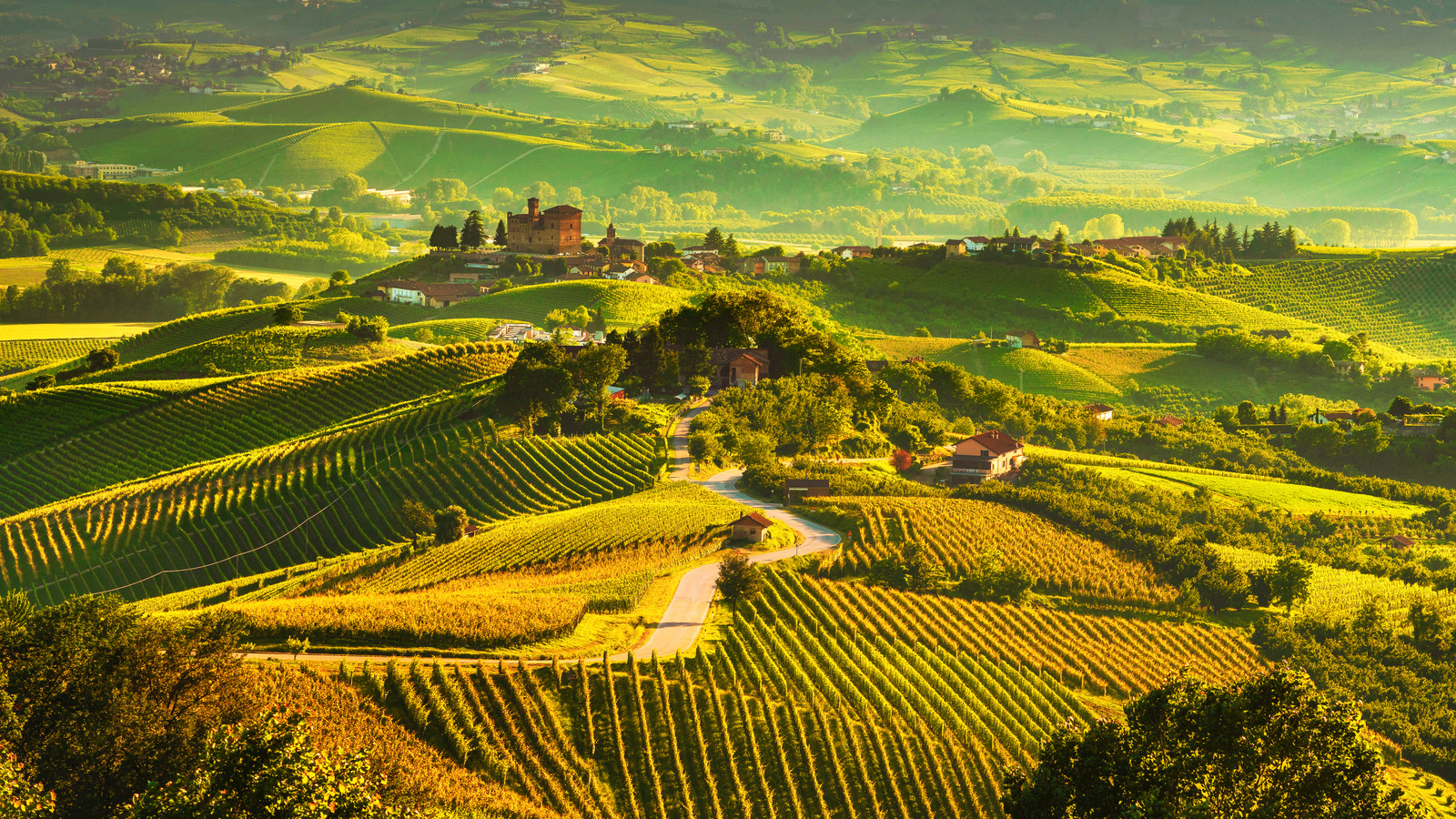

Introduction: Flavor Has a Passport
Taste is never just taste. Every ingredient carries a passport stamped with geography, climate, soil, water, culture, and time. A tomato grown in volcanic soil near the sea tastes fundamentally different from one raised in a controlled greenhouse hundreds of miles inland. Coffee from a misty Ethiopian highland whispers of flowers and citrus, while beans from lowland Brazil speak in bass notes of chocolate and nuts. These differences are not accidents; they are the cumulative result of origin.
When we talk about the “origin” of an ingredient, we are not merely naming a country or a region. We are describing a complex system that includes latitude and altitude, rainfall patterns and temperature swings, microbial life in the soil, local plant varieties, farming traditions, harvest timing, and post-harvest handling. Taste emerges from the interaction of all these elements. This article explores how origin shapes flavor in a rigorous yet engaging way, moving from the science of terroir to the cultural choices that amplify or mute an ingredient’s voice.
By the end, you will not only understand why origin matters, but also how to taste it, how to cook with it, and how to respect it. Flavor, after all, is geography made edible.
1. Origin as a System, Not a Point on a Map
Beyond Coordinates
It is tempting to reduce origin to a pin on a map. But two farms separated by a few kilometers can produce ingredients that taste worlds apart. Origin is better understood as a system—a set of interacting variables that together influence how an ingredient grows and develops flavor compounds.
These variables include:
- Climate: Temperature averages, daily swings, rainfall, humidity, sunlight hours.
- Soil: Mineral content, structure, drainage, microbial activity.
- Water: Source, mineral composition, availability.
- Biology: Plant genetics, surrounding flora and fauna, microorganisms.
- Human Practice: Cultivation methods, harvest timing, processing techniques.
- History: Varietal selection shaped by generations of adaptation.
Each factor nudges the chemistry of the ingredient in subtle ways. Sugar accumulation, acid retention, fat composition, aromatic compound development—these are all influenced by origin.
Terroir: A Useful but Incomplete Word
The French concept of terroir is often used to explain why origin matters. Terroir traditionally refers to the environmental factors affecting crops, especially wine grapes. While the term is useful, it can be limiting if treated as mystical or static.
Terroir is dynamic. Climate change alters it. Farming choices redefine it. New varieties reinterpret it. Origin, therefore, is not destiny, but context. It sets the stage on which biology and human decisions perform.
2. Climate: The Temperature of Taste
Heat, Cold, and Flavor Balance
Climate influences how quickly plants grow and how they allocate energy. In warmer climates, plants often grow faster, accumulate more sugars, and develop riper, fuller flavors. In cooler climates, growth is slower, acidity is preserved, and flavors tend to be sharper and more delicate.
Consider fruit:
- Warm climates: Peaches taste lush and honeyed; grapes become jammy.
- Cool climates: Apples retain crisp acidity; berries taste bright and tart.
This balance between sugar and acid is one of the most immediate ways origin affects taste.
Diurnal Range: The Power of Cool Nights
One of the most important climatic factors is the difference between day and night temperatures, known as diurnal range. Regions with warm days and cool nights—often at higher altitudes—allow plants to photosynthesize efficiently during the day while slowing respiration at night. The result is concentrated flavor without losing freshness.
This is why high-altitude coffee and tea are prized, and why mountain-grown herbs often taste more intense than their lowland counterparts.
Rainfall and Stress
Water availability shapes flavor through stress. Mild stress can concentrate flavors by limiting growth and encouraging the plant to produce protective compounds, many of which are aromatic or bitter. Excessive stress, however, can stunt development and lead to harsh or underdeveloped flavors.
Balance is key. Origin determines how often that balance is achieved.
3. Soil: The Quiet Architect of Flavor
Minerals and Mouthfeel
Soil composition influences nutrient uptake, which in turn affects flavor and texture. Minerals like potassium, calcium, magnesium, and iron play roles in enzyme activity and cellular structure.
While minerals themselves are not directly “tasted” in most cases, they influence:
- Sweetness perception
- Bitterness
- Texture and juiciness
- Aromatic complexity
This is why carrots grown in sandy soil taste sweeter and cleaner, while those from heavy clay may taste earthier and more robust.
Microbial Life: The Invisible Flavor Engine
Soil is alive. Bacteria, fungi, and other microorganisms interact with plant roots, facilitating nutrient absorption and producing metabolites that influence flavor development. Mycorrhizal fungi, for example, extend a plant’s root system and help it access nutrients that would otherwise be unavailable.
Different regions host different microbial communities. These invisible populations contribute to the uniqueness of origin in ways that science is only beginning to understand.
Volcanic Soils: A Case Study
Volcanic soils are often cited as producing ingredients with distinctive flavor intensity. They tend to be well-draining, mineral-rich, and biologically active. Coffee, wine grapes, and cacao grown in volcanic regions frequently show pronounced aromatics and clarity of flavor.
The soil does not dictate flavor alone, but it provides a foundation that shapes how flavor develops.
4. Water: The Solvent of Taste
Mineral Content and Flavor Expression
Water is more than hydration; it is a solvent that carries minerals into the plant. The mineral composition of water—often overlooked—can influence flavor development significantly.

Hard water, rich in calcium and magnesium, can lead to firmer textures and more pronounced bitterness. Soft water may produce gentler, rounder flavors.
In rice cultivation, for instance, water quality can subtly alter aroma and mouthfeel, contributing to regional distinctions even within the same variety.
Availability and Timing
Irrigation practices, often dictated by local water availability, affect plant stress and growth cycles. Regions dependent on seasonal rains tend to produce ingredients with flavors tied closely to annual weather patterns, while heavily irrigated regions may achieve consistency at the cost of distinctiveness.
5. Plant Genetics and Local Varieties
Adaptation Over Time
Plants adapt to their environment. Over generations, local varieties emerge that are uniquely suited to a region’s conditions. These varieties often taste better in their place of origin than when grown elsewhere.
Heirloom tomatoes are a perfect example. Many were bred not for transport or shelf life, but for flavor under specific local conditions. When moved far from their native environment, they often lose some of their character.
Genetic Diversity and Flavor Complexity
Regions that preserve genetic diversity tend to offer greater flavor complexity. Monoculture farming, while efficient, often prioritizes uniformity over taste. Origin-rich regions celebrate diversity, allowing multiple varieties to coexist, each expressing the environment in a slightly different way.
6. Farming Practices: Culture Made Edible
Traditional vs. Industrial Methods
Origin includes human tradition. Farming practices passed down through generations often evolve in harmony with local conditions. These methods may involve:
- Specific pruning techniques
- Crop rotation patterns
- Harvest timing based on sensory cues rather than calendars
- Minimal intervention during growth
Industrial methods aim for predictability and yield. While they can produce acceptable flavor, they often smooth out the peaks and valleys that make origin interesting.
Harvest Timing and Ripeness
When an ingredient is harvested profoundly affects its taste. Local farmers often harvest at peak ripeness because the ingredient does not need to travel far. Export-oriented production may require earlier harvest, sacrificing flavor for durability.
This is why strawberries eaten near where they are grown often taste dramatically better than those shipped long distances.
7. Post-Harvest Handling: Preserving or Transforming Origin
Fermentation, Drying, and Aging
Many ingredients undergo post-harvest processes that interact with origin to shape flavor. Fermentation, in particular, is highly sensitive to local microbial populations and environmental conditions.
Examples include:
- Cacao fermentation, which develops chocolate flavor precursors.
- Tea oxidation, which varies with humidity and temperature.
- Cheese aging, influenced by local air and microbial flora.
These processes do not erase origin; they amplify it.
Storage and Transport
How an ingredient is stored and transported can either protect or diminish its origin-derived qualities. Temperature control, exposure to oxygen, and time all matter. Regions with strong local food cultures often design systems to preserve freshness, reinforcing the link between origin and taste.
8. Case Studies: Origin in Action
Coffee: Altitude, Latitude, and Aroma
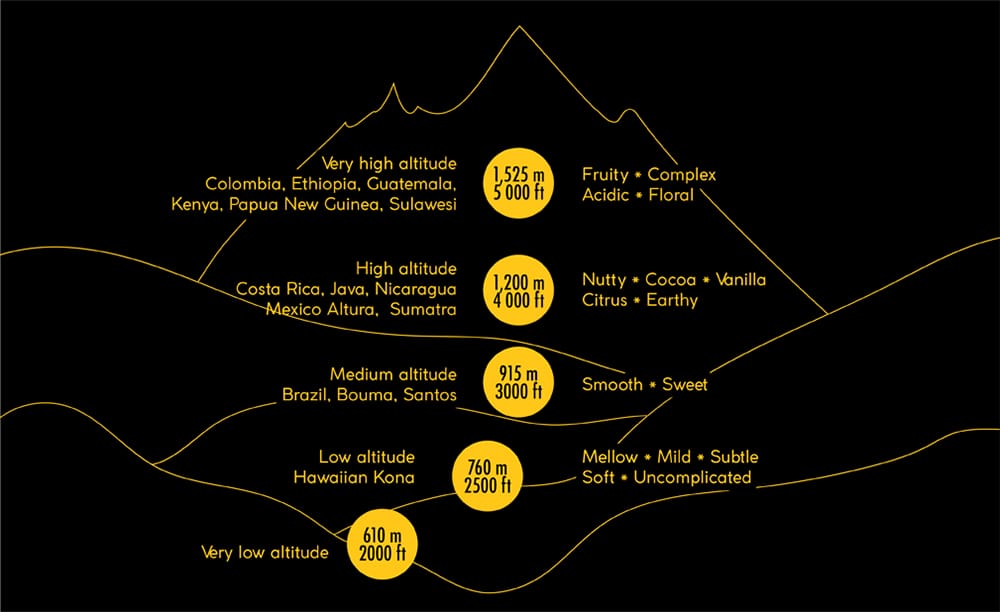
Coffee is one of the clearest examples of origin-driven flavor. Altitude influences bean density and acidity. Latitude affects sunlight intensity and seasonal rhythms. Soil and processing methods add further layers.
- High-altitude coffees tend to be bright, aromatic, and complex.
- Low-altitude coffees are often heavier, with chocolatey or nutty notes.
Two coffees of the same variety can taste entirely different depending on origin.
Olive Oil: Terroir in Liquid Form
Extra virgin olive oil expresses origin through bitterness, fruitiness, and pungency. Climate affects ripening speed, while soil and variety shape aroma. Harvest timing and milling methods reflect local tradition.
A grassy, peppery oil from a cooler region contrasts sharply with a ripe, buttery oil from a warmer one—even when made from the same olive variety.
Spices: Climate as Intensity Control
Spices are dried expressions of climate. Heat, humidity, and soil influence the concentration of essential oils. Cinnamon from different regions varies in sweetness and heat. Black pepper can be floral, citrusy, or deeply woody depending on origin.
9. The Sensory Science of Tasting Origin
Aroma Compounds and Memory
Much of what we perceive as taste is actually aroma. Origin influences the types and concentrations of volatile compounds an ingredient produces. These compounds interact with our memories and cultural associations, making origin a sensory as well as emotional experience.
Texture and Structure
Origin also affects texture. Grain grown in cooler climates may have higher protein content, affecting bread structure. Meat from animals raised on diverse pasture tastes different from grain-fed counterparts due to differences in fat composition.
Texture is often overlooked, but it is a crucial part of how origin expresses itself.
10. Cooking with Origin in Mind
Respecting the Ingredient’s Voice
Understanding origin helps cooks make better choices. Ingredients with strong origin character often require simpler preparation to let their flavor shine. Over-seasoning or heavy processing can mask what makes them special.
Pairing Based on Origin
Many traditional cuisines pair ingredients that share a common origin. This is not coincidence. Ingredients that grow together often taste good together because they evolved under similar conditions.
Tomatoes, olive oil, and basil share a Mediterranean origin and form a harmonious trio. Such pairings are lessons in geographic harmony.
11. Globalization, Consistency, and the Future of Taste
The Push for Uniform Flavor
Modern supply chains prioritize consistency. Consumers often expect strawberries to taste the same year-round, regardless of season or origin. This expectation pressures producers to favor varieties and methods that minimize variation.
The result is often a narrowing of flavor.
Rediscovering Place
At the same time, there is a growing movement toward celebrating origin. Farmers’ markets, geographic indications, and origin labeling all signal a desire to reconnect taste with place.
Technology can help preserve origin by improving logistics and transparency without flattening flavor.
12. How to Train Yourself to Taste Origin
Comparative Tasting
One of the best ways to understand origin is to taste ingredients side by side. Compare apples from different regions, olive oils from different climates, or cheeses aged in different environments.
Focus on:
- Sweetness vs. acidity
- Aroma intensity and type
- Texture and finish
Asking the Right Questions
When tasting, ask not “Do I like this?” but “What is this telling me about where it comes from?” Taste becomes a form of listening.
Conclusion: Origin Is Flavor’s Storyteller
The origin of an ingredient affects its taste because taste is the final chapter of a long story. That story begins with geography and climate, moves through soil and water, unfolds through plant genetics and farming practices, and is edited by harvest and processing choices. By the time an ingredient reaches your plate, it carries the accumulated wisdom of a place.
To taste origin is to taste context. It is to recognize that flavor is not manufactured in isolation, but grown, shaped, and cared for. In a world increasingly defined by speed and sameness, origin reminds us that difference is delicious—and that every bite has a somewhere.