





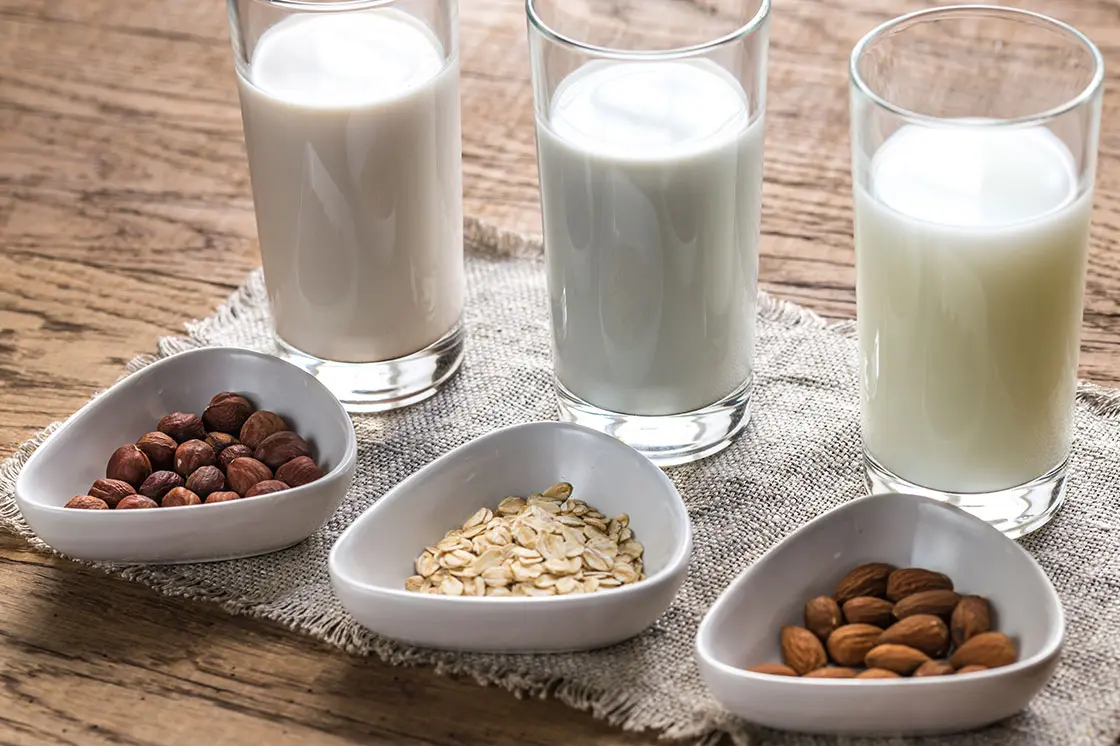

In recent years, the shift towards plant-based and non-dairy products has become more than just a passing trend—it’s a lifestyle choice for millions. Non-dairy ingredients, including almond milk, soy yogurt, oat creamers, and coconut-based cheeses, have popped up in every grocery store, cafe, and even fast-food chain menu. But the key question remains: are these non-dairy alternatives actually healthier choices than their dairy counterparts? Let’s delve into this topic by exploring both the science behind non-dairy products and the real-world implications of making these dietary switches.
What Are Non-Dairy Ingredients?
Non-dairy ingredients refer to products made without animal-derived components like milk, butter, cheese, or cream. These ingredients often replace traditional dairy in recipes or packaged foods. The rise of non-dairy alternatives coincides with the growing popularity of plant-based diets, food allergies, lactose intolerance, and ethical concerns about animal welfare.
Common non-dairy ingredients include:
- Plant-based milks (almond, oat, soy, rice, coconut, and hemp)
- Non-dairy yogurts (made from soy, almond, or coconut)
- Non-dairy cheeses (often made from nuts, soy, or coconut oil)
- Non-dairy butters (such as those made from avocado or oils)
- Non-dairy ice creams (usually based on coconut milk, almond milk, or cashews)
These products provide an alternative for people who have lactose intolerance, are vegan, or choose non-dairy for health reasons. But are they healthier? Let’s look at the details.
Nutritional Differences: Non-Dairy vs. Dairy
When we talk about health, the term “healthier” can be somewhat subjective. Health can be measured in various ways: nutritional value, long-term benefits, digestibility, and even ethical or environmental considerations. So, let’s first explore the nutritional differences.
Protein Content
One of the key nutrients found in dairy products is protein. Milk, cheese, and yogurt are rich in high-quality protein, which contains all nine essential amino acids. This makes dairy an excellent protein source, especially for muscle building and maintenance.
Most non-dairy milks, on the other hand, are not high in protein, especially those made from rice or almond milk. While soy milk and pea protein milk can offer comparable protein content, they might still lag behind dairy in terms of amino acid profile. For instance:
- Soy milk contains about 7-9 grams of protein per cup, which is close to cow’s milk (8 grams per cup).
- Almond milk, however, contains just 1-2 grams per cup.
- Oat milk usually offers around 3 grams per cup.
If you rely on plant-based milks for protein, it’s crucial to check the labels to ensure they’re fortified with protein and other essential nutrients.
Fat Content
Dairy products often come with a hefty serving of saturated fat, especially in full-fat varieties. Saturated fat, when consumed in excess, has been linked to increased cholesterol levels and a higher risk of heart disease.
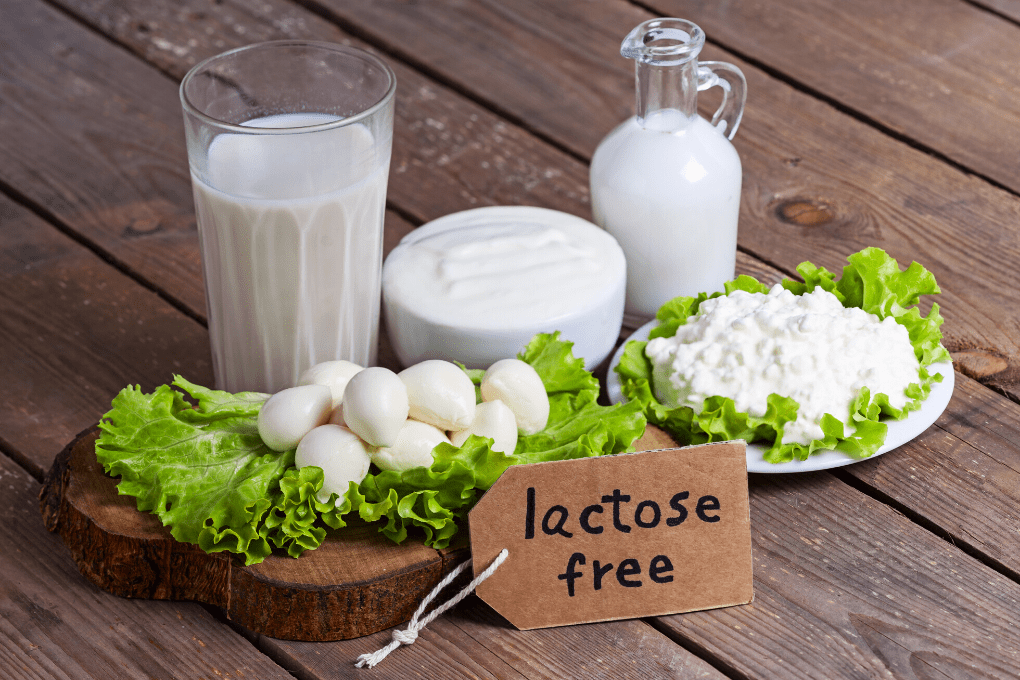
On the flip side, non-dairy alternatives usually contain healthier fats, like polyunsaturated and monounsaturated fats, which are better for heart health. For example:
- Almond milk is low in fat and contains heart-healthy unsaturated fats.
- Coconut milk can be high in saturated fat, similar to dairy cream, which may raise concerns for some health-conscious consumers.
- Oat milk contains a small amount of fiber and unsaturated fats.
While non-dairy options may have healthier fats, it’s worth noting that not all plant-based milks are created equal. Some non-dairy options, especially flavored ones, may contain added sugars that can add up quickly and negatively impact your overall health.
Vitamins and Minerals
Dairy products are excellent sources of several key nutrients, most notably calcium and vitamin D. These nutrients play crucial roles in bone health, muscle function, and even immune support. In fact, many people consume dairy primarily for these reasons.
Non-dairy alternatives, however, often lack these nutrients naturally. This means they are usually fortified to make them nutritionally comparable to cow’s milk. For example:
- Soy milk and almond milk are often fortified with calcium and vitamin D.
- Oat milk may also be fortified with vitamins, including B12, which is not naturally found in plant-based foods.
If you choose non-dairy alternatives, be sure to check the labels for fortification. Otherwise, you could miss out on vital nutrients, especially if you’re relying on these products as a primary milk substitute.
Lactose and Digestion
One of the most common reasons people switch to non-dairy alternatives is lactose intolerance, a condition where the body has difficulty digesting lactose, the sugar found in dairy. Symptoms include bloating, diarrhea, and abdominal pain, and avoiding dairy is the most effective way to prevent discomfort.
Non-dairy options are naturally lactose-free, making them a more digestible choice for those with lactose sensitivity. Plus, many plant-based milks are easier on the stomach for people with digestive issues like irritable bowel syndrome (IBS).
However, if you’re not lactose intolerant, you may not notice any significant benefits in digestion by switching to non-dairy alternatives.
Ethical and Environmental Considerations
Beyond nutritional value, many people opt for non-dairy ingredients for ethical or environmental reasons.

Animal Welfare
For vegans and those concerned about animal welfare, avoiding dairy is a key factor. Dairy farming often involves practices that many consider inhumane, including separating calves from their mothers shortly after birth. Additionally, the process of milk production and animal breeding can contribute to animal distress.
Switching to non-dairy alternatives supports a cruelty-free lifestyle. Products like oat milk, almond milk, and soy milk are free from animal exploitation, offering consumers a more ethical choice when selecting foods.
Environmental Impact
The environmental footprint of dairy farming is considerable. Dairy farming requires large amounts of land, water, and feed, and produces significant amounts of methane—a potent greenhouse gas. On the other hand, plant-based milks tend to have a much lower environmental impact.
For example:
- Almond milk uses less water than dairy farming but still faces criticisms for large-scale almond farming in water-scarce regions.
- Oat milk has a minimal environmental footprint compared to both dairy and almond milk. It requires less water and land and is one of the most sustainable choices.
- Soy milk is similarly considered environmentally friendly, though concerns over deforestation for soy production have raised questions about sustainability.
If your primary concern is reducing your ecological footprint, non-dairy alternatives generally have a lower environmental impact compared to traditional dairy.
The Healthier Choice: Is It Always Clear?
Ultimately, the decision to switch to non-dairy ingredients comes down to individual needs and values. Let’s summarize the key points:
- Non-dairy alternatives can offer a healthier option in terms of lower saturated fat and fewer digestive issues, especially for those with lactose intolerance or allergies.
- Many non-dairy milks are fortified with essential nutrients like calcium and vitamin D, but others may lack protein or other micronutrients unless supplemented.
- Plant-based milks generally have a lower environmental impact, especially in terms of water use and greenhouse gas emissions, making them a more sustainable choice for eco-conscious consumers.
However, not all non-dairy ingredients are automatically healthier. Some are highly processed, filled with additives and sugar, and may contain fewer nutrients than their dairy counterparts. Reading labels carefully is essential.
If you’re looking for specific benefits, such as heart health, digestive health, or an ethical choice that aligns with your values, non-dairy alternatives could very well be the healthier choice. But for those who rely on dairy for its high-quality protein and natural nutrients, non-dairy options might require additional fortification or supplementation to meet your needs.
Conclusion: Make Your Choice
Non-dairy ingredients offer a wide array of options that cater to health, ethical, and environmental concerns. From better digestion for lactose intolerant individuals to a smaller environmental footprint, the advantages are undeniable. But, like any dietary choice, the key lies in balance and being informed. You can enjoy non-dairy products that align with your health goals, but don’t forget to check the nutritional content to ensure you’re not sacrificing important nutrients.
Whether you’re a dedicated vegan, someone with dietary restrictions, or simply someone curious about making the switch, the choice between dairy and non-dairy products ultimately comes down to personal health, preference, and lifestyle.