





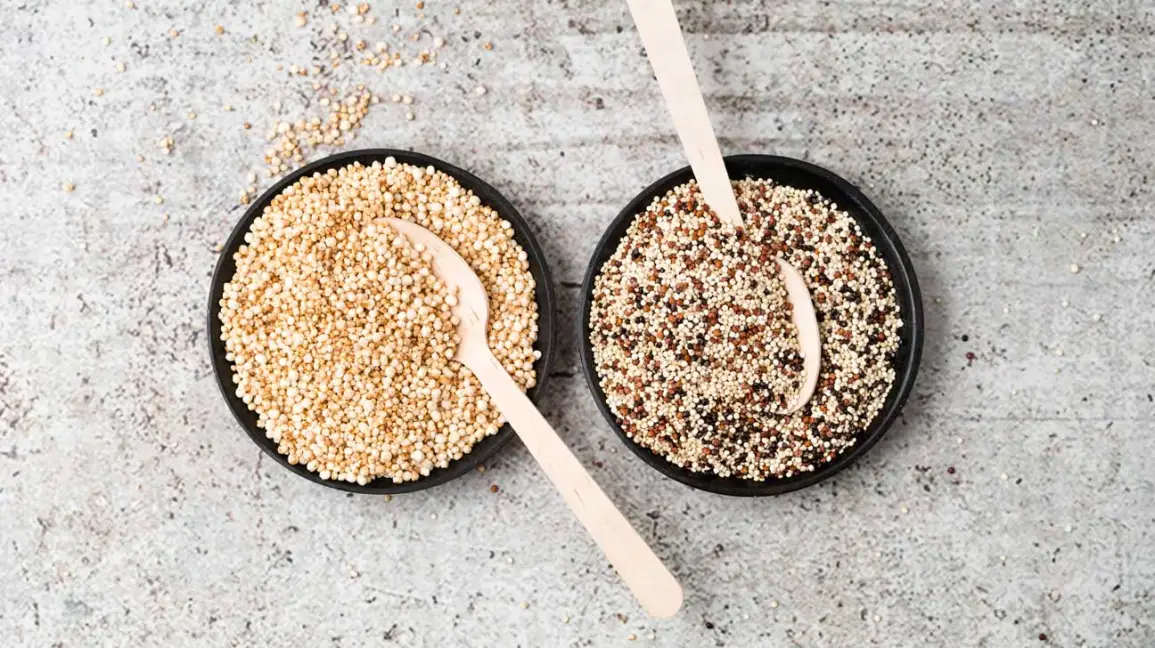

In recent years, ancient grains have moved from the dusty shelves of specialty food stores to mainstream grocery aisles and kitchens worldwide. From quinoa to farro, spelt to teff, these grains are making waves for their nutritional value, sustainability, and versatility in modern cooking. Ancient grains, often referred to as “superfoods,” are not only gaining popularity for their health benefits but also for their ability to bring a unique, rustic flavor and texture to dishes. But what exactly makes these grains such a trend in today’s food culture?
In this article, we will explore the reasons behind the rise of ancient grains, how they fit into contemporary culinary trends, and why chefs and home cooks alike are turning to these time-tested ingredients for inspiration. By the end of this exploration, you’ll have a deeper understanding of what makes ancient grains a trend in modern cooking and how you can incorporate them into your own meals.
1. The Backstory of Ancient Grains
Before diving into the reasons behind their popularity, it’s essential to understand what makes a grain “ancient.” Ancient grains are those that have remained largely unchanged over the centuries, unlike modern, highly processed grains like wheat and corn. These grains, which include varieties like quinoa, millet, spelt, teff, farro, and amaranth, have been cultivated by civilizations for thousands of years. They were staples in the diets of early human societies and were often prized for their nutritional density, resilience, and adaptability to different climates.
The term “ancient” is somewhat of a marketing buzzword today, but in essence, it refers to grains that have not undergone the same degree of modification as modern cereal crops. For example, modern wheat has been bred for higher yields and faster growth, which has led to a reduction in its nutritional value compared to its ancient ancestors.
2. A Nutritional Powerhouse
One of the most significant reasons behind the rise of ancient grains is their superior nutritional profile. These grains pack a punch when it comes to protein, fiber, vitamins, and minerals, making them an excellent choice for anyone seeking to improve their diet.
High in Protein
Ancient grains like quinoa and amaranth are particularly notable for their protein content. Quinoa, for example, is a complete protein, meaning it contains all nine essential amino acids that our bodies cannot produce. This makes it an ideal choice for vegetarians, vegans, or anyone looking to reduce their meat intake while still meeting their protein needs.
Rich in Fiber
Many ancient grains, such as farro and spelt, are rich in dietary fiber. Fiber is essential for digestive health, helps regulate blood sugar levels, and contributes to a feeling of fullness, making these grains a great option for those looking to maintain or lose weight. In contrast, most refined grains are stripped of their fiber during processing, leaving them with little nutritional value.
Packed with Vitamins and Minerals
Ancient grains are also loaded with essential vitamins and minerals. For instance, teff is an excellent source of calcium, iron, and magnesium, while millet offers a rich dose of B vitamins and antioxidants. These micronutrients play crucial roles in everything from bone health to immune function, making ancient grains a valuable addition to any diet.
Gluten-Free Options
For those with gluten sensitivity or celiac disease, ancient grains such as quinoa, millet, and buckwheat offer a gluten-free alternative to traditional grains like wheat and barley. These grains provide a nutrient-dense, naturally gluten-free option for baking and cooking, allowing individuals with gluten intolerance to enjoy a variety of dishes without compromising their health.
3. The Appeal of Sustainability
In an era where sustainability is a key concern for many consumers, ancient grains are proving to be a more environmentally friendly choice compared to conventional crops. These grains are often grown using traditional farming methods, requiring fewer pesticides and fertilizers. Many ancient grains are also more resilient to environmental stressors such as drought, making them an ideal crop for regions facing the effects of climate change.
Less Water Usage
Certain ancient grains, such as quinoa and millet, are drought-resistant and require far less water to grow compared to modern crops like rice or wheat. This is particularly important as water scarcity becomes a more pressing global issue. By choosing ancient grains, consumers can support more sustainable farming practices that are less taxing on the planet’s resources.
Biodiversity and Soil Health
The cultivation of ancient grains also helps promote biodiversity. These grains are often grown in rotation with other crops, helping to maintain soil health and reduce the need for synthetic fertilizers. By choosing to include ancient grains in our diets, we contribute to farming practices that are both ecologically sustainable and beneficial for the planet’s overall health.
4. The Culinary Versatility of Ancient Grains
Beyond their nutritional benefits and sustainability, ancient grains have also become a trend because of their incredible versatility in the kitchen. They offer a variety of flavors, textures, and cooking methods that appeal to a wide range of culinary tastes.
Unique Flavors and Textures
Each ancient grain has its own distinct flavor profile, allowing chefs and home cooks to experiment with different tastes and textures. For instance, quinoa has a mild, nutty flavor, while farro is hearty with a slightly chewy texture. Spelt has a rich, earthy taste that pairs well with a variety of ingredients, and teff offers a slightly sweet, nutty flavor that shines in both savory and sweet dishes.
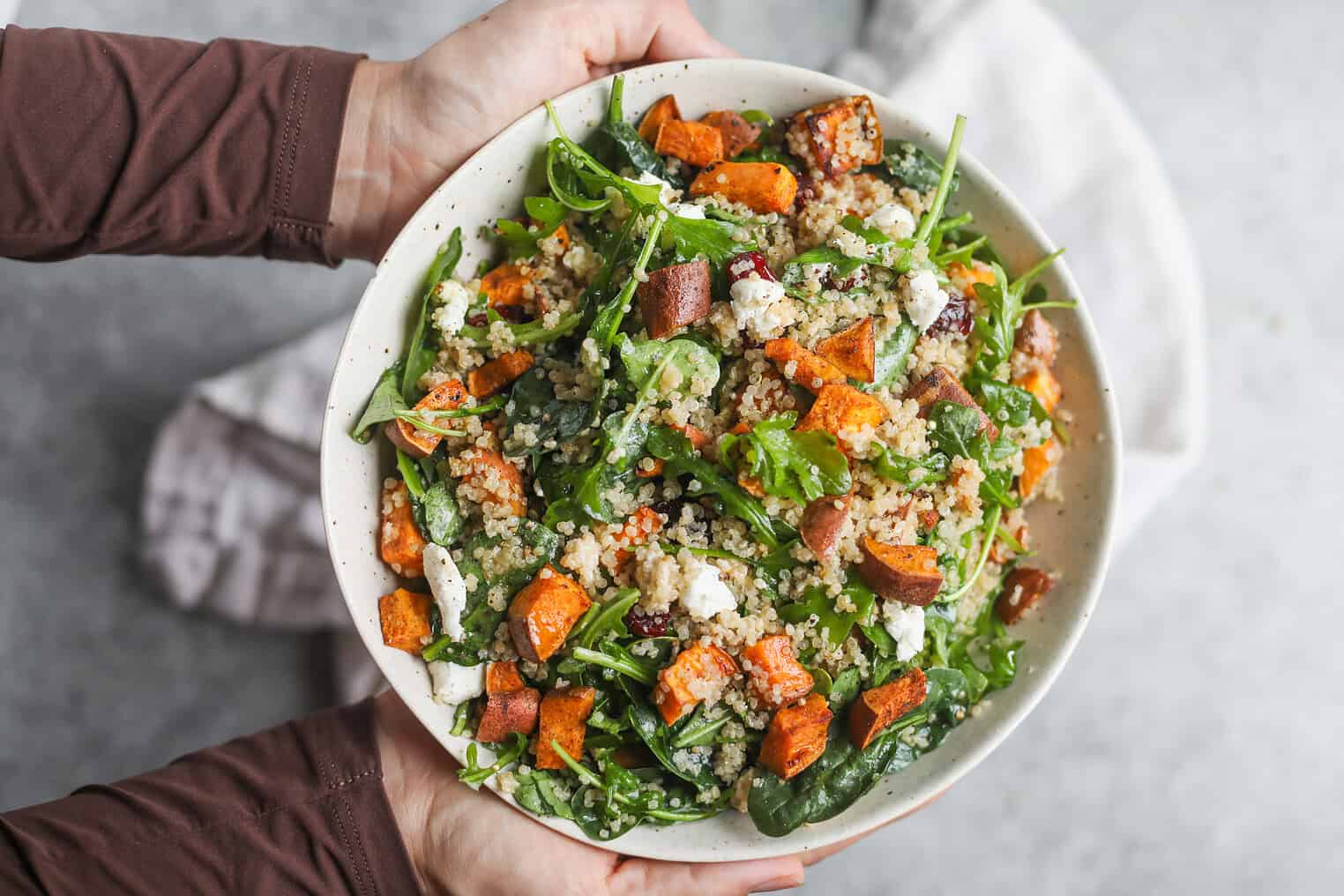
These grains can be used in a variety of ways, from simple grain bowls to salads, soups, and even baking. Whether you’re making a quinoa salad with roasted vegetables or a spelt loaf of bread, ancient grains lend themselves to both creative and traditional recipes, providing a canvas for culinary exploration.

Ancient Grains in Baking
Baking with ancient grains has become particularly popular as more people embrace whole-grain flours for their health benefits. Many bakers are incorporating ancient grains such as spelt, einkorn, and teff into their breads, muffins, and cookies. These grains add complexity of flavor and a denser texture to baked goods, making them a great option for those who prefer a heartier, more satisfying product.
The rise of gluten-free baking has also contributed to the popularity of ancient grains. As people seek alternatives to wheat flour, ancient gluten-free grains like quinoa flour, amaranth flour, and millet flour are becoming staples in the baking world. These flours provide a great foundation for gluten-free cakes, breads, and pastries without sacrificing taste or texture.
Ancient Grains as a Side Dish or Main Course
Ancient grains can serve as a nutritious side dish or the base of a main course. They can be prepared similarly to rice or couscous, but their nutty flavors and chewy textures offer a more substantial eating experience. Farro, for example, is often used in Mediterranean-inspired dishes, where it can be paired with fresh vegetables, grilled meats, or used in soups and stews. Quinoa and millet are also excellent bases for grain bowls, which have become a popular meal option in health-conscious circles.
5. Ancient Grains and the Rise of Plant-Based Eating
The growing popularity of plant-based diets has undoubtedly played a role in the rise of ancient grains. As people look for more sustainable and health-conscious alternatives to meat, ancient grains provide a nutrient-dense source of protein, fiber, and essential vitamins. They are often the building blocks of plant-based meals, whether as a standalone dish or as a complement to vegetables, legumes, and plant-based proteins like tofu or tempeh.
Grain bowls, which combine a variety of ingredients such as roasted vegetables, legumes, greens, and sauces, often feature ancient grains as the base. These bowls offer a balanced, nutrient-packed meal that can easily cater to different dietary preferences, from vegans to vegetarians to flexitarians.
6. Ancient Grains in Global Cuisine
Ancient grains have been embraced by global cuisines for centuries, and as interest in international flavors continues to grow, these grains are seeing a resurgence. Many traditional dishes from cultures around the world are based on ancient grains, making them an essential component of diverse culinary traditions.
For instance, quinoa has long been a staple of Andean cuisine, while millet is commonly used in African and Indian dishes. Teff is a cornerstone of Ethiopian cuisine, where it is used to make injera, a sourdough flatbread. As food cultures continue to cross borders and blend in exciting new ways, ancient grains are taking center stage in both traditional and fusion recipes.
7. Health-Conscious Consumers and Ancient Grains
With growing awareness of the impact of diet on overall health, many consumers are opting for nutrient-dense, minimally processed foods. Ancient grains fit perfectly into this trend, offering a healthier alternative to refined grains and processed foods. Whether it’s for weight management, improved digestion, or heart health, incorporating ancient grains into one’s diet can provide a range of benefits that appeal to health-conscious eaters.
The fact that these grains are often free from additives, preservatives, and other synthetic chemicals further enhances their appeal. For individuals seeking a more natural, whole-food diet, ancient grains offer a clean, unprocessed option that can easily be integrated into everyday meals.
8. Conclusion
Ancient grains are far more than just a passing food trend; they represent a return to more traditional, nutrient-dense ingredients that align with modern culinary, health, and environmental values. From their impressive nutritional benefits to their versatility in the kitchen, ancient grains are reshaping the way we think about food. As interest in sustainability, plant-based eating, and global cuisine continues to grow, it’s likely that these ancient grains will remain an essential part of the culinary landscape for years to come.
If you haven’t yet explored the world of ancient grains, now is the perfect time to start. Whether you’re looking to add variety to your meals, boost your nutritional intake, or support sustainable farming practices, ancient grains are an exciting, delicious, and wholesome addition to any kitchen.