







In today’s hyperconnected world, planning a trip without reading customer reviews is almost unthinkable. Hotel reviews dominate the decision-making process, from choosing a budget inn to booking a five-star luxury suite. But can we really trust them? Are they genuine reflections of other travelers’ experiences, or are they carefully curated illusions designed to influence our choices? Let’s take a deep dive into the world of hotel reviews and figure out if they’re worth your time—or if they’re just digital smoke and mirrors.
The Allure of Reviews: Why We Depend on Them
It’s easy to understand why travelers are hooked on reviews. They offer a glimpse into a place we haven’t visited yet. A five-star rating feels like a golden stamp of approval, while a one-star review sparks caution. Reviews create a sense of safety in uncertainty, a digital handshake saying, “Trust me, I’ve been there.”
Psychologically, humans are wired to rely on social proof. If ten strangers claim the hotel had terrible service, our brain tends to assume it’s likely true. Conversely, dozens of glowing accounts make a hotel irresistible. This phenomenon explains why platforms like TripAdvisor, Booking.com, and Google Reviews have skyrocketed in popularity—they transform subjective experiences into quantifiable, scannable data.
However, while reviews are persuasive, their reliability is far from guaranteed.
The Dark Side of Reviews: Manipulation and Bias
Here’s where things get tricky. Not all reviews are authentic. Some are outright fake, created by marketing teams to boost ratings or by disgruntled competitors to sabotage them. The motive behind each review can skew the perception of a hotel dramatically.
Fake Positive Reviews: Many hotels or third-party agencies pay people to write glowing reviews. A polished narrative of “perfect service, luxurious rooms, and unforgettable experiences” can mask mediocrity, making the hotel appear far better than reality.
Fake Negative Reviews: On the flip side, competitors may plant negative feedback, exaggerating minor inconveniences to deter potential guests. A single narrative about “bedbugs” or “rude staff” can seriously affect booking rates, even if it’s untrue.
Cognitive Bias in Genuine Reviews: Even honest reviews are shaped by perception. Travelers’ expectations, cultural backgrounds, and personal moods can influence what they consider a good or bad experience. A five-star hotel for one guest might feel impersonal and cold for another.
The Halo Effect: When a traveler has a generally positive or negative impression of a hotel, they tend to rate every aspect accordingly, even if some elements are average. This bias can distort overall ratings.
Reading Between the Lines: How to Identify Reliability
Not all hope is lost, though. Experienced travelers have developed strategies to sift through the noise and spot trustworthy reviews.
1. Look for Consistency Across Platforms
A hotel with five stars on one site but two stars elsewhere should raise eyebrows. Genuine feedback usually has some level of consistency. Cross-checking platforms helps detect anomalies.
2. Analyze Review Content, Not Just Scores
Numbers alone are misleading. A hotel with thousands of 5-star ratings may still have issues. Reading the text provides context. Look for detailed descriptions of service, amenities, and cleanliness. Reviews that provide specific anecdotes tend to be more credible than vague praise like “amazing stay!”
3. Beware of Extreme Polarity
A mix of moderate reviews (3–4 stars) is often more trustworthy than only extremely high or low scores. Extreme reviews are more likely to be biased or fake.
4. Check Reviewer Credibility
Profiles with multiple reviews over time, especially those including photos, tend to be more reliable. Anonymous, single-review accounts are red flags.
5. Spot Unusual Language Patterns
Repetitive phrases, overly promotional language, or vague superlatives can indicate fake reviews. Authentic reviews often include minor complaints or specific details that make them relatable.
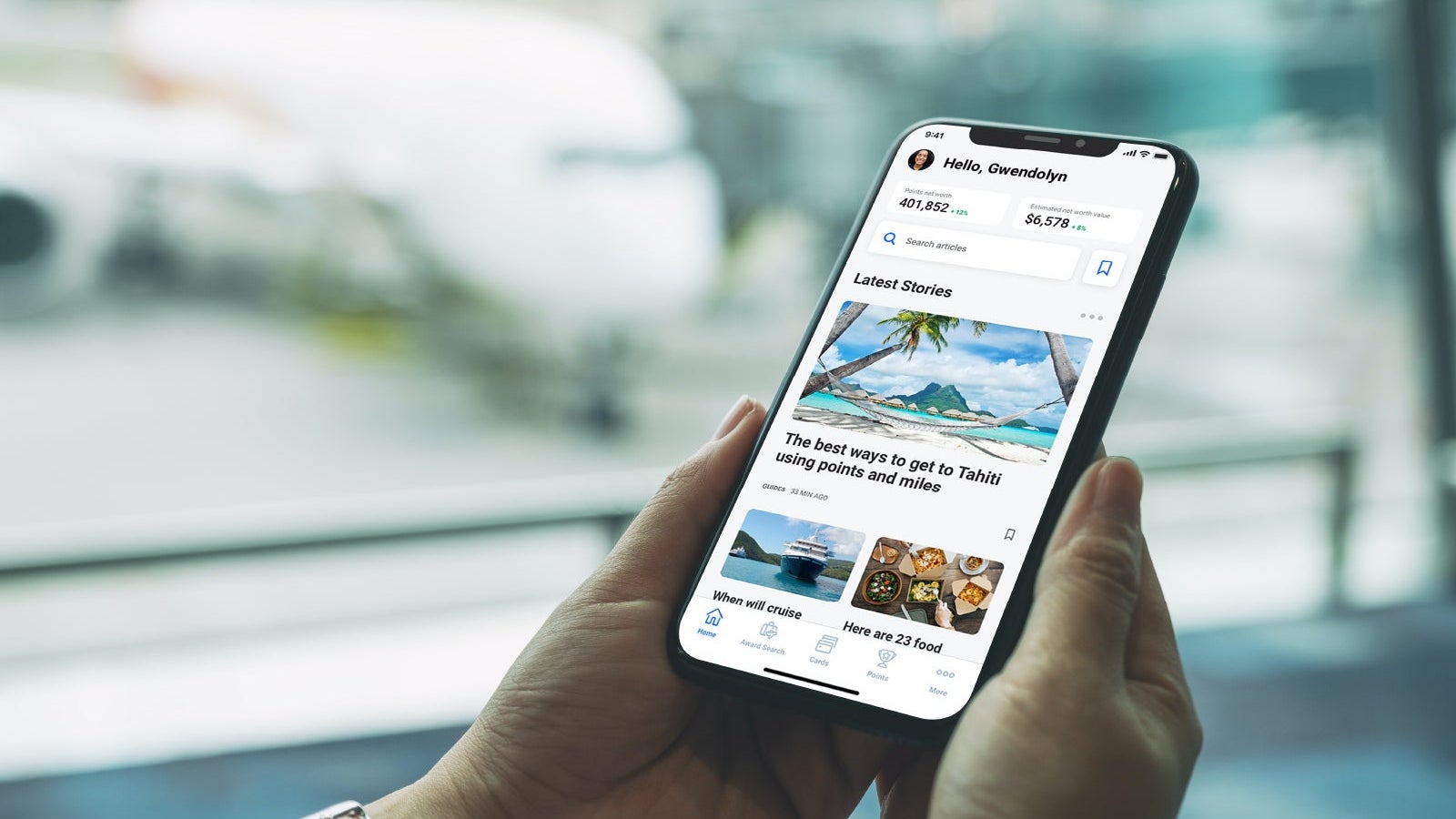
The Influence of Pictures in Reviews
Images play a massive role in shaping our perception. A photo of a pristine pool or a luxurious suite can make a hotel irresistible. However, these images are often carefully curated. Professional shots highlight the best angles and avoid imperfections. Even customer-uploaded photos can be misleading—they may capture one moment of perfection while ignoring other flaws.
Some savvy travelers use images to cross-verify reviews. Multiple user-uploaded images showing consistent conditions increase trustworthiness. Conversely, a lack of genuine images or heavily edited photos should trigger caution.
The Role of Timing in Reviews
Timing matters. A hotel may have been renovated recently, or its staff could have changed. A glowing review from three years ago may no longer reflect current conditions. Conversely, a bad review from five years ago could exaggerate a minor, resolved issue.
Seasonal variations also affect reviews. During peak tourist seasons, service may be slower, impacting ratings. Off-season experiences might be more relaxed. Considering the date and context of reviews can prevent misleading conclusions.
The Psychology Behind Review Writing
Understanding why people write reviews helps interpret them better. Most reviewers are motivated by emotion, not objectivity. Negative experiences tend to provoke stronger reactions than positive ones. This “negativity bias” explains why some hotels seem worse than they really are.

Positive reviewers, meanwhile, often seek to share joy or gratitude. They’re less motivated to critique small flaws. This asymmetry creates a skewed landscape, with extremes dominating online platforms.
The Statistical Reality
Studies (without specific citations here) suggest that up to 20–30% of online reviews could be fake or manipulated. Even genuine reviews carry subjective bias. A single traveler’s opinion can’t capture the full spectrum of experiences.
Yet, when aggregated, reviews can still provide a useful picture. Looking at trends, common complaints, and repeated praise across multiple sources often approximates reality closely enough to guide decision-making.
Tips for Travelers: How to Use Reviews Wisely
- Combine Multiple Sources
Don’t rely on one platform. Cross-check reviews on TripAdvisor, Booking.com, Google, and even social media. - Focus on Patterns, Not Isolated Comments
If multiple guests mention “slow check-in” or “noisy air conditioning,” it’s probably a legitimate concern. - Prioritize Recent Reviews
Focus on the last 6–12 months to get an accurate snapshot of current conditions. - Use Reviews to Set Expectations, Not Dictate Decisions
Reviews are tools to help plan, not absolute truth. Be ready for surprises, both positive and negative. - Engage with Hotel Staff When Possible
Sometimes asking the hotel questions directly or checking their social media can provide real-time insights beyond what reviews capture.
Beyond Reviews: Other Indicators of Quality
While reviews are powerful, other factors can guide smart decisions:
- Official Hotel Ratings: Star ratings, accreditation, and certifications still carry weight.
- Amenities and Policies: Look at facilities, cancellation policies, and services.
- Location and Accessibility: Even a perfect hotel is inconvenient if it’s far from attractions or public transit.
- Word of Mouth: Friends, family, or travel communities can provide personal, trustworthy advice.
Case Study: The Luxury vs. Budget Dilemma
Luxury hotels often have marketing teams monitoring reviews closely. They can respond quickly, sometimes even suppressing negative feedback. Budget hotels, with less online management, may appear riskier online, but sometimes deliver surprisingly authentic experiences.
Travelers chasing five-star reviews may miss hidden gems with genuine charm, while those avoiding low-rated hotels might overlook affordable stays that exceed expectations.
Conclusion: A Balanced Approach
Can you really rely on customer reviews for hotels? The answer is nuanced: Yes, but cautiously. Reviews are useful, but they are neither infallible nor entirely objective. Recognizing bias, detecting fake feedback, and analyzing patterns instead of isolated opinions can help you make smarter travel decisions.
The most successful travelers combine reviews with personal judgment, research, and a healthy dose of skepticism. Think of reviews as a compass rather than a map—helpful for direction, but not a guarantee of what you’ll actually find. In the end, your experience may be shaped as much by your expectations and attitude as by the hotel itself.
By learning to read between the lines, evaluate credibility, and embrace a balanced perspective, you can navigate the chaotic world of hotel reviews and find accommodations that truly match your needs.