





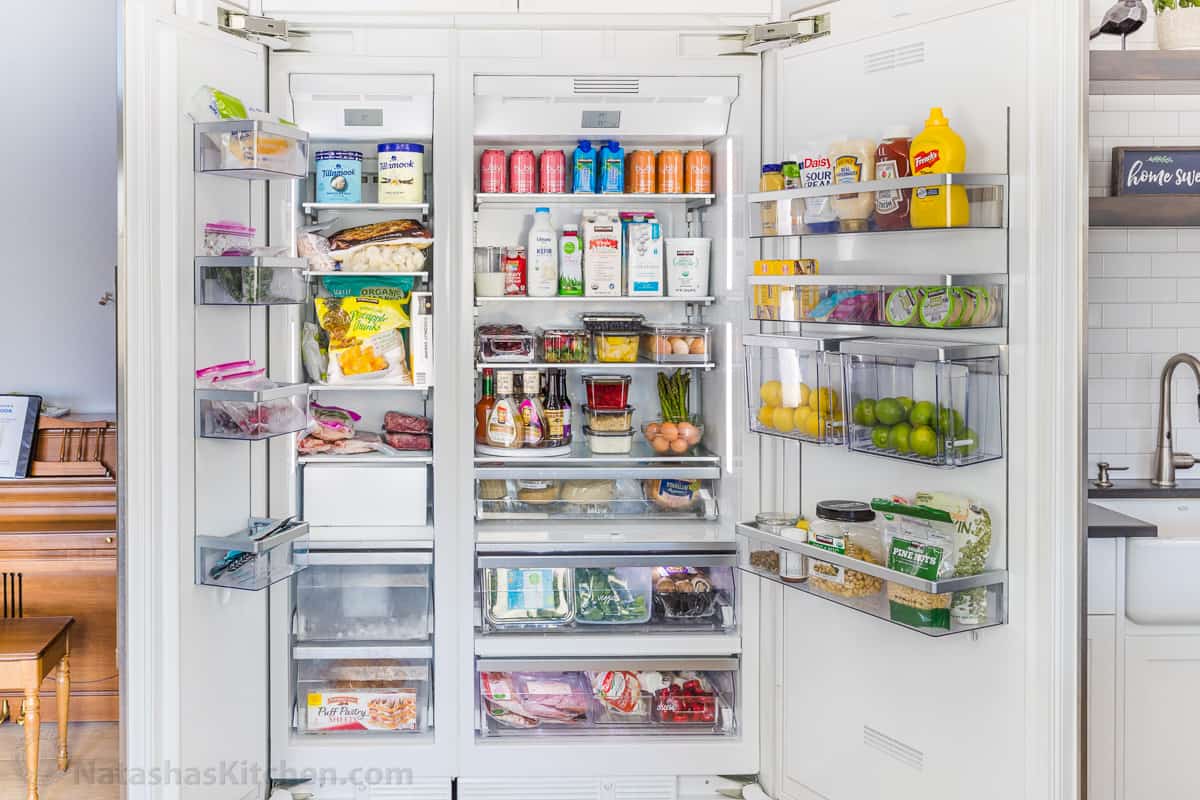

When it comes to cooking, one of the most critical aspects often overlooked is how we store our ingredients, particularly the perishable ones. Proper storage not only ensures that the ingredients maintain their freshness but also extends their shelf life, preventing food waste and saving you money. This article will dive deep into the best ways to store perishable ingredients, covering fruits, vegetables, dairy, meats, and other perishables in your kitchen.
1. Understanding Perishable Ingredients
Perishable ingredients are foods that spoil or degrade quickly due to their moisture content, enzymes, or microbial activity. Unlike canned goods or dried foods, these ingredients require careful handling to prevent contamination or decay. Some of the most common perishable items are:
- Fresh Fruits & Vegetables
- Meats & Poultry
- Dairy Products
- Seafood
- Baked Goods (especially those with fresh ingredients)
Knowing how each of these ingredients reacts to different storage methods is key to preserving their taste, texture, and nutritional value.
2. The Power of Refrigeration
Refrigeration is one of the most essential tools for keeping perishables fresh. However, not all ingredients need the same type of cold treatment. Let’s break down how different types of food benefit from refrigeration:
2.1 Fresh Fruits & Vegetables
Most fruits and vegetables should be stored in the fridge to slow down the ripening process. However, there are exceptions. For instance, bananas, tomatoes, and avocados are best kept at room temperature until they ripen, as chilling them can impair their flavor and texture.
Tip: Store leafy greens, herbs, and berries in perforated plastic bags in the crisper drawer to maximize airflow, preventing them from wilting. Root vegetables like potatoes, onions, and garlic should be kept in a cool, dry place outside the fridge.
2.2 Meat and Poultry
Meats, poultry, and fish should always be stored in the fridge at or below 40°F (4°C). These items can deteriorate rapidly due to bacterial growth, so it’s crucial to handle them carefully. Always place meat in airtight containers or resealable bags to prevent contamination from juices that can spread to other foods.
Tip: Freeze meat if you don’t plan to use it within a few days. Properly wrapped meat can last for months in the freezer.
2.3 Dairy Products
Milk, cheese, butter, and yogurt are all highly perishable, requiring storage at a constant, cool temperature. Always return dairy to the fridge immediately after use, and keep them tightly sealed to prevent exposure to air.
Tip: Hard cheeses last longer than soft cheeses. For milk, store it on the middle or top shelf to maintain a consistent temperature.
3. Freezing: The Ultimate Preservation Method
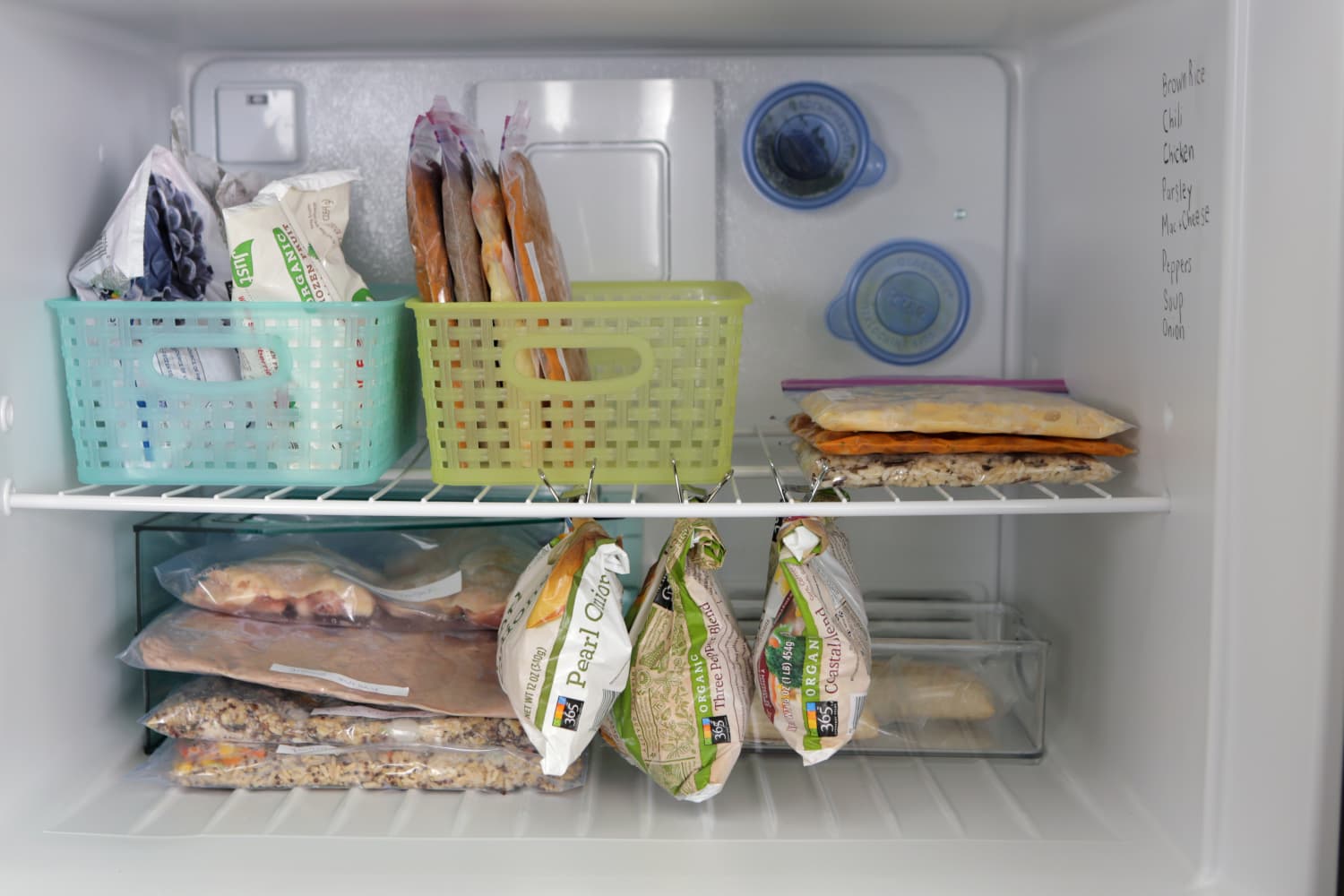
Freezing is another excellent method for prolonging the shelf life of many perishables. Freezing slows down the growth of bacteria and preserves the nutritional value of foods for months. However, it’s essential to know the right way to freeze ingredients to prevent freezer burn and maintain quality.
3.1 Freezing Meat & Poultry
When freezing meats, use heavy-duty freezer bags or airtight containers to prevent exposure to air. Remove as much air as possible from the packaging to avoid freezer burn. Label each item with the date of freezing to keep track of how long it has been stored.
Tip: For extra protection, you can wrap meat in plastic wrap or foil before placing it in a freezer bag.
3.2 Freezing Fruits and Vegetables
Some fruits and vegetables, such as berries, peaches, spinach, and peas, freeze well. Before freezing, wash and chop them into smaller, manageable portions. Some vegetables, like broccoli and carrots, benefit from blanching (briefly boiling them before freezing), which helps preserve color, flavor, and texture.
Tip: For fruits like apples or peaches, dip them in lemon juice to prevent browning before freezing.
3.3 Freezing Dairy Products
While some dairy products, like cheese and butter, freeze well, milk and cream can change in texture and taste. Freeze milk in containers that allow for some expansion, as liquids expand when frozen.
Tip: When freezing butter or cheese, slice them into smaller portions to defrost only what you need.
4. The Art of Dry Storage
Not everything perishable needs to be refrigerated or frozen. Some items, like certain fruits, nuts, and grains, thrive in dry, cool environments. Proper storage in dry conditions can extend shelf life while preventing mold and spoilage.
4.1 Grains and Legumes
Grains, rice, pasta, and dried beans should be stored in airtight containers in a cool, dry place. This helps protect them from moisture, which can lead to mold or the growth of insects.
Tip: For extra long-term storage, vacuum-sealing grains or storing them in mylar bags with oxygen absorbers can increase their shelf life by years.
4.2 Root Vegetables and Onions
Root vegetables, such as potatoes, onions, and garlic, should be kept in a cool, dark, and dry place. Light and moisture cause sprouting or mold. Avoid refrigerating potatoes, as the cold turns their starch into sugar, making them sweeter but also affecting their texture.
Tip: Store potatoes in a well-ventilated container to prevent them from sweating and spoiling.
4.3 Baked Goods
Freshly baked goods, especially those with high moisture content like cakes and muffins, are best consumed quickly. However, if you need to store them for longer, freezing is a good option. For cookies, bread, and other pastries, airtight containers will protect them from becoming stale.
Tip: For bread, slice it before freezing so you can easily take out just the amount you need.
5. Packaging Matters: Using the Right Containers
The container you use for storing perishables is just as important as the storage method. The right packaging can make all the difference in maintaining freshness.
5.1 Airtight Containers
For most perishable items, airtight containers help prevent exposure to air, which can cause spoilage. Choose glass containers, which are often better than plastic because they do not absorb odors and are more durable.
5.2 Vacuum Sealing
Vacuum-sealing removes air from the bag or container, which is excellent for meats, vegetables, and even dry goods. This method is perfect for long-term storage, as it significantly extends shelf life.
Tip: A vacuum sealer is especially useful for meal prepping and storing bulk ingredients.
5.3 Paper vs. Plastic
When storing fruits and vegetables, using paper towels inside containers can help absorb excess moisture, reducing the chances of mold and spoilage. For leafy greens, use a paper towel to line the storage container and replace it as it absorbs moisture.
6. Keeping Track: The Importance of Organization
Proper organization of your perishables can save you time, reduce waste, and help maintain the quality of your ingredients. Using a first-in, first-out (FIFO) method, where older ingredients are used first, can keep your fridge and pantry organized and efficient.
6.1 Labeling
Labeling your stored food with the date you purchased or prepared it is essential for maintaining freshness. This ensures that you use your ingredients within a safe timeframe.
Tip: Use clear, color-coded stickers or a marker to keep track of expiry dates.
6.2 Keep Your Fridge Clean
Regularly clean your fridge to prevent the buildup of bacteria, mold, or other contaminants that can spread to your ingredients. A clean fridge also helps with airflow and temperature regulation.
7. Smart Storage for Special Ingredients
Certain ingredients require unique storage methods. Let’s take a look at a few examples.
7.1 Fresh Herbs
Fresh herbs can be tricky to store. For short-term use, store herbs like basil, cilantro, and parsley in a jar of water on the counter. For longer storage, wrap them in damp paper towels and place them in a ziplock bag in the fridge.
7.2 Eggs
Eggs should be stored in their original carton in the coldest part of the fridge. This helps prevent moisture loss and contamination.
7.3 Fresh Seafood
Seafood is incredibly perishable, and it should be consumed within 24 hours if not frozen. Keep it on a bed of ice in the fridge to preserve its freshness.
Conclusion
Storing perishable ingredients the right way ensures that your food stays fresh, safe, and nutritious for as long as possible. Whether it’s through refrigeration, freezing, or dry storage, the key is understanding the unique needs of each food item. By using airtight containers, organizing your kitchen, and following proper storage practices, you can prevent waste and enjoy fresh ingredients every time you cook.