





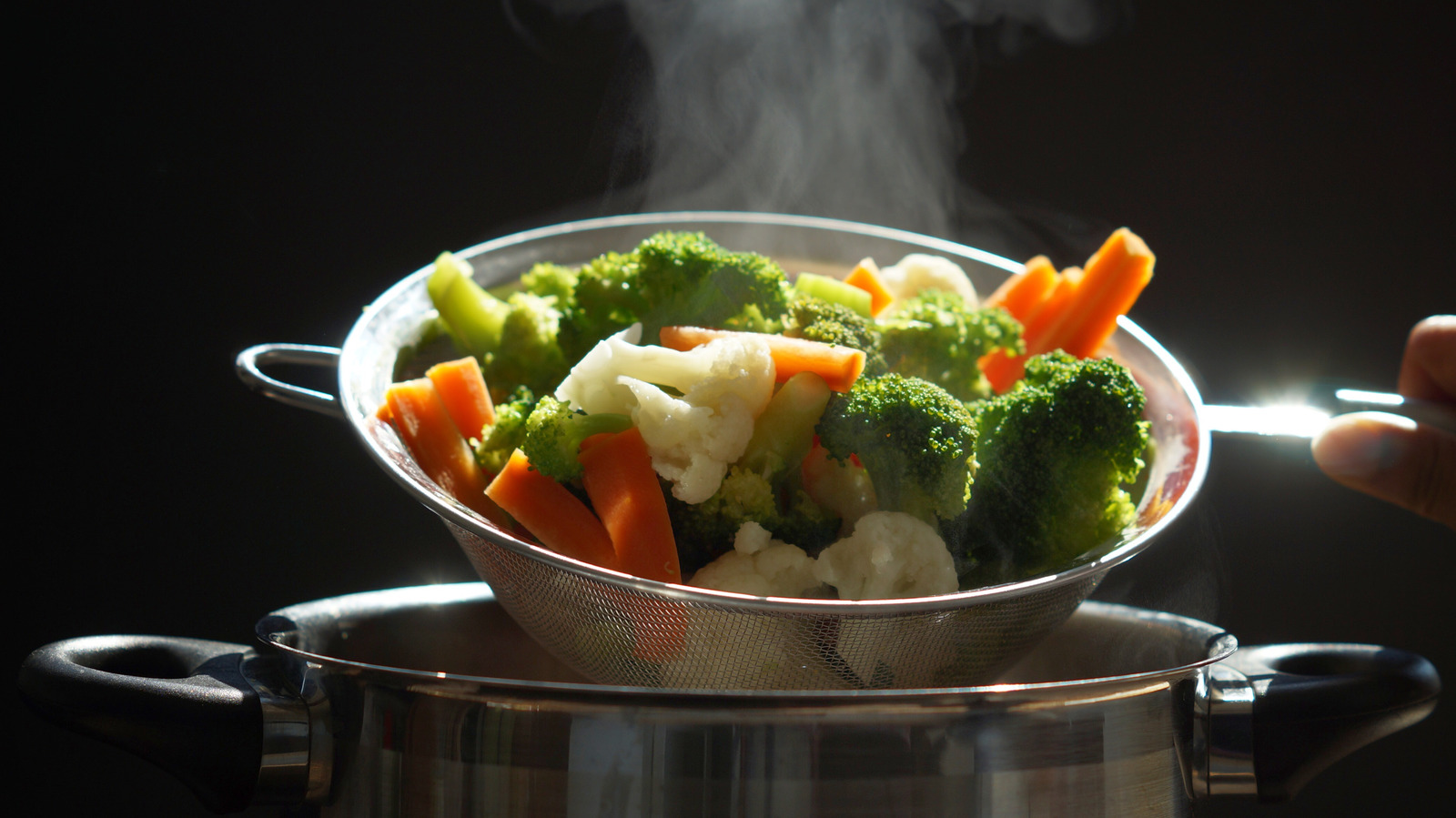

In the fast-paced world of modern cooking, the appeal of speed and convenience often leads to overcooking our food. While the sizzle and aroma of a dish can be enticing, it’s essential to recognize that cooking techniques, especially those involving high heat or long cooking times, can significantly alter the nutritional content of the ingredients. In this article, we explore the scientific impact of overcooking on your food and what happens to the valuable nutrients when they are exposed to excessive heat.
1. The Chemistry of Cooking: Heat and Nutrients
When you cook food, heat breaks down complex compounds in ingredients. This process, known as denaturation, can affect both the structure and the nutritional value of the food. While cooking generally makes certain nutrients more bioavailable (such as lycopene in tomatoes or beta-carotene in carrots), overcooking can have the opposite effect.
Enzyme Deactivation
First, let’s talk about enzymes. These are proteins that help break down food and assist in digestion. Overheating destroys these enzymes, especially those in vegetables and fruits. For instance, vitamin C, which is a water-soluble vitamin, is extremely sensitive to heat. When exposed to temperatures above 70°C (158°F), the enzyme that helps absorb and transport vitamin C becomes inactive, reducing the nutrient’s effectiveness.
Heat-Induced Chemical Reactions
Overcooking also leads to chemical changes, particularly the Maillard reaction, which occurs when sugars and proteins react under heat. While this reaction adds flavor and color, it can also degrade beneficial compounds in foods, such as antioxidants. Excessive cooking of certain vegetables, for example, can lead to the degradation of polyphenols, which are known for their anti-inflammatory properties.
2. The Impact on Specific Nutrients
Vitamin Loss
Vitamins are among the most sensitive nutrients when it comes to overcooking. Let’s break down how specific vitamins are affected:
- Vitamin C: This essential nutrient, known for its immune-boosting properties, breaks down rapidly when exposed to high heat. Overcooking vegetables like broccoli, bell peppers, and spinach can lead to a substantial loss of vitamin C, sometimes as much as 50% or more.
- B Vitamins: Heat, water, and cooking time all influence the stability of B vitamins. Vitamin B1 (thiamine), B2 (riboflavin), and B3 (niacin) can all be lost in significant amounts with overcooking. These vitamins play crucial roles in metabolism and energy production, making their preservation important.
- Vitamin A: Found in abundance in carrots, sweet potatoes, and spinach, vitamin A is more heat-stable than other vitamins. However, excessive heat can still cause some degradation, especially if the food is cooked for an extended period.
Minerals: Less Affected, But Still Vulnerable
Minerals like calcium, magnesium, and potassium are more stable than vitamins when subjected to heat. However, overcooking can still lead to mineral loss, especially when the cooking water is discarded, as is often the case with boiling vegetables. Many minerals leach out into the cooking water, meaning if you don’t use that water for a sauce or soup, the nutrients are lost.
For example, potatoes and spinach, when overcooked, can lose significant amounts of potassium and magnesium, both of which are essential for maintaining nerve function and muscle contraction.
Fiber: The Unsung Hero
Fiber, found in plant-based foods like fruits, vegetables, legumes, and whole grains, is one nutrient that isn’t easily destroyed by cooking. However, overcooking can cause it to break down into simpler sugars, potentially affecting its health benefits. While fiber itself is stable, the gut-health benefits derived from its structure might be diminished when food is overcooked.
3. The Role of Cooking Method
While overcooking is a common culprit in nutrient degradation, the way food is cooked plays a huge role in determining how nutrients are retained or lost. The choice of cooking method can either minimize or exacerbate nutrient loss. Let’s take a closer look at the most common cooking techniques.
Boiling and Steaming: High Risk for Nutrient Loss
Boiling is often a go-to method for preparing vegetables and grains, but it comes with a significant nutrient loss. When food is boiled for too long, water-soluble nutrients like vitamins B and C leak into the water, which is typically discarded. Steaming, on the other hand, is less harsh, as it preserves more nutrients by keeping them intact in the food and not in the water.
Roasting and Grilling: Potential for Beneficial Caramelization
While grilling and roasting at high temperatures can enhance flavors through the Maillard reaction, they can also cause the loss of volatile nutrients. However, they tend to preserve vitamins like vitamin A and D, which are fat-soluble and more resistant to heat. To prevent nutrient loss, it’s crucial not to overcook the food, especially with delicate vegetables like zucchini or peppers.
Sautéing: Quick Cooking, but Be Careful of Overheating
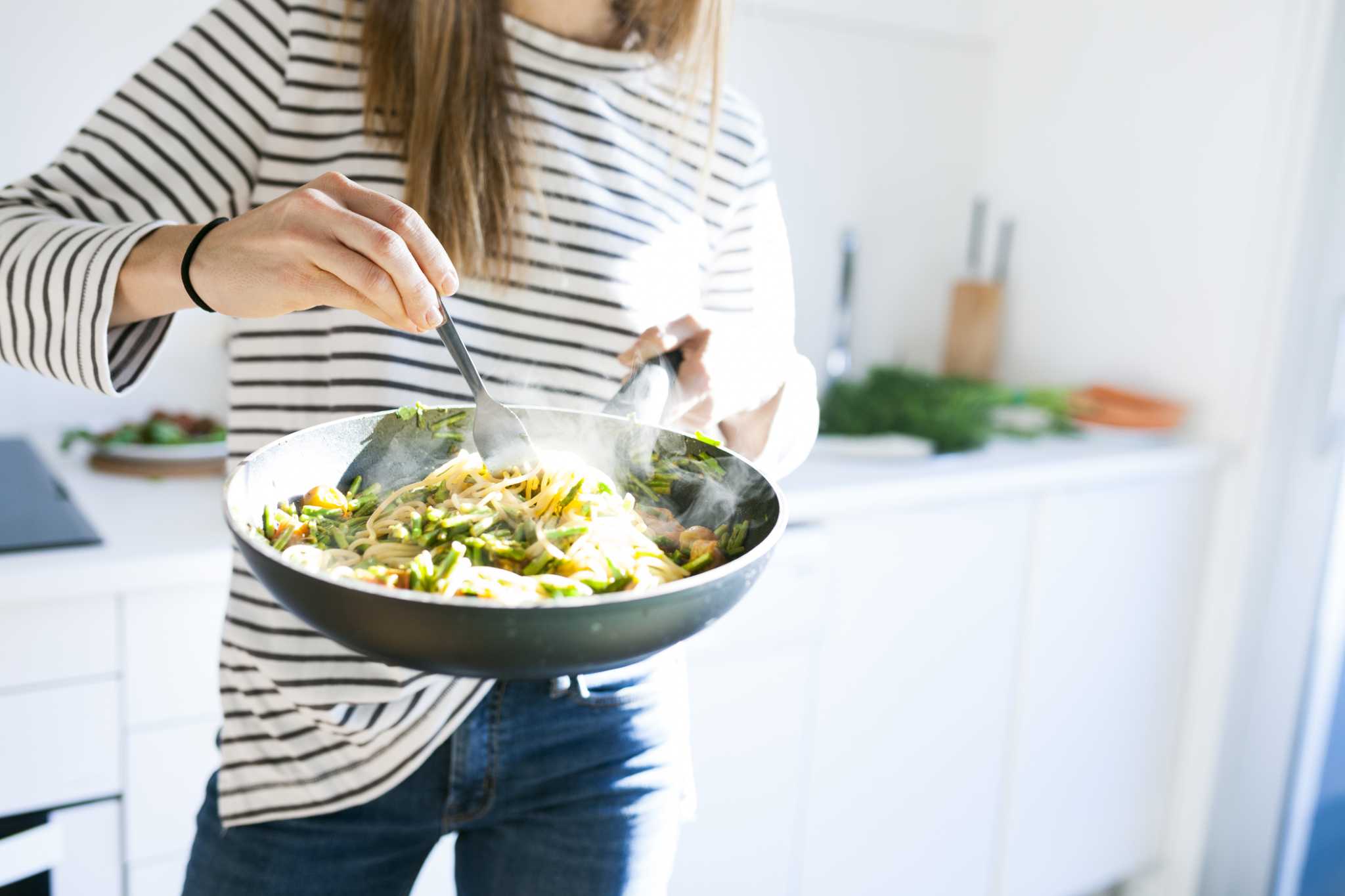
Sautéing involves cooking food in a small amount of oil over medium to high heat, and while it can preserve many nutrients, it’s easy to overdo it. The key is to avoid overheating the oil, as high temperatures can break down healthy fats and cause nutrient degradation.
Frying: The Worst Offender
Frying food is perhaps one of the worst offenders when it comes to nutrient loss. Not only does the high heat destroy sensitive vitamins, but the excessive use of oil can also cause oxidative stress, leading to the formation of harmful compounds. Furthermore, fried foods often lose much of their fiber content, especially when the outer layers of food become crisp and overly charred.
4. Overcooking Meat: What Happens to Protein?

Proteins in meat are particularly susceptible to overcooking. When meat is exposed to prolonged high heat, the protein structures denature, becoming tougher and harder to digest. Overcooking can cause the meat to lose valuable amino acids, which are the building blocks of proteins. This reduces the quality of the protein in your meal and may make it less effective for muscle repair and growth.
Moreover, the high heat of grilling or frying meat can also cause the formation of harmful compounds like heterocyclic amines (HCAs), which are formed when meat is cooked at high temperatures for long periods. These compounds have been linked to an increased risk of cancer, especially when consumed regularly.
5. How to Avoid Overcooking and Preserve Nutrients
Now that we understand what happens when we overcook food, let’s explore some practical tips to help preserve nutrients and keep your meals healthy and delicious.
1. Cook with Shorter Time Frames
Avoid long cooking times. The longer food is exposed to heat, the more nutrients will be lost. For vegetables, aim to cook them for a short time, just enough to soften them or bring out their flavor, but not so long that they become mushy or unappetizing.
2. Use the Right Temperature
Avoid using excessive heat. Whether you’re frying, roasting, or grilling, lower to medium temperatures are best for preserving the nutritional integrity of your food. This ensures that vitamins and minerals are less likely to degrade under heat.
3. Use a Steamer or Microwave
Steaming is one of the best methods for retaining the nutritional content of vegetables. The microwave, when used with minimal water, can also be a great option for cooking quickly while preserving nutrients.
4. Don’t Overcrowd Your Pan
If you’re frying or sautéing, don’t overcrowd the pan. This lowers the temperature of the oil, making it harder to maintain the right cooking conditions, which can lead to overcooking.
5. Minimize Water Use
Whenever possible, cook with minimal water. If you must use water, try to incorporate it into sauces or soups to retain the nutrients that have leached into it.
6. Serve Immediately
Overcooked food continues to lose nutrients even after being removed from the heat. Serving food immediately after cooking helps to preserve its nutritional profile.
6. Conclusion
In summary, while cooking is an essential process that makes food more palatable and safe to eat, overcooking can significantly degrade the nutritional content of your meals. Heat-sensitive vitamins like vitamin C, B vitamins, and antioxidants are particularly vulnerable. By using appropriate cooking methods, such as steaming, quick sautéing, or roasting at moderate temperatures, you can preserve nutrients and make the most of the food you’re preparing.
In the end, the key to maintaining nutrient-rich meals is balance. Cook with care, avoid overcooking, and your body will thank you for the nourishment!