





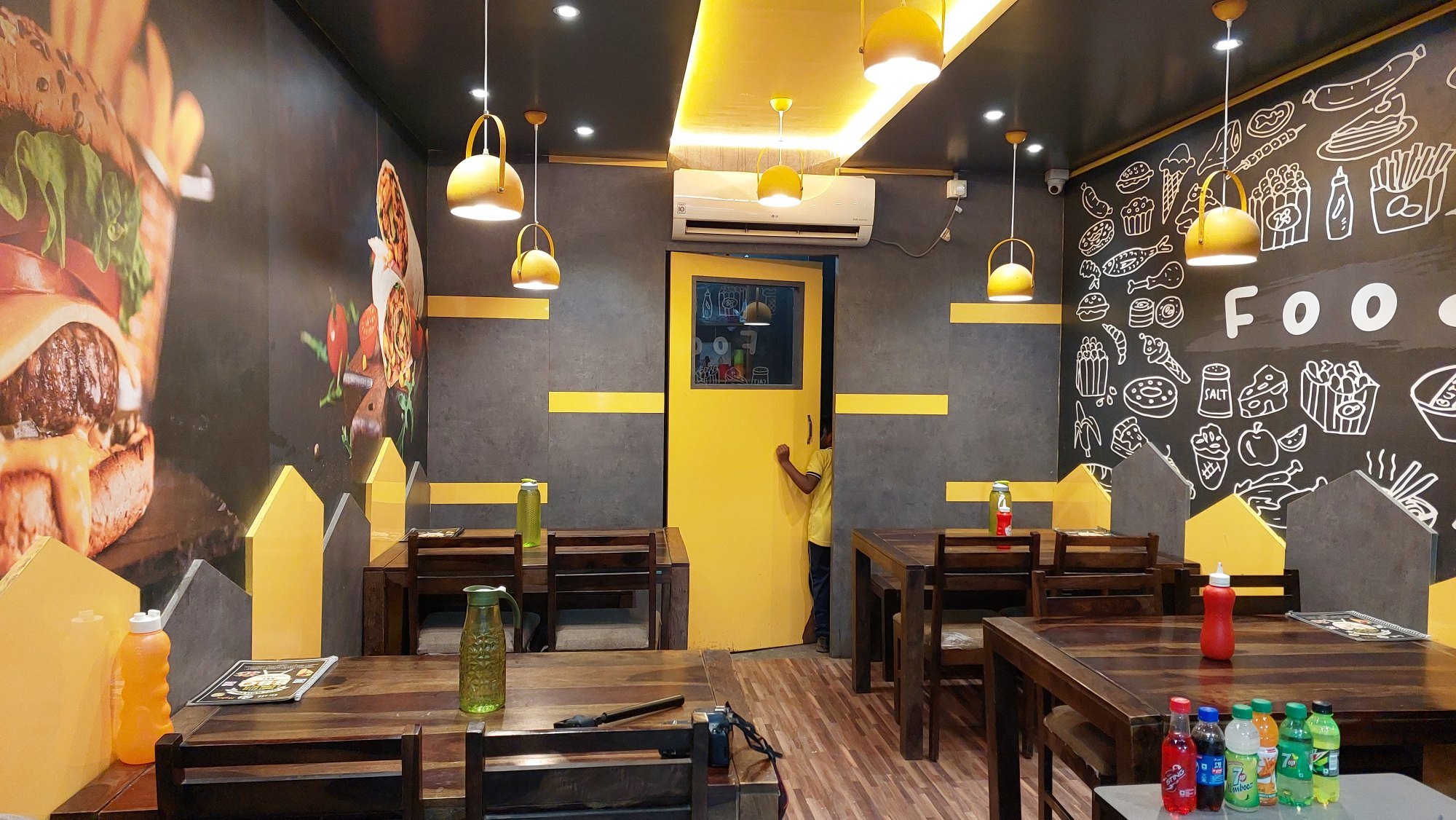

Fast food is everywhere—on street corners, in airports, along highways, inside shopping malls, and now on our phones. It arrives quickly, tastes familiar, and promises convenience in a world that seems perpetually short on time. But beyond the golden arches and paper-wrapped burgers lies a deeper question: is fast food merely responding to the way we live, or is it actively reshaping how we eat, think about food, and even understand ourselves?
This question is not just about calories, nutrition, or health outcomes. It is about culture, technology, economics, psychology, and the subtle ways daily habits become normalized. Fast food is no longer a niche option or an occasional indulgence; it has become a structural force within modern food systems. To understand whether fast food is truly changing the way we eat, we must look beyond menus and marketing and examine how it influences time, taste, social behavior, labor, identity, and the future of food itself.
1. From Novelty to Infrastructure
When fast food first emerged as a recognizable category, it was novel. The idea that a standardized meal could be prepared in minutes, delivered consistently, and consumed almost anywhere felt revolutionary. Early fast food establishments were designed to solve a specific problem: how to feed large numbers of people quickly and affordably in rapidly urbanizing, increasingly mobile societies.
Over time, however, fast food shifted from being a solution to a situation into a structure that shapes behavior. It did not merely fit into existing eating patterns; it reorganized them. Meal times became more flexible. Eating became less tied to the home and more associated with movement—driving, commuting, working. Food became something to be “grabbed” rather than prepared, shared, or lingered over.
As fast food chains expanded, they created an infrastructure of supply chains, logistics, branding, and real estate that reinforced their presence. In many places, fast food outlets are more accessible than grocery stores. This accessibility subtly trains consumers to rely on ready-made food, not because it is inherently preferred, but because it is structurally convenient.
2. Speed as a Dietary Value
One of the most profound ways fast food changes eating habits is by redefining speed as a core value of food. Traditionally, food involved time: time to grow, time to cook, time to eat. Fast food compresses all three. Ingredients are optimized for rapid processing, cooking methods are engineered for efficiency, and consumption is designed to be quick and interruption-friendly.
This emphasis on speed does more than save minutes. It reshapes expectations. When people become accustomed to food arriving in under five minutes, patience for slower meals diminishes. Waiting becomes inconvenient rather than normal. Cooking from scratch can begin to feel inefficient, even irrational, in comparison.
Speed also affects how we experience hunger and fullness. Fast food is often eaten quickly, sometimes without full attention, which can disrupt natural satiety cues. Eating becomes a task to complete rather than an experience to notice. Over time, this can change not only how much we eat, but how we relate to the act of eating itself.
3. Standardization and the Global Palate
Fast food thrives on standardization. A burger in one city is meant to taste like the same burger in another city, often across continents. This consistency builds trust and familiarity, but it also reshapes taste preferences on a global scale.
Standardized flavors—salty, sweet, fatty, umami-rich—become dominant reference points. These flavors are engineered to appeal broadly and trigger pleasure reliably. As they become more common, they can overshadow subtler tastes associated with local or seasonal foods. Over time, consumers may begin to prefer the intensity and predictability of fast food flavors over the variability of traditional cuisines.
This does not mean local food disappears. Instead, it adapts. Many regional dishes are reformulated to be faster, more portable, or more aligned with fast food aesthetics. The result is a hybridization of food cultures, where local identity and global standardization coexist, sometimes uneasily.
4. Portion Sizes and Perception
Fast food has played a significant role in changing perceptions of portion size. Value meals, upsizing options, and promotional bundles subtly encourage consumers to equate quantity with value. When larger portions cost only slightly more, choosing less can feel like a poor decision.
Over time, these larger portions recalibrate what feels “normal.” A serving that once seemed excessive can become standard. This shift is not just physical but psychological. Expectations adjust, and smaller portions may feel unsatisfying even if they meet nutritional needs.

Importantly, this change is not driven solely by consumer desire. It is shaped by pricing strategies, marketing language, and visual cues. Fast food environments are carefully designed to make abundance feel appealing and restraint feel unnecessary.
5. Convenience and the Decline of Culinary Skills
One often-overlooked effect of fast food is its impact on cooking skills. When ready-to-eat food is constantly available, the incentive to learn how to cook diminishes. Cooking, which requires planning, practice, and time, can seem optional rather than essential.
This does not mean people stop cooking entirely, but it changes the role cooking plays in daily life. It may become a hobby, an occasional project, or a special event rather than a routine necessity. As a result, practical knowledge about ingredients, preparation, and food safety may decline over generations.
The loss of culinary skills has broader implications. Cooking is not just about food; it is about agency. Knowing how to cook gives people control over what they eat, how much they spend, and how they adapt to dietary needs. When cooking skills erode, dependence on external food systems increases.
6. Eating Alone, Together, and Anywhere
Fast food has transformed the social context of eating. Traditionally, meals were communal events, structured around shared time and space. Fast food, by contrast, is designed to be flexible and individual.
People eat fast food alone in cars, at desks, while walking, or while scrolling on phones. Eating becomes something that can happen simultaneously with other activities. This multitasking approach to food aligns with modern lifestyles but alters the social meaning of meals.
Even when fast food is eaten with others, the experience is different. Meals are shorter, conversations may be less central, and the environment is optimized for turnover rather than lingering. This does not eliminate social eating, but it reshapes it into a more transient, less ritualized form.
7. Marketing, Psychology, and Habit Formation
Fast food companies are exceptionally skilled at understanding human behavior. Through colors, sounds, smells, and language, they create environments that encourage quick decisions and repeat visits. Menus are designed to reduce cognitive effort. Limited-time offers create urgency. Familiar logos create comfort.
Over time, these strategies help form habits. Fast food becomes a default option during stress, fatigue, or time pressure. It becomes associated with rewards, convenience, and emotional relief. These associations can be powerful, often operating below conscious awareness.
This habitual relationship with food changes how people make choices. Decisions become less about hunger or nutrition and more about routine and emotional cues. Breaking these habits can be difficult, not because of lack of knowledge, but because of deeply ingrained behavioral patterns.
8. Economic Forces and Food Inequality
Fast food’s influence cannot be separated from economics. For many people, fast food is not just convenient; it is affordable relative to other options. In areas where fresh food is expensive or hard to access, fast food fills a gap.
However, affordability is complex. While individual meals may seem inexpensive, the long-term costs—healthcare, reduced productivity, environmental impact—are often externalized. Fast food becomes a short-term solution to long-term structural problems.
At the same time, fast food employment shapes how people interact with food systems. Millions of workers prepare, package, and serve fast food, often under high-pressure conditions. Their experiences influence how food is produced and valued, reinforcing efficiency over craftsmanship.
9. Technology and the Next Phase of Fast Food
Fast food is evolving. Digital ordering, delivery apps, automation, and data analytics are changing how fast food is produced and consumed. Meals can now be customized, ordered remotely, and delivered without human interaction.
These technologies further detach eating from place and time. Food becomes even more on-demand, more personalized, and more integrated into digital life. Algorithms begin to influence what people eat by promoting certain items based on past behavior.
At the same time, fast food brands are adapting to new consumer concerns. Health-focused menus, plant-based options, and sustainability messaging are becoming more common. Whether these changes represent genuine transformation or strategic rebranding remains an open question.
10. Health Beyond Nutrition
Discussions about fast food often focus narrowly on nutrition: calories, fat, sugar, and salt. While these factors matter, they tell only part of the story. Health is also shaped by how food fits into daily life.
Fast food’s impact on health includes stress, sleep patterns, social connection, and mental well-being. Eating quickly, irregularly, or without attention can affect digestion and satisfaction. Relying heavily on external food sources can reduce feelings of autonomy.
Understanding health in this broader sense reveals that fast food changes not only what we eat, but how eating fits into our lives.
11. Cultural Identity and Food Memory
Food is deeply tied to identity. The meals people grow up with often shape their sense of belonging and memory. As fast food becomes more prevalent, it begins to occupy this emotional space.
For some, fast food is associated with childhood treats, family outings, or moments of comfort. For others, it represents globalization, loss of tradition, or cultural tension. These mixed meanings make fast food a powerful cultural symbol.
As generations grow up with fast food as a normal part of life, their food memories change. The question is not whether this is good or bad, but how it influences what people value in food and in each other.
12. Resistance, Adaptation, and Choice
Despite its influence, fast food does not determine behavior unilaterally. People resist, adapt, and reinterpret it. Some use fast food strategically, balancing it with home cooking. Others avoid it entirely. Many occupy a middle ground.
What matters is awareness. When people understand how fast food shapes habits and expectations, they regain agency. The goal is not to eliminate fast food, but to place it in context—as one option among many, rather than the default.
Education, urban planning, workplace policies, and cultural norms all play roles in shaping this context. Change does not come from individual willpower alone, but from systems that make thoughtful choices easier.
13. So, Is Fast Food Really Changing the Way We Eat?
The answer is yes—but not in a simple or singular way. Fast food changes how we eat by changing how food is produced, accessed, valued, and experienced. It alters time, taste, habit, and meaning. It reflects modern life while also reinforcing its pace and priorities.
Fast food is not just about speed or convenience. It is about how societies organize daily life, how individuals navigate pressure and choice, and how culture adapts to scale and technology. Understanding its influence requires looking beyond the plate and into the systems that surround it.
The future of eating will likely include fast food in some form. The challenge is not to reject it outright, but to understand its power—and to decide, collectively and individually, how much space it should occupy in our lives.