





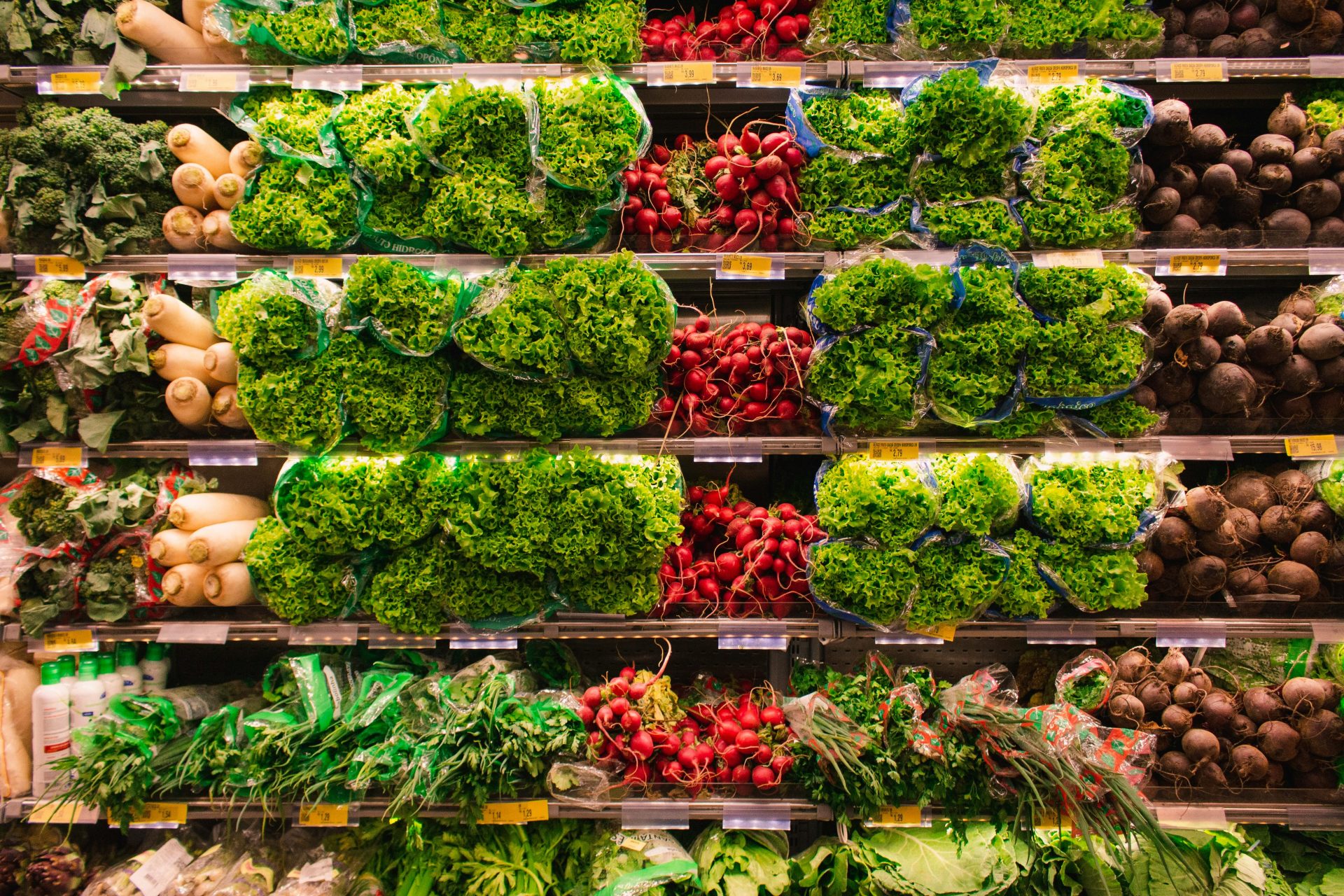

Fresh ingredients are the heartbeat of any dish. They are what separate a bland meal from a culinary masterpiece. But freshness isn’t just about appearance—it’s about aroma, texture, and sometimes even timing. Knowing when your ingredients are fresh enough to use can feel like an art, a science, and occasionally a gut instinct all rolled into one. Let’s dive deep into understanding the signals your ingredients give, how to assess them, and why it matters for both taste and safety.
Understanding Freshness: More Than Just “Looks Good”
Many novice cooks assume that freshness can be judged solely by appearance. While color and firmness are important, they are only part of the equation. Freshness also involves:
- Smell: A fresh ingredient often has a distinct, pleasant aroma. Wilted greens, fishy seafood, or stale grains will have off smells that your nose can detect before your taste buds suffer.
- Texture: Firmness, crispness, or elasticity indicates freshness. Limp lettuce, rubbery meat, or mushy fruits are warning signs.
- Moisture Content: Ingredients that are too dry or too wet may be past their prime. Moisture loss or excess can affect both taste and cooking performance.
- Time Since Harvest or Processing: Even perfectly stored ingredients have a shelf life. Freshness is also a question of age, not just appearance.
Understanding these factors helps you go beyond superficial checks and make smarter decisions in the kitchen.
Vegetables: From Crisp to Wilting
Leafy Greens
Fresh leafy greens are crisp, vibrant, and free of slimy spots. A simple pinch test can tell you a lot: leaves should snap when bent. Discoloration—like yellowing or browning—signals nutrient breakdown and reduced freshness. Store leafy greens in breathable containers with a paper towel to absorb moisture.
Root Vegetables
Carrots, radishes, and beets should be firm and free from cracks. Soft spots indicate decay, while sprouting in potatoes suggests starch conversion, which affects flavor and texture. Washing root vegetables before storage is okay, but drying them thoroughly is crucial to prevent rot.
Alliums
Onions, garlic, and shallots have long shelf lives if stored in cool, dry, dark conditions. Fresh onions are firm and have tight, dry skins. Garlic cloves should be plump, not shriveled or moldy. Any softness or sprouting is a sign the ingredient is aging and may compromise flavor intensity.
Fruits: Sweet, Tart, and Fragile
Berries
Berries are highly perishable. Fresh berries are firm, plump, and free from mold. A gentle squeeze can reveal ripeness, but avoid those that are too soft or leaking juices. Always store berries in a single layer to prevent crushing, which accelerates spoilage.
Citrus
Citrus fruits—lemons, limes, oranges—should feel heavy for their size, indicating juiciness. Skin texture matters: too dry or wrinkled skin signals dehydration. Avoid fruits with soft spots or mold near the stem.
Stone Fruits

Peaches, plums, and cherries require careful handling. A slight give when pressed gently indicates ripeness, but overly soft fruits are past their peak. Smell is an excellent indicator: sweet, fragrant aroma means they are ready to eat.
Proteins: Handle with Extra Care
Meat
Fresh meat should be firm, moist but not slimy, and have a consistent color. Beef is typically bright red, while pork is pink. Any grayish hue or off smell is a red flag. Always follow storage guidelines: raw meat should be refrigerated at or below 40°F and consumed within recommended time frames.
Poultry
Fresh poultry should smell clean, not sour or pungent. Skin should be intact and slightly elastic. Touching the flesh should feel moist, not sticky or slimy. Improperly stored poultry can harbor bacteria like Salmonella, making freshness a critical safety factor.
Seafood
Seafood freshness is delicate and time-sensitive. Fish should have clear eyes, shiny skin, and a mild scent reminiscent of the ocean—not ammonia. Shellfish like clams and mussels should have tightly closed shells; open shells that do not close when tapped indicate they are dead and unsafe to eat.
Eggs
Fresh eggs sink in cold water and lay flat on their side. Floating eggs are old, as air pockets develop over time. Cracks or an off smell are obvious signs to discard.
Dairy: Creamy, Tangy, and Time-Sensitive
Milk
Fresh milk should smell clean and taste slightly sweet. Sour odor or curdled texture is a clear sign of spoilage. Always check the “use by” date and store milk below 40°F.
Cheese
Hard cheeses can last longer than soft varieties. Fresh cheese should be firm, smooth, and fragrant. Mold on hard cheese can sometimes be trimmed, but mold on soft cheese indicates contamination.
Yogurt and Cream
Yogurt and cream should be thick and uniform in texture. Separation can occur naturally, but an off smell or sour taste indicates spoilage. Always store in airtight containers.
Herbs and Spices: Small Packages, Big Flavor
:max_bytes(150000):strip_icc()/GettyImages-942748334-2000-0da2f6b3b47546a99413357bd2431904.jpg)
Fresh herbs like basil, cilantro, and parsley should be vibrant in color with aromatic leaves. Wilted, yellowing, or slimy herbs have lost flavor and may affect the balance of your dish.
Spices, while dry, can lose potency over time. Whole spices last longer than ground, and a quick smell or taste test can reveal their strength.
Grains and Legumes: Check for Staleness
Rice, pasta, and lentils might seem invincible, but freshness matters. Stale grains may smell musty, have an off taste, or show signs of pests. Store in airtight containers in a cool, dry place. Beans should feel firm; soft or shriveled beans may not cook properly.
Oils and Fats: Subtle Signs of Rancidity
Cooking oils, butter, and ghee can go rancid if stored improperly. Rancid oil smells bitter, metallic, or like crayons. Always check storage conditions and expiration dates.
Butter should be pale yellow and smooth; any sour smell or discoloration signals spoilage.
Techniques for Testing Freshness
Visual Inspection
Look for mold, discoloration, bruising, or shriveling. This is often the first and easiest step.
Smell Test
Trust your nose. Off smells usually precede obvious spoilage.
Touch Test
Firmness, elasticity, and crispness are key indicators. Avoid sticky, slimy, or mushy textures.
Taste Test
If safe, tasting a small piece can confirm freshness—but never taste spoiled meat, seafood, or dairy.
Storage Awareness
Knowing how long ingredients have been stored and under what conditions is crucial. Freshness isn’t just inherent—it’s maintained through proper handling.
Why Freshness Matters: Flavor, Nutrition, Safety
Fresh ingredients aren’t just about taste; they are about health. Nutrients degrade over time, so using older ingredients can mean less vitamin content. Fresh produce has higher antioxidant levels, fresh proteins are safer, and fresh dairy contains more beneficial probiotics. Moreover, freshness is directly linked to food safety—using spoiled ingredients can cause foodborne illness.
Tips for Maintaining Freshness
- Rotate Stock: Use the oldest ingredients first. “First in, first out” reduces waste.
- Proper Storage: Use airtight containers, refrigeration, or freezing as appropriate.
- Separate Ethylene Producers: Apples, bananas, and tomatoes emit ethylene, which can speed ripening and spoilage of nearby produce.
- Prep When Needed: Chop herbs or salad greens only when you’re ready to cook.
- Check Frequently: Daily checks prevent unnoticed spoilage.
Common Myths About Freshness
- “If it smells okay, it’s safe.” Smell is a guide, but pathogens can be present without odor. Always follow proper storage and cooking practices.
- “Frozen is less fresh than fresh.” Freezing preserves nutrients and safety. Often, frozen vegetables are fresher than store-shelf produce.
- “Organic is always fresher.” Organic labeling doesn’t guarantee freshness—it’s about production methods, not timing.
Conclusion
Knowing when your ingredients are fresh enough to use is a skill every cook can develop. By observing appearance, texture, aroma, and storage history, you can make informed decisions that enhance taste, nutrition, and safety. Fresh ingredients elevate a dish from good to extraordinary, and the more attuned you are to their signals, the more confident and creative you become in the kitchen. Remember, freshness isn’t just a characteristic—it’s a promise of flavor, health, and culinary success.