






The debate between grass-fed and grain-fed meat has rumbled through kitchens, restaurants, and farmers’ markets for decades. Whether you’re a culinary adventurer, a conscious consumer, or simply someone curious about the subtle nuances of flavor, understanding what sets these two types of meat apart is as fascinating as it is complex. But can you really taste the difference? Let’s dissect this question scientifically, gastronomically, and experientially.
1. Understanding the Basics: Grass-Fed vs. Grain-Fed
To appreciate any difference, we first need to understand what we’re comparing.
Grass-Fed Meat
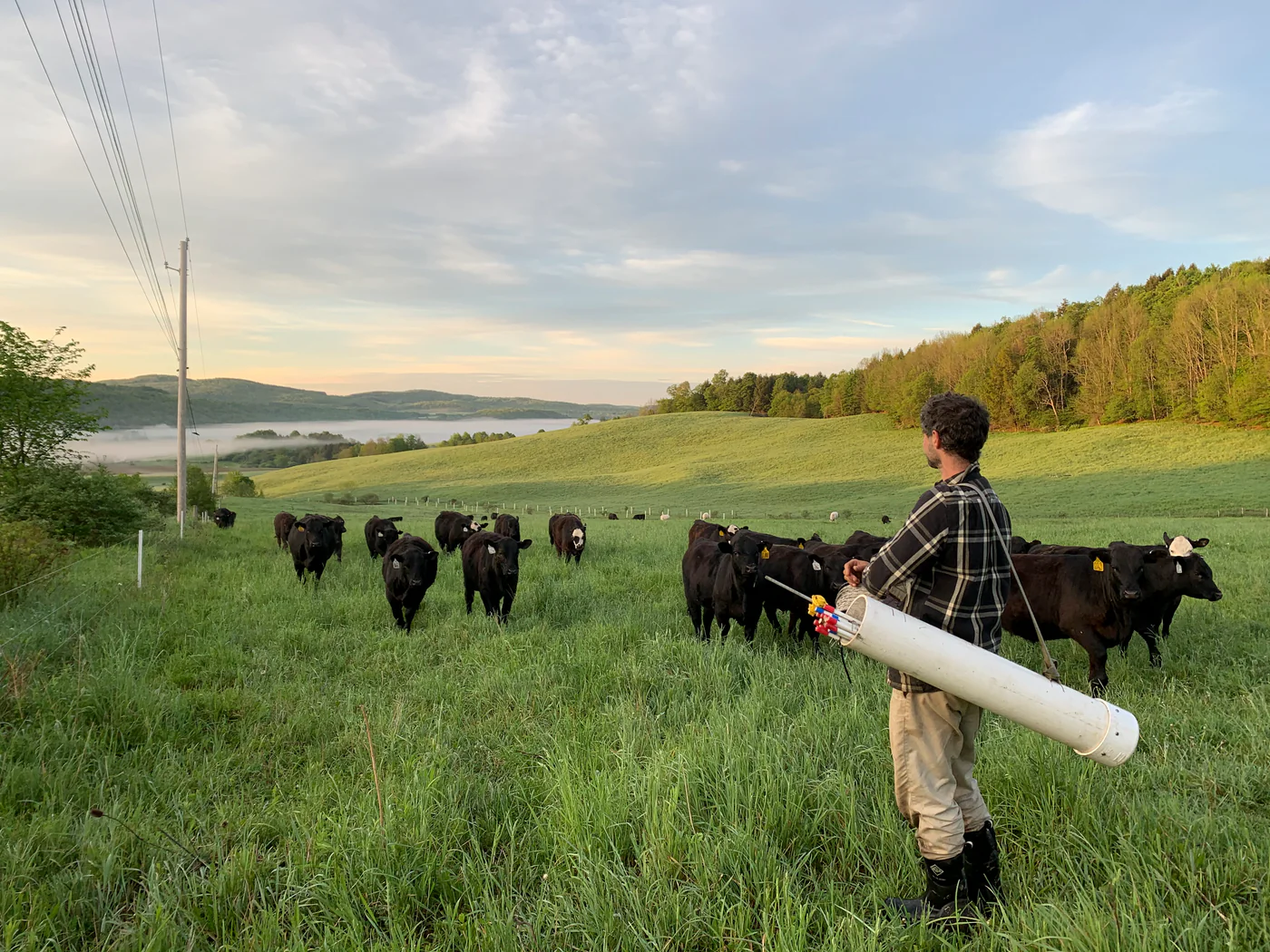
Grass-fed meat comes from animals that have grazed on natural pastures for the majority of their lives. Their diet consists mainly of grass, hay, and other forage plants. The environment they grow up in—often open fields with space to roam—contributes to the animal’s health, muscle development, and ultimately, the meat’s characteristics.
Grain-Fed Meat
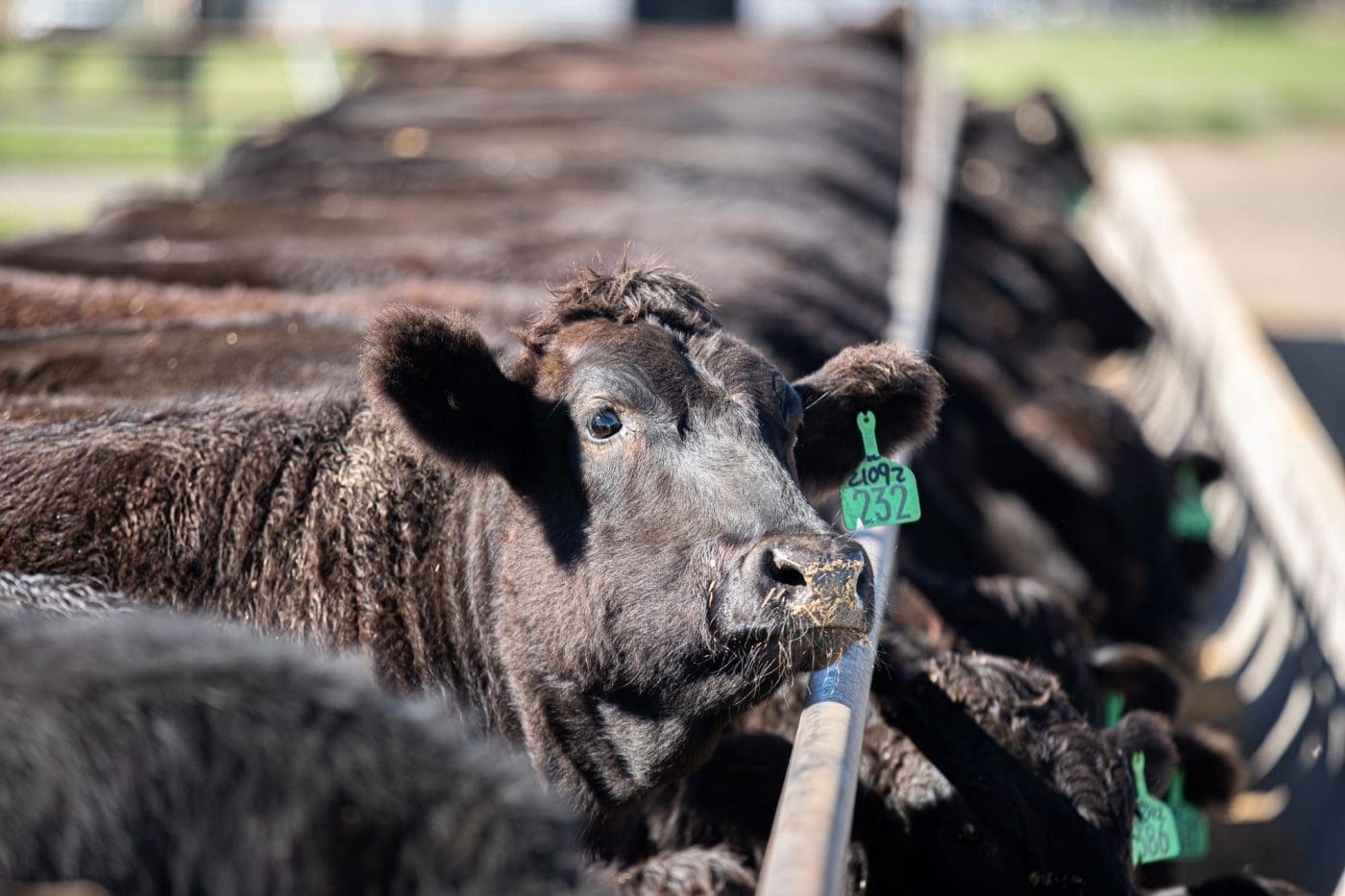
In contrast, grain-fed meat usually comes from animals finished on a diet rich in grains such as corn, barley, or soy. These animals may start on pasture but are often moved to feedlots to fatten up quickly before slaughter. The grain-based diet promotes faster weight gain and a higher fat content, which changes the texture and flavor profile of the meat.
The key distinction lies in diet, lifestyle, and the resulting physiology of the animal. These differences manifest in fat composition, muscle structure, and even the color and aroma of the meat.
2. The Science Behind Flavor
Taste is not just a matter of calories or fat; it’s an intricate interplay of chemistry, physiology, and even psychology. The flavor difference between grass-fed and grain-fed meat comes down to three main factors:
a. Fat Composition
- Grass-Fed: Higher in omega-3 fatty acids and conjugated linoleic acid (CLA). These fats tend to have a sharper, more “earthy” taste. The marbling—thin streaks of fat within the muscle—is usually less abundant but more pronounced in flavor.
- Grain-Fed: Higher in omega-6 fatty acids and overall fat content. The marbling is more consistent and heavy, creating a buttery, rich mouthfeel.
Fat is a flavor carrier. The difference in fatty acid profiles directly impacts aroma, juiciness, and the lingering taste of meat after chewing.
b. Muscle Structure
Grass-fed animals typically develop leaner, denser muscles due to more movement on pastures. Grain-fed animals, with limited space and higher-calorie diets, develop softer, more tender muscles. This difference changes not only texture but also how flavors are released while chewing.
c. Micronutrients and Terroir
Yes, terroir—a term borrowed from wine tasting—applies to meat. The soil, pasture plants, and regional environment influence the vitamins, minerals, and subtle aromatic compounds in the meat. Grass-fed beef may carry hints of the pasture it grazed on, while grain-fed beef carries flavors shaped by the concentrated grains.
3. Aroma and Sensory Perception
Before your taste buds even meet the meat, your nose has already started the flavor experience. Aroma is a powerful component of taste. Grass-fed meat often exudes a slightly grassy, nutty, or even herbal scent. Grain-fed meat smells richer, fattier, and slightly sweet.
Sensory tests reveal that people can often identify the difference in blind tastings, especially if the meat is cooked simply to let natural flavors shine. Roast it, sear it, or slow-cook it, and the subtle variances become more noticeable.
4. Cooking Considerations: How Preparation Influences Taste
The flavor distinction doesn’t exist in isolation—it’s amplified or muted by cooking techniques.
- Grass-Fed: Requires lower heat and careful timing. Leaner meat dries out faster, and overcooking can accentuate toughness and an overly gamey flavor. Slow-cooking or sous-vide methods preserve natural flavors and tenderness.
- Grain-Fed: Forgives higher heat and longer cooking. The higher fat content keeps it moist, juicy, and tender even when seared or roasted at high temperatures.
Cooking is where taste perception meets science. Maillard reactions (browning), caramelization, and fat rendering all shape the final flavor. Grass-fed meat often shows more pronounced “earthy” notes, while grain-fed meat emphasizes richness and umami.
5. Nutritional Implications: Beyond Taste
Taste isn’t the only factor driving preference. Nutritional content differs significantly:
- Grass-Fed: Typically leaner, higher in omega-3s and CLA, lower in total fat. Rich in antioxidants like vitamin E and beta-carotene, which can also subtly affect flavor and meat color.
- Grain-Fed: Higher fat content, more marbling, generally higher calorie count. Some vitamins and micronutrients may be less concentrated due to the grain-based diet.
Health-conscious consumers often gravitate toward grass-fed meat for its perceived benefits. However, flavor-focused eaters may prefer the buttery richness of grain-fed cuts.
6. Regional and Breed Factors
Diet alone doesn’t tell the full story. The breed of the animal and the environment in which it was raised influence flavor dramatically.
- Angus, Hereford, and Wagyu cattle have different muscle structures and fat distribution.
- Pasture quality varies with season, soil, and local plant species. This influences the “green” or “grassy” taste in grass-fed meat.
- Grain-fed meat may taste different depending on the type of grain—corn-fed vs. barley-fed beef can yield noticeable contrasts.
The takeaway? Even within “grass-fed” or “grain-fed,” there is incredible variability.
7. The Psychological Component: Expectation Shapes Taste
Research in sensory science shows that what we expect can dramatically influence what we taste. If someone believes grass-fed meat should taste “gamey,” they are more likely to perceive it that way. Conversely, someone expecting grain-fed beef to be rich and tender may accentuate those qualities.
Labeling, presentation, and even the story behind the meat all shape taste perception. This is why tasting in blind conditions often gives more accurate insight into true flavor differences.
8. Environmental and Ethical Considerations
While taste is central to our discussion, the choice between grass-fed and grain-fed meat is often tied to ethics and sustainability.
- Grass-Fed: Often associated with better animal welfare, more natural grazing patterns, and environmentally regenerative practices. However, it may require more land and water.
- Grain-Fed: Can be more efficient in terms of meat production per unit of land, but feedlots raise concerns about animal welfare, concentrated waste, and environmental impact.
For many consumers, these factors subtly influence how “good” the meat tastes. A sense of ethical satisfaction can enhance perceived flavor.
9. Expert Tasting Panels: What the Data Says
Blind taste tests conducted by chefs and food scientists have produced mixed results:
- Some panels consistently identify grass-fed beef by its “earthy” and slightly tangy flavor.
- Grain-fed beef often scores higher for tenderness and richness.
- Personal preference dominates—some people adore the lean, clean taste of grass-fed meat, while others find it too “wild” and prefer the comfort of grain-fed richness.
In essence, taste difference is real, but subjective.
10. Grass-Fed vs. Grain-Fed in Different Cuts
The taste distinction isn’t uniform across all cuts of meat.
- Ribeye: Grain-fed shines with its abundant marbling, producing buttery, melt-in-the-mouth texture. Grass-fed may feel firmer and offer a more pronounced flavor profile.
- Tenderloin: Leaner cut, more subtle flavors. Differences are subtler; cooking technique becomes critical.
- Ground Beef: Less nuanced due to processing, but grass-fed can impart a “meaty” intensity, while grain-fed emphasizes fat-driven richness.
Choosing the right cut enhances the tasting experience regardless of feed type.
11. Pairing and Serving Tips
Flavor differences become more apparent with thoughtful pairings:
- Grass-Fed: Complements bold herbs, acidic sauces, and smoky cooking methods. Earthy wines like Pinot Noir enhance its flavor.
- Grain-Fed: Pairs well with butter-based sauces, creamy sides, and rich red wines such as Cabernet Sauvignon.
The interplay between food and drink amplifies subtle taste differences.
12. The Bottom Line: Can You Really Taste the Difference?
Yes—but with caveats.
- If you’re sensitive to flavor nuances, you’ll notice the grassy, lean intensity of grass-fed beef versus the rich, buttery, marbled taste of grain-fed beef.
- Cooking method, cut, seasoning, and personal expectations all influence perception.
- Not everyone can detect the difference, but for culinary enthusiasts, the variation is real and meaningful.
The choice ultimately depends on taste preference, cooking style, nutritional priorities, and ethical considerations.
13. Final Thoughts
Grass-fed and grain-fed meat offer distinct culinary experiences. Grass-fed is lean, nuanced, and reflective of its pasture-based diet, while grain-fed is tender, rich, and indulgent. Understanding the science, chemistry, and cultural context behind these differences can elevate both your cooking and dining experience.
Next time you bite into a perfectly cooked steak, pay attention. Close your eyes. Can you taste the grass? Or do you savor the creamy richness? The answer is deliciously yours.