





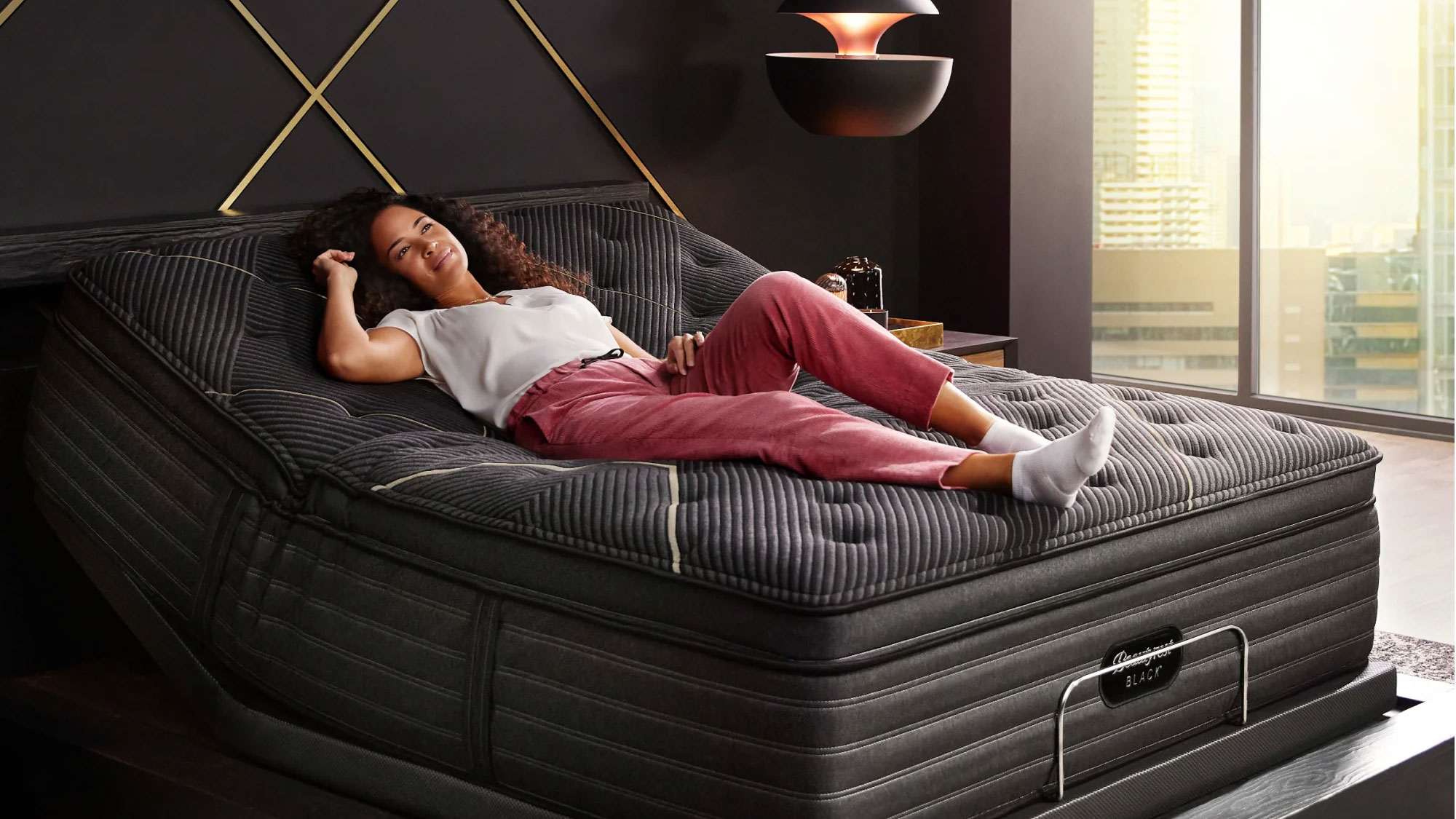

Sleep is one of the few daily activities that occupies nearly a third of our lives, yet it is also one of the most underestimated investments. We scrutinize phones, laptops, and cars with obsessive precision, but when it comes to mattresses—objects we spend thousands of hours on—we often default to price tags and brand familiarity rather than understanding what we are actually buying. This raises a deceptively simple question: How much of a difference does a high-end mattress really make?
The answer is neither a simple yes nor a dismissive no. A high-end mattress is not magic, and it is not a universal solution to all sleep problems. But it is also far more than a luxury indulgence or marketing trick. To understand its true value, we must explore how mattresses interact with the human body, how materials influence comfort and longevity, how sleep quality affects physical and mental health, and where diminishing returns begin.
This article takes a clear-eyed, professional look at what separates a high-end mattress from a budget option—and whether those differences are meaningful, measurable, and worth the cost.
1. The Mattress as a Sleep System, Not a Product
Most people think of a mattress as a passive object: a padded rectangle that either feels comfortable or doesn’t. In reality, a mattress is an active sleep system that interacts continuously with your body for six to nine hours each night.
Every time you lie down, the mattress performs several simultaneous tasks:
- Supporting your skeletal structure
- Distributing body weight and pressure
- Allowing muscles to relax
- Regulating temperature and airflow
- Minimizing motion transfer
- Adapting to movement and sleep position changes
A low-quality mattress performs these tasks inconsistently or inefficiently. A high-end mattress is engineered to perform them reliably, night after night, year after year.
The key difference is not softness or firmness alone—it is precision. High-end mattresses are designed to manage complex biomechanical demands rather than offering a one-size-fits-all feel.
2. What “High-End” Actually Means in the Mattress World
The term “high-end” is often misused. Price alone does not define it. A truly high-end mattress is characterized by four core elements:
- Advanced materials
- Sophisticated internal construction
- Durability and performance consistency
- Thoughtful ergonomic design
Let’s break these down.
Materials: Beyond Foam Is Foam
Budget mattresses often rely on low-density polyurethane foams that compress quickly, trap heat, and degrade within a few years. High-end mattresses use materials that are engineered for resilience, airflow, and pressure response.
These may include:
- High-density memory foams with slow, controlled recovery
- Natural or blended latex with high elasticity
- Zoned pocketed coils with reinforced edges
- Breathable comfort layers infused with cooling technologies
The difference is not just tactile; it is structural. High-quality materials maintain their properties over time, while cheap foams collapse and create uneven surfaces that disrupt sleep posture.
Construction: Layering With Purpose
High-end mattresses are rarely simple stacks of foam. They are carefully layered systems where each component serves a specific function: pressure relief, transition, support, or stabilization.
Zoning is common in premium designs, meaning different parts of the mattress provide different levels of support for shoulders, hips, and lower back. This allows the spine to remain aligned regardless of sleeping position.
Budget mattresses tend to be uniform, offering the same resistance everywhere. This can feel comfortable initially but often fails to support the body’s natural curves.
3. Pressure Relief: Where Comfort Meets Physiology
One of the most immediate differences between a high-end mattress and a basic one is pressure relief.
When you lie down, your body weight is concentrated in specific areas—typically the shoulders, hips, and heels. If a mattress cannot redistribute this pressure effectively, blood flow is restricted, leading to discomfort, numbness, and frequent position changes during the night.

High-end mattresses excel at pressure mapping. They respond dynamically to body contours, reducing peak pressure points without sacrificing overall support. This is particularly noticeable for:
- Side sleepers, who need shoulder and hip accommodation
- People with joint sensitivity
- Individuals who wake up with stiffness or soreness
The result is not just comfort but stillness. Better pressure relief means fewer unconscious movements, which leads to deeper, more continuous sleep cycles.
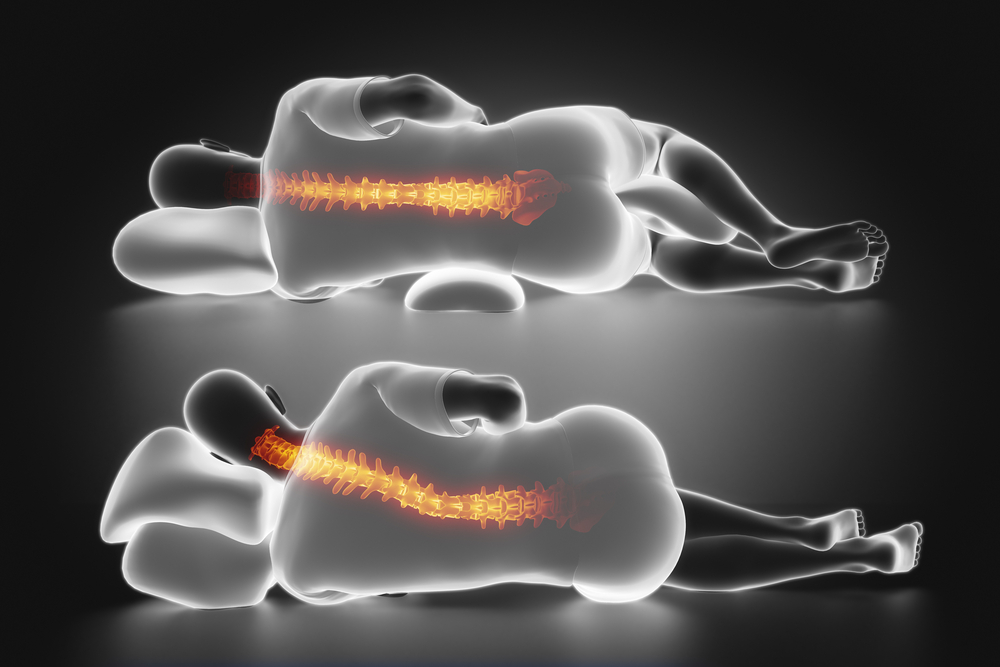
4. Spinal Alignment: The Silent Game-Changer
Spinal alignment is one of the most misunderstood aspects of mattress performance. Many people assume a mattress that feels soft or firm is automatically good or bad for the back. In reality, alignment matters more than firmness.
A high-end mattress is designed to keep the spine in a neutral position—maintaining its natural curves without forcing it into unnatural angles.
This requires a delicate balance:
- Too soft, and the hips sink too deeply
- Too firm, and the shoulders cannot sink enough
Premium mattresses achieve this balance through zoned support and adaptive materials that respond differently to various pressure loads.
Over time, consistent spinal alignment can reduce:
- Morning back pain
- Neck stiffness
- Chronic muscle tension
While a budget mattress might feel acceptable in a showroom, it often fails to maintain alignment throughout the night as materials compress unevenly.
5. Motion Isolation: The Invisible Benefit
For anyone who shares a bed, motion isolation can dramatically affect sleep quality.
Inexpensive mattresses—especially traditional innersprings—tend to transmit movement across the surface. Every shift, turn, or exit from the bed can disturb the other sleeper.
High-end mattresses often use individually wrapped coils, advanced foams, or hybrid systems that absorb motion rather than amplifying it. This means:
- Less sleep interruption
- Fewer micro-awakenings
- Better sleep continuity
The difference is subtle but cumulative. Over months and years, reduced sleep fragmentation contributes to better daytime energy and mood.
6. Temperature Regulation: Comfort Isn’t Just About Softness
Temperature is one of the most common causes of poor sleep. Overheating leads to restlessness and frequent waking, even if the mattress feels comfortable initially.
Budget memory foam mattresses are notorious for trapping heat. High-end models address this issue through:
- Open-cell foam structures
- Phase-change materials
- Breathable covers made from natural fibers
- Coil systems that promote airflow
The result is a sleep surface that remains thermally neutral rather than acting as a heat sponge.
Importantly, temperature regulation is not about feeling cool; it is about avoiding temperature extremes that disrupt sleep cycles.
7. Durability: The Long-Term Equation
A mattress is not a short-term purchase. Most people keep one for seven to ten years, sometimes longer. This is where high-end mattresses often justify their cost.
Low-quality mattresses tend to develop:
- Permanent body impressions
- Sagging in high-pressure areas
- Loss of support and responsiveness
High-end mattresses are built to resist these issues. Their materials are tested for long-term compression and fatigue, meaning they maintain their performance characteristics far longer.
From a purely economic perspective, a mattress that lasts ten years while maintaining comfort may be more cost-effective than replacing a cheaper one every three to four years.
8. Sleep Quality: The Compound Effect
Sleep quality is not determined by a single night. It is the accumulation of hundreds of nights of consistent, uninterrupted rest.
High-end mattresses do not necessarily make you fall asleep instantly. Instead, they improve sleep quality by reducing disruptions:
- Fewer pressure-related awakenings
- Better thermal comfort
- Reduced tossing and turning
Over time, these improvements can translate into:
- Better concentration
- Improved emotional regulation
- Enhanced physical recovery
The mattress does not create good sleep habits, but it removes barriers that prevent good sleep from happening naturally.
9. The Psychology of Sleep Comfort
There is also a psychological component to mattress quality that should not be ignored.
Sleeping on a surface that feels stable, supportive, and thoughtfully designed can create a sense of security and relaxation. This mental association—often subconscious—can improve sleep onset and perceived restfulness.
That said, psychology cuts both ways. Expectation bias is real. If someone believes an expensive mattress must be life-changing, they may temporarily perceive benefits that fade over time.
The true test is consistency: does the mattress still feel supportive and comfortable after months or years of nightly use?
10. Customization and Fit: One Size Rarely Fits All
High-end mattresses often offer multiple firmness options, modular designs, or split constructions that allow customization.
This matters because:
- Body weight influences how a mattress feels
- Sleep position changes pressure distribution
- Personal comfort preferences vary widely
A mattress that works perfectly for one person may be uncomfortable for another. Premium brands acknowledge this by offering tailored solutions rather than generic firmness labels.
In contrast, budget mattresses typically rely on simplified categories that may not align with individual needs.
11. When a High-End Mattress Makes the Biggest Difference
A high-end mattress tends to provide the most noticeable benefits for:
- People with chronic back or joint discomfort
- Side sleepers who struggle with pressure points
- Couples with different sleep patterns
- Light sleepers sensitive to movement and noise
- Individuals who prioritize long-term durability
For these users, the difference can be substantial and sustained.
12. When the Difference Is Smaller Than Expected
It is equally important to acknowledge cases where a high-end mattress may not feel dramatically better.
If someone:
- Sleeps deeply regardless of surface
- Has no pain or pressure sensitivity
- Prefers very firm or very simple sleep surfaces
- Replaces mattresses frequently
Then the incremental benefit may be less noticeable.
This does not mean high-end mattresses are ineffective—it means the baseline needs are already met.
13. Diminishing Returns: The Upper Limit of Comfort
There is a point where spending more yields smaller improvements. The jump from a low-quality mattress to a well-designed mid-range one can be transformative. The jump from a good mattress to an ultra-luxury model may be more subtle.
Ultra-premium mattresses often add:
- Exotic natural materials
- Handcrafted finishes
- Complex layering systems
These features may enhance feel and longevity, but they do not necessarily double sleep quality.
Understanding where your personal point of diminishing returns lies is key to making a rational purchase.
14. Health Claims vs. Reality
Some high-end mattresses are marketed with bold health claims. While better sleep can support overall health, a mattress is not a medical device.
What it can do is:
- Reduce physical stress during sleep
- Support proper posture
- Improve comfort consistency
What it cannot do is cure medical conditions or replace professional treatment.
A high-end mattress is a supportive tool, not a miracle solution.
15. The Environmental and Ethical Angle
High-end mattresses increasingly focus on sustainability, using:
- Durable materials that reduce waste
- Natural fibers with lower environmental impact
- Manufacturing processes with fewer chemical treatments
While this does not directly affect sleep comfort, it influences the broader value proposition for environmentally conscious consumers.
16. The Experience Over Time
The true measure of a high-end mattress is not the first night—it is the thousandth.
Does it still support your body evenly?
Does it still feel comfortable without adjustments?
Does it still promote restful, uninterrupted sleep?
When the answer remains yes after years of use, the difference becomes undeniable.
17. So, How Much of a Difference Does a High-End Mattress Really Make?
The difference is not theatrical. It is cumulative, quiet, and deeply personal.
A high-end mattress:
- Reduces physical stress during sleep
- Supports long-term comfort and alignment
- Maintains performance over many years
- Removes common sleep disruptors
It does not transform your life overnight. Instead, it improves the foundation upon which daily energy, focus, and well-being are built.
For those who value sleep as a cornerstone of health and performance, the difference can be significant and lasting. For others, a thoughtfully chosen mid-range mattress may be enough.
The real value lies not in the price tag, but in how effectively the mattress supports your body—night after night, year after year.