





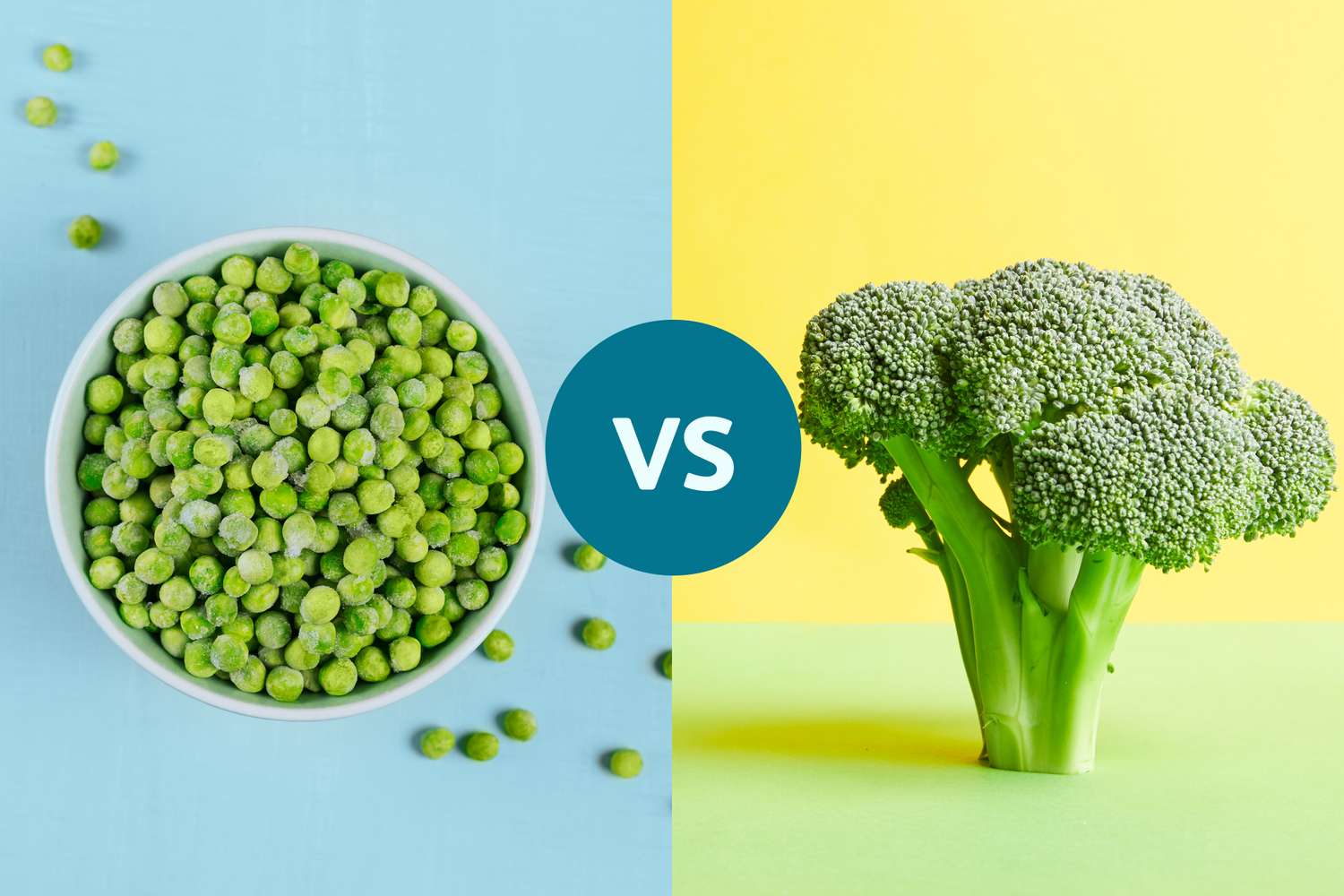

When it comes to cooking and healthy eating, many of us face the same dilemma: fresh or frozen? You stroll through the grocery store, see vibrant vegetables glistening under the lights, and feel the satisfaction of picking something “natural.” Then, across the aisle, you find frozen peas and berries, often packed in plastic bags with promises of convenience. The question arises: are frozen ingredients as nutritious as fresh ones? Surprisingly, the answer isn’t as simple as it seems. Let’s dive into the science, the culinary facts, and the practicalities of frozen foods to uncover the truth.
The Journey From Farm to Freezer
Fresh vegetables and fruits are often marketed as the pinnacle of health. They are, after all, literally fresh from the farm—or at least that’s the impression. But what “fresh” really means can be misleading. Many “fresh” products are harvested before they reach peak ripeness to endure long transportation times. This often involves a journey of several days, sometimes weeks, through trucks, warehouses, and supermarket shelves. During this period, vitamins and antioxidants start to degrade naturally.
Frozen ingredients, on the other hand, are usually picked at the absolute peak of ripeness and then flash-frozen within hours. This rapid freezing process locks in nutrients, halting enzymatic activity and slowing down vitamin loss. In many cases, this means frozen produce can be just as nutritious—or even more so—than fresh produce that has spent days in transit.
Nutrient Retention: Fresh vs. Frozen
When we talk about nutrition, the focus is usually on vitamins, minerals, and antioxidants. Here’s how fresh and frozen ingredients compare:
- Vitamin C: Highly sensitive to heat, light, and oxygen. Fresh produce loses vitamin C gradually after harvest, whereas frozen vegetables can retain it because they are frozen almost immediately.
- B Vitamins: These are water-soluble and prone to degradation over time. Flash-freezing preserves B vitamins effectively, making frozen spinach or peas a strong contender against their fresh counterparts.
- Minerals: Calcium, magnesium, potassium, and iron are stable and unaffected by freezing. This means frozen or fresh, the mineral content is roughly equivalent.
- Phytonutrients and Antioxidants: Some antioxidants, like carotenoids, may actually increase slightly during freezing due to cellular changes caused by ice crystal formation. Others may decline, but generally, the difference is minor.
Overall, frozen produce often comes out on top in nutrient retention if fresh produce has spent significant time in storage or transit.

The Culinary Perspective: Texture, Flavor, and Cooking
Nutrition isn’t the only factor when choosing between fresh and frozen ingredients. Cooking outcomes, texture, and flavor also matter.
Texture: Freezing creates ice crystals inside plant cells. These crystals can rupture cell walls, leading to softer textures upon thawing. This is why frozen spinach often seems more “mushy” than fresh. However, for soups, stews, smoothies, and casseroles, this difference is barely noticeable.
Flavor: Flavor compounds can degrade over time in fresh produce. A frozen berry harvested at peak ripeness may taste sweeter and more flavorful than a “fresh” berry picked early and shipped for days.
Cooking Considerations: To retain nutrients, frozen vegetables are best steamed, microwaved, or sautéed quickly. Boiling for extended periods can leach water-soluble vitamins into cooking water. Fresh vegetables are more forgiving in this respect, but they also lose nutrients if stored for too long before consumption.
Convenience and Food Safety
Frozen ingredients shine in convenience. You can store them for months without worrying about spoilage, making meal planning and healthy eating easier. This also reduces food waste—a major environmental and economic benefit.
Safety is another factor. Flash-freezing slows microbial growth almost instantly, making frozen foods generally safer for long-term storage than fresh produce, which can spoil or become contaminated during transport.
Myths About Frozen Foods
There are plenty of myths floating around regarding frozen foods:
- Frozen food is full of preservatives: Not true. Most frozen vegetables and fruits are preserved simply by freezing; no additives are necessary.
- Freezing kills nutrients: On the contrary, freezing preserves nutrients by slowing enzymatic activity and chemical breakdown.
- Frozen food is inferior for health: In many cases, frozen produce can outperform “fresh” produce that has traveled long distances.
Understanding these myths helps us make more informed choices and embrace frozen ingredients without guilt.
:max_bytes(150000):strip_icc()/frozen-spinach-0622-1dff770e4f5e45a69ce5fa393afeb8fc.jpg)
Comparing Common Ingredients
Let’s look at a few common examples where frozen may outperform fresh:
- Spinach: Fresh spinach can lose up to 50% of vitamin C in a few days. Frozen spinach retains most vitamins.
- Berries: Blueberries, strawberries, and raspberries are often flash-frozen at peak ripeness. Nutrient tests show similar or higher antioxidant levels than fresh berries that are not immediately consumed.
- Peas and Corn: These are sugar-rich vegetables that begin converting sugars to starch shortly after harvest. Freezing preserves their natural sweetness and nutritional content.
- Tomatoes: Lycopene levels (a key antioxidant) can increase slightly after freezing and cooking, making frozen tomato products surprisingly potent.
The Environmental Angle
Interestingly, frozen foods may sometimes have a lower carbon footprint than fresh produce, especially if fresh produce travels long distances. Reduced food spoilage also contributes to sustainability. So choosing frozen doesn’t just make sense nutritionally—it can also make sense environmentally.
Practical Tips for Using Frozen Ingredients
- Check the label: Choose frozen ingredients without added sauces, sugars, or sodium.
- Store properly: Keep frozen items at 0°F (-18°C) or below to maintain nutrient integrity.
- Cook smart: Use steaming or microwaving to preserve water-soluble vitamins.
- Mix fresh and frozen: Combining fresh and frozen ingredients can optimize both flavor and nutrient intake.
The Bottom Line
So, are frozen ingredients as nutritious as fresh ones? The answer is often yes, and in certain cases, even better. Fresh produce is great, especially when consumed immediately after harvest. But for most of us who live in cities, shop weekly, or want convenience, frozen ingredients are not just a compromise—they are a powerful tool for healthy eating.
Frozen vegetables and fruits can provide comparable vitamins, minerals, and antioxidants while offering longer shelf life, consistent flavor, and reduced food waste. Next time you shop, don’t overlook the frozen aisle—it’s a treasure trove of nutrition, ready whenever you are.