





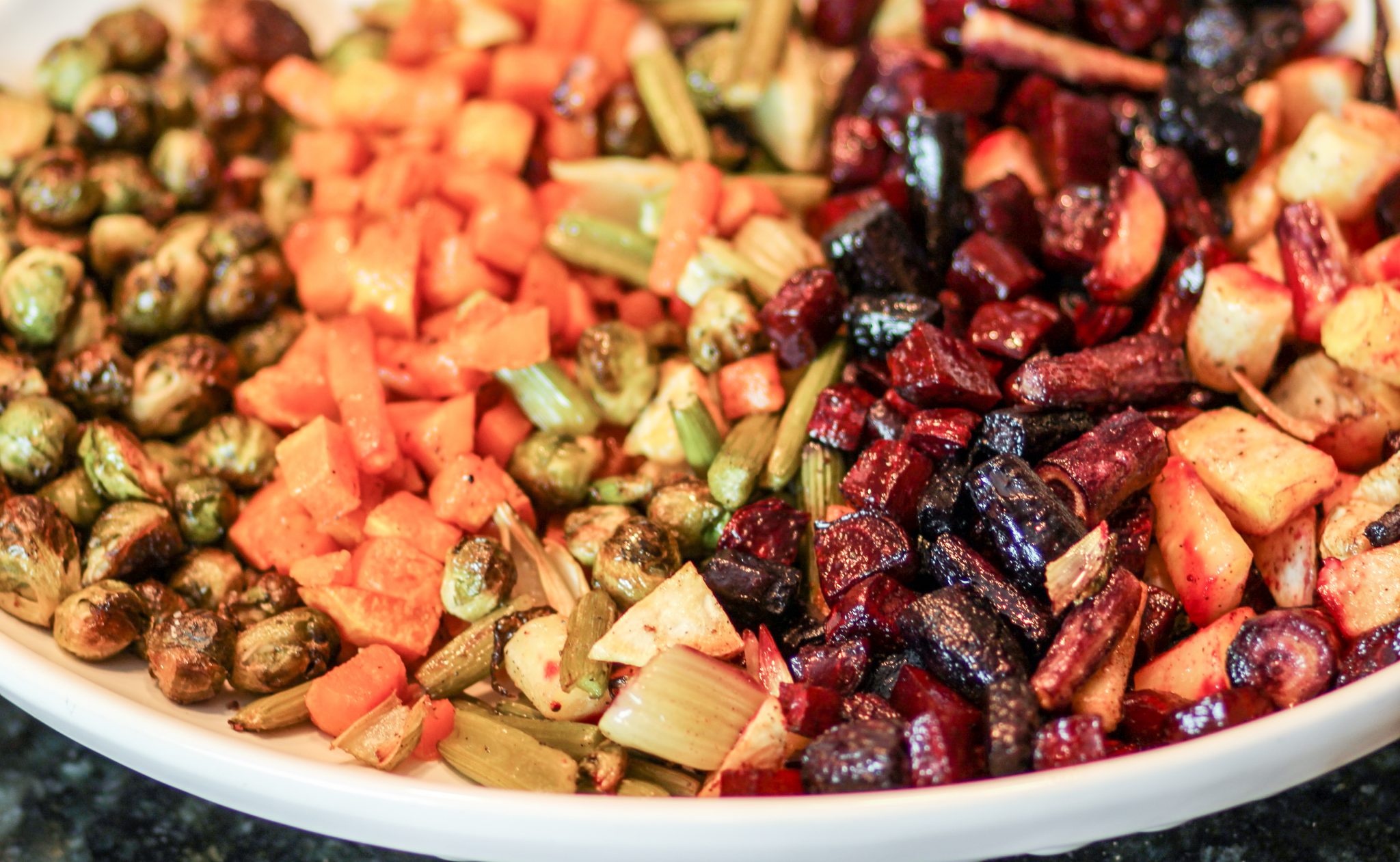

In an era dominated by fast food, packaged snacks, and instant meals, the idea of creating a delicious dish entirely free of processed ingredients might sound intimidating, even impossible. Yet, the art of cooking with whole, natural foods is not just feasible—it can be immensely satisfying, nourishing, and creative. Preparing a meal without processed ingredients invites you to reconnect with the origins of your food, understand the subtle flavors of nature, and harness the true essence of cooking.
The Philosophy of Unprocessed Cooking
Cooking without processed ingredients isn’t merely a culinary choice—it’s a lifestyle decision. Processed foods, ranging from pre-packaged sauces to refined flours and artificial seasonings, strip ingredients of their natural nutrients and textures. Choosing unprocessed ingredients ensures each component of your dish maintains its natural integrity, bringing richer flavors, better nutrition, and a more vibrant visual appeal to your plate.
Whole foods—vegetables, fruits, grains, legumes, nuts, seeds, and fresh proteins—are the cornerstone of this approach. Each ingredient carries a story: the earth it grew in, the season it thrives in, and the subtle interactions with other ingredients that transform a simple meal into an unforgettable culinary experience.
Why Go Unprocessed?
- Flavor Mastery: Natural foods often have a depth of flavor lost in processed alternatives. A fresh tomato, roasted garlic, or hand-picked herb can create layers of taste that packaged sauces cannot replicate.
- Nutritional Superiority: Processing often removes fiber, vitamins, and minerals. Cooking with whole foods ensures that nutrients remain intact.
- Culinary Creativity: Without pre-made shortcuts, you are free to experiment with combinations, textures, and cooking methods, expanding your culinary skills.
Understanding the Ingredients
To master unprocessed cooking, you must first understand your ingredients. This requires paying attention to texture, aroma, and natural flavors. Let’s break it down:
Vegetables and Fruits
Fresh produce is the canvas for unprocessed dishes. Seasonal vegetables offer the best flavor profile and nutritional content. Root vegetables like carrots, beets, and sweet potatoes provide earthiness; leafy greens like kale, spinach, and chard add a vibrant freshness; and fruits such as berries, citrus, and apples bring natural sweetness or acidity that can balance savory elements.
Selecting Produce:
- Color Matters: Deeply colored vegetables often indicate higher antioxidant content.
- Seasonal First: Choosing what is in season guarantees peak flavor.
- Texture Check: Firmer vegetables withstand cooking better, while delicate greens are perfect for raw applications.
Proteins
Protein sources in unprocessed dishes can be plant-based or animal-based. Fresh meats, poultry, and seafood should be as close to their natural state as possible—preferably from trusted, local sources. Plant proteins like lentils, chickpeas, and quinoa are excellent because they offer versatility and a full nutritional profile.
Tips for Quality Proteins:
- Freshness First: Fresh fish or meat often has a subtle scent and firm texture.
- Whole Plant Proteins: Avoid pre-packaged mixes that may contain preservatives or added sodium.
Grains and Legumes
Whole grains and legumes form the backbone of a hearty, unprocessed meal. Brown rice, quinoa, barley, millet, and oats are nutritious, flavorful, and adaptable. Legumes like beans, lentils, and chickpeas are protein-rich, fiber-packed, and perfect for soups, salads, or main courses.
:max_bytes(150000):strip_icc()/15-Must-Visit-Farmers-Markets-Across-America-FT-BLOG0825-Portland-02-72d69bdc58d74eac8e7c0b8f0bfe9c0b.jpg)
Cooking Notes:
- Soaking: Some legumes benefit from soaking to reduce cooking time and improve digestibility.
- Rinsing: Rinsing grains before cooking removes natural residues and enhances texture.
Herbs, Spices, and Natural Seasonings
Without processed sauces or flavor enhancers, herbs and spices take center stage. Fresh basil, rosemary, thyme, dill, parsley, cilantro, turmeric, cinnamon, and smoked paprika elevate dishes naturally. Citrus zest, garlic, ginger, and chili peppers also add complexity.
Flavor Tips:
- Layering Flavors: Add delicate herbs at the end to preserve aroma; robust spices can be cooked early to release depth.
- Balance: Use acidity, sweetness, and bitterness from natural sources to create harmony.
The Art of Cooking Naturally
Cooking without processed ingredients challenges your creativity and precision. Every method—from roasting and sautéing to steaming and slow-cooking—brings out different characteristics in whole foods.
Roasting
Roasting vegetables concentrates their natural sugars, enhancing sweetness and texture. For example, roasting carrots with a drizzle of olive oil and fresh thyme transforms a humble root vegetable into a dish bursting with flavor.
Sautéing and Stir-Frying
Sautéing with minimal oil allows ingredients to caramelize and develop natural flavors. Combining seasonal vegetables with garlic and ginger creates vibrant, aromatic dishes without the need for pre-made sauces.
Boiling and Steaming
Steaming preserves the color, texture, and nutrients of vegetables better than boiling. When boiling grains or legumes, using only water or natural broths made from fresh vegetables adds subtle flavor without artificial additives.
Slow Cooking
Slow cooking is ideal for tougher cuts of meat or fibrous vegetables. Using a simple combination of fresh herbs, onions, carrots, and celery can produce deeply satisfying dishes that feel complex, yet remain entirely unprocessed.
Sample Recipes: Mastering the Unprocessed Meal
To prove that cooking without processed ingredients is not only possible but delicious, let’s explore a few recipes.
1. Roasted Root Vegetable Medley
Ingredients:
- 2 large carrots, peeled and cut into sticks
- 1 sweet potato, diced
- 1 beet, peeled and cubed
- 2 tablespoons olive oil
- Fresh rosemary sprigs
- Sea salt and freshly ground black pepper
Instructions:
- Preheat oven to 425°F (220°C).
- Toss vegetables with olive oil, rosemary, salt, and pepper.
- Spread evenly on a baking sheet.
- Roast for 25–30 minutes, turning halfway through.
- Serve warm, garnished with a drizzle of olive oil or fresh herbs.

2. Lentil and Vegetable Stew
Ingredients:
- 1 cup green or brown lentils, rinsed
- 1 large onion, chopped
- 2 garlic cloves, minced
- 2 carrots, diced
- 2 celery stalks, diced
- 1 zucchini, chopped
- 1 teaspoon smoked paprika
- Fresh parsley for garnish
- 4 cups water or fresh vegetable broth
Instructions:
- Sauté onion, garlic, carrots, and celery in a tablespoon of olive oil until softened.
- Add lentils, smoked paprika, and water/broth.
- Bring to a boil, reduce heat, and simmer for 25–30 minutes.
- Add zucchini and cook for an additional 10 minutes.
- Garnish with fresh parsley and serve hot.
3. Fresh Herb and Quinoa Salad
Ingredients:
- 1 cup quinoa, rinsed
- 2 cups water
- 1 cucumber, diced
- 1 bell pepper, diced
- 1 cup cherry tomatoes, halved
- 1/4 cup chopped fresh basil
- 1/4 cup chopped parsley
- Juice of 1 lemon
- 2 tablespoons olive oil
- Salt and pepper to taste
Instructions:
- Cook quinoa in water according to package instructions.
- Allow quinoa to cool slightly.
- Combine quinoa with vegetables, herbs, lemon juice, and olive oil.
- Season with salt and pepper, toss, and serve at room temperature.
Embracing Seasonal and Local Foods
One of the joys of unprocessed cooking is working with seasonal ingredients. Seasonal produce is fresher, more flavorful, and often more affordable. Visiting local farmers’ markets or joining a community-supported agriculture (CSA) program ensures you have access to high-quality ingredients that inspire your cooking.
Seasonal Inspiration:
- Spring: Asparagus, peas, radishes, strawberries
- Summer: Tomatoes, zucchini, corn, peaches
- Fall: Squash, pumpkins, apples, Brussels sprouts
- Winter: Root vegetables, citrus, kale, leeks
Common Challenges and How to Overcome Them
Transitioning away from processed foods can be daunting. Here are some challenges and solutions:
- Time Constraints:
Whole foods often require more prep. Solution: batch-cook grains, legumes, and roasted vegetables in advance. - Flavor Adjustment:
Some may miss the intense taste of processed seasonings. Solution: Experiment with herbs, spices, citrus, and natural fermentation (like homemade yogurt or pickles) to enhance flavor. - Ingredient Availability:
Certain fresh ingredients may be seasonal or scarce. Solution: Learn substitutions using local, seasonal produce to maintain variety.
Beyond Taste: The Broader Benefits
Cooking without processed ingredients isn’t just about flavor—it has tangible benefits for health, environment, and creativity:
- Health: Reduces added sugars, sodium, and unhealthy fats, while increasing fiber, vitamins, and antioxidants.
- Environmental Impact: Supports local agriculture and reduces reliance on industrial food production.
- Creativity: Forces you to experiment, learn, and innovate with natural flavors.
Conclusion
Creating a delicious dish without any processed ingredients is more than possible—it’s an adventure for your taste buds, body, and mind. By focusing on fresh, whole foods, mastering natural cooking techniques, and embracing seasonal produce, you can produce meals that are nourishing, vibrant, and unforgettable. Cooking unprocessed isn’t about restriction; it’s about rediscovering the pure joy of food in its most natural form.
With each meal, you reconnect with the roots of cooking, celebrate the authenticity of ingredients, and craft dishes that are truly your own. Whether it’s a roasted vegetable medley, a hearty lentil stew, or a refreshing quinoa salad, the possibilities are endless. The secret is simple: start with nature’s best, treat it with respect, and let its natural flavors shine.