






When it comes to cooking, the secret to unforgettable flavors doesn’t always lie in the chef’s skills or the fanciest kitchen gadgets. Often, it’s hidden in the very ingredients themselves—and more precisely, in knowing the perfect moment to harvest them. Whether you are an aspiring chef, a gardening enthusiast, or simply someone who enjoys the freshest produce, understanding the rhythm of nature can elevate your dishes from good to unforgettable. This guide will take you through the science, timing, and practical tips for harvesting fruits, vegetables, herbs, and even some unusual ingredients at their peak.
Understanding Flavor Development in Plants
Flavor in plants is not an arbitrary trait; it’s a result of complex chemical processes. Sugars, acids, essential oils, and aromatic compounds develop over time and fluctuate depending on environmental factors like sunlight, rainfall, temperature, and soil quality. Harvest too early, and the ingredients may be bland or underdeveloped. Harvest too late, and you might encounter overripe textures, bitterness, or loss of volatile aromatics.
Here are the key principles behind flavor development:
- Sugar and Acid Balance
Most fruits, such as apples, tomatoes, and berries, develop sweetness as they ripen due to the conversion of starches into sugars. Simultaneously, acids may decrease, changing the flavor profile from tart to pleasantly sweet. - Essential Oils and Aromatic Compounds
Herbs and spices reach peak aroma when their essential oils are concentrated. For instance, basil leaves harvested in the morning often have more fragrant oils than those picked at midday under direct sun. - Moisture and Texture
Vegetables like cucumbers or leafy greens lose their crispness if harvested too late. Early morning harvests often retain higher water content, giving a fresher, crunchier bite. - Stress Responses
Some plants develop stronger flavors when stressed, such as chilies producing more capsaicin under mild drought conditions. Understanding these subtle signals can guide you toward flavor-packed ingredients.
Fruits: Timing Is Everything
1. Apples
Apples are deceptively simple. Their sugars, acids, and aroma compounds peak at slightly different times depending on the variety. Generally, apples are best harvested when the background color shifts from green to their mature hue, and seeds turn brown. A gentle twist should release the fruit without resistance.
2. Berries
Berries like strawberries, raspberries, and blueberries have a very short window for peak flavor. Strawberries are sweetest when they are fully red, with no traces of white near the stem. Blueberries should be harvested once they have a uniform blue color and a slight powdery bloom. Early morning picking helps maintain firmness and extends shelf life.
3. Citrus
Citrus fruits like oranges, lemons, and limes don’t continue to sweeten significantly after picking. They rely on sunlight to build sugars and acids. The best time to harvest citrus is when the fruit is firm, heavy for its size, and vibrantly colored, often in late autumn or winter depending on the region.
Vegetables: Crispness and Sweetness

1. Tomatoes
Tomatoes are notorious for being picked too early. For maximum flavor, allow them to ripen on the vine until fully colored. Heirloom varieties often have more complex aromas, and the trick is to pick when the fruit yields slightly under gentle pressure but is not mushy.
2. Peppers
Bell peppers should be harvested when they reach their mature color—green, red, yellow, or purple depending on the variety. Hot peppers, like jalapeños or habaneros, reach peak heat when their skin deepens in color, though some prefer milder flavors at an earlier stage.
3. Leafy Greens
Lettuce, kale, and spinach taste best when young and tender. Overgrown leaves become bitter due to increased fiber and certain chemical compounds. Morning harvests often yield leaves that are crisp and hydrated.
4. Root Vegetables
Carrots, beets, and radishes develop peak sweetness when the roots reach their intended size. Overgrown carrots, for example, may become woody or bitter. Harvesting after rainfall often produces juicier roots due to higher water absorption.
Herbs: Aroma Peaks in Tiny Leaves
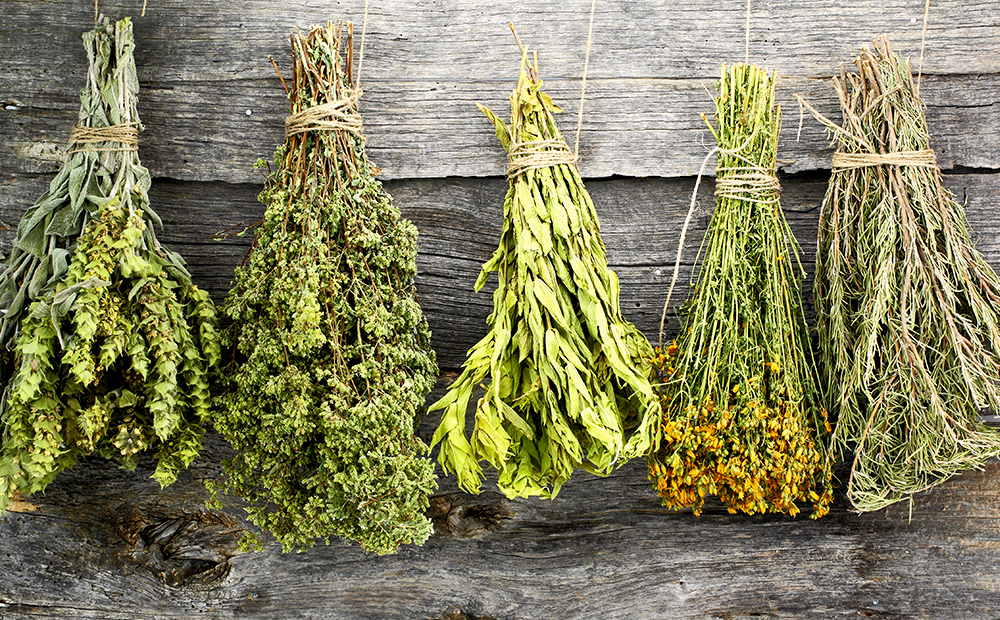
Herbs rely heavily on essential oils for their characteristic flavors. Timing your harvest is crucial:
- Basil: Pick leaves in the morning before the sun evaporates the oils. Pinch off flower buds to extend leaf production.
- Rosemary and Thyme: These woody herbs can be harvested anytime, but their oils are most concentrated before flowering.
- Mint and Cilantro: Harvest just before flowering for the freshest aroma. Heat stress can make mint taste bitter, so morning picking is ideal.
Grains and Legumes: The Sweet Spot of Dryness
Although often overlooked in the flavor conversation, grains and legumes also have peak harvest periods:
- Wheat and Barley: Grains are best harvested when the kernels are hard but not brittle, usually after the moisture content drops below 20%.
- Beans: For fresh eating, pick beans before seeds fully enlarge. For drying, wait until pods start to dry and rattle.
Nuts and Seeds: Patience Rewards Flavor
Nuts and seeds are powerhouses of fat and aroma. Harvesting too early can result in a bland, underdeveloped taste:
- Almonds: Harvest when the hull begins to split naturally. Fully mature almonds have a rich, nutty flavor.
- Sunflower Seeds: Wait until the backs of the heads turn brown, but harvest before birds claim the prize.
- Pumpkin Seeds: For roasting, harvest when the pumpkin flesh is firm and seeds are fully formed.
Mushrooms and Fungi: Timing Is Critical
Mushrooms are unique because their flavor peaks within a narrow window of spore maturity:
- Button Mushrooms: Harvest when caps are closed but mature.
- Shiitake and Oyster Mushrooms: Picking just before the caps flatten ensures tender texture and concentrated umami flavor.
- Wild Foraging: Understanding the lifecycle is essential, as overripe fungi may harbor bitterness or toxins.
Seasonal and Regional Considerations

Flavor peaks also depend heavily on climate and soil conditions. For example:
- Tomatoes in a hot, dry summer may ripen faster but be less juicy.
- Strawberries in cooler climates tend to have higher sugar content and firmer flesh.
- Herbs in shaded areas may produce less oil but maintain a milder, sweeter flavor.
Understanding your local environment and tracking seasonal shifts can drastically improve harvest quality.
Practical Tips for Perfect Timing
- Observe Plant Signals
Color changes, leaf wilting, and fruit firmness are often better indicators than calendar dates. - Use Taste as a Guide
Small test bites help you gauge sweetness, acidity, and aroma. - Harvest in the Right Conditions
Early morning or late afternoon is ideal for minimizing water loss and preserving flavor. - Handle with Care
Rough handling can bruise fruits and vegetables, diminishing their taste. - Stagger Harvesting
Not all produce ripens simultaneously. Frequent checks and selective picking ensure peak flavor across a season.
Advanced Techniques for Flavor Maximization
- Pre-Harvest Stress: Slightly limiting water can concentrate flavors in some vegetables and herbs.
- Sunlight Exposure: Certain fruits like peppers and tomatoes develop more sugars when sunlight hits them consistently.
- Cold Storage Timing: Some fruits, such as pears, need a period of cool storage post-harvest to reach their best flavor.
A Few Uncommon Ingredients Worth Mastering
1. Saffron
Harvested in autumn, the delicate stigmas of saffron crocus flowers must be picked at dawn before the sun wilts them. Timing and gentle handling are essential to preserve its aroma and color.
2. Truffles
These underground fungi are located by trained dogs or pigs. Flavor is at its peak when mature but not overly soft, often in late autumn and winter.
3. Tea Leaves
For green tea, the first flush of young shoots in spring is prized for its delicate aroma and smooth taste. Later harvests produce more robust, astringent flavors suitable for black teas.
Common Mistakes and How to Avoid Them
- Ignoring Local Ripening Signs: Not all plants follow generic calendars. Observing your own garden or farm is crucial.
- Harvesting in Harsh Sun: This can reduce essential oils and crispness in fruits and herbs.
- Over-Maturity: Waiting too long can result in fibrous, bitter, or dry produce.
- Under-Maturity: Picking too early sacrifices flavor, sweetness, and aromatic compounds.
Final Thoughts: Timing Is Flavor
The ultimate lesson is that nature sets the schedule. By paying attention to color, texture, aroma, and seasonal signals, you can transform your cooking. Peak flavor is often fleeting, but with careful observation and timing, every harvest can bring vibrant, unforgettable taste to your table.
Whether you are picking a ripe tomato, plucking tender basil leaves, or harvesting your first batch of strawberries, remembering the principle of “harvest at peak flavor” will elevate your culinary creations to new heights. It’s not just about growing food—it’s about synchronizing with nature’s clock and letting the ingredients shine at their very best.