






Introduction
The concept of globalization has reshaped nearly every aspect of modern life, connecting countries, cultures, and economies in ways that were once unimaginable. One of the most visible areas affected by globalization is the culinary world. Through mass media, travel, and the growing reach of international corporations, food from various cultures has become more accessible worldwide. But with this increased access comes the question: Does the global spread of food result in cultural appropriation? In this article, we will explore how globalization and food cultural appropriation are linked, unpacking the tensions and debates surrounding the global exchange of culinary traditions.
Understanding Globalization
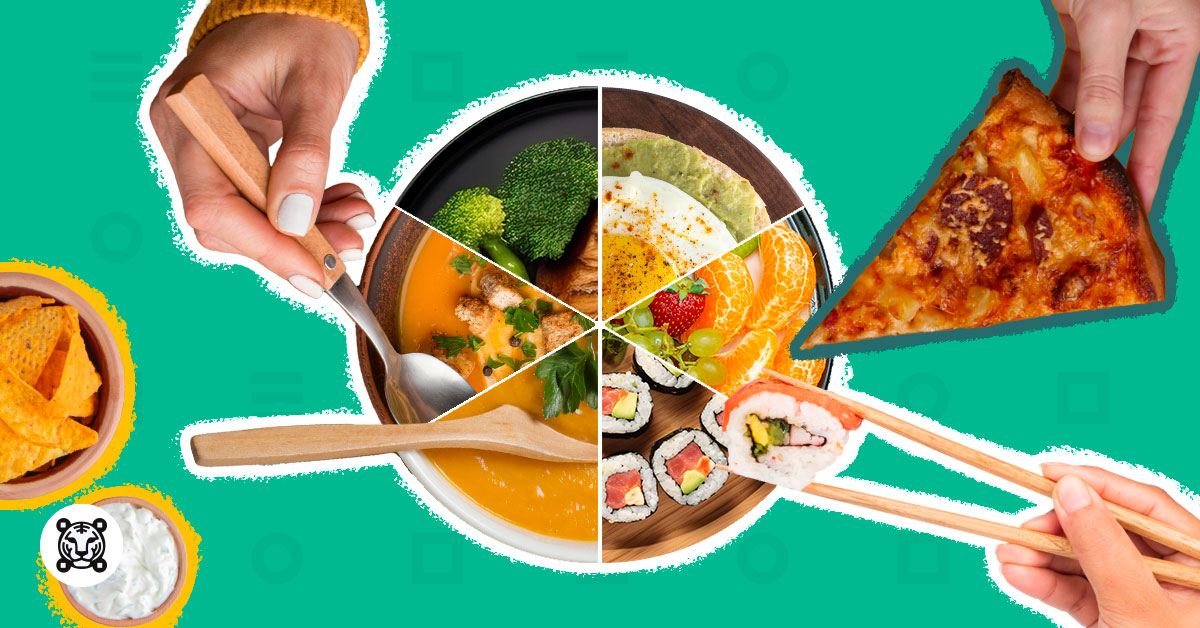
Globalization refers to the interconnectedness of nations, businesses, and individuals, facilitated by advancements in technology, communication, and international trade. In the context of food, globalization has led to the rapid exchange of culinary ideas, recipes, ingredients, and food products across borders. What was once a regional or national delicacy can now be found in the most unlikely corners of the globe. Think about how sushi, once deeply rooted in Japanese culture, is now served in cities worldwide, or how Mexican cuisine has gained popularity in urban centers far beyond the Americas.
This phenomenon is not limited to the spread of traditional foods. Globalization also includes the proliferation of fast food chains, the fusion of culinary styles, and the rise of food influencers on social media. The food industry, as a whole, has adapted to the demands of a globalized world, leading to both the preservation and modification of culinary practices.
The Impact of Globalization on Food Culture
- Increased Access to Diverse Foods
As a result of globalization, people now have access to an incredible variety of foods that they might not have encountered in their local markets or restaurants before. Globalization allows for greater culinary experimentation and the democratization of food from diverse cultures. - The Rise of International Chains and Fast Food
The expansion of international food chains like McDonald’s, Starbucks, and KFC has created a standardization of certain foods, which has led to the commodification of food culture. These fast-food giants often serve foods that are reinterpreted to fit local tastes, which might dilute or alter the original cultural significance of the dish. - Food Fusion Trends
The blending of culinary traditions from different parts of the world has created new food trends like Tex-Mex, sushi burritos, and Korean tacos. While food fusion can be seen as an exciting creative expression, it often blurs the lines between cultures, leading to questions about whether these innovations respect the origins of the food or exploit them.

What is Cultural Appropriation?
Cultural appropriation involves taking elements of one culture, often a marginalized or historically oppressed group, and using them outside of their original context. This can include the adoption of clothing, music, art, language, and, notably, food. In the case of food, cultural appropriation occurs when a dish, ingredient, or culinary practice is taken from its culture of origin and used in a way that disregards or misrepresents its history, significance, or meaning.
For example, when high-end restaurants serve dishes like tacos or pho without understanding their cultural significance, or when non-Asian chefs open sushi bars without acknowledging Japanese culinary traditions, they may be seen as appropriating food culture.
How Globalization Facilitates Food Cultural Appropriation
- The Commercialization of Traditional Foods
Global food chains and international markets often sell foods from different cultures without acknowledging the deep history behind these foods. When traditional dishes are marketed as “exotic” or “trendy,” their cultural context is often overlooked, reducing them to mere commodities. - The Lack of Representation and Credit
A key issue with food appropriation is the lack of credit given to the original culture. Chefs from marginalized communities often find their recipes or techniques used in mainstream restaurants without recognition or compensation. This not only devalues their cultural contributions but also perpetuates inequalities within the global food industry. - Simplification and Stereotyping
Globalization can lead to the oversimplification or distortion of traditional dishes. A dish like Indian curry, for example, might be altered to cater to Western tastes, omitting spices or ingredients that are central to the authentic recipe. Additionally, the “fusion” of culinary traditions may result in caricatures of the food rather than respectful reinterpretations.
Food as Cultural Identity
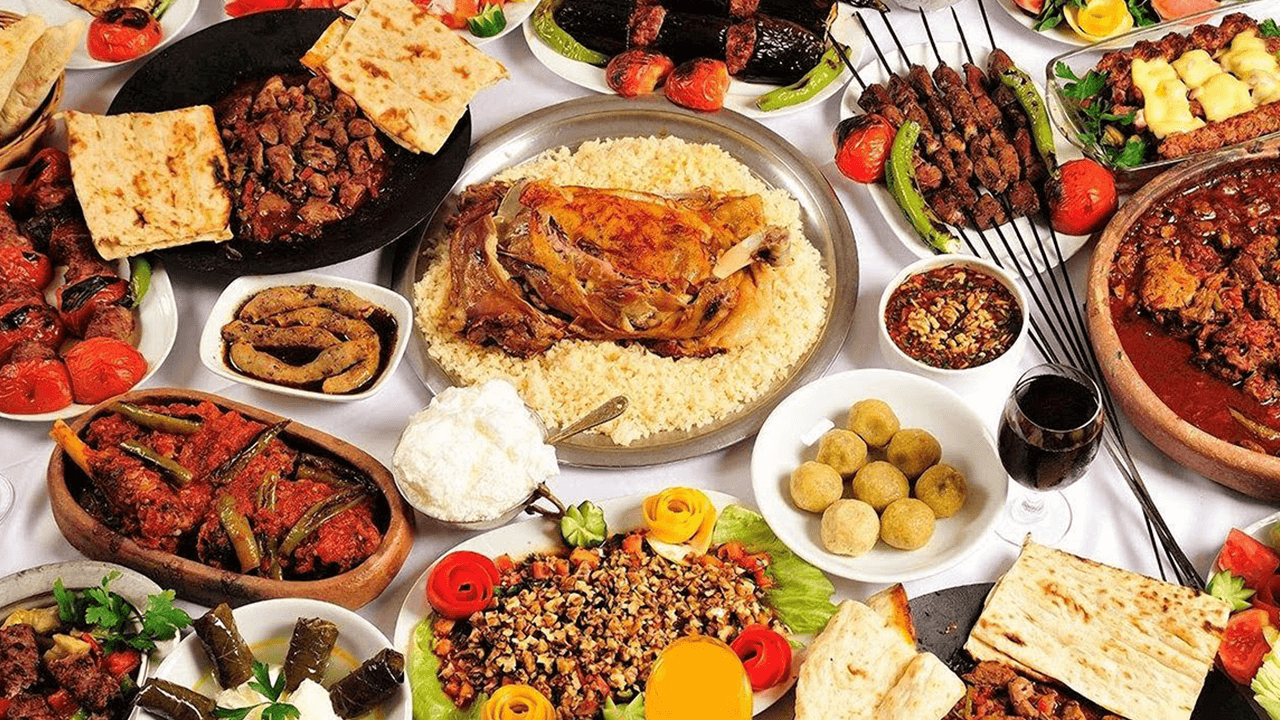
Food is more than just sustenance; it is a reflection of cultural identity, history, and tradition. Many cuisines have evolved over centuries, shaped by geography, climate, religion, and cultural exchange. The preparation and consumption of food are often deeply tied to rituals, family gatherings, and celebrations. For many communities, food is a symbol of resistance, resilience, and pride.
When food is taken out of context and commercialized without understanding its cultural significance, it can be seen as a form of cultural erasure. This is especially true for marginalized groups who have fought to preserve their food heritage amidst colonization, globalization, and cultural assimilation.
The Fine Line Between Sharing and Appropriation
While food cultural appropriation is a significant concern, it is important to distinguish between sharing and appropriation. Globalization offers opportunities for cultural exchange, and food is one of the most accessible ways to experience and appreciate another culture. The key difference lies in the respect and acknowledgment of the culture from which the food originates.
Ethical Considerations in Sharing Food Culture
- Cultural Sensitivity and Education
Engaging with food from other cultures requires an understanding of its origins and significance. Chefs, restaurants, and consumers alike should seek to learn about the history and context of the dishes they are enjoying. This involves asking questions, listening to the voices of marginalized communities, and being open to critique. - Supporting Authentic Representation
Instead of appropriating food, it is essential to support businesses, chefs, and food vendors from the cultures that produce the cuisine. By doing so, consumers help ensure that the people behind the food are recognized and fairly compensated for their work. - Avoiding Exploitation for Profit
Food should not be exploited for profit without due consideration. Businesses that profit off dishes from marginalized cultures without understanding or respecting the cultural significance risk perpetuating harmful stereotypes and inequalities.
Conclusion: Navigating the Complexities of Globalized Food Culture
Globalization has undeniably brought people closer together, fostering an appreciation for diverse cuisines and culinary traditions. However, as the world becomes more interconnected, it is crucial to approach food culture with respect, sensitivity, and awareness. While enjoying food from different cultures is a wonderful way to experience the world, it is essential to recognize the potential for cultural appropriation and the harm it can cause.
In the end, the goal should be to celebrate food in a way that honors its origins, acknowledges its cultural significance, and supports the communities that have preserved it for generations. By fostering mutual respect and understanding, we can navigate the complexities of globalization and food cultural appropriation without compromising the richness of the traditions that make food such a vital part of cultural identity.