






Coffee is an enigma in a cup. One sip, and it can feel like a warm hug; another, and your taste buds might recoil in shock at an unexpected bitterness. Many coffee lovers struggle with this delicate balance. If your morning cup has been tasting bitter, you’re not alone—but the good news is that bitterness in coffee is rarely an unsolvable problem. It’s usually a sign of something in the preparation process, the beans, or the water that can be adjusted.
In this article, we’ll dive into the science, the art, and the tiny tweaks that can transform your bitter brew into a smooth, flavorful delight. By the end, you’ll know why your coffee tastes bitter and, more importantly, how to fix it.
Understanding Coffee Bitterness
Bitterness is one of the five basic tastes our tongues can detect, along with sweet, sour, salty, and umami. In coffee, bitterness is not inherently bad—it is part of the flavor profile of many high-quality beans. However, when bitterness overpowers other flavors, it becomes unpleasant.
Several factors contribute to a bitter cup of coffee:
- Over-extraction: Coffee is made by dissolving soluble compounds from coffee grounds into water. Over-extraction occurs when too many compounds, including undesirable bitter ones, are pulled from the grounds.
- Dark roasts: While some people love the bold taste of dark-roasted beans, roasting caramelizes sugars and can amplify bitter compounds.
- Old or stale beans: Coffee loses freshness over time, and stale beans can taste harsh and bitter.
- Improper brewing temperature: Too-hot water can extract bitter compounds more aggressively.
- Grind size: Finer grounds extract faster, potentially leading to over-extraction.
- Brewing method: Some brewing methods naturally emphasize bitterness if not done carefully.
The Role of Coffee Beans
Your coffee starts with the beans, and the type, roast, and freshness all play a massive role in bitterness.
Bean Type
Arabica and Robusta are the two main coffee species. Arabica beans are generally smoother and less bitter, with more nuanced flavor profiles, while Robusta beans are naturally higher in caffeine and tend to taste more bitter and astringent.
Roast Level
Roast levels affect flavor complexity and bitterness:
- Light Roast: Bright, acidic, often fruity or floral; minimal bitterness.
- Medium Roast: Balanced flavors with mild bitterness.
- Dark Roast: Smoky, bold, and often bitter if overdone.
Choosing the right roast for your taste can make a huge difference. If your coffee is consistently bitter, switching to a lighter roast may be the first step.
Freshness
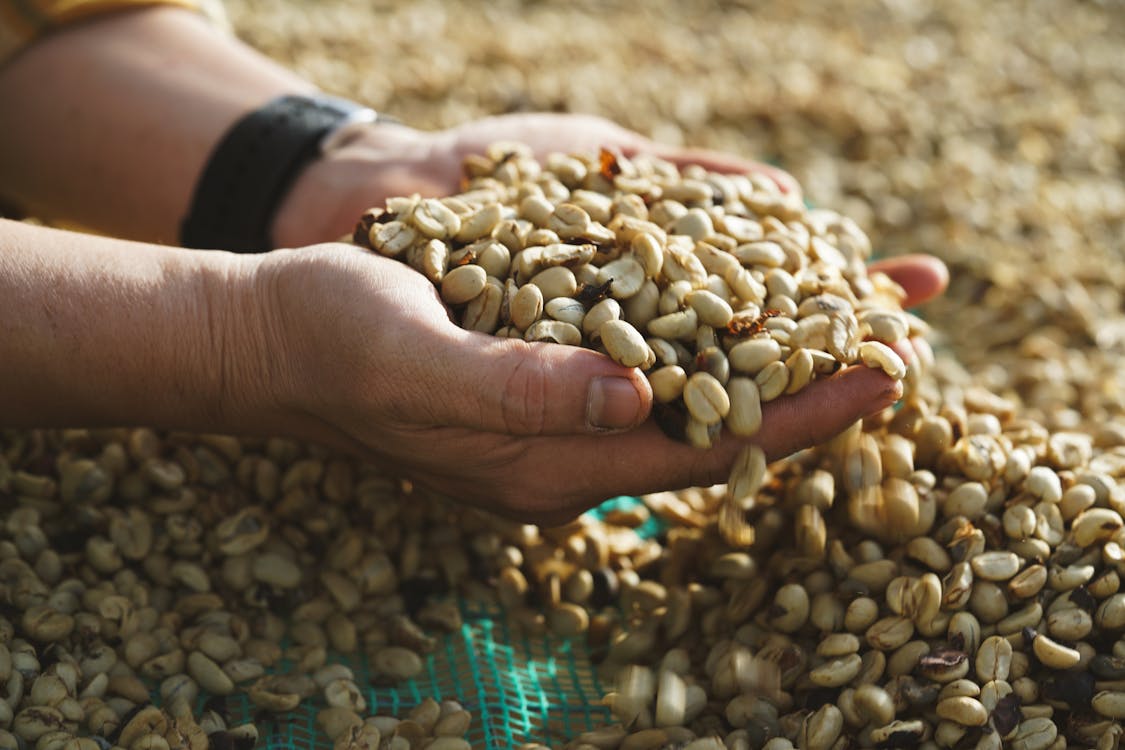
Coffee is at its peak flavor for just a few weeks after roasting. Oxygen, moisture, and light accelerate degradation, leading to flat, bitter-tasting coffee. Always store beans in an airtight container, away from heat and sunlight, and grind just before brewing.
Water Quality and Temperature
Coffee is over 98% water, so water quality directly impacts taste.
Water Composition
Hard water, with high mineral content, can enhance bitterness. Soft water can under-extract, leaving coffee sour. Ideally, water should be filtered with balanced mineral content. Avoid distilled or overly soft water.
Brewing Temperature
Water temperature matters:
- Ideal range: 195–205°F (90–96°C)
- Too hot, and you over-extract bitter compounds.
- Too cool, and extraction is incomplete, often leaving sourness instead of bitterness.
Using a thermometer or a kettle with precise temperature control can eliminate one major source of bitterness.
Grind Size and Brewing Time
The size of your coffee grounds and how long you brew them are closely linked to extraction.
- Fine grind: More surface area, faster extraction, higher risk of bitterness.
- Coarse grind: Slower extraction, may taste weak or sour if under-extracted.
Different brewing methods require specific grind sizes:
- Espresso: Fine
- Drip coffee: Medium
- French press: Coarse
Adjusting grind size slightly can balance bitterness and sweetness. Experiment in small increments; even a tiny adjustment can have a noticeable effect.
Brewing Methods and Their Impact
Different brewing methods emphasize different flavors. Here’s a breakdown:
Espresso
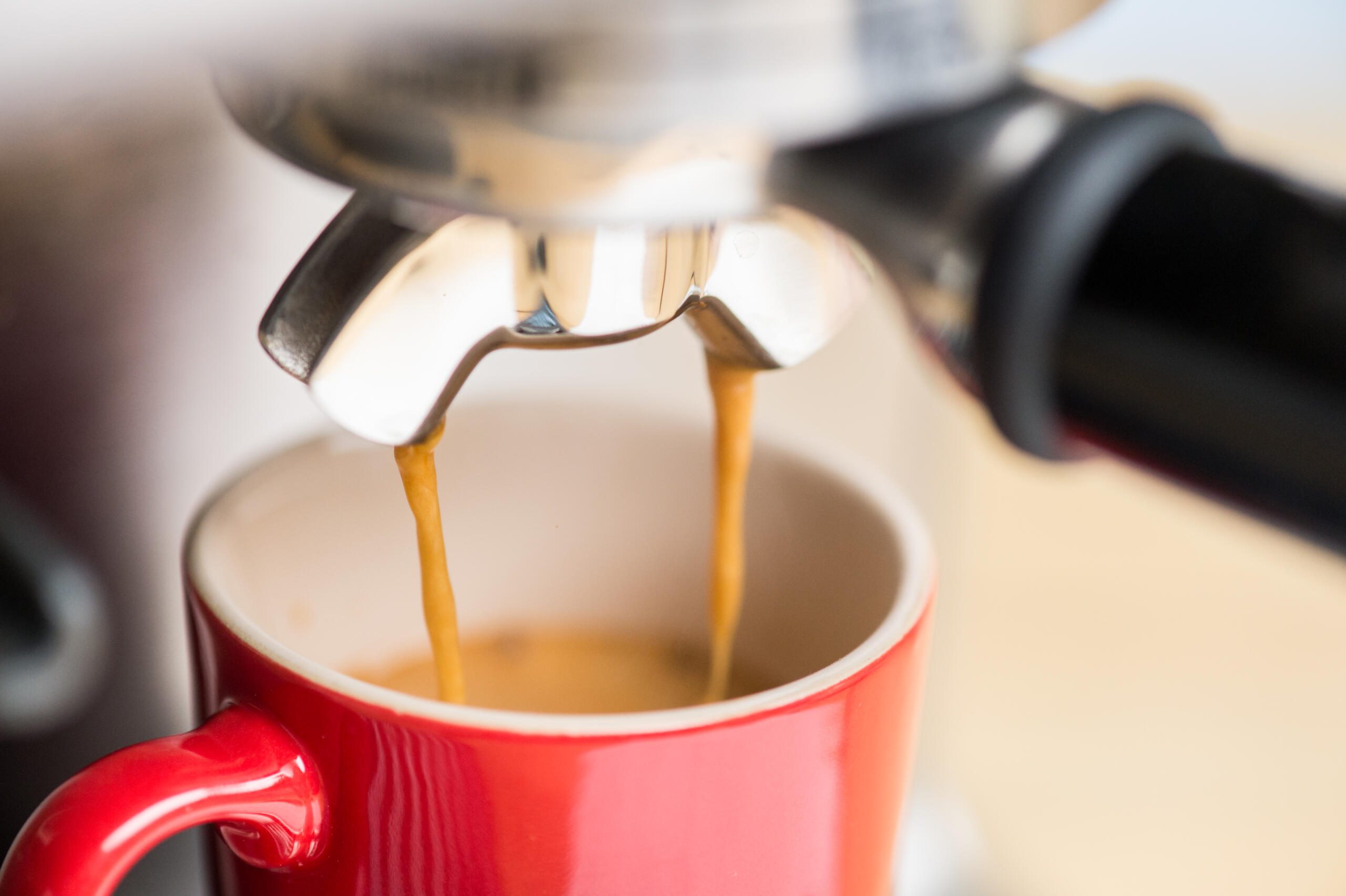
Espresso is concentrated and intense. Over-extraction or too-fine grounds can make it extremely bitter. Correct pressure, temperature, and shot timing are key.
Drip Coffee
Automatic drip machines often overheat water or extract unevenly, especially with fine grounds. Consistent water flow and correct grind size are crucial.
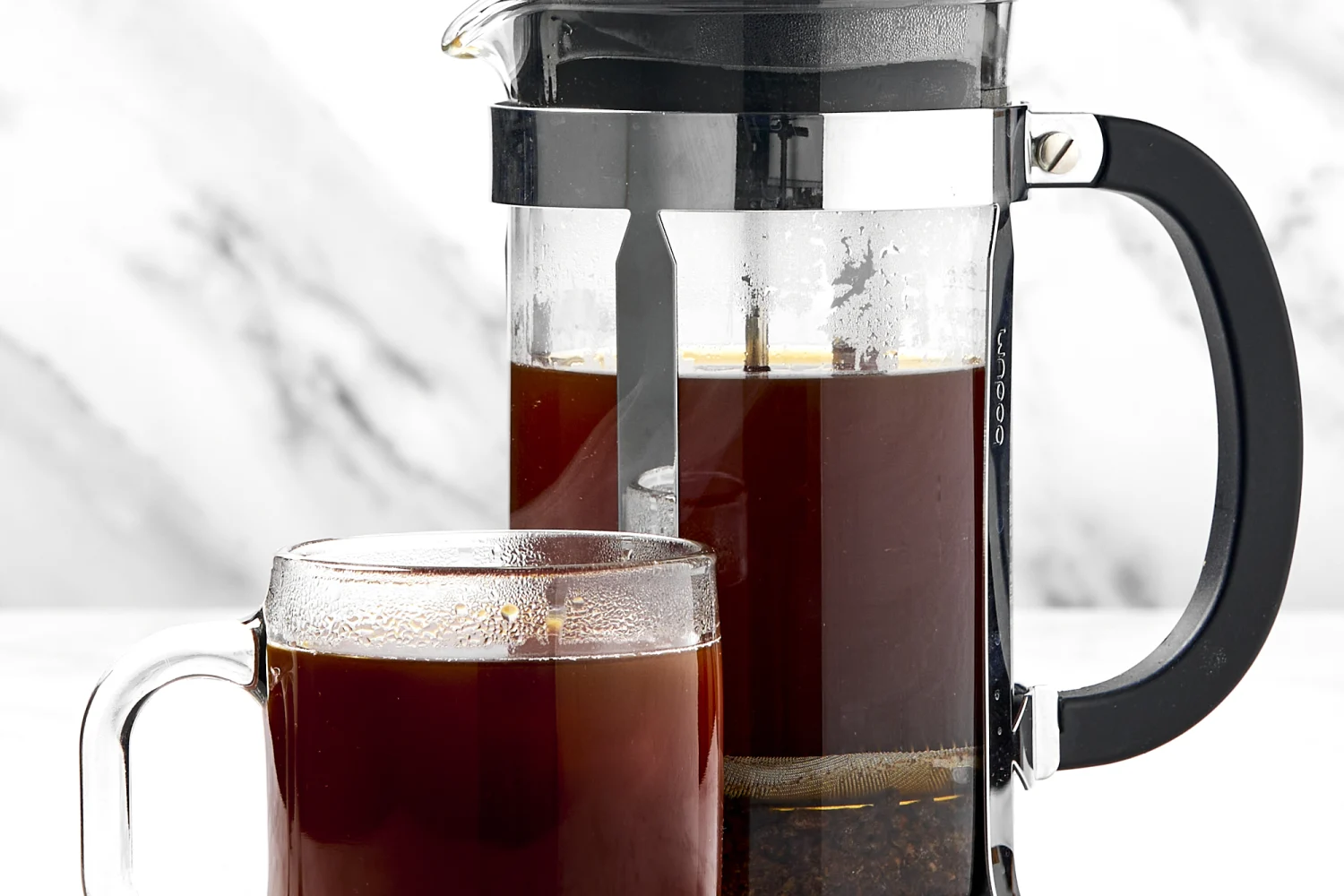
French Press
French presses allow full immersion brewing, which can lead to bitterness if steeped too long. Typical brew time: 4 minutes. Longer extraction pulls more bitter compounds.
Pour-Over
Pour-over gives precise control over water distribution and temperature. Even slight variations can influence bitterness, making technique important.
Cold Brew
Cold brew is naturally low in bitterness because it uses cold water, which extracts fewer bitter compounds. If bitterness is a problem, cold brew can be a solution.
Adjusting Coffee Ratios
How much coffee you use also matters. Too much coffee for the water volume can over-extract bitter flavors. General guidelines:
- Standard drip: 1:15–1:17 coffee-to-water ratio
- French press: 1:12–1:15
- Espresso: 1:2–1:2.5 (coffee to liquid)
Measuring your coffee by weight instead of volume improves consistency and reduces the risk of bitterness.
Techniques to Reduce Bitterness
If you’re dealing with bitter coffee, here are proven fixes:
1. Control Brew Temperature
Keep water below boiling but hot enough for proper extraction (195–205°F).
2. Adjust Grind Size
Slightly coarser grounds can reduce over-extraction, softening bitterness.
3. Use Fresh Beans
Freshly roasted, high-quality beans almost always taste sweeter and smoother.
4. Mind Brewing Time
Reduce steeping time in immersion methods or shorten shot time for espresso.
5. Experiment with Ratios
Lowering coffee-to-water ratio can help if the coffee tastes too strong and bitter.
6. Consider Coffee Additives
While purists prefer black coffee, a pinch of salt, a splash of milk, or a touch of sweetener can balance bitterness without masking flavor.
Understanding Coffee Chemistry
Coffee bitterness comes from chemical compounds:
- Caffeine: Naturally bitter, more concentrated in Robusta beans.
- Chlorogenic acids: Break down into quinic and caffeic acid during roasting, increasing bitterness.
- Maillard reaction products: Responsible for roasted flavors, can taste bitter in dark roasts.
Knowing this explains why over-roasted, over-extracted, or stale coffee is bitter—too many bitter compounds are present, overshadowing desirable flavors like sweetness and acidity.
Advanced Tips for Coffee Enthusiasts
If you’re ready to take your coffee beyond casual tweaks, consider these:
Use a Scale
Precision is everything. Measure both coffee and water by weight.
Invest in a Burr Grinder
Blade grinders produce uneven particle sizes, leading to uneven extraction and bitterness. Burr grinders ensure uniformity.
Experiment with Brewing Variables
Variables include water temperature, brew time, grind size, and agitation. Keeping notes helps identify your ideal combination.
Cold vs. Hot Brewing
If your palate prefers smooth and less bitter coffee, cold brew or aeropress methods may consistently give better results.
When Bitterness Is Normal
Not all bitterness is bad. Dark-roasted beans, espresso shots, and some specialty blends are intended to be slightly bitter. The goal isn’t to eliminate bitterness entirely but to balance it with sweetness, acidity, and body.
Professional tasters describe this balance as flavor harmony. A well-balanced cup should have:
- Sweetness: Counteracts bitterness naturally
- Acidity: Adds liveliness
- Body: Adds mouthfeel
- Aroma: Enhances perception of taste
A cup with controlled bitterness can be incredibly satisfying, providing depth and complexity that flat, one-dimensional coffee cannot.
Common Mistakes That Make Coffee Bitter
- Boiling water directly on grounds – destroys delicate flavors and extracts excessive bitter compounds.
- Using stale coffee – loses oils and flavors, leaving only harsh bitterness.
- Incorrect grind size – fine grind in French press or coarse grind in espresso can cause bitterness.
- Over-roasting beans – can create burnt, smoky bitterness.
- Neglecting equipment cleanliness – old oils in machines or filters can impart bitter notes.
Avoiding these mistakes is often enough to noticeably improve flavor.
Summary: Fixing Bitter Coffee
Let’s distill everything into actionable steps:
- Choose the right beans: Fresh, high-quality Arabica, medium roast.
- Store beans properly: Airtight, dark, cool environment.
- Use proper grind size: Match grind to brewing method.
- Control water temperature: 195–205°F.
- Mind brewing time: Don’t over-steep or over-extract.
- Measure ratios: Weigh coffee and water.
- Clean equipment: Regularly clean machines, grinders, and filters.
- Experiment and adjust: Small tweaks create the perfect balance.
With patience and attention to detail, bitterness can become an accent rather than a flaw—a complex layer of flavor rather than a jarring note.