





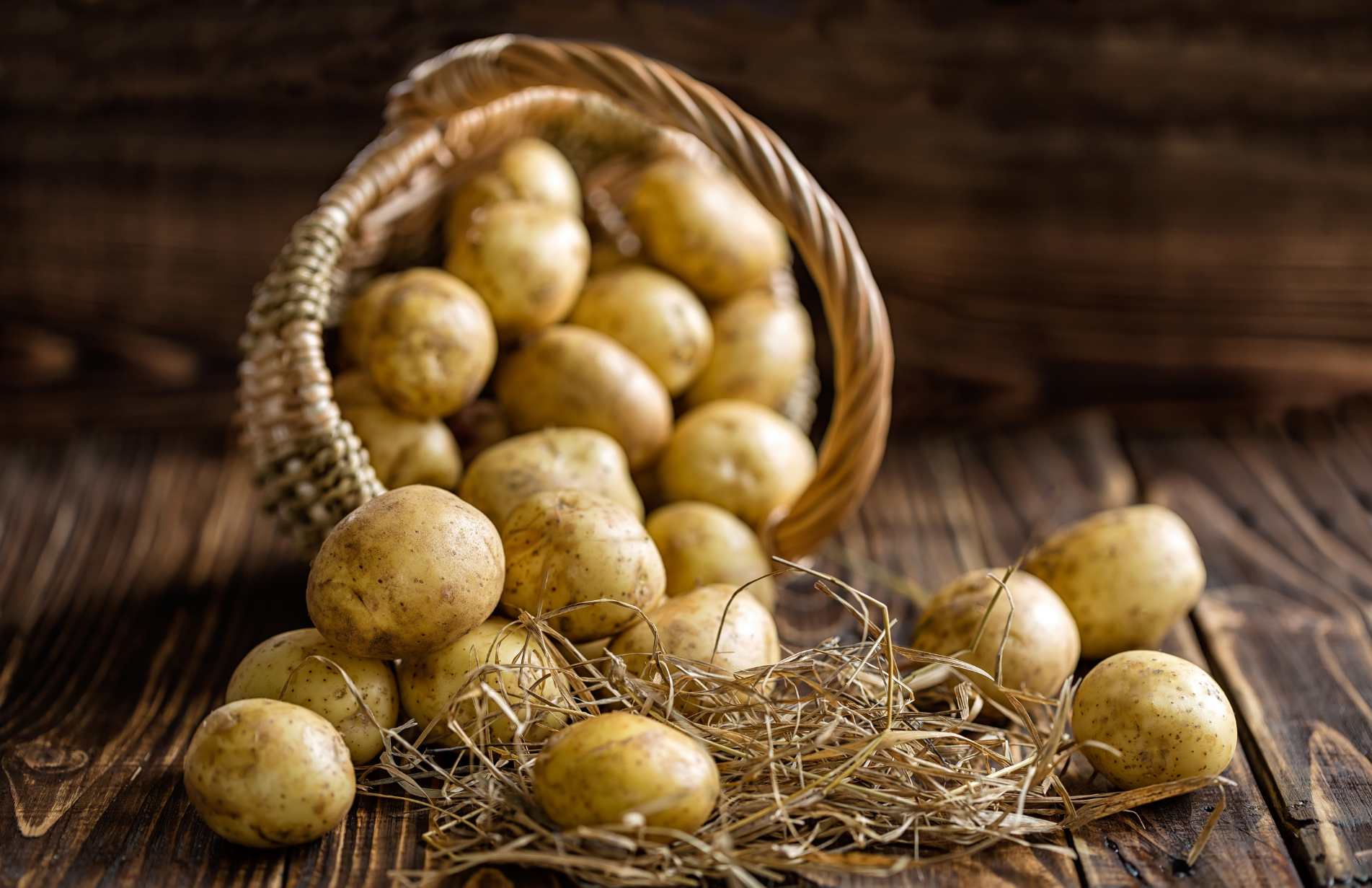

Potatoes are one of the most versatile and beloved staples in kitchens around the world. From crispy fries to creamy mashed potatoes, their culinary potential seems almost endless. Yet, despite their popularity, potatoes can be surprisingly tricky to store. Left unchecked, they can spoil, sprout, or develop harmful toxins that make them unsafe to eat. Knowing how to determine whether your potatoes are still good is not only important for avoiding waste but also for safeguarding your health. In this guide, we’ll explore the science of potatoes, storage techniques, signs of spoilage, and practical tips for keeping them at their peak.
Understanding Potatoes: More Than Just a Starchy Vegetable
Before diving into spoilage, it’s important to understand what a potato is. Potatoes belong to the Solanaceae family, commonly known as the nightshade family. They are tubers, which means they store nutrients in their underground stems. This storage capability makes them remarkably resilient—but only under the right conditions. Potatoes are naturally rich in carbohydrates, vitamins (especially vitamin C and B6), potassium, and dietary fiber. Their composition, however, makes them susceptible to certain changes after harvest.
Potatoes continue to respire after they are harvested. This means they convert stored starch into sugars and release carbon dioxide and water. This respiration process, combined with environmental factors such as light, temperature, and humidity, determines their shelf life and usability.
1. Signs of Freshness: When Potatoes Are Perfectly Usable
The first step in assessing potato quality is knowing what a healthy, fresh potato looks like. Fresh potatoes should have:
- Firm Texture: When you squeeze a potato gently, it should feel solid and dense. Soft spots or mushy areas are red flags for spoilage.
- Smooth Skin: Minor blemishes are normal, but overall skin should be tight and free of large cuts, cracks, or deep wrinkles.
- Uniform Color: Most potato varieties have distinct skin colors, from golden to red to purple. Any unusual discoloration can indicate early deterioration.
- Dry Surface: Potatoes should be dry to the touch. Excess moisture can promote mold and rot.
Visually inspecting potatoes is the first and easiest step. A quick squeeze can help detect early soft spots that might not be obvious at first glance.
2. Sprouting: A Sign of Age but Not Always Danger
Sprouting is a common issue in potatoes. Small shoots or “eyes” begin to grow as the potato tries to reproduce. While sprouts may look unappetizing, they do not always mean the potato is unsafe to eat. Here’s what you need to know:
- Small Sprouts: If the potato is otherwise firm and healthy, you can simply remove the sprouts before cooking.
- Large, Green Sprouts: This is a warning sign. Green sprouts indicate the presence of solanine, a naturally occurring toxic compound. Consuming large amounts of solanine can cause nausea, headaches, or more severe symptoms.
- Storage Tips to Prevent Sprouting: Keep potatoes in a dark, cool, and dry place. Avoid storing them near onions, as this can accelerate sprouting.
Sprouting is nature’s way of saying the potato is ready to grow, not necessarily ready to eat. Proper storage can extend usability even after small sprouts appear.
3. Green Skin: A Cautionary Tale
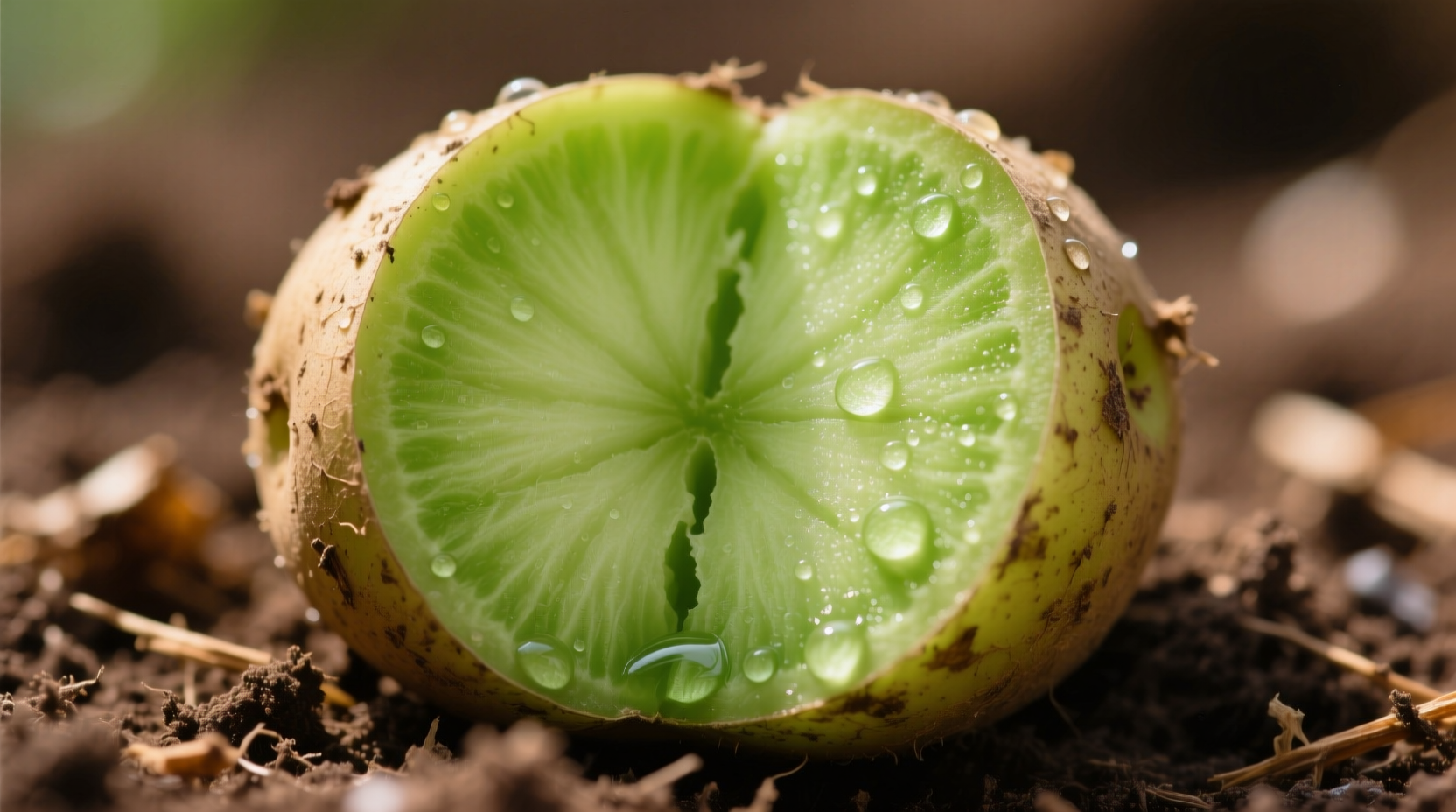
Potatoes turn green when exposed to light. The green coloration is caused by chlorophyll, which itself is harmless, but it often signals the presence of solanine. Key points about green potatoes include:
- Avoid Eating Large Green Areas: Cut away small green patches, but if more than 10–15% of the potato is green, it’s safer to discard it.
- Why It Happens: Light exposure stimulates chlorophyll production. Keeping potatoes in opaque containers or dark cupboards reduces this risk.
- Taste and Texture Impact: Green potatoes often taste bitter and can affect the texture of dishes.
A potato with even a slightly green hue is still salvageable with careful peeling and trimming. However, safety should always take precedence over culinary ambition.
4. Mold and Rot: Clear Signs of Spoilage
One of the most obvious indicators of a potato that is no longer good is mold or rot. Here’s how to identify it:
- Soft, Mushy Spots: When a potato has large areas of softness, it indicates internal decay.
- Foul Odor: Fresh potatoes have an earthy smell. Sour or musty odors are a sign of bacterial or fungal spoilage.
- Visible Mold: White, blue, or black fuzzy growth on the skin or in cuts signals mold contamination.
Moldy or rotting potatoes should be discarded immediately. Eating spoiled potatoes is a serious health risk and should not be attempted.
:max_bytes(150000):strip_icc()/sprouted-potatoes-on-wooden-table-138537986-575f02513df78c98dc1eb2cc.jpg)
5. Wrinkles and Shriveling: When Moisture Goes Missing
Potatoes naturally contain high amounts of water. As they age, they lose moisture, which results in shriveling and wrinkles. While a wrinkled potato is not automatically unsafe, it is a sign of declining quality:
- Slight Wrinkles: These potatoes can still be cooked and eaten, but the texture may be less fluffy or firm.
- Severely Shriveled: If the potato is extremely wrinkled, dry, and lightweight, it’s past its prime and should be discarded.
- Reviving Wrinkled Potatoes: Sometimes soaking slightly wrinkled potatoes in water can plump them up, improving texture for cooking.
Moisture loss affects both the cooking process and the flavor of the potato, making freshness a key factor for dishes that rely on texture.
6. Taste Test: When in Doubt
Sometimes, visual inspection is not enough. Cooking a small piece of potato and tasting it can be the final test of usability. Signs of spoilage include:
- Bitter Taste: Usually caused by solanine accumulation. Avoid consuming any potato that tastes noticeably bitter.
- Off Flavors: Sour or fermented notes indicate bacterial contamination.
- Texture Issues: Mushy, slimy, or stringy textures after cooking mean the potato has deteriorated.
A simple taste test should always follow visual inspection if the potato shows any unusual characteristics but seems mostly intact.
7. Storage Secrets: Maximizing Potato Shelf Life
How potatoes are stored directly affects their longevity. Follow these expert storage tips:
- Cool, Dark, and Dry: Ideal temperatures range between 45–50°F (7–10°C). Avoid storing in the refrigerator, which can convert starches into sugar, altering flavor and cooking properties.
- Ventilation Matters: Keep potatoes in breathable containers such as mesh bags, baskets, or paper bags. Plastic bags trap moisture, promoting rot.
- Separate From Onions: Onions release gases that accelerate potato spoilage. Store them separately for maximum freshness.
- Check Regularly: Inspect stored potatoes weekly and remove any that show early signs of spoilage. This prevents one bad potato from affecting the others.
Proper storage can extend the life of a potato from a few weeks to several months, depending on the variety.
8. Potato Varieties and Shelf Life Differences
Not all potatoes age the same way. Different varieties have varying shelf lives:
- Russet Potatoes: Excellent for baking and frying, they store well for 1–2 months in cool conditions.
- Red Potatoes: Thin-skinned, they are more prone to moisture loss and sprouting, usually lasting 2–3 weeks.
- Yukon Gold: Creamy and buttery, they keep for 3–4 weeks under proper storage.
- Specialty Varieties: Purple, fingerling, and new potatoes tend to have shorter shelf lives and require careful handling.
Knowing the variety of potato you are dealing with can help you anticipate how quickly it will degrade.
9. Creative Ways to Use Potatoes That Are Past Their Peak
Not every potato that isn’t perfect needs to be thrown away. There are creative ways to use potatoes that are slightly sprouted, wrinkled, or bruised:
- Soup and Stew: Soft or slightly sprouted potatoes can be peeled and added to soups, stews, and curries.
- Mashed Potatoes: Wrinkled or slightly dry potatoes can be boiled and mashed with butter and cream to restore creaminess.
- Baked Potato Casseroles: Cut away any bruised areas and use the rest in layered dishes or gratins.
- Potato Chips or Fries: Slicing and frying can mask minor imperfections while delivering crisp, tasty results.
Waste reduction is both economical and environmentally friendly, and with the right techniques, potatoes can be transformed even in their later stages.
10. Health and Safety: Why You Should Never Ignore Signs of Spoilage
Eating spoiled potatoes can have serious consequences. Here’s why paying attention matters:
- Solanine Poisoning: Green sprouts or skin contain this natural toxin, which can cause nausea, vomiting, headaches, or neurological issues in high doses.
- Bacterial Contamination: Rotting potatoes harbor bacteria that can lead to foodborne illnesses.
- Mold Risks: Some molds produce mycotoxins, which are harmful if ingested.
Being able to identify spoilage signs isn’t just about taste—it’s a crucial safety measure. Always prioritize health over waste reduction.
11. Quick Reference: How to Tell If a Potato Is Still Good
Here’s a condensed checklist for quick assessment:
- Firmness: Soft spots? Discard.
- Sprouts: Small sprouts can be removed; large green sprouts mean discard.
- Color: Green patches indicate solanine—trim or discard if extensive.
- Wrinkles: Slight wrinkles are okay; extreme shriveling is a no-go.
- Mold/Odor: Any visible mold or sour smell? Toss immediately.
- Taste: Bitter or off flavors after cooking? Do not consume.
This checklist simplifies decision-making and reduces guesswork in the kitchen.
12. Practical Tips for Buying and Storing Potatoes
To minimize spoilage from the start:
- Buy Firm and Smooth: Inspect potatoes carefully before purchase.
- Avoid Damaged Ones: Cuts and bruises accelerate decay.
- Check Packaging: Ensure bags are dry and ventilated.
- Store Immediately: Don’t leave potatoes in warm areas for prolonged periods.
Starting with high-quality potatoes makes all the difference in longevity and taste.
13. Fun Facts About Potato Longevity
- Potatoes were first domesticated over 7,000 years ago in South America. Early farmers relied on careful storage to survive winter months.
- Some potato varieties can naturally last over six months if kept in optimal conditions.
- Potatoes are one of the few vegetables that continue to “breathe” after harvest, making storage a science of controlling temperature, humidity, and light exposure.
Understanding these facts highlights that potato longevity isn’t accidental—it’s the result of nature and human ingenuity working together.
Conclusion
Potatoes may seem humble, but their complexity is fascinating. Knowing how to tell if your potatoes are still good to use involves a mix of observation, touch, and sometimes taste. Firmness, color, sprouting, mold, wrinkles, and odor are all critical indicators. Proper storage, careful handling, and knowledge of potato varieties can greatly extend shelf life. Even slightly aged potatoes can be transformed into delicious dishes with a little creativity. Most importantly, understanding spoilage signs protects your health and ensures your meals remain safe and enjoyable. By paying attention to these details, you can make the most out of every potato you buy, reducing waste and elevating your culinary game.