





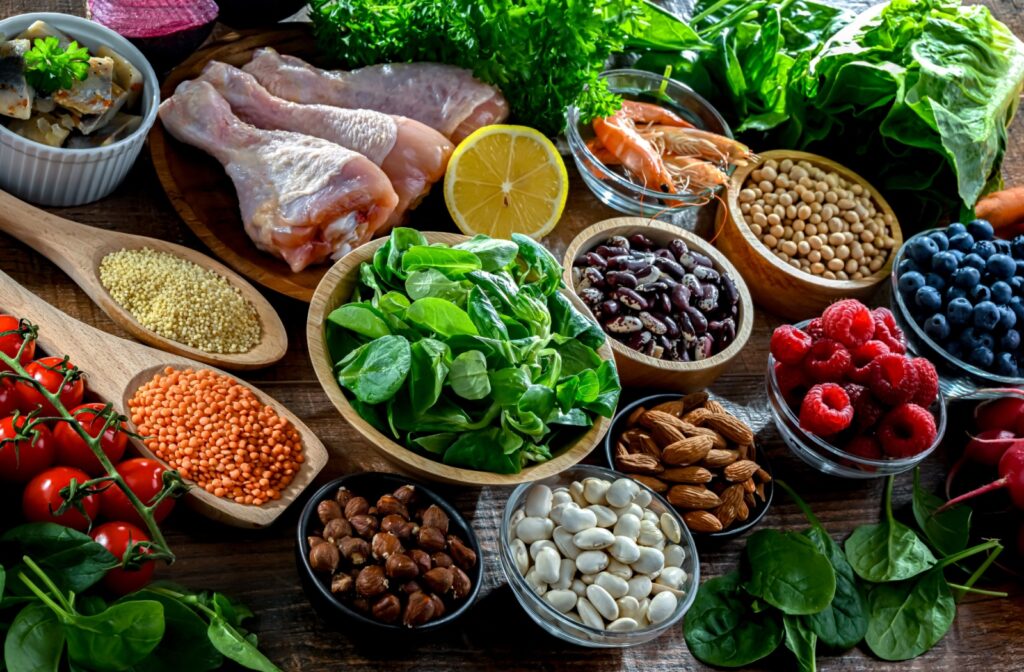

Food is more than fuel. It is a language the brain speaks fluently, a time machine disguised as a meal, and a biological signal that quietly shapes how memories are formed, stored, and retrieved. A single bite can summon a childhood kitchen, a distant city, or a person long gone. At the same time, what we eat—day after day—can influence attention, learning, and the resilience of memory itself. The connection between food and memory is therefore both poetic and practical: it spans molecules and moments, neurons and nostalgia.
This article explores that connection in depth. We will move from the sensory gateways that turn flavors into recollections, to the neural circuits that bind meals to meaning, to the nutrients that support memory across a lifetime. Along the way, we will look at culture, emotion, habit, and even forgetting—because memory is not only about what we keep, but also about what fades. The goal is to be concise yet rich, scientifically grounded yet lively, and to show how food sits at the crossroads of biology and experience.
1. Memory Begins at the Table
Memory is not a single thing. It is a family of processes: encoding (taking information in), consolidation (stabilizing it), storage (keeping it), and retrieval (bringing it back). Food touches all of these stages.
Consider encoding. Eating is a multisensory event. Vision previews color and shape; smell primes expectation; taste and texture deliver confirmation or surprise; sound adds crunch or sizzle; and the body’s internal signals register warmth, fullness, or comfort. When multiple senses fire together, the brain treats the moment as important. Importance is memory’s favorite invitation.
Consolidation, too, is influenced by food. After a meal, hormonal and metabolic signals change. Glucose levels rise, insulin responds, neurotransmitters adjust. These shifts can affect how well newly encoded memories are stabilized. Storage depends on the health of neural networks—networks that require nutrients, energy, and protection from inflammation. Retrieval often relies on cues, and food is a powerful cue. A smell encountered years later can unlock a memory that words never could.
In short, food does not merely accompany memory. It participates.
2. The Sensory Shortcut: Why Smell Is a Memory Superhighway
Among the senses, smell holds a privileged position in memory. This is not a romantic exaggeration; it is anatomy. Olfactory signals travel from the nose to brain regions involved in emotion and memory with fewer relay stations than other senses. There is less bureaucratic delay, less filtering. The result is immediacy.
When you smell fresh bread or a particular spice blend, the experience can feel sudden and overwhelming. That intensity arises because olfaction is closely linked to the limbic system, including structures that assign emotional weight. Emotion acts like a highlighter for memory. Events with emotional color—joy, comfort, surprise—are more likely to be remembered, and more vividly.
Taste works hand in hand with smell. What we call “flavor” is largely olfactory, enriched by taste receptors that detect sweetness, bitterness, sourness, saltiness, and savoriness. Texture and temperature add further layers. Together, these inputs create a sensory signature. The brain stores that signature alongside context: where you were, who you were with, how you felt. Years later, recreating part of the signature can resurrect the whole scene.
This is why food memories are often older and more detailed than visual memories. A photograph captures a moment; a flavor captures a world.
3. Emotion, Comfort, and the Chemistry of Remembering
Emotion and memory are inseparable, and food is one of emotion’s favorite tools. Comfort foods are not comforting by accident. They often combine sensory richness with learned associations: care, safety, celebration, or relief. Over time, the brain learns that certain foods predict emotional outcomes. That prediction itself becomes part of the memory.
Neurochemically, pleasurable eating can engage reward pathways. Dopamine does not simply signal pleasure; it signals significance. When dopamine activity coincides with an experience, the brain tags that experience as worth remembering. This does not mean all pleasurable meals become lifelong memories, but it does mean that food linked to meaningful moments—holidays, reunions, achievements—has a mnemonic advantage.
Stress complicates the picture. Acute stress can sharpen memory for emotionally charged events, while chronic stress can impair memory formation and retrieval. Food often enters this equation as a regulator. For some, eating reduces stress and creates a calmer state more conducive to encoding. For others, stress alters eating patterns in ways that undermine memory over time. The relationship is bidirectional and deeply personal.
4. Culture on a Plate: Collective Memory and Culinary Identity
Memory is not only individual; it is collective. Cultures remember through rituals, stories, and recipes. Food functions as an archive that can be tasted. A traditional dish carries information about geography, climate, trade, and history. Preparing it often involves techniques passed down through generations, embedding memory in muscle as well as mind.
Family meals are a prime example. Repeated dishes at repeated times—weekends, festivals, seasons—create a rhythm. That rhythm becomes a scaffold for memory. Children learn not just flavors, but expectations: what happens when this food appears, who is present, what stories are told. Later in life, reproducing the dish can reproduce the memory, even in a different place.
Migration adds another layer. For those who move far from their birthplace, food can preserve identity when language and landscape change. Ingredients become stand-ins for home. The memory encoded is not only of taste, but of belonging. In this sense, food memory is also social memory, binding individuals to groups across time and space.
5. Learning, Attention, and the Brain’s Energy Budget

Memory requires energy. The brain, though only a fraction of body weight, consumes a disproportionate share of fuel. Glucose is a primary energy source, and its availability can influence cognitive performance. Too little energy, and attention falters. Too much, delivered too quickly, and regulation becomes difficult.
Meals can therefore affect learning and memory in subtle ways. A balanced meal that provides steady energy can support sustained attention and better encoding. A meal that leads to rapid spikes and crashes may impair focus and retrieval. Timing matters as well. Learning immediately after a heavy meal may feel different than learning when lightly fed. These effects are not uniform across people, but the principle remains: metabolism and memory are linked.
Hydration is often overlooked. Even mild dehydration can affect attention and working memory. Because thirst is a delayed signal, people may not realize their cognitive state is being influenced. Water does not carry nostalgia like food does, but it quietly supports the machinery that makes memory possible.
6. Nutrients as Memory Architects
Beyond energy, specific nutrients play structural and regulatory roles in the brain. Memory depends on neurons communicating efficiently, forming new connections, and protecting themselves from damage. Diet influences all of these processes.
Fats are a key example. The brain is rich in lipids, and certain fatty acids contribute to the flexibility and function of neural membranes. This flexibility affects how signals are transmitted and how synapses adapt during learning. Proteins supply amino acids, the building blocks for neurotransmitters and receptors. Micronutrients participate in enzymatic reactions that underlie neural activity.
Antioxidant compounds, found in many plant foods, help manage oxidative stress. While oxidative processes are a normal part of metabolism, excessive stress can damage cells and impair memory over time. Anti-inflammatory components may also support cognitive health by maintaining a more favorable neural environment.
It is important to avoid simplistic claims. No single food “boosts memory” in isolation. Memory emerges from systems. Diet contributes by supporting those systems consistently, not by providing a magical ingredient.
7. The Gut-Brain Conversation
One of the most intriguing developments in neuroscience is the growing appreciation of the gut-brain axis. The digestive system and the brain are in constant communication through neural, hormonal, and immune pathways. The gut contains a vast community of microorganisms that participate in digestion and produce compounds that can influence brain function.

These microbial partners are shaped by diet. Over time, dietary patterns can influence the balance of this ecosystem, which in turn can affect mood, stress responsiveness, and potentially aspects of memory. The mechanisms are complex and still being unraveled, but the message is clear: what happens in the gut does not stay in the gut.
From a memory perspective, this suggests that food influences cognition not only directly through nutrients and energy, but indirectly through the internal environment in which the brain operates. The memory of a meal may be immediate and sensory, while the memory effects of diet may be slow and cumulative.
8. Habit, Routine, and the Architecture of Recall
Memory thrives on structure. Regular routines create predictable contexts that make encoding and retrieval more efficient. Meals are among the most reliable anchors of daily life. Breakfast, lunch, dinner—these are temporal landmarks.
When learning is paired with a consistent routine, memory benefits. Studying at a regular time, perhaps after a particular meal, can create contextual cues that later assist recall. Conversely, chaotic eating patterns may contribute to irregular energy and attention, indirectly affecting memory performance.
Habits also free cognitive resources. When decisions about food are simplified by routine, the brain can allocate more attention to learning and remembering. This does not mean routines must be rigid or boring. Variation within a stable framework can provide both novelty and reliability, a combination the brain appreciates.
9. Food as a Cue: The Power of Context-Dependent Memory
Context-dependent memory refers to the phenomenon in which recall is improved when the context at retrieval matches the context at encoding. Food can be a powerful context. The flavor of mint, the bitterness of coffee, the warmth of soup—these can become part of the memory trace.
This is why certain foods seem to “unlock” specific memories. The cue does not need to be consciously recognized. A subtle aroma can shift the brain into a state that resembles the original moment of learning. The closer the match, the easier retrieval becomes.
This principle has practical implications. Students sometimes associate certain snacks or drinks with studying. While this should not be taken to extremes, the idea is sound: consistent sensory contexts can support recall. On the flip side, changing contexts can help break unhelpful associations, such as stress-linked eating patterns.
10. Childhood, Aging, and the Long Arc of Food Memory
Food memory spans the lifespan. In childhood, sensory experiences are often novel and intense. The brain is highly plastic, and memories formed during this period can be remarkably durable. Early food experiences can shape preferences and aversions for years, sometimes for life.
As people age, memory changes. Certain types of recall may become slower or less precise, while others remain robust. Interestingly, food-related memories often persist even when other memories fade. Familiar flavors can provide comfort and orientation, acting as emotional anchors.
Diet across the lifespan also matters. Long-term eating patterns influence vascular health, inflammation, and metabolic stability, all of which are relevant to cognitive aging. Again, the effect is cumulative. Memory is not only about what happened long ago; it is also about what is supported today.
11. Forgetting, Flexibility, and the Role of Food
Forgetting is not a failure of memory; it is a feature. The brain must prioritize. Food can play a role in this prioritization by marking certain moments as significant and others as routine.
Interestingly, novelty in food can enhance memory by breaking expectation. Trying a new cuisine, ingredient, or technique can create a distinct memory precisely because it differs from the norm. This novelty effect can be harnessed intentionally, pairing new learning with new sensory experiences.
At the same time, too much novelty can be overwhelming. Balance matters. Just as a diet benefits from variety within limits, memory benefits from a mix of stable cues and occasional surprises.
12. Designing Meals for Memorable Living
Understanding the connection between food and memory invites a practical question: how can we eat in ways that support both cognitive health and meaningful recollection?
First, pay attention. Mindful eating enhances sensory encoding. When meals are rushed or distracted, the memory potential is diminished. Second, cultivate ritual. Regular meals with simple, repeated elements create anchors. Third, embrace variety with intention. Introduce new flavors when you want to mark an occasion or support learning.
Fourth, consider nourishment broadly. Balanced meals support the physiological foundations of memory. Hydration matters. Timing matters. Finally, honor the social dimension. Shared meals create shared memories, multiplying the effect.
This is not about perfection. It is about awareness. Food will influence memory whether we notice it or not. Noticing simply allows us to steer the influence.
13. The Poetry and the Proof
The connection between food and memory lives at the intersection of science and story. On one side are neurons, neurotransmitters, and metabolic pathways. On the other are kitchens, tables, and the people we love. The two sides are not separate. They inform each other constantly.
When we say a dish “tastes like home,” we are not being metaphorical. The brain has encoded a network of associations that link flavor to place, emotion, and identity. When we choose foods that support our brain’s needs, we are not being clinical. We are investing in the capacity to remember, to learn, and to feel connected across time.
Food is therefore both archive and architect. It stores the past and shapes the future. Each meal is an opportunity—not just to eat, but to remember well.
14. Conclusion: Eating as an Act of Memory
How are food and memory connected? They are connected through the senses that encode experience, the emotions that assign value, the nutrients that sustain neural function, and the cultures that pass meaning from one generation to the next. Food remembers for us, and we remember through food.
This connection invites curiosity rather than anxiety. It encourages us to see meals not as isolated events, but as threads in a larger tapestry of experience. By eating with awareness, balance, and joy, we participate in a quiet collaboration with our own memory—one that unfolds bite by bite, day by day.