





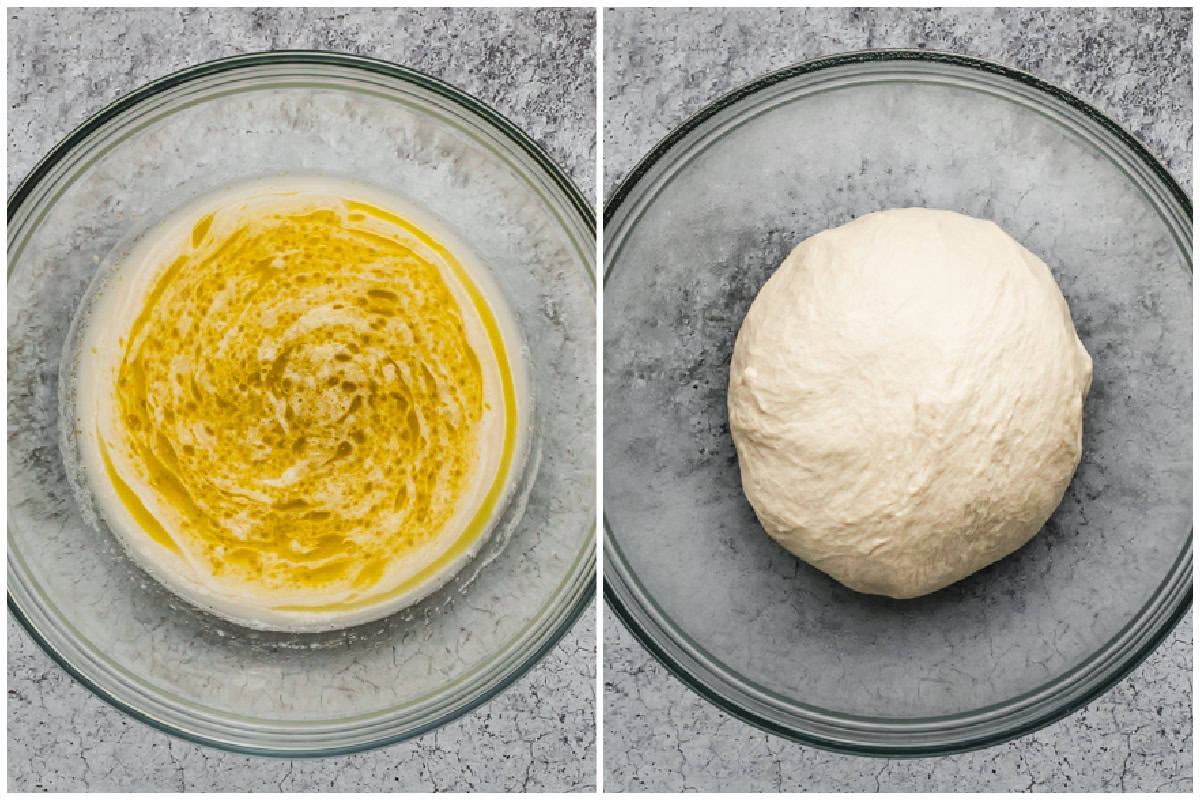

When it comes to baking, whether you’re making bread, pizza, or cookies, there’s one step that many bakers overlook: resting the dough. Resting dough isn’t just some optional extra, it’s a crucial part of the process. If you’ve ever baked and noticed your bread is dense or your cookies don’t spread properly, you might be missing out on the benefits of giving your dough the time it needs to rest. But why exactly is this step so important?
Resting dough gives it the time it needs to relax, hydrate, and rise naturally. It’s a simple yet essential step that helps develop the right texture, flavor, and overall result. Let’s break it down and understand why this step is so crucial in baking.
1. Gluten Relaxation and Development
One of the primary reasons to rest dough before baking is to allow the gluten to relax. Gluten is the protein network that forms when flour is mixed with water. When you knead dough, you’re stretching and developing this gluten structure. While it’s important to knead dough to develop enough gluten for the right texture, overworking the dough can cause it to become tough and difficult to shape.
Resting gives the gluten the chance to relax. Without this, dough that’s been overworked may be too tight, making it hard to roll out or shape. The resting period allows the gluten strands to relax, which in turn makes the dough easier to handle. This is especially important when making pastries, where a tender, flaky texture is essential.
2. Hydration of the Flour
Flour doesn’t absorb water instantly when mixed into the dough. It takes time for the flour particles to fully absorb the water and fully hydrate. Resting dough allows this absorption process to happen more thoroughly.
The result? A smoother, more elastic dough that’s easier to work with. If you skip resting, the flour may not have absorbed enough moisture, leading to uneven textures and a more crumbly dough.
3. Flavor Development
Just like with slow cooking or marinating meat, resting dough can actually enhance its flavor. When dough rests, the yeast has more time to ferment the sugars in the flour, which produces byproducts like carbon dioxide and alcohol. This fermentation process results in a deeper, more complex flavor in the final product.
For breads and pizza dough, the resting period allows the yeast to work its magic, producing a subtle tanginess and a richer, fuller taste. Resting dough overnight in the refrigerator, for example, leads to an even more developed flavor, often described as “sourdough-like” or “yeasty.”
4. Improved Texture and Structure
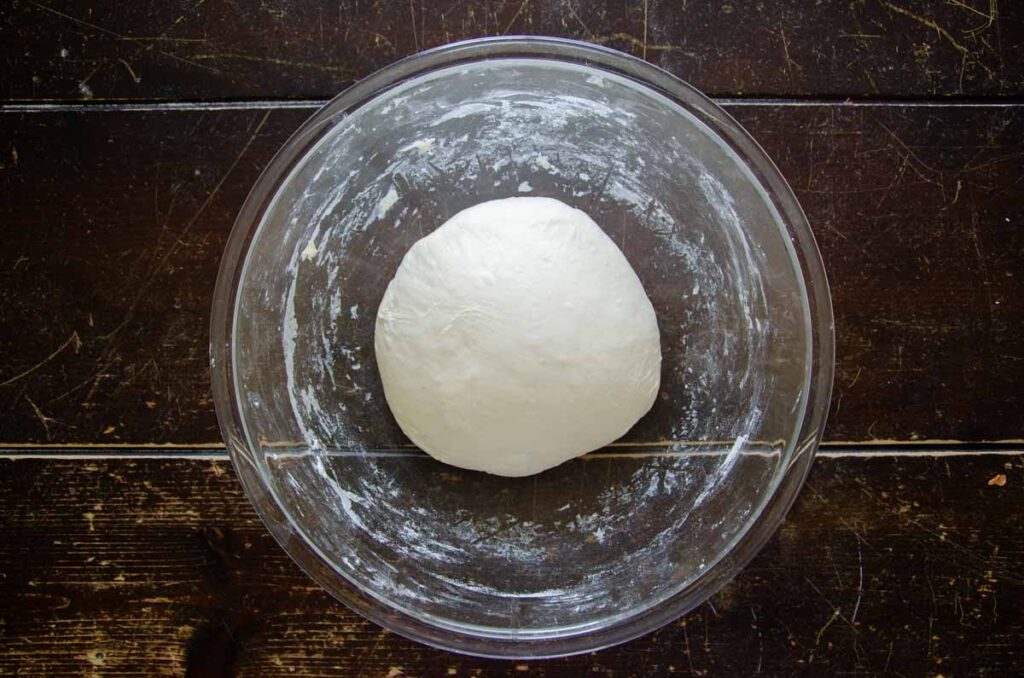
Resting dough isn’t just about the immediate results of relaxation—it also helps create a better structure for your final bake. As the dough rests, the yeast ferments and produces gas. These gas bubbles expand over time, creating an airy, open crumb structure that’s soft and light. If you bake dough too soon after mixing, the dough will be dense and compact, leading to a heavy, unappetizing texture.
The resting time gives the yeast a chance to rise slowly, resulting in a dough with more air pockets and a lighter texture. Whether you’re making bread, pizza crust, or buns, this step is essential for achieving that ideal airy, chewy bite.
5. Preventing Overproofing
Another reason to rest dough is to give it a controlled time to proof. Proofing is the process where yeast works to expand the dough by consuming sugars and releasing carbon dioxide. When dough is proofed correctly, the result is a nice rise and a slightly tangy flavor.
If you skip resting and bake immediately after mixing, you may end up with underproofed dough, which can result in dense, flat baked goods. On the other hand, if you let dough rise for too long, it can become overproofed, leading to a dough that has lost its structure and won’t hold up during baking.
Resting helps balance these two extremes, ensuring that the dough gets enough time to proof without being left too long.
6. Easy Shaping and Handling
Resting also makes the dough more manageable. When dough rests, especially after kneading, it becomes more elastic and easier to shape into loaves, rolls, or pizza crusts. If you try to shape dough immediately after kneading, it can snap back or be difficult to stretch.
Additionally, the dough will have more of a “relaxed” consistency, which makes it easier to roll out or form into specific shapes. This is crucial for delicate doughs like puff pastry, croissants, or pizza dough, where precision is key to achieving the right texture.
7. The Role of Refrigeration
While dough can rest at room temperature, some recipes call for refrigeration. Resting dough in the fridge has a few added benefits: it slows down the fermentation process, allowing for a longer, more controlled rise. This longer rest in the fridge results in more flavor development, which is why many artisan bread recipes suggest cold fermentation.

Cold fermentation also allows you to be more flexible with your baking schedule. You can prepare dough the night before and bake it the next day, which is perfect for people who want to prep ahead of time. Plus, cold dough is often easier to shape and handle, making it ideal for pastries and pies.
8. The Science of Resting Dough
At the microscopic level, resting dough affects the starches and proteins in the flour. As the dough rests, the water in the dough allows the starches to swell, which helps the dough retain moisture and improve its texture. The gluten also continues to form during resting, strengthening the dough’s structure without overworking it.
As for yeast, it continues its work of consuming sugars and releasing carbon dioxide. This slow, steady fermentation process helps create an even, consistent rise and a more even crumb structure when baked.
9. Different Types of Resting for Different Recipes
Not all doughs rest the same way. The rest time can vary based on the type of dough and the recipe you’re following.
- Bread Dough: Most bread recipes recommend resting the dough for at least an hour for the first rise, then a shorter resting period for the second rise. Some artisan bread recipes benefit from resting in the fridge for up to 24 hours.
- Pizza Dough: Pizza dough often benefits from an extended resting period, as it allows the gluten to relax and the flavors to develop. Many pizza recipes suggest letting dough rest at room temperature for 1–2 hours, or refrigerating it for an overnight rise.
- Cookie Dough: Cookie dough can be rested in the fridge to allow the flour to fully hydrate and the dough to firm up. Resting cookie dough for at least 30 minutes to 1 hour can lead to better texture and more spread during baking.
- Pastry Dough: Pastry dough, such as for croissants or puff pastry, requires frequent resting periods to allow the butter to chill and the dough to relax. These doughs are often rested multiple times throughout the process to ensure a flaky, tender texture.
10. Resting Dough Is Part of the Baking Ritual
Beyond the science and technique, resting dough is a part of the art of baking. It’s a step that requires patience and attention, which is what makes baking so rewarding. When you take the time to rest your dough, you’re not just rushing to the end result—you’re creating something that has the potential to be truly delicious.
As you wait, you can feel the transformation happening in the dough: the rise, the relaxation, the magic that turns a simple mixture of flour, water, and yeast into something incredible. The smell of dough as it rests in the oven or refrigerator is a promise that good things are on the way.
Conclusion
Resting dough may seem like a small, simple step, but it is vital for creating the perfect texture, flavor, and structure in your baked goods. It gives the gluten time to relax, ensures even hydration of the flour, develops flavor through fermentation, and makes the dough easier to shape and handle. Whether you’re making a loaf of bread, a pizza crust, or a batch of cookies, resting your dough is the key to achieving the best possible results.
So, next time you bake, don’t rush the process. Give your dough the time it deserves to rest and rise, and you’ll be rewarded with a product that’s lighter, more flavorful, and more satisfying. Happy baking!