





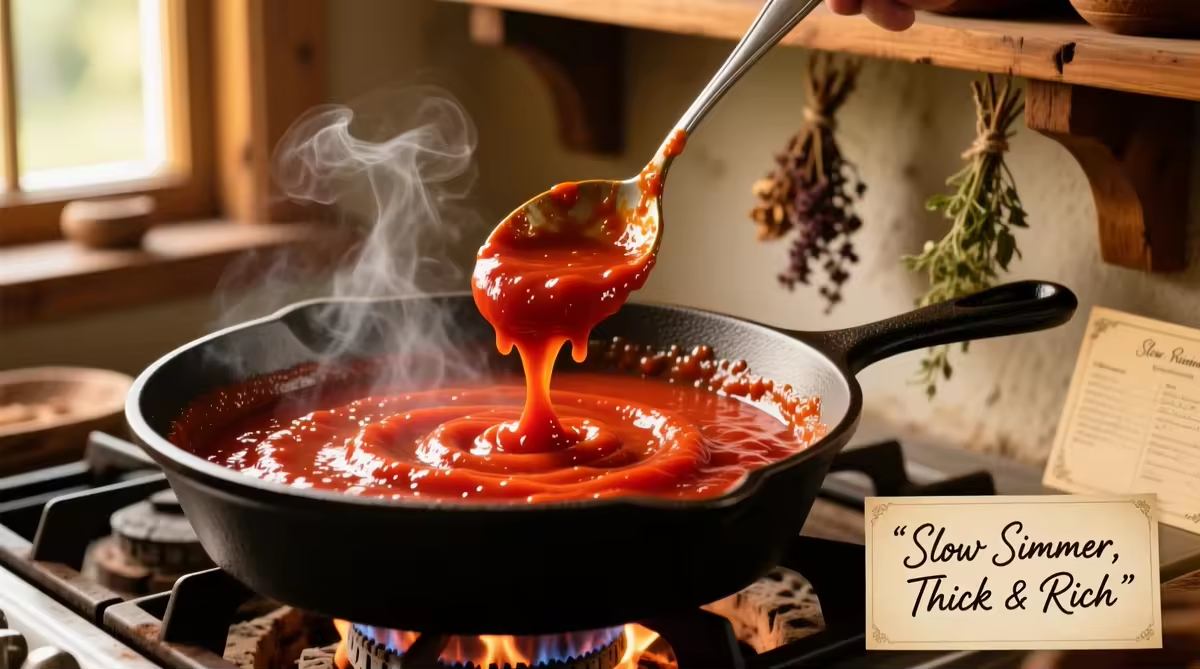

A watery pasta sauce is one of those quiet kitchen disappointments. You follow the recipe, the aroma is promising, the pasta is perfectly al dente—and then the sauce slides off the noodles like a thin soup, pooling sadly at the bottom of the plate. Flavor may be there, but texture and satisfaction are gone.
The good news is that watery sauce is not a mystery or a curse. It is the result of very specific, very fixable choices. Once you understand where excess water comes from, how sauces naturally thicken, and how professional cooks control moisture, you can make consistently rich, clingy pasta sauces without relying on shortcuts or heavy additives.
This article takes a deep, practical look at the science, technique, and habits behind non-watery pasta sauces. We will explore ingredients, heat management, timing, pasta itself, and even plating decisions. The goal is not just to fix a mistake, but to build intuition—so your sauce behaves exactly the way you want it to.
1. Understanding Where the Water Comes From
Before learning how to prevent watery sauce, it helps to understand why it happens in the first place. Water enters pasta sauce from more places than most cooks realize.
Natural Moisture in Ingredients
Many core sauce ingredients are mostly water:
- Tomatoes are roughly 94–95% water
- Onions are around 89% water
- Mushrooms can exceed 90% water
- Zucchini and bell peppers are similarly high
When heated, this water is released. If it is not evaporated or absorbed into a thickening structure, it remains free liquid.
Added Liquids
Broth, wine, milk, cream, and pasta water all contribute liquid. These are essential for flavor and texture, but they must be balanced with evaporation and emulsification.
Pasta Itself
Undrained or over-wet pasta can dilute sauce rapidly. Pasta water is useful, but only when used intentionally and sparingly.
Condensation and Lid Use
Cooking sauce covered traps steam. Steam condenses back into liquid, increasing water content rather than reducing it.
Watery sauce is not usually caused by “too much liquid” in one dramatic moment. It is the cumulative effect of moisture not being managed at each stage.
2. Sauce Thickness Is About Structure, Not Just Reduction
Many people think thick sauce equals “less liquid.” In reality, thick sauce equals structured liquid.
A good pasta sauce holds together because its water is:
- Bound to starch
- Emulsified with fat
- Suspended among solids
- Reduced into a concentrated network
Reduction alone can work, but reduction without structure often leads to flat flavor or scorched sauce. The best sauces balance evaporation with binding.
3. Choosing the Right Tomatoes (This Matters More Than You Think)
Tomatoes are the most common source of watery sauce—and also the easiest to control.
Fresh Tomatoes: Handle With Care
Fresh tomatoes vary wildly in water content. Large, juicy varieties release a flood of liquid.
How to manage them:
- Use paste tomatoes (Roma-style) when possible
- Remove seeds and watery pulp
- Salt chopped tomatoes and let them drain before cooking
- Cook them longer before adding other liquids
Fresh tomatoes need time and patience. Rushing them almost guarantees excess water.
Canned Tomatoes: Not All Are Equal
Canned tomatoes are often more consistent, but still vary.
Look for:
- Whole peeled tomatoes (you control breakdown)
- Thick purée rather than thin juice
- Tomatoes packed in purée instead of water
Crushing whole canned tomatoes by hand gives you control over texture and liquid release.
Tomato Paste Is Not Cheating
Tomato paste is concentrated tomato solids. A small amount:
- Adds body
- Absorbs excess liquid
- Intensifies flavor
Used early and cooked slightly, it dramatically improves sauce structure without making it heavy.
4. Heat Control: The Difference Between Boiling and Simmering
Heat is one of the most misunderstood elements in sauce-making.
High Heat Is for Water Removal—Briefly
High heat drives evaporation, but it also:
- Splashes liquid up the sides
- Risks scorching sugars
- Prevents fat from emulsifying smoothly
Use high heat early to drive off raw moisture, then lower it.
Gentle Simmer Builds Body
A steady simmer allows:
- Water to evaporate gradually
- Solids to soften and integrate
- Fats to emulsify with liquid
A bubbling boil breaks sauce apart. A simmer knits it together.
5. The Lid Is Not Neutral
Whether your sauce is covered or uncovered changes everything.
Covered = Trapped Moisture
Covering a sauce:
- Reduces evaporation
- Increases condensation
- Softens ingredients without thickening
This is useful early on if vegetables need to release water gently.
Uncovered = Control
Cooking uncovered:
- Allows water to escape
- Thickens sauce naturally
- Concentrates flavor
If your sauce is watery, the lid is often the culprit.
6. Salt Does More Than Add Flavor
Salt plays a quiet but powerful role in moisture control.
Salt Draws Out Water
When added early:
- Salt pulls moisture from vegetables
- This water can be evaporated intentionally
Salt Helps Structure
Proper salting:
- Enhances starch gelatinization
- Improves emulsification
- Makes thick sauce taste richer, not heavier
Under-salted sauces often feel thin even when reduced.
7. Fat Is a Thickener (When Used Correctly)
Fat does not thicken by itself—but it creates the perception and reality of thickness through emulsification.
Oil and Butter Create Body
When fat is evenly dispersed:
- Sauce feels richer
- Liquid clings to pasta
- Mouthfeel improves
Emulsification Is Key
Fat must be broken into tiny droplets and suspended in water. This happens when:
- Heat is moderate
- Sauce is stirred
- Starch or proteins are present
Dumping oil into a watery sauce rarely helps. Incorporating fat slowly into a structured base does.
8. The Role of Starch: Pasta Water Is a Tool, Not a Habit
Pasta water is famous—and frequently misused.
Why Pasta Water Works
Pasta water contains starch released during cooking. This starch:
- Thickens liquid
- Helps emulsify fat
- Binds sauce to pasta
Why It Can Ruin Sauce
Adding too much:
- Thins sauce instead of thickening
- Dilutes flavor
- Makes sauce slippery rather than clingy
How to Use It Correctly
- Add by the spoonful, not the cup
- Add only after sauce has structure
- Stop as soon as sauce loosens
Pasta water is a fine-tuning tool, not a rescue operation.
9. Vegetables: Pre-Cook or Pay the Price
Vegetables are delicious—and dangerous to sauce consistency.
High-Water Vegetables
Zucchini, mushrooms, spinach, and eggplant release large amounts of liquid.
The Solution: Separate Cooking
Sauté or roast vegetables separately:
- Drive off excess moisture
- Concentrate flavor
- Add them once sauce is thick
Adding raw vegetables directly to sauce almost guarantees wateriness.
10. Cheese: Friend, Foe, or Fix?
Cheese can thicken sauce—or break it.
Hard Cheeses
Parmesan, Pecorino, and Grana Padano:
- Contain little water
- Add umami and body
- Help bind sauce
Grate finely and add off heat.
Soft Cheeses
Fresh mozzarella, ricotta, and mascarpone contain moisture.
Use them carefully:
- Drain if possible
- Add at the very end
- Expect some thinning
Cheese is not a universal thickener. Choose intentionally.
11. Cream Sauces and the Myth of Thickness
Cream sauces seem immune to wateriness—but they are not.
Cream Can Break
High heat or acidity can cause:
- Separation
- Thin, greasy texture
Building a Stable Cream Sauce
- Reduce cream gently before adding other liquids
- Balance acidity
- Use starch or cheese for support
A cream sauce should coat the spoon, not drip like milk.
12. Timing: When Ingredients Go In Matters
Even the right ingredients fail if added at the wrong time.
Early Stage: Moisture Management
- Cook aromatics
- Release and evaporate water
- Build a dry, flavorful base
Middle Stage: Structure Building
- Add tomatoes or liquids
- Simmer uncovered
- Adjust seasoning
Final Stage: Enrichment
- Add fat, cheese, herbs
- Adjust thickness
- Marry sauce to pasta
Skipping stages leads to imbalance.
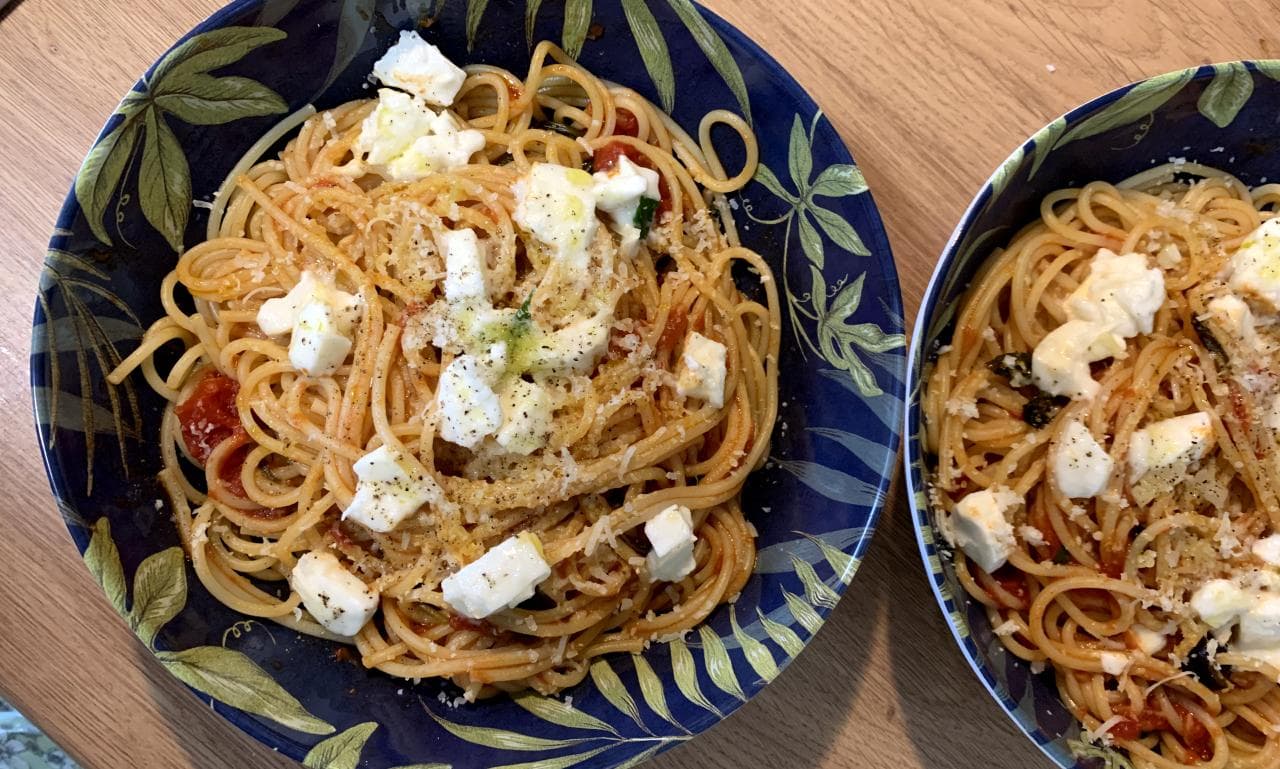
13. Pasta and Sauce Are Meant to Finish Together
One of the most common causes of watery sauce happens after the sauce is technically finished.
Sauce on Pasta vs Pasta in Sauce
Plating pasta and spooning sauce over it leaves excess liquid behind.
Finishing pasta in the sauce:
- Allows starch transfer
- Tightens texture
- Creates cohesion
Always finish cooking pasta in the sauce for the last minute or two.
14. Portion Ratios: Too Much Sauce Can Still Be Watery
More sauce does not mean better pasta.
If sauce overwhelms pasta:
- It cannot cling properly
- Excess liquid pools
Aim for balance. Pasta should be coated, not submerged.
15. Emergency Fixes for Watery Sauce (When It’s Too Late)
Sometimes, despite best efforts, sauce is still thin.
Reduce, But Watch Closely
Uncover and simmer gently. Stir to prevent sticking.
Add Concentrated Ingredients
- Tomato paste
- Finely grated hard cheese
- A small knob of butter emulsified in
Starch Slurry (Last Resort)
A tiny amount of cornstarch mixed with cold water can help—but it changes texture and should be used sparingly.
Fixes work best when subtle.
16. Texture Is as Important as Thickness
A sauce can be thick and still feel wrong.
Smooth vs Chunky
Chunky sauces rely on solids to hold liquid. If chunks are too large or too wet, liquid escapes.
Chop evenly and cook thoroughly.
Gloss and Flow
A good sauce flows slowly and shines slightly. Dull, flat sauces often lack fat or salt.
17. Practice Builds Intuition
Recipes help, but intuition makes great sauce.
Pay attention to:
- Sound (gentle bubbling vs boiling)
- Smell (raw vs concentrated)
- Movement (how sauce falls from a spoon)
With practice, you will adjust instinctively long before sauce becomes watery.
18. Final Thoughts: Control, Not Correction
Keeping pasta sauce from getting too watery is not about fixing mistakes after they happen. It is about controlling moisture at every step.
Choose ingredients thoughtfully. Respect heat. Let water escape when it should. Bind liquid with structure, not panic. Finish pasta in the sauce, not beside it.
When you do these things consistently, watery sauce stops being a problem—and pasta becomes what it is meant to be: comforting, cohesive, and deeply satisfying.