





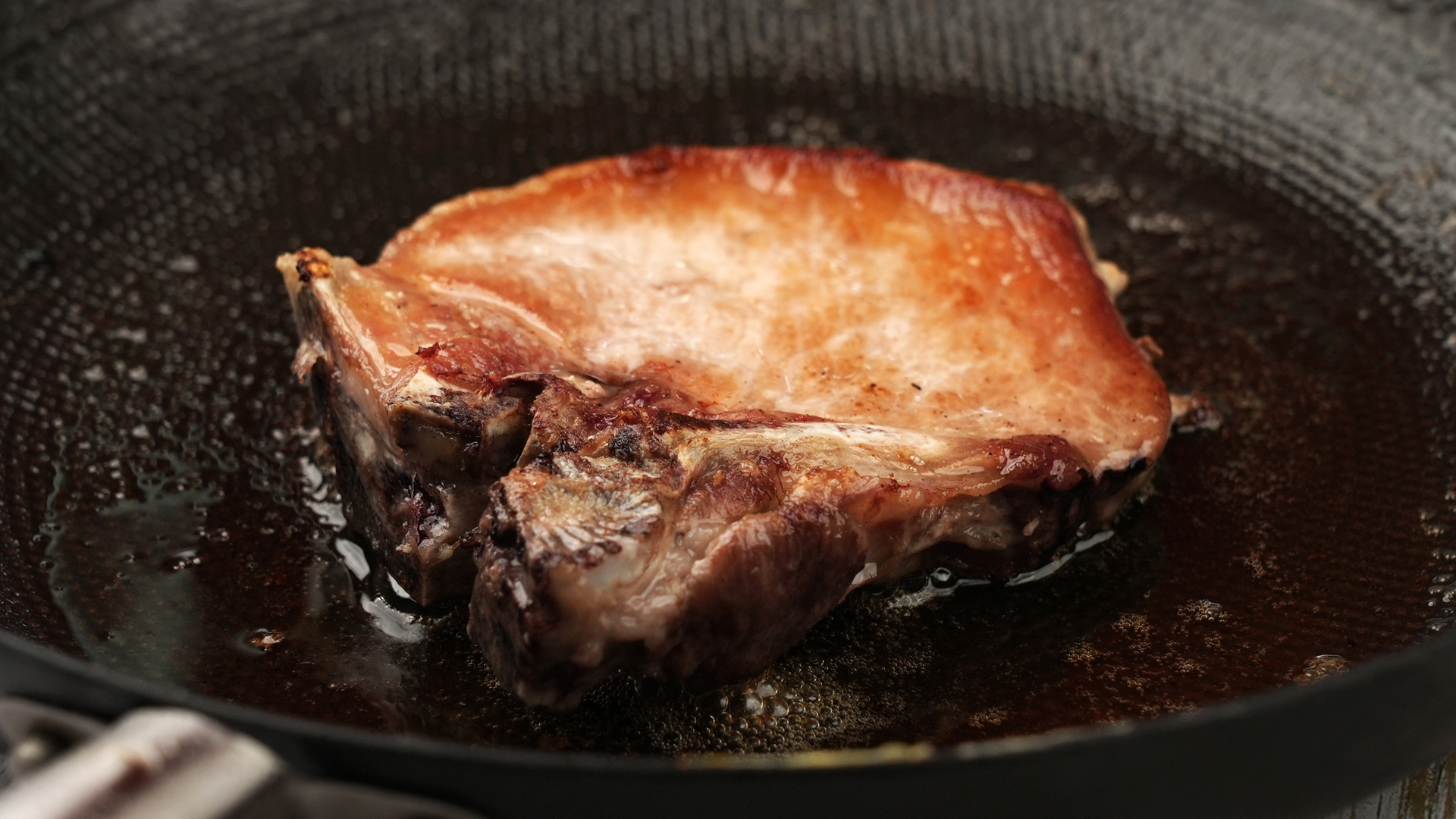

Defrosting meat sounds like one of the most ordinary kitchen tasks—until you do it wrong. Then it becomes a masterclass in frustration: soggy edges, icy centers, strange textures, lost juices, or worse, food safety concerns. Everyone wants meat that thaws fast, evenly, and safely, while still tasting as good as it did before it met the freezer.
So what is the best way to defrost meat quickly without losing quality?
The short answer: there isn’t just one method. The best approach depends on the type of meat, its thickness, how quickly you need it, and how much quality you’re willing to risk. The long answer—what you’re about to read—is a deep, practical, and surprisingly fascinating exploration of how freezing and thawing actually work, and how to use that knowledge to your advantage.
This article is designed to be:
- Professional and science-informed, without being dry
- Practical, with clear, repeatable methods
- Engaging, with vivid language and real-world logic
- Cleanly structured, suitable for web reading
By the end, you’ll not only know how to defrost meat properly—you’ll understand why each method works, and when to use it.
1. Why Defrosting Matters More Than You Think
Freezing preserves meat by slowing down microbial growth and enzyme activity. But thawing reverses that process, and how you thaw determines whether your meat comes back to life gracefully—or stumbles out damaged and dull.
When meat freezes, water inside muscle fibers turns into ice crystals. If freezing or thawing is poorly managed:
- Ice crystals grow too large
- Cell walls rupture
- Moisture escapes during thawing
- Texture becomes mushy or dry
Defrosting isn’t just about temperature—it’s about controlling damage.
The goal is simple:
Thaw the meat quickly enough to limit quality loss, but gently enough to avoid structural damage and bacterial risk.
That balance is where most people go wrong.
2. What “Quality Loss” Really Means in Meat
Before we talk methods, we need to define what “losing quality” actually looks like.
2.1 Texture Degradation
High-quality meat has springiness and structure. Poor thawing causes:
- Mealy or mushy textures
- Sponginess in poultry
- Crumbly or dry muscle fibers
2.2 Moisture Loss
Ever seen a puddle of reddish liquid after thawing? That’s purge—water mixed with proteins and minerals. Excess purge means:
- Less juicy cooked meat
- Weaker flavor
- Tougher bite
2.3 Flavor Dulling
Flavor compounds are water-soluble. When moisture escapes, flavor goes with it.
2.4 Uneven Cooking
Partially thawed meat cooks unevenly:
- Overcooked edges
- Raw or cold centers
Good defrosting preserves structure, moisture, and uniformity.
3. The Physics of Thawing: Simple but Crucial
Thawing is essentially heat transfer. The challenge is that meat is:
- Dense
- Often irregularly shaped
- High in water content
The outer layers warm faster than the center. If the surface enters the “danger zone” (roughly above refrigerator temperature) while the inside is still frozen, you risk both quality loss and safety issues.
Fast doesn’t mean aggressive. It means efficient heat exchange.
4. The Gold Standard: Cold Water Thawing (Fast and Safe)
If speed and quality are both priorities, cold water thawing is the best all-around method for most situations.
4.1 How It Works
Cold water transfers heat far more efficiently than air. Moving water is even better.
When meat is sealed properly:
- Water conducts heat evenly
- The temperature stays low
- Thawing is rapid without overheating the surface
4.2 Step-by-Step Best Practice
- Seal the meat tightly
Use vacuum sealing or a heavy-duty leakproof bag. No air, no leaks. - Submerge in cold water
The water should feel cold to the touch, not lukewarm. - Change the water every 20–30 minutes
This keeps heat transfer efficient. - Cook immediately after thawing
Don’t refreeze unless cooked first.
4.3 Timing Guide
- Chicken breasts: 30–60 minutes
- Steaks (2–3 cm thick): 30–45 minutes
- Ground meat: 20–40 minutes
- Large cuts: 1–2 hours
4.4 Why This Preserves Quality
- Minimal temperature gradient
- Reduced purge
- No partial cooking
- Stable protein structure
This method is the best compromise between speed, safety, and quality.
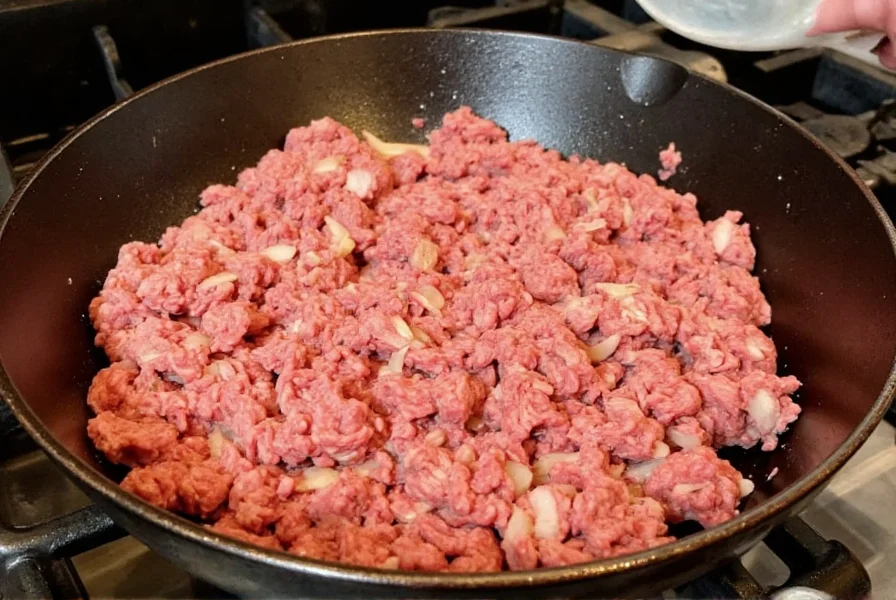
5. Refrigerator Thawing: Maximum Quality, Minimum Speed
If you have time, refrigerator thawing delivers the highest possible quality.
5.1 Why It Works So Well
- Extremely slow temperature change
- Minimal moisture loss
- No bacterial stress
- Excellent texture retention
5.2 The Trade-Off
Time.
- Small cuts: 12–24 hours
- Whole chickens: 24–48 hours
- Large roasts: 2–4 days
5.3 When to Choose This Method
- Premium cuts
- Dry-aging style results
- Planned meals
Refrigerator thawing is quality-first cooking.
6. Microwave Defrosting: Fast but Risky
Microwaves are often misunderstood. They’re not evil—but they’re unforgiving.
6.1 What Goes Wrong
Microwaves heat unevenly:
- Thin edges start cooking
- Thick centers remain frozen
- Proteins denature prematurely
This leads to:
- Rubberiness
- Gray patches
- Uneven doneness later
6.2 How to Minimize Damage
If you must use a microwave:
- Use the defrost setting only
- Rotate and flip frequently
- Stop while the center is still slightly icy
- Cook immediately
6.3 Best Use Cases
- Ground meat
- Small, uniform portions
- Emergency situations
Microwaving is about speed, not perfection.
7. The Countertop Myth: Why Room Temperature Is a Bad Idea
Leaving meat on the counter is one of the most common mistakes.
7.1 The Problem
- Surface warms too fast
- Interior stays frozen
- Ideal conditions for bacterial growth
7.2 Quality Impact
- Excessive purge
- Sticky or slimy surfaces
- Off-odors
Even if the meat looks fine, quality is compromised.
Fast does not mean careless.
8. Advanced Technique: Controlled Water Flow Thawing
Professional kitchens sometimes use gentle running cold water.
8.1 Why It’s Effective
- Constant heat exchange
- Uniform thawing
- Faster than still water
8.2 How to Do It at Home
- Seal meat completely
- Place under a thin stream of cold water
- Ensure water remains cold
This method is efficient but uses more water, so it’s best reserved for special cases.
9. Defrosting Different Types of Meat: What Changes?
9.1 Beef
- Dense muscle fibers
- Tolerates cold water thawing very well
- Steaks benefit from gradual thawing
9.2 Pork

- Slightly higher fat content
- Prone to moisture loss
- Seal well during water thawing
9.3 Poultry
- Delicate protein structure
- Loses texture easily
- Avoid microwave unless necessary
9.4 Fish and Seafood
- Extremely sensitive
- Best thawed in the refrigerator
- Cold water only for sealed, thick fillets
Fish rewards patience.
10. Thickness Matters More Than Weight
A thick steak thaws slower than two thin ones of the same weight.
10.1 Why
Heat moves from the outside inward. Thickness determines:
- Time required
- Risk of surface overheating
10.2 Pro Tip
Freeze meat in portion-sized, evenly shaped cuts. Good thawing starts at freezing.
11. Packaging: The Hidden Factor
How meat is packaged determines how well it thaws.
11.1 Vacuum-Sealed Meat
- Best for freezing and thawing
- Minimal oxidation
- Minimal moisture loss
11.2 Plastic Wrap + Bag
- Acceptable
- Watch for leaks
11.3 Poor Packaging
- Freezer burn
- Oxidation
- Texture damage
Good defrosting begins long before the freezer door opens.
12. Can You Cook Meat from Frozen?
Sometimes, yes—and surprisingly well.
12.1 When It Works
- Thin cuts
- Steaks on high heat
- Sous vide cooking
12.2 Limitations
- Longer cooking time
- Less control over doneness
Cooking from frozen avoids thawing damage but requires precision.
13. Sous Vide Thawing: Precision Meets Convenience
If you use sous vide equipment, you already own a powerful thawing tool.
13.1 How It Works
- Set water to a low temperature
- Submerge sealed frozen meat
- Thaw evenly and safely
13.2 Benefits
- Zero purge
- No overheating
- Perfect control
This is one of the most gentle fast-thaw methods available.
14. Refreezing Meat: Is It Ever Okay?
Refreezing isn’t ideal, but it’s not always disastrous.
14.1 When It’s Acceptable
- Meat thawed in the refrigerator
- No signs of spoilage
- Minimal moisture loss
14.2 Quality Impact
- Texture degrades slightly each cycle
- Flavor becomes less vibrant
Avoid repeated freeze–thaw cycles.
15. Common Defrosting Myths—Debunked
Myth 1: Hot Water Is Faster and Fine
Reality: It destroys texture and increases risk.
Myth 2: Thawing Time Doesn’t Matter
Reality: It directly affects juiciness and flavor.
Myth 3: All Meats Thaw the Same
Reality: Structure and fat content change everything.
16. A Simple Decision Guide
Need it now?
→ Cold water thawing
Have time and want best quality?
→ Refrigerator thawing
Emergency only?
→ Microwave with care
Premium cut or fish?
→ Slow and gentle
17. The Single Best Method, Summarized
If we had to name one method that balances speed, safety, and quality, it would be:
Cold water thawing with proper sealing and frequent water changes.
It’s fast enough for real life, gentle enough for good texture, and safe when done correctly.
18. Final Thoughts: Defrosting Is a Skill, Not a Chore
Defrosting meat isn’t just a preliminary step—it’s the quiet foundation of a great meal. When done right, it’s invisible. When done wrong, no amount of seasoning can save it.
Understanding how heat, water, and muscle fibers interact turns defrosting from guesswork into control. And control is what separates ordinary cooking from consistently good results.
Treat thawing with the same respect you give seasoning and cooking temperature, and your meat will reward you—every time.