





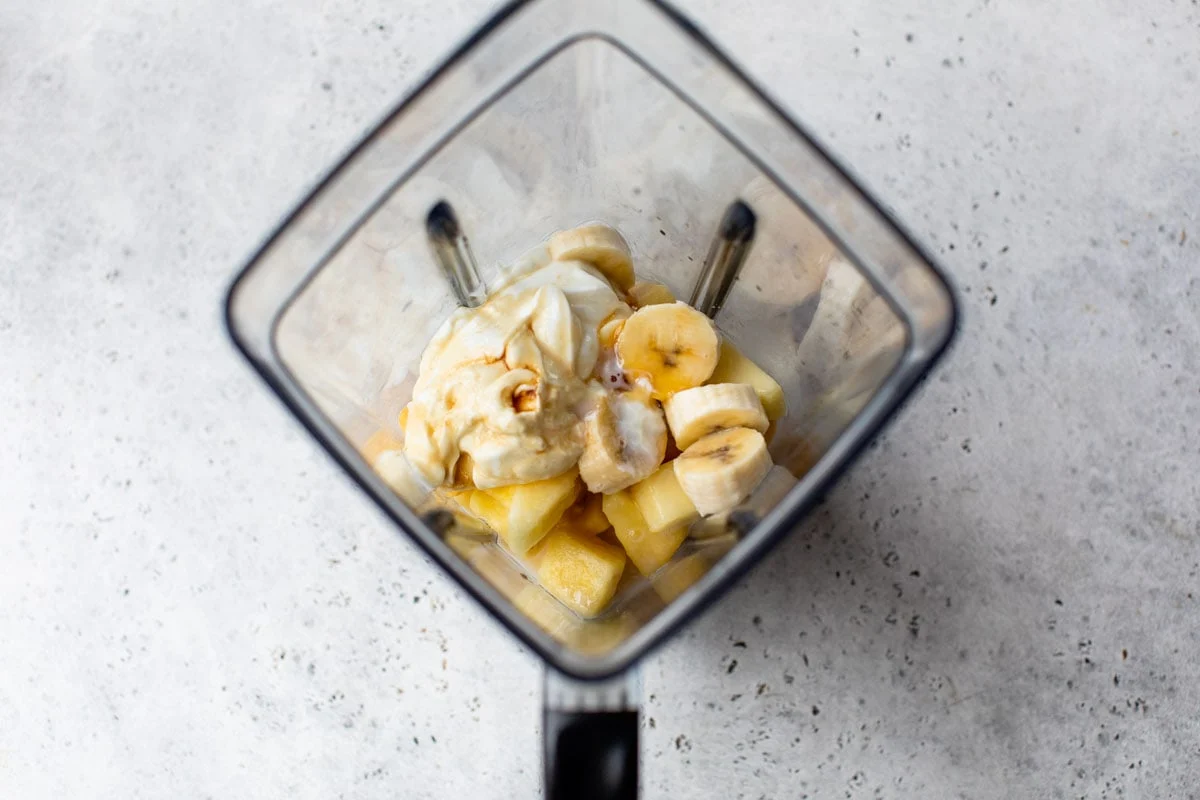

Smoothies have become synonymous with health, wellness, and quick nutrition. These vibrant blends of fruits, vegetables, and other wholesome ingredients are not just a tasty treat—they can fuel your body with essential nutrients and boost your energy levels. But, is there a “perfect” ratio of ingredients that guarantees a perfectly balanced smoothie every time? Is it possible to achieve the ultimate combination of flavors, textures, and nutrients in one glass? Let’s dive into the world of smoothie-making and uncover the perfect ratio of ingredients for a healthy, delicious, and well-balanced smoothie.
1. The Foundation of a Healthy Smoothie: Understanding the Basics
Before we explore ratios, it’s crucial to understand the key components that make up a healthy smoothie. Generally speaking, there are five main categories of ingredients that should go into every smoothie:
- Base Liquid
Every smoothie needs a liquid to blend the ingredients smoothly. Water, plant-based milks (almond, soy, oat), coconut water, and dairy milk are the most popular options. The choice of base liquid impacts the texture, flavor, and nutritional profile of the smoothie. - Fruits and Vegetables
These are the flavor and nutrition powerhouses of your smoothie. Fruits like bananas, berries, mangoes, and apples provide natural sweetness, while vegetables like spinach, kale, and cucumber add fiber and essential vitamins. - Protein
Protein is an important macronutrient, especially if your smoothie is meant to serve as a meal replacement or post-workout snack. Options include protein powder (whey, pea, or hemp), Greek yogurt, cottage cheese, or nut butters. - Healthy Fats
Healthy fats are key for making your smoothie more satiating. Avocados, nuts, seeds (like chia or flaxseeds), and coconut oil are all great sources of fats that also add creaminess. - Add-ins and Boosters
These are optional ingredients that take your smoothie to the next level in terms of flavor and nutrition. Common boosters include spices (like cinnamon or turmeric), superfoods (like spirulina or matcha), or natural sweeteners (like honey or stevia).
2. Is There a Perfect Ratio?
The idea of a “perfect” ratio depends on the goals you have for your smoothie. Are you looking for a smoothie that’s packed with protein to fuel a workout? Or do you want one that’s light and refreshing for a quick breakfast? The balance between ingredients can change depending on the occasion, but there are general guidelines that can help you create a nutrient-dense, tasty smoothie every time.
A widely used formula to make the perfect smoothie involves keeping things balanced between the five categories mentioned above. Let’s break it down into proportions:
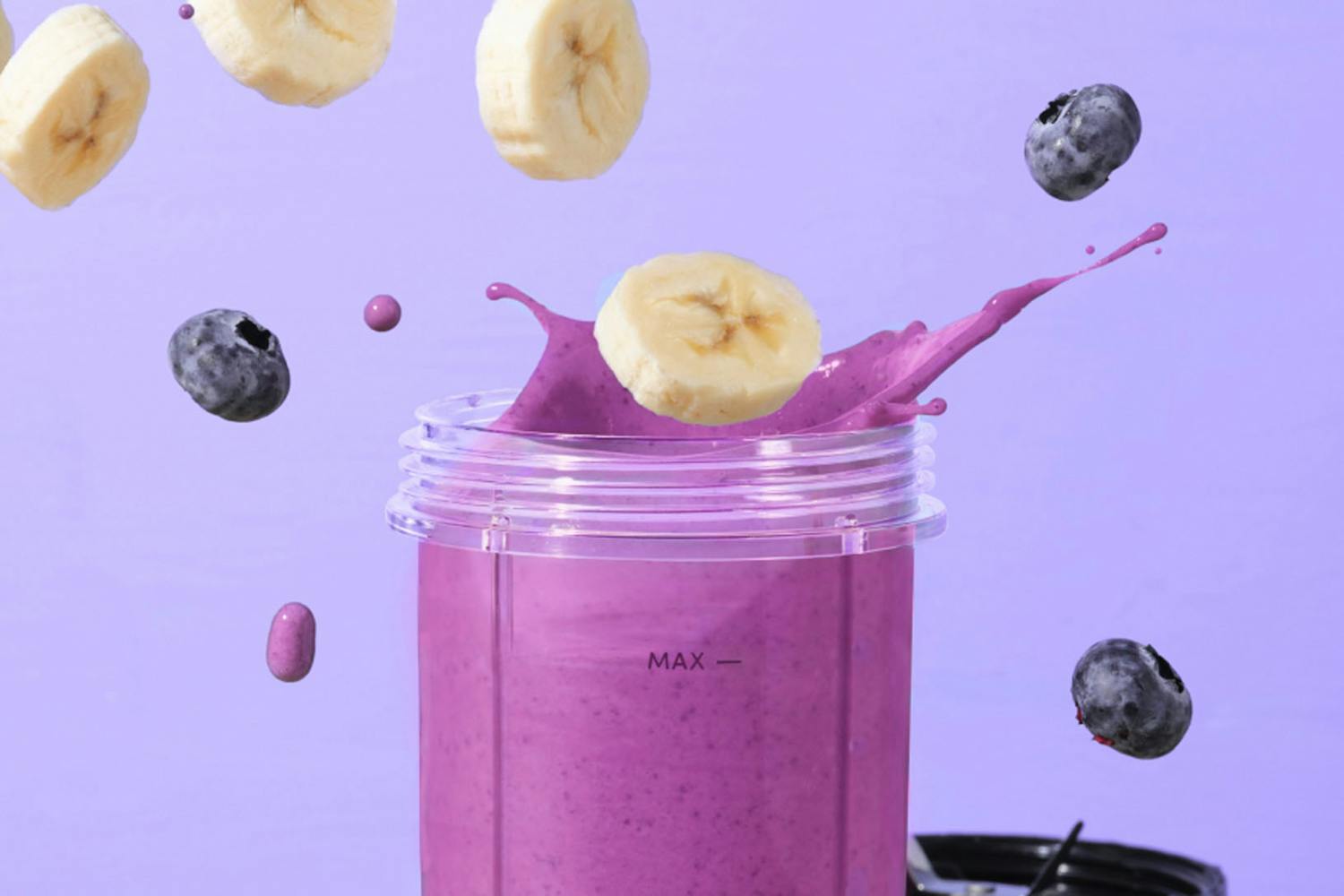
2.1 Base Liquid: 1 Cup (240 mL)
The base liquid is the starting point for your smoothie. It helps blend everything together and ensures that your smoothie has a drinkable consistency. You don’t want to use too much liquid, or you’ll end up with a watery drink; too little, and your smoothie will be too thick to sip easily.
Suggested ratio: 1 cup of liquid per smoothie.
2.2 Fruits and Vegetables: 1 to 1.5 Cups (150-250 grams)
This is the heart of your smoothie—the ingredients that provide most of the flavor and nutrition. The general recommendation is to have at least half fruits and half vegetables, though you can adjust according to your taste preferences. A good rule of thumb is to have 1 to 1.5 cups of fruits and vegetables combined, with fruits making up about 60-70% of the total amount and vegetables 30-40%.
Suggested ratio: 1 to 1.5 cups (or 150-250 grams) of fruits and vegetables.
2.3 Protein: 1 to 2 Tablespoons (or 1/4 to 1/2 Cup)
Protein plays a key role in making your smoothie more filling. The amount you need will vary depending on your activity level, age, and nutritional goals. For example, if you’re making a post-workout smoothie, you might want more protein to aid in muscle recovery. If it’s just a quick breakfast, a smaller amount of protein should suffice.
Suggested ratio: 1 to 2 tablespoons (or 1/4 to 1/2 cup) of protein source.
2.4 Healthy Fats: 1 to 2 Tablespoons
Healthy fats make smoothies richer and more satisfying. They also slow down the digestion of sugars in the smoothie, providing a more stable source of energy. Nut butters (like almond or peanut butter), avocado, or seeds are popular fat sources that also add a creamy texture.
Suggested ratio: 1 to 2 tablespoons of healthy fat.
2.5 Add-ins and Boosters: Optional (1/2 to 1 Teaspoon)
This category is completely up to you! Add-ins are what make smoothies fun and personalized. Whether it’s a scoop of matcha, a pinch of cinnamon, or a teaspoon of chia seeds, these extras can give your smoothie an added health boost or flavor kick.
Suggested ratio: 1/2 to 1 teaspoon of add-ins.
3. Building Your Perfect Smoothie: Step-by-Step Process
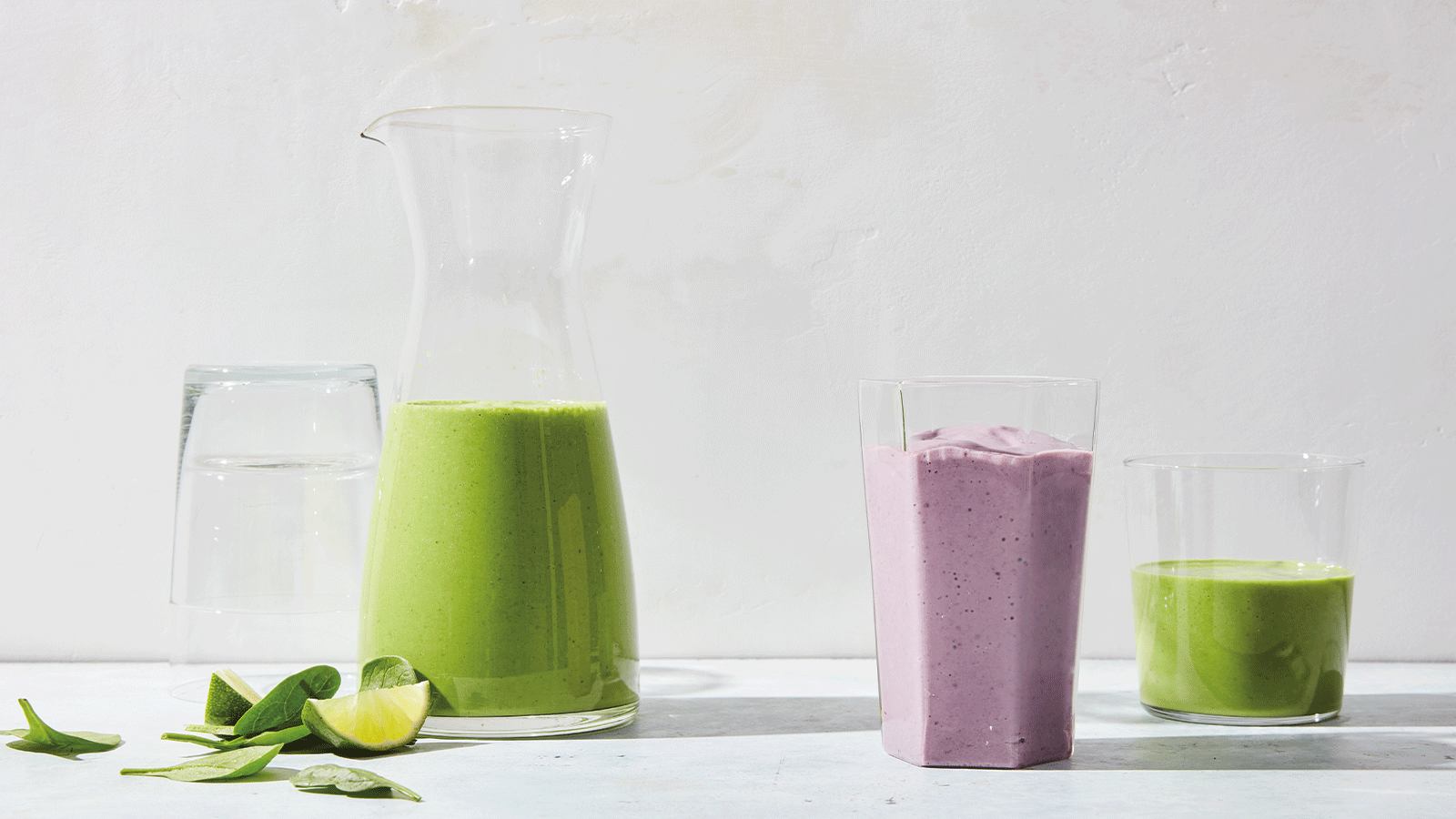
Now that we know the key ingredients and their ratios, let’s put it all together. The following is a step-by-step guide on how to build a perfect smoothie based on the ratios:
- Step 1: Choose Your Base Liquid
Start by adding 1 cup of your chosen liquid. For a creamier texture, go for almond or oat milk; for a lighter smoothie, coconut water or plain water works well. - Step 2: Add Fruits and Vegetables
Add 1 to 1.5 cups of your chosen fruits and vegetables. Try to use a combination of both for a balanced smoothie. Frozen fruit works wonders for adding thickness and coldness to the smoothie, but fresh fruit is also fine if that’s what you have. - Step 3: Add Protein
Choose your protein source, whether it’s Greek yogurt, a scoop of protein powder, or nut butter. Aim for about 1 to 2 tablespoons or 1/4 to 1/2 cup. - Step 4: Add Healthy Fats
Next, toss in your healthy fat—1 to 2 tablespoons of avocado, almond butter, or chia seeds should be enough to make your smoothie more filling. - Step 5: Add Boosters
This is where you can get creative. Add a teaspoon of turmeric, cinnamon, or any other health-boosting powder you like. Superfoods like spirulina, cacao, or matcha can be great additions too. - Step 6: Blend
After all your ingredients are in the blender, blend on high for 30 seconds to 1 minute, depending on the power of your blender. Taste your smoothie and adjust the texture if needed by adding more liquid, ice, or fruits. - Step 7: Enjoy!
Pour your smoothie into a glass, garnish with a few extra toppings (like shredded coconut, berries, or granola), and enjoy!
4. Adjusting Ratios Based on Your Goals
The perfect ratio depends on your specific health goals. If you’re looking for a meal replacement, a smoothie with a higher protein and fat content is recommended to keep you feeling full longer. If you’re after a light snack, you may want to go lighter on the protein and fats, focusing more on fruits and vegetables for a refreshing boost.
4.1 For Weight Loss
If weight loss is your goal, focus on using more vegetables, less fruit, and moderate protein and fat. A good approach is to use leafy greens, cucumbers, or celery as the vegetable base, while keeping fruit servings to about 1/2 to 1/3 cup per smoothie. Opt for unsweetened almond milk or water as the base liquid.
4.2 For Energy Boost
To keep your energy levels high throughout the day, focus on a balanced smoothie with moderate protein, healthy fats, and natural sugars from fruits. Consider adding energy-boosting ingredients like matcha, cacao, or chia seeds for an extra kick.
4.3 For Post-Workout Recovery
Post-workout smoothies should focus on replenishing your body’s energy stores and supporting muscle recovery. Use a high-quality protein source (like whey protein or Greek yogurt), add fruits with a low glycemic index for sustained energy, and healthy fats to support recovery. You’ll want to keep your smoothie relatively higher in protein compared to other ingredients.
5. Final Tips for Smoothie Perfection
- Experiment with Different Fruits & Veggies
Don’t be afraid to try new combinations of fruits and vegetables. Frozen mango with spinach and almond butter, or berries with kale and chia seeds, can provide new textures and flavors. Always remember to balance taste and nutrition. - Use Frozen Ingredients
Using frozen fruits and vegetables is a great way to create a thicker, creamier smoothie without adding extra ice that dilutes the flavor. Plus, frozen produce can last longer in your freezer, reducing food waste. - Layer the Ingredients Correctly
Start with the liquid at the bottom, then add softer ingredients like yogurt or protein powder, followed by fruits and vegetables, and finish with harder ingredients like nuts, seeds, or ice. - Use a High-Speed Blender
A powerful blender makes a big difference when it comes to achieving the right texture. High-speed blenders like Vitamix or Ninja create silky-smooth blends that are much easier to drink than smoothies made with lower-powered blenders.