






Cooking is an art form that involves much more than just following recipes. The true mastery lies in balancing flavors and textures, and at the heart of this is how we season our ingredients. Seasoning enhances food, bringing out its inherent flavors, but it can also easily overwhelm and mask the natural qualities of the ingredients. So how do you strike that perfect balance? How do you season without overpowering?
In this article, we’ll explore practical, nuanced ways to use seasoning that highlight the natural goodness of your ingredients. From salt to herbs, spices, and acids, let’s uncover how to season thoughtfully and with intention.
Understanding the Role of Seasoning
Before diving into the methods, it’s crucial to understand why we season food in the first place. The basic purpose of seasoning is to accentuate or enhance the natural flavors of the ingredients, not to cover them up. Over-seasoning can turn a delicate dish into an overly salty, spicy, or fragrant experience, which distracts from the key flavors we want to enjoy.
Think of seasoning like a supportive cast in a movie — its job is to make the main actor shine, not to steal the spotlight.
Salt: The Foundation of Flavor
Salt is the most fundamental seasoning in any kitchen. It enhances sweetness, suppresses bitterness, and balances out sour and savory notes. However, it’s easy to overdo salt, which can make dishes too briny or flat.
The Key to Salt Balance
To avoid over-seasoning, always start with a small amount and taste as you go. Kosher salt, due to its larger crystals, is preferred by many chefs for its ability to season more evenly. Also, consider seasoning in layers. Adding a little salt during the cooking process and then finishing with a light sprinkle at the end can help keep the flavors vibrant and well-rounded.
Fresh Herbs: Highlight, Don’t Mask
Herbs are a fantastic way to add complexity and freshness to a dish, but they should be used strategically. Fresh herbs, like basil, parsley, cilantro, and thyme, release their essential oils when exposed to heat, but too much can overwhelm the dish.
Best Practices for Herb Usage
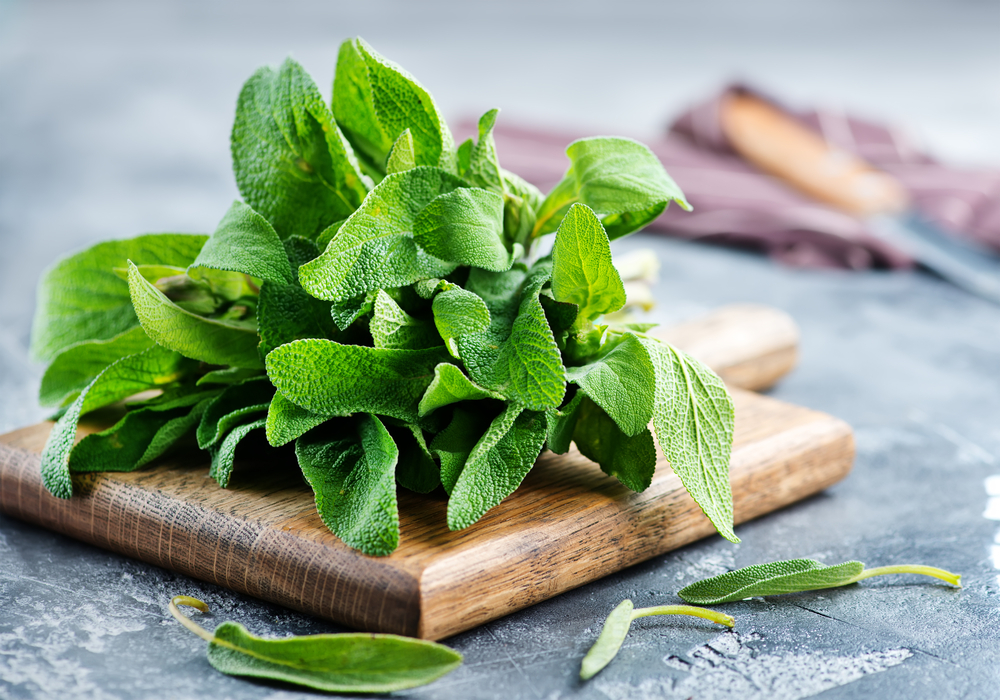
- Add herbs towards the end of cooking. This helps preserve their delicate flavors and aromas.
- Use whole sprigs or leaves. You can always remove the stems before serving to avoid an overly intense herbal taste.
- Don’t over-chop. Crushing or mincing herbs too finely can release bitter notes. Use a gentle hand when chopping.
Spices: A World of Possibilities
Spices bring layers of complexity and exotic flavors, but they can easily overshadow the natural essence of your ingredients. The trick is to use them thoughtfully.
The Art of Spice Blending
- Toast spices lightly to release their essential oils and avoid a raw or pungent taste.
- Pair spices with complementary flavors. For instance, cinnamon goes wonderfully with sweet potatoes, while cumin pairs well with beans and tomatoes.
- Go slow. Add small amounts and taste before adding more. Unlike salt, spices need a bit more time to release their flavors, so it’s better to start with a conservative approach.
Acid: Brightening Flavors
Acidic ingredients, such as lemon, vinegar, or lime, can cut through richness and bring a fresh zing to any dish. However, too much acid can make your dish taste harsh and sharp, so it’s important to balance acidity carefully.
Finding the Right Balance of Acidity
- Start small. A few drops of vinegar or a squeeze of lemon juice can go a long way.
- Pair acid with fat. Acidity and fat work together to balance each other out, like in a creamy vinaigrette or a rich stew finished with a splash of vinegar.
Sweeteners: A Gentle Touch
Sweeteners like honey, maple syrup, or brown sugar add complexity and balance out savory and spicy flavors. The key is to use them sparingly, as too much sweetness can create an imbalance.

How to Use Sweeteners Without Overpowering
- Incorporate them early. Adding a small amount of sweetener early on in cooking allows it to melt into the dish and integrate with the other flavors.
- Balance with salt. A pinch of salt can bring out the natural sweetness of ingredients without making the dish taste overtly sugary.
Cooking Techniques: A Subtle Approach to Seasoning
Beyond the ingredients themselves, how you cook your food plays a critical role in how flavors are developed and highlighted. Here are a few tips to season thoughtfully during the cooking process:
- Roasting and grilling: These methods caramelize natural sugars in vegetables and proteins, naturally enhancing their sweetness and flavor. Roasting with a simple sprinkle of salt, a drizzle of oil, and a few herbs is often all you need.
- Sautéing: This quick cooking method allows for a delicate balance of flavors. Use just enough fat to coat the pan, then season gradually with spices and salt.
- Slow cooking: Stews, braises, and soups allow for gradual seasoning. Layer in the flavors, adding them at different stages of cooking to build complexity. Be mindful of tasting frequently as the dish simmers.
Layering Flavors for Balance
One of the most important techniques for seasoning without overpowering is layering flavors. This involves using multiple seasonings at different stages of cooking to enhance the natural flavors of your ingredients.
How to Layer Flavors
- Layer seasoning during different stages. Add salt to the vegetables as they sweat, add spices when the dish begins to simmer, and finish with herbs and acids just before serving.
- Combine textures. If you’re working with rich, fatty ingredients like cheese or meats, pair them with crisp, fresh herbs or vegetables to balance the heaviness with a light contrast.
Avoiding Common Pitfalls in Over-Seasoning
Even experienced cooks can accidentally overpower dishes with seasoning. Here are some common mistakes to watch out for:
- Not tasting as you go: It’s easy to get caught up in the rhythm of cooking and forget to check the seasoning. Always taste before you finish.
- Relying too much on salt: While salt is essential, it’s easy to over-salt without realizing. The key is to use salt to balance the dish, not dominate it.
- Using pre-ground spices: Freshly ground spices release more flavor and aroma than pre-ground ones. Invest in a spice grinder for the best results.
- Ignoring the base ingredients: Seasoning should complement the natural flavors of your ingredients. For example, if you’re working with sweet corn, it’s best to keep the seasoning simple, as the corn’s natural sweetness is the star.
Final Thoughts
The key to seasoning without overpowering is simple: respect the ingredient. Cooking is a delicate balance of enhancing and complementing flavors, and too much seasoning can mask the inherent qualities that make an ingredient shine. Taste as you go, use a variety of seasonings, and pay attention to the timing of when you add them. By embracing these tips, you can elevate your dishes while respecting the natural flavors of your ingredients.