





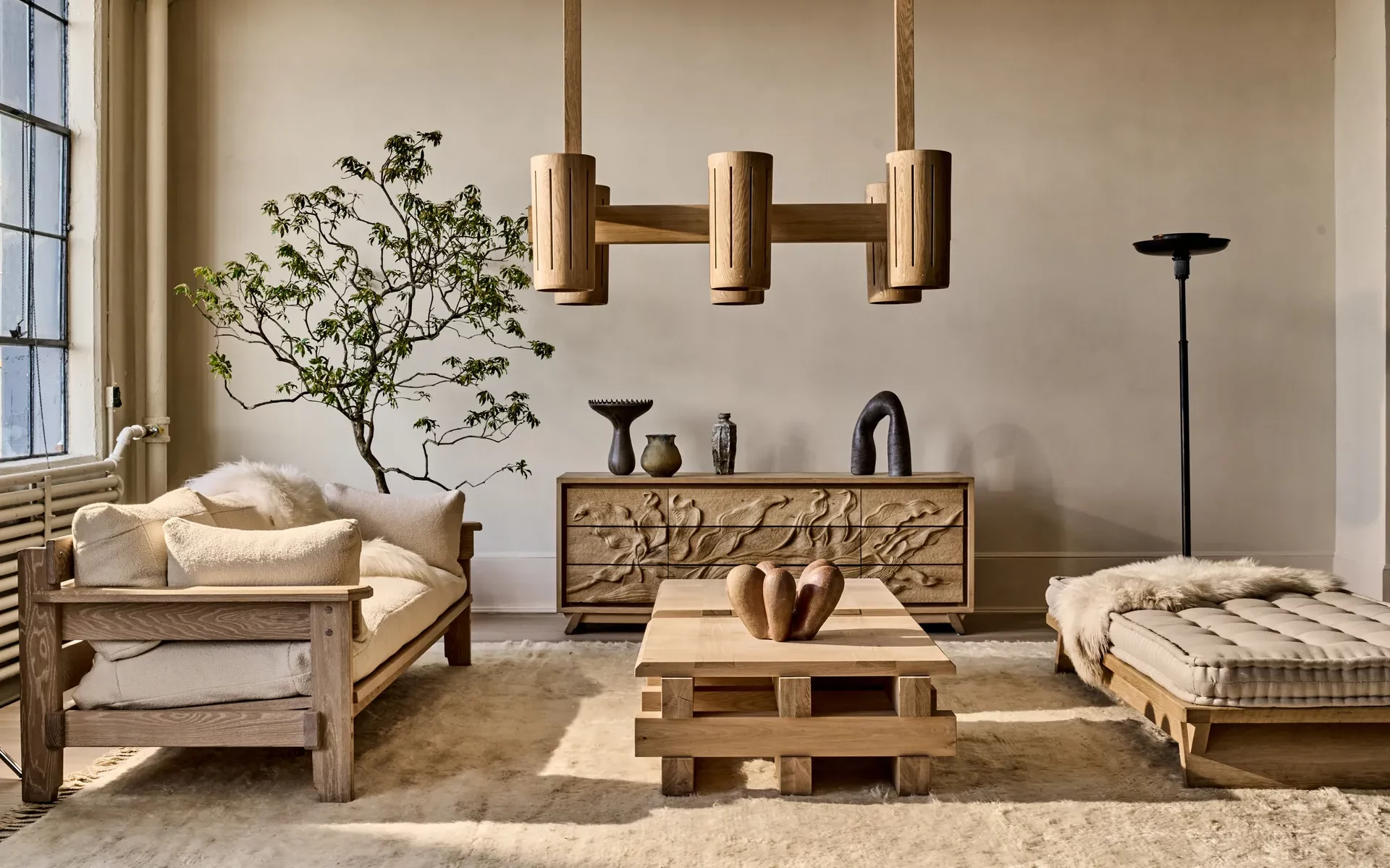

In an era dominated by cluttered lifestyles and information overload, the appeal of minimalist furniture has surged dramatically. Minimalism is often celebrated for its clean lines, functional elegance, and the sense of calm it brings to spaces. Yet, a question lingers in the minds of interior enthusiasts and homeowners alike: Is minimalist furniture merely a passing trend fueled by social media aesthetics, or is it a lifestyle choice with lasting impact?
To answer this, we need to explore the philosophy behind minimalism, its historical roots, practical applications, psychological effects, and its integration into contemporary life. Along the way, we’ll unravel how minimalist furniture has evolved from a design statement to a reflection of personal values.
The Philosophy Behind Minimalism
Minimalism is far more than a design preference. At its core, it is a philosophy—a deliberate choice to focus on what matters while eliminating excess. The term itself implies simplicity, clarity, and intentionality. In furniture design, minimalism translates to essential forms, muted color palettes, and multifunctional elements that serve both utility and aesthetics.
Minimalist furniture is not about removing comfort or beauty; rather, it’s about stripping away the nonessential. Think of it as a visual manifestation of the “less is more” philosophy. Each piece carries a purpose, whether it is a sleek dining chair, a modular sofa, or a compact storage unit, emphasizing function without visual noise.
Historical Roots: Minimalism Beyond the Modern Era
Minimalism is often linked to mid-20th-century design movements, but its roots stretch back centuries. Japanese design, particularly the concept of wabi-sabi, emphasizes simplicity, natural materials, and appreciation for imperfection. Scandinavian design, meanwhile, has long prioritized functionality, light-filled spaces, and clean lines.
In the 1960s, Western modernist movements, inspired by Bauhaus and De Stijl, formalized minimalist aesthetics. Furniture designers like Ludwig Mies van der Rohe famously declared, “Less is more,” encapsulating the ethos that continues to influence contemporary interior design. Understanding these origins helps us see minimalist furniture as more than a trend—it’s a design evolution grounded in cultural and philosophical history.
Minimalist Furniture as a Design Trend
There’s no denying that minimalist furniture has become a significant trend in the 21st century. Social media platforms, home makeover shows, and online marketplaces have amplified its appeal. Instagram feeds full of sleek white sofas, modular shelving, and Scandinavian-inspired interiors make minimalism highly aspirational.
However, trends are often ephemeral. Some key characteristics of minimalist trends include:
- Neutral palettes: Whites, grays, and muted earth tones dominate.
- Streamlined forms: Furniture often lacks ornate details.
- Multipurpose designs: Chairs, tables, and storage solutions frequently serve dual functions.
While trends can be short-lived, the consistent presence of minimalist furniture in design magazines, exhibitions, and professional interiors suggests it’s more than a fleeting craze. Yet, the critical distinction lies in whether people adopt minimalism for aesthetics alone or as a comprehensive lifestyle choice.
Minimalism as a Lifestyle Choice
To view minimalist furniture as a lifestyle requires understanding its connection to broader principles: intentionality, sustainability, and mindfulness. Minimalists aim to cultivate living spaces that reduce mental clutter, simplify routines, and foster clarity. Furniture becomes a tool to achieve these goals rather than mere decoration.
1. Intentionality
Minimalist furniture encourages intentional living. Each piece is selected with purpose: a chair isn’t chosen simply for its trendy appeal, but because it serves comfort, style, and space efficiency. This intentionality often extends beyond furniture, influencing decisions on possessions, daily routines, and even social commitments.
2. Sustainability
Minimalism aligns with sustainable living. High-quality, durable furniture reduces the need for frequent replacement. Designers often favor natural materials—wood, bamboo, and metal—that last longer and age gracefully. In this sense, minimalist furniture can be part of an environmentally conscious lifestyle.
3. Psychological Benefits
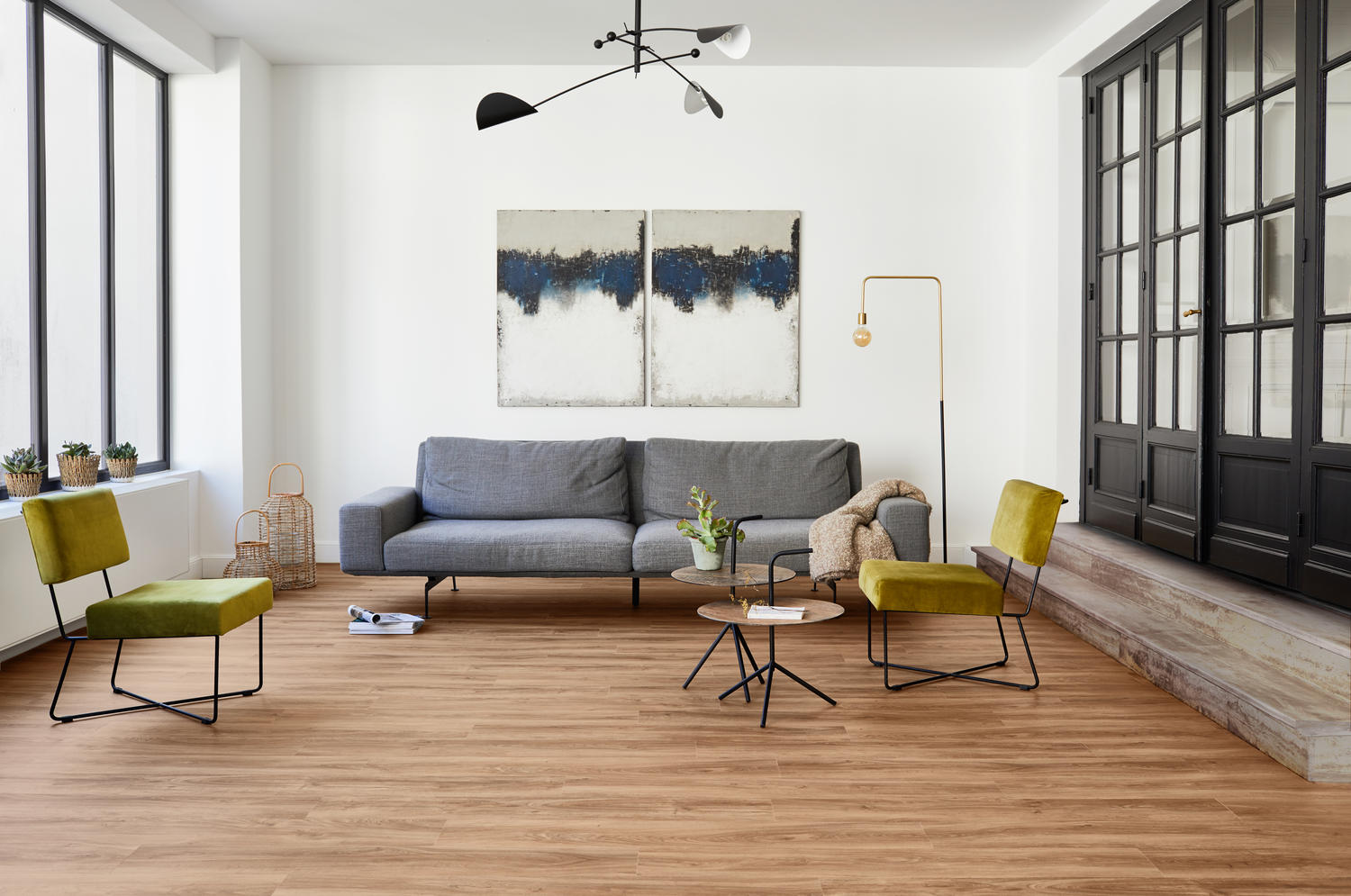
Studies suggest that cluttered spaces can increase stress and reduce focus. Minimalist interiors, by contrast, create calm, organized environments conducive to relaxation, creativity, and mental clarity. Minimalist furniture contributes to this effect by offering visual simplicity and functional efficiency.
The Practical Appeal of Minimalist Furniture
Minimalist furniture is not just philosophically compelling—it’s also highly practical.
Space Efficiency
Modern urban living often demands clever use of limited space. Modular sofas, wall-mounted shelves, foldable tables, and multipurpose storage units exemplify how minimalist furniture maximizes utility while maintaining aesthetic appeal.
Easy Maintenance
Minimalist furniture typically features clean surfaces and fewer decorative details, which translates to easier cleaning and upkeep. This simplicity suits busy lifestyles where time is limited but functionality cannot be compromised.
Adaptability
Minimalist furniture’s neutral colors and unobtrusive forms make it highly adaptable. A minimalist table or chair can integrate seamlessly into different décor styles, from industrial lofts to cozy apartments, offering long-term versatility.
Minimalism vs. Maximalism: A Philosophical Contrast
Understanding minimalist furniture also requires contrasting it with maximalism. Maximalism embraces abundance, color, and eclectic mixing of textures and objects. While maximalist spaces are lively and expressive, they can feel overwhelming or chaotic. Minimalism, in contrast, offers calm, clarity, and focus.
The choice between minimalism and maximalism often reflects personal values: whether one prioritizes simplicity, intentionality, and mental clarity, or vibrancy, self-expression, and sensory richness. This distinction emphasizes that minimalist furniture is not merely a visual style but a reflection of lifestyle choices.
The Role of Technology in Minimalist Furniture
Technology has played a subtle yet significant role in popularizing minimalist furniture. From ergonomic designs informed by research to modular systems enhanced by AI-based planning tools, furniture innovation supports minimalist living.
Smart furniture—like adjustable desks, modular seating, and storage-integrated appliances—combines technology with minimal aesthetics. The result? Spaces that are functional, flexible, and clutter-free without compromising modern convenience.
Minimalism Across Cultures
While Western minimalism emphasizes clean lines and neutral palettes, minimalism manifests differently across cultures.
- Japan: Emphasizes natural materials, low-profile furniture, and spaces that foster mindfulness and tranquility.
- Scandinavia: Prioritizes light, functionality, and simplicity while integrating cozy, hygge-inspired textures.
- Mediterranean regions: Minimalism may blend with airy, sunlit designs and natural stone elements, reflecting climate and lifestyle.
These variations highlight that minimalist furniture is not just a universal trend but a culturally adaptable lifestyle approach.
Minimalist Furniture in Commercial Spaces
Minimalist design isn’t limited to homes. Restaurants, offices, and hotels increasingly adopt minimalist furniture to create sleek, efficient, and calming environments. Open-plan offices with modular desks, ergonomic chairs, and unobtrusive storage promote focus and productivity. Similarly, minimalist cafes or lounges use furniture to craft airy, welcoming spaces without visual clutter.
This commercial adoption underscores minimalism’s versatility and functional superiority, further blurring the line between trend and enduring lifestyle.
Minimalism in the Age of Sustainability
Minimalism aligns naturally with contemporary sustainability movements. Choosing durable, high-quality minimalist furniture reduces waste and consumption. Furthermore, minimalist lifestyles often encourage buying fewer but better-quality items, repairing instead of discarding, and embracing second-hand or upcycled furniture.
In this sense, minimalism is not a superficial aesthetic but a lifestyle philosophy with practical environmental impact.
Common Misconceptions About Minimalist Furniture
Many skeptics dismiss minimalist furniture as cold, sterile, or uncomfortable. While it’s true that poorly executed minimalism can feel sparse or uninviting, thoughtful designs balance simplicity with warmth, texture, and functionality.
Another misconception is that minimalism equates to deprivation. In reality, it’s about conscious selection: fewer pieces, yes—but each chosen for its quality, utility, and beauty. It’s a lifestyle of abundance in meaning, not clutter.
Minimalist Furniture for Every Budget
Minimalist furniture is often associated with high-end design, but it’s accessible across budgets. DIY projects, modular systems, and clever repurposing of existing furniture allow anyone to embrace minimalism without significant investment.
Key strategies include:
- Choosing neutral base pieces that can pair with changing accents
- Prioritizing multifunctional furniture
- Investing in durability over quantity
This accessibility reinforces minimalism as a lifestyle choice, not just a luxury trend.
Case Studies: Minimalist Furniture in Real Homes
Urban Apartment
A 700-square-foot apartment in a metropolitan city illustrates minimalism perfectly: a low-profile sofa doubles as guest seating, a foldable dining table transforms into a workspace, and open shelving reduces visual clutter while offering storage. The result is an airy, functional, and stress-free living environment.
Suburban Home
In a spacious suburban home, minimalist furniture harmonizes with abundant natural light. Simple wood dining chairs, modular sofas, and minimalistic nightstands create cohesion. The homeowner emphasizes quality over quantity, proving that minimalism adapts to various scales and lifestyles.
The Future of Minimalist Furniture
Minimalist furniture is likely to endure beyond current trends because it addresses fundamental human needs: clarity, functionality, and calm. Emerging innovations—eco-friendly materials, tech-integrated designs, and modular systems—further cement its relevance.
As urban living spaces shrink and environmental awareness grows, minimalist furniture offers practical solutions for modern life. Its aesthetic appeal is only the visible tip of a deeper lifestyle philosophy.
Conclusion: Trend or Lifestyle?
So, is minimalist furniture just a trend or a lifestyle? The answer is nuanced. While its visual style may fluctuate in popularity, the principles underpinning minimalist furniture—intentionality, functionality, sustainability, and psychological clarity—transcend trends.
For some, minimalist furniture is a temporary aesthetic choice inspired by social media or design magazines. For others, it is a deliberate, thoughtful lifestyle that shapes their surroundings, habits, and even values. Its staying power lies not merely in appearance, but in its ability to improve quality of life, foster mindfulness, and integrate seamlessly into diverse cultural contexts.
Ultimately, minimalist furniture is both a trend and a lifestyle—but its true impact emerges when design becomes a reflection of conscious living rather than a passing aesthetic.