





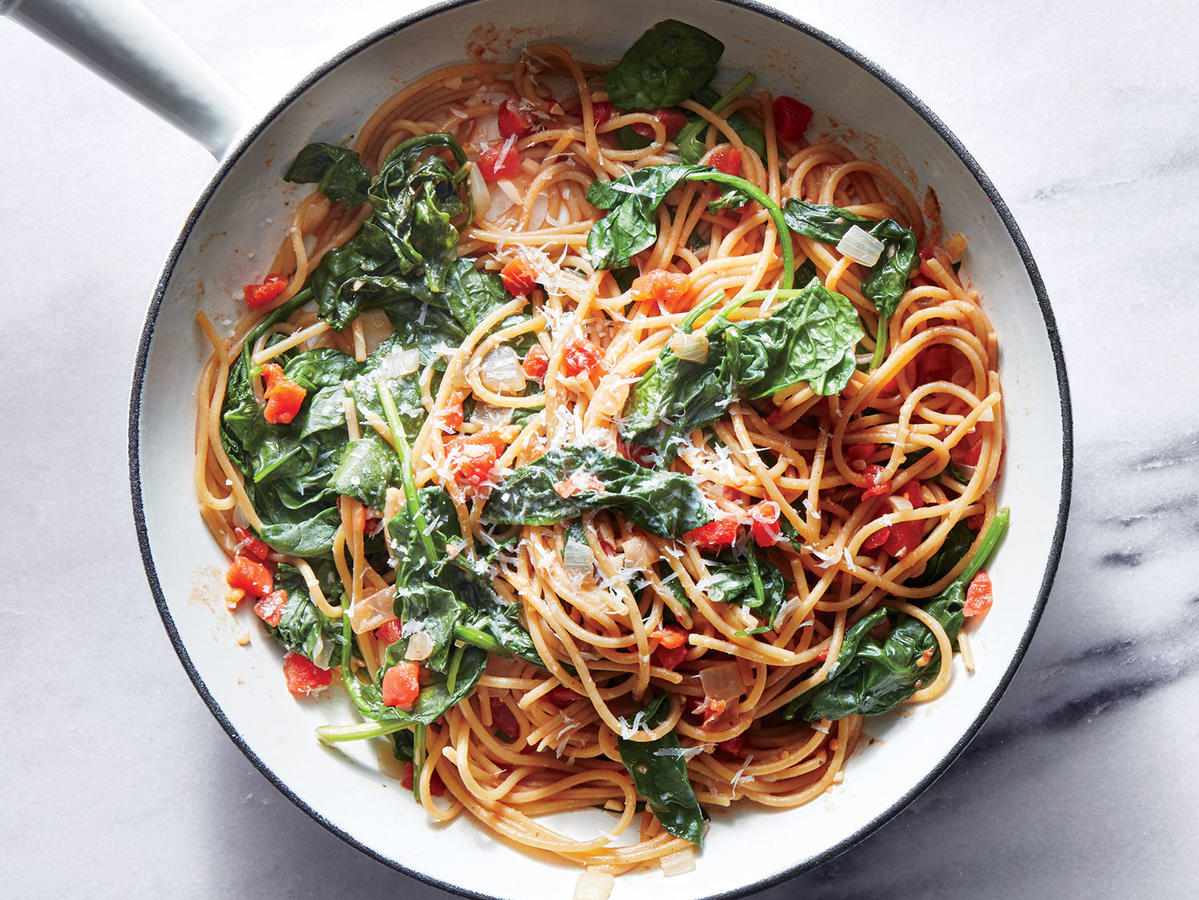

Cooking pasta has long been treated as a sacred ritual: a large pot, gallons of boiling water, generous salt, careful timing, and a separate pan for sauce. It works—but it also creates extra dishes, extra steps, and extra waiting. In a world where time is increasingly precious and kitchens are often compact, a simple question naturally arises: Is it possible to cook pasta in a single pot without sacrificing quality?
The short answer is yes.
The long answer is far more interesting.
This article explores the one-pot pasta method in depth: where it came from, why it works, how to master it, when to use it, when not to use it, and how it can transform everyday cooking. Whether you are a home cook, a student, a busy professional, or a culinary enthusiast interested in technique, this guide will give you a professional-level understanding—without unnecessary complexity.
1. The Traditional Pasta Model: Why We Do What We Do
To understand why one-pot pasta is such a powerful idea, we must first understand the traditional method.
1.1 The Classic Approach
Conventional pasta cooking involves:
- A large pot
- Plenty of water (often 4–6 liters)
- Salt added generously
- Pasta boiled until al dente
- Sauce prepared separately
- Pasta drained and combined with sauce
This method is rooted in Italian culinary tradition, where pasta is often cooked simply and dressed lightly. The large volume of water prevents sticking and ensures even cooking.
1.2 The Hidden Costs of Tradition
While effective, this approach has drawbacks:
- Time: Waiting for large amounts of water to boil is slow.
- Energy: Heating excess water uses more gas or electricity.
- Cleanup: Multiple pots, strainers, and utensils.
- Flavor loss: Starchy cooking water is discarded unless intentionally saved.
For generations, these trade-offs were accepted as inevitable. One-pot pasta challenges that assumption.
2. What Is One-Pot Pasta?
One-pot pasta is exactly what it sounds like: pasta cooked in the same vessel as its sauce, using just enough liquid to cook the noodles and create a finished dish at the same time.
Instead of boiling pasta separately, you:
- Add pasta directly to a pot or pan
- Include water, stock, milk, or sauce
- Simmer everything together
- Allow starch released from pasta to thicken the sauce naturally
The result is a cohesive dish with deeper flavor and fewer steps.
3. Why One-Pot Pasta Works: The Science Behind It
This method isn’t a shortcut that cuts corners—it’s a technique that relies on sound culinary principles.
3.1 Starch Is Your Ally
When pasta cooks, it releases starch. In traditional cooking, most of this starch is diluted in excess water and poured down the drain.
In one-pot pasta:
- The starch stays in the pot
- It emulsifies with fats
- It thickens liquids
- It binds sauce to pasta
This is the same principle behind professional techniques like finishing pasta in sauce using reserved pasta water—except here, it happens automatically.
3.2 Controlled Hydration
Pasta does not need vast amounts of water to cook. It needs:
- Heat
- Moisture
- Time
By carefully controlling the amount of liquid, pasta absorbs flavor as it cooks rather than being flavored afterward.
3.3 Flavor Absorption
Because pasta cooks directly in seasoned liquid:
- Aromatics infuse into the noodles
- Salt is distributed more efficiently
- Sauces taste integrated, not layered
This results in dishes that taste more intentional and complete.
4. The Origins of One-Pot Pasta
Although it feels modern, one-pot pasta is not entirely new.
4.1 Historical Roots
Before industrial kitchens and oversized pots:
- Fuel was expensive
- Water access was limited
- Cooking vessels were small
Many traditional dishes across cultures involved cooking grains or noodles directly in flavored liquids.
4.2 Modern Revival
The technique gained popularity in modern home cooking due to:
- Smaller kitchens
- Busy lifestyles
- Minimalist cooking philosophies
- Increased interest in efficiency
Chefs and food writers began experimenting, refining ratios, and proving that simplicity could coexist with quality.
5. Equipment: You Need Less Than You Think
One of the most appealing aspects of one-pot pasta is how little equipment it requires.
5.1 Ideal Cooking Vessels
- Wide, shallow pots or pans: Encourage even cooking
- Dutch ovens: Excellent heat retention
- Deep skillets with lids: Perfect for controlled simmering
Avoid narrow, tall pots—they make evaporation and stirring more difficult.
5.2 Utensils
- A wooden spoon or silicone spatula
- A lid (optional but useful)
- A measuring cup (initially)
That’s it.
6. Choosing the Right Pasta
Not all pasta behaves the same way in a one-pot environment.
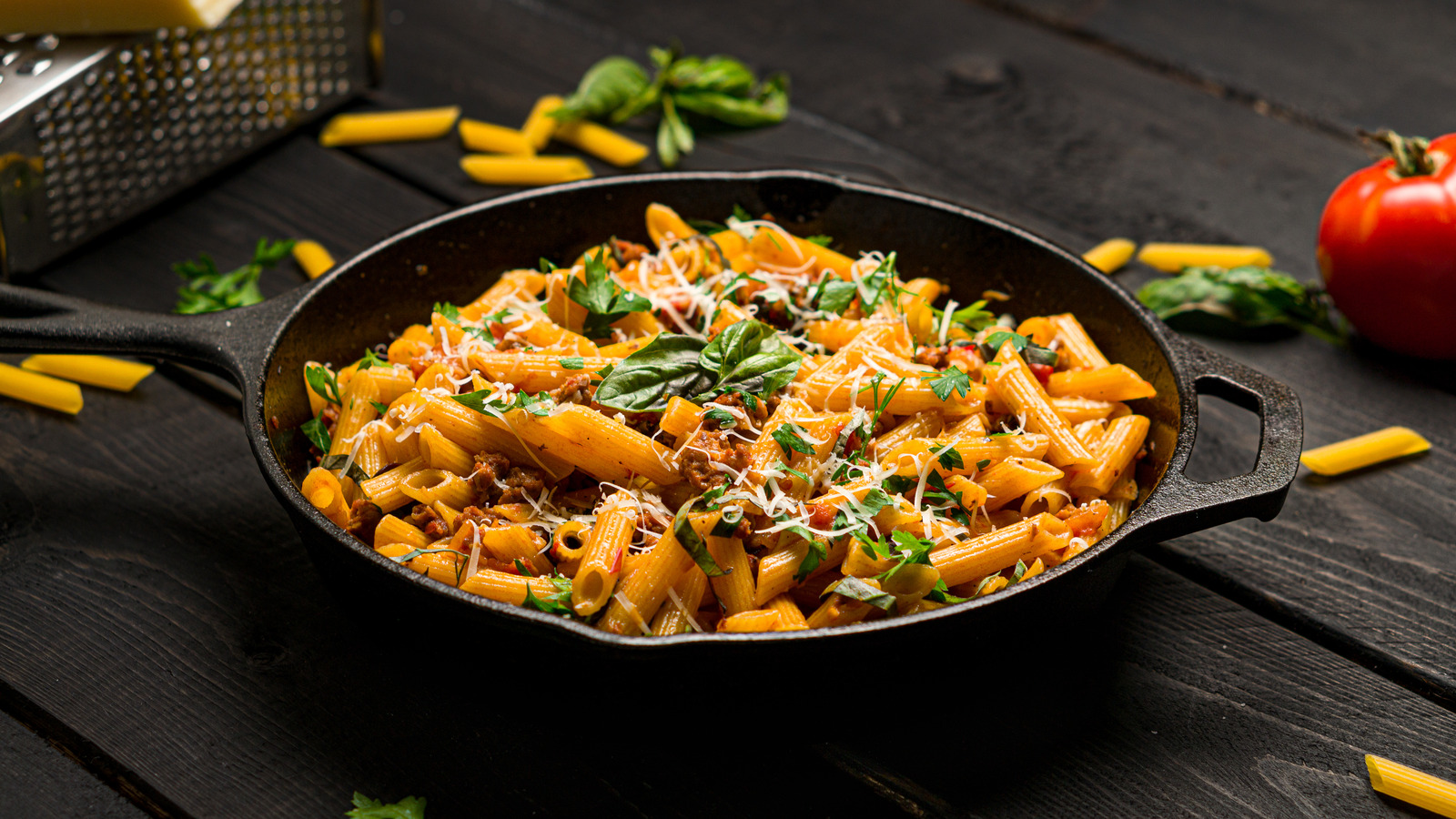
6.1 Best Pasta Types
- Spaghetti
- Linguine
- Fettuccine
- Penne
- Fusilli
- Rigatoni
These shapes cook evenly and release starch at a predictable rate.
6.2 Pasta to Use with Caution
- Very thin pasta (angel hair)
- Fresh pasta
- Stuffed pasta
These cook quickly and can overcook before sauce develops.
7. Liquid Choices: More Than Just Water
The cooking liquid defines the character of your dish.
7.1 Common Liquids
- Water (neutral base)
- Vegetable stock
- Chicken stock
- Milk or cream
- Tomato juice or crushed tomatoes
- Coconut milk
7.2 Combining Liquids
Blending liquids allows for balance:
- Water + stock for flavor without heaviness
- Milk + water to prevent scorching
- Tomato + water for acidity control
8. Mastering Ratios: The Key to Success
While one-pot pasta encourages intuition, ratios matter—especially at first.
8.1 Basic Guideline
For dried pasta:
- 100g pasta
- 300–400ml liquid
Adjust based on:
- Pasta shape
- Sauce thickness
- Additional ingredients
8.2 Watching the Pot
Unlike traditional boiling, one-pot pasta requires attention:
- Stir occasionally
- Add liquid gradually if needed
- Adjust heat to maintain a steady simmer
This active cooking is what ensures perfect texture.
9. Building Flavor from the Start
Flavor development begins before the pasta goes in.
9.1 Aromatics
Start with:
- Garlic
- Onion
- Shallots
- Leeks
Sautéing them briefly in oil creates a foundation of sweetness and depth.
9.2 Fats
- Olive oil
- Butter
- Neutral oils
Fat carries flavor and helps emulsify the sauce later.
9.3 Spices and Herbs
Add early:
- Chili flakes
- Black pepper
- Dried herbs
Add late:
- Fresh herbs
- Lemon zest
- Cheese
10. Proteins in One-Pot Pasta
One-pot pasta is flexible enough to accommodate many proteins.
10.1 Meat
- Chicken (thinly sliced)
- Sausage
- Bacon
- Ground meat
Brown meats first for flavor, then remove or push aside before adding pasta.
10.2 Seafood
- Shrimp
- Mussels
- Clams
Add toward the end to avoid overcooking.
10.3 Plant-Based Options

- Chickpeas
- Lentils
- Tofu
- Tempeh
These absorb flavor beautifully during simmering.
11. Vegetables: Timing Is Everything
Vegetables cook at different speeds.
11.1 Add Early
- Carrots
- Onions
- Celery
- Mushrooms
11.2 Add Midway
- Zucchini
- Bell peppers
- Broccoli
11.3 Add Late
- Spinach
- Arugula
- Peas
- Fresh tomatoes
This layering ensures texture and color remain vibrant.
12. Common Mistakes (and How to Avoid Them)
12.1 Too Much Liquid
Results in:
- Soupy sauce
- Diluted flavor
Solution:
- Start with less
- Add gradually
12.2 Too Little Liquid
Results in:
- Undercooked pasta
- Scorched bottom
Solution:
- Keep warm water or stock nearby
12.3 Overcrowding
Too many ingredients compete for space.
Solution:
- Use a wide pan
- Cook in batches if needed
13. Texture Control: Al Dente Still Matters
One-pot pasta does not mean soft or mushy pasta.
13.1 How to Achieve Al Dente
- Stir gently but regularly
- Taste early and often
- Remove from heat slightly before perfect doneness
Residual heat continues cooking.
14. One-Pot Pasta and Sauce Styles
14.1 Creamy Sauces
The starch naturally thickens cream-based sauces without heavy reductions.
14.2 Tomato Sauces
Simmering pasta directly in tomato creates deep, rounded acidity.
14.3 Oil-Based Sauces
Emulsification happens naturally with starch and heat.
15. Nutrition and Control
One-pot pasta gives you more control over what goes into your food.
15.1 Salt Management
Because liquid is absorbed, less salt is needed.
15.2 Portion Control
Cooking everything together encourages mindful serving sizes.
15.3 Balanced Meals
Protein, vegetables, and carbohydrates coexist naturally in one dish.
16. Sustainability and Efficiency
This method is not just convenient—it’s environmentally smarter.
16.1 Less Water
Significantly reduced water usage.
16.2 Less Energy
Shorter cooking times and less heat loss.
16.3 Fewer Dishes
Less detergent, less water, less waste.
17. Professional Kitchens vs Home Kitchens
Professional chefs often adapt techniques for efficiency.
17.1 Why Restaurants Rarely Use It
- High-volume production
- Need for consistency across dishes
- Pasta often pre-cooked and finished to order
17.2 Why Homes Benefit
- Small-scale cooking
- Customization
- Reduced cleanup
One-pot pasta is perfectly suited for home environments.
18. Teaching and Learning Through One-Pot Pasta
This method is an excellent educational tool.
18.1 For Beginners
- Teaches heat control
- Encourages tasting
- Builds intuition
18.2 For Experienced Cooks
- Offers creative freedom
- Encourages improvisation
- Highlights ingredient quality
19. When Not to Use One-Pot Pasta
No method is universal.
Avoid one-pot pasta when:
- Making delicate fresh pasta
- Serving pasta as a base for multiple sauces
- Cooking for large crowds with different preferences
Understanding limitations is part of mastery.
20. The Philosophy Behind One-Pot Cooking
At its core, one-pot pasta represents a broader culinary philosophy:
- Respect ingredients
- Minimize waste
- Value time
- Embrace simplicity
It proves that efficiency and excellence are not opposites.
21. Final Thoughts: A Small Change with Big Impact
So, is it possible to cook pasta in a single pot?
Absolutely.
More than that—it’s practical, flavorful, sustainable, and deeply satisfying.
One-pot pasta is not a compromise. It is an evolution. It challenges old habits while preserving what truly matters: taste, texture, and enjoyment.
Once you understand the principles, you stop following rules and start cooking with confidence. And in that sense, one-pot pasta is not just a trick—it’s a skill.