





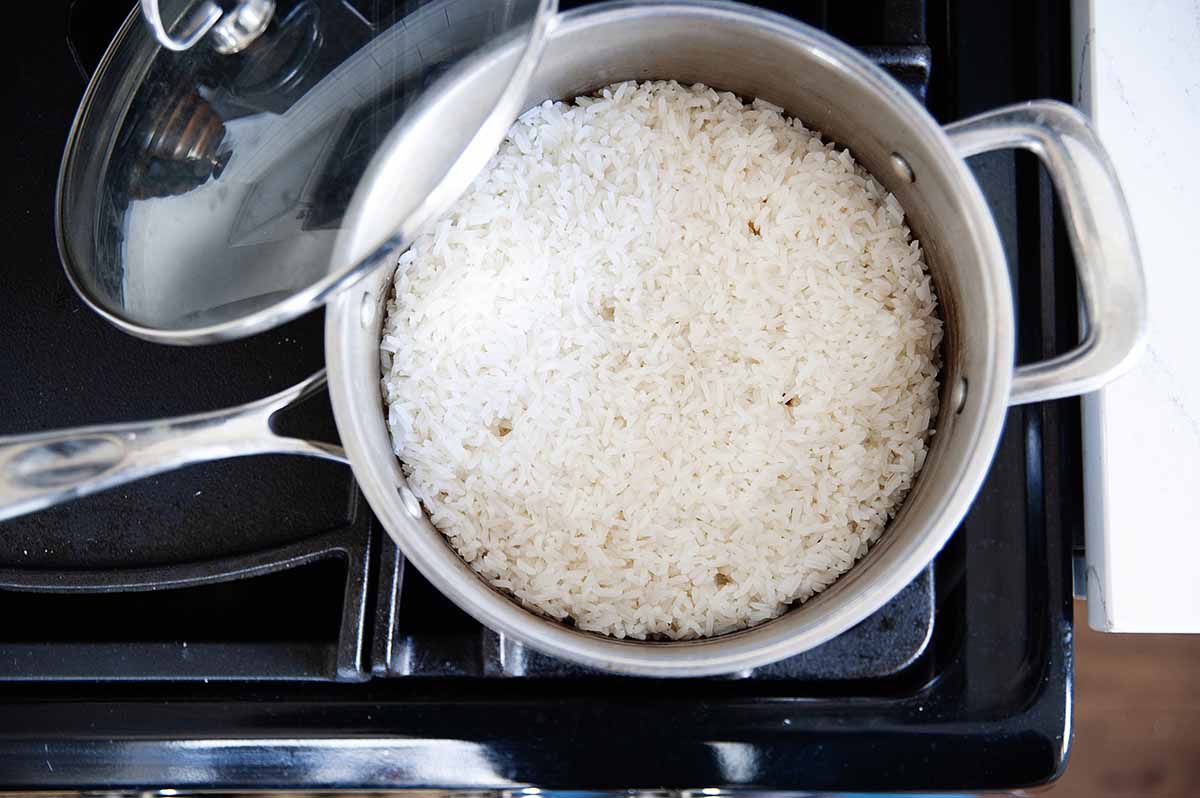

Rice is one of the world’s most humble foods—and one of the most misunderstood. To some, it’s a bland side dish. To others, it’s the heart of a meal, the quiet foundation that carries flavor, texture, and culture. In many modern kitchens, the rice cooker has become the unquestioned authority on how rice should be made. Push a button, wait, and trust the machine.
But here’s the truth: you absolutely can make perfect rice without a rice cooker—and once you understand the principles behind it, you may never feel dependent on one again.
This article is a deep, practical, and surprisingly fun exploration of rice-making using nothing more than basic cookware and solid technique. We’ll cover the science of rice, the differences between varieties, multiple foolproof stovetop methods, common mistakes, texture control, and even how professional chefs think about rice. Whether you’re cooking for yourself, your family, or simply trying to master a fundamental skill, this guide will show you that perfect rice is not about gadgets—it’s about understanding.
Why Rice Cookers Feel Necessary (But Aren’t)
Rice cookers are popular for one main reason: consistency. They control temperature, manage evaporation, and shut off at the right moment. For busy households, that reliability is comforting.
However, what rice cookers really do is automate a process that is already predictable if you know what to look for. Before electric cookers existed, billions of people made excellent rice every single day—over fires, charcoal stoves, and simple pots.
The idea that rice is “hard” to cook is mostly a modern myth, reinforced by rushed recipes and unclear instructions. Rice is not fragile. It is logical. And once you learn how it behaves, it becomes one of the easiest foods to cook well.
What “Perfect Rice” Actually Means
Before we talk about techniques, we need to define the goal. “Perfect rice” is not one universal thing.
Depending on cuisine and preference, perfect rice might mean:
- Light and fluffy, with separate grains
- Soft and slightly sticky
- Creamy and cohesive
- Firm with a defined bite
- Fragrant and dry
- Moist but not wet
Perfection depends on variety, purpose, and context. The rice served with a curry is different from rice used in fried rice, sushi, or a rice bowl.
So instead of chasing one abstract ideal, this article focuses on control—giving you the ability to make rice the way you want it, every time.
Understanding Rice: The Foundation of Success
The Anatomy of a Grain of Rice
At its core, rice is a seed composed primarily of starch. That starch exists in two forms:
- Amylose – contributes to firm, separate grains
- Amylopectin – contributes to softness and stickiness
The ratio of these two starches determines how rice behaves during cooking. Long-grain rice typically has more amylose, while short-grain rice has more amylopectin.
When rice cooks, water enters the grain, starch granules swell, and the structure softens. The key is controlling how much water is absorbed and how evenly heat is applied.
Rice Varieties and How They Behave Without a Cooker
Long-Grain Rice (e.g., Basmati, Jasmine)
- Grains stay separate
- Aromatic varieties benefit from gentle steaming
- Ideal for pilaf-style cooking and absorption methods
Medium-Grain Rice
- Slightly plump and tender
- Balances separation and cohesion
- Excellent for everyday meals
Short-Grain Rice
- Naturally sticky
- Best for bowls, sushi, and comfort dishes
- Requires precise water control
Brown Rice
- Retains bran and germ
- Takes longer to cook
- Requires more water and patience
Specialty Rice (Wild, Black, Red)
- Unique textures and flavors
- Often benefit from boiling methods
- Less forgiving, but deeply rewarding
Knowing which rice you’re working with already puts you ahead of most recipes.
The Two Core Methods of Cooking Rice Without a Rice Cooker
There are many variations, but almost all successful rice cooking falls into two categories:
- The Absorption Method
- The Boil-and-Drain Method
Each has advantages, and learning both gives you flexibility.
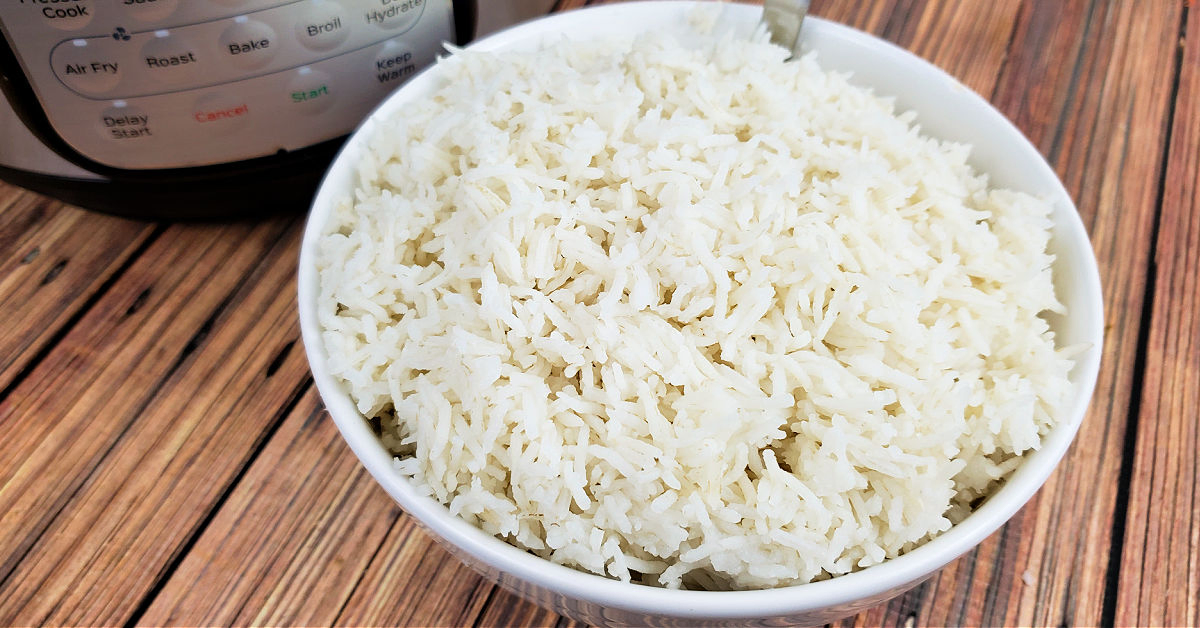
Method One: The Absorption Method (The Classic Approach)
This is the method most similar to what a rice cooker does.
What It Is
You cook rice in a measured amount of water until all the liquid is absorbed and the rice is tender.
Why It Works
- Water is fully absorbed into the grains
- Flavor stays concentrated
- Texture is controlled by ratio and timing
Step-by-Step Guide
- Rinse the Rice (Optional but Recommended)
Rinsing removes surface starch that can cause gumminess. Rinse until the water runs mostly clear. - Measure Rice and Water Carefully
Ratios vary by type:- Long-grain white rice: about 1:1.5
- Medium-grain: about 1:1.75
- Short-grain: about 1:1.25
- Brown rice: about 1:2
- Bring to a Boil
Use a heavy-bottomed pot with a tight lid. Bring the rice and water to a full boil. - Reduce to a Gentle Simmer
Lower the heat immediately. Cover tightly. - Do Not Peek
Steam is part of the cooking process. Lifting the lid disrupts temperature and moisture. - Cook Until Water Is Gone
Time varies, but usually 10–18 minutes for white rice. - Rest the Rice
Turn off heat and let sit, covered, for 5–10 minutes. This step is essential. - Fluff Gently
Use a fork or rice paddle to release excess steam and separate grains.
Why Resting Matters More Than You Think
Resting allows moisture to redistribute evenly. Skipping this step often leads to wet bottoms and dry tops.
Method Two: The Boil-and-Drain Method (The Pasta Technique)
This method is criminally underused.
What It Is
You cook rice in a large amount of boiling water, then drain it like pasta.
Why It Works
- Almost impossible to burn
- Excellent for long-grain rice
- Great for beginners
Step-by-Step Guide
- Bring a Large Pot of Water to a Rolling Boil
- Add Salt Generously
- Add Rinsed Rice
- Boil Uncovered
- Taste for Doneness
- Drain Thoroughly
- Steam Briefly Off Heat (Optional)
When to Use This Method
- Basmati rice
- Jasmine rice
- When precision is difficult
- When cooking large batches
This method sacrifices a bit of flavor concentration but gains consistency and ease.
Texture Control: How Chefs Fine-Tune Rice
Professional cooks think about rice in terms of end use, not rules.
Want Fluffier Rice?
- Use slightly less water
- Let it rest longer
- Fluff aggressively

Want Softer Rice?
- Add a few tablespoons of water
- Extend resting time
- Use gentler heat
Want Firmer Rice?
- Shorten cooking time
- Use boil-and-drain
- Spread on a tray briefly to release steam
Rice is incredibly forgiving if you understand how to adjust it.
The Role of Heat: Why Stoves Matter
One major reason people struggle with rice is inconsistent heat.
Key Principles
- High heat is only for boiling
- Simmer means barely bubbling
- Heavy pots stabilize temperature
- Thin pots burn rice easily
If your stove runs hot, reduce heat earlier than recipes suggest. Rice does not need aggression—it needs steadiness.
Common Rice Mistakes (And How to Fix Them)
Mushy Rice
- Too much water
- Overcooking
- Excessive stirring
Fix: Drain excess water and spread rice to release steam.
Burnt Bottom
- Heat too high
- Thin pot
- No resting period
Fix: Lower heat earlier and rest off heat.
Undercooked Rice
- Insufficient water
- Lid lifted too often
Fix: Sprinkle water, cover, and steam gently.
Bland Rice
- No salt
- Over-rinsing aromatic rice
Fix: Salt the water properly. Rice should taste seasoned on its own.
Flavoring Rice Without Complicating It
Perfect rice doesn’t need much—but thoughtful additions make it shine.
Simple Enhancements
- Salt (non-negotiable)
- A knob of butter or a drizzle of oil
- Bay leaf or cardamom pod
- A slice of ginger
Liquid Swaps
- Broth instead of water
- Coconut milk diluted with water
- Tomato-infused water
Toasting the Rice
Lightly toasting dry rice in oil before adding water enhances aroma and nutty depth.
Cooking Rice by Feel, Not Fear
Once you’ve cooked rice enough times, you stop measuring obsessively. You start listening:
- The sound of simmering changes as water disappears
- Steam becomes more fragrant
- The pot feels lighter
This sensory awareness is how people cooked rice for centuries—and it still works.
Rice Across Cultures: No Cooker Required
Around the world, rice is cooked without machines:
- Persian chelow steamed in pots
- Indian rice boiled and drained
- West African jollof simmered slowly
- Japanese rice once cooked over fire
- Mediterranean pilaf toasted and absorbed
The rice cooker is convenient, not essential.
Why Learning This Skill Matters
Cooking rice without a rice cooker is not about rejecting technology. It’s about confidence.
When you understand rice:
- You adapt to any kitchen
- You cook better meals
- You waste less food
- You rely on knowledge, not devices
It’s a small skill with outsized impact.
Final Thoughts: Perfect Rice Is a Relationship, Not a Recipe
Perfect rice doesn’t come from a button. It comes from attention, patience, and understanding. Once you let go of fear and start observing what’s happening in the pot, rice stops being mysterious and starts being intuitive.
So yes—you can make perfect rice without a rice cooker.
And once you do, you may realize something surprising: the process is just as satisfying as the result.