






The word dessert often conjures images of luscious chocolate cakes, caramel-drizzled puddings, and pastries brimming with sugar crystals. But what if you could enjoy a dessert without adding a single gram of refined sugar? Can a sweet treat truly be delightful without the conventional sweeteners that have dominated our kitchens for centuries? The answer is a resounding yes. In this article, we’ll explore the science, art, and creativity behind making desserts that are not only sugar-free but also irresistibly delicious.
Understanding Sugar-Free Desserts
Before diving into recipes and techniques, it’s essential to understand what makes sugar-free desserts work. Sugar isn’t just a sweetener; it plays multiple roles in baking and dessert making:
- Sweetness: The most obvious function.
- Texture: Sugar contributes to moisture, softness, and crumb structure.
- Color and flavor: Caramelization and Maillard reactions (the browning process) give baked goods their golden hue and complex flavors.
When removing sugar, you must replace its functions, not just its sweetness. This is where natural alternatives and smart ingredient combinations come into play.
Natural Sweeteners That Work
Sugar-free doesn’t mean flavorless. Numerous natural ingredients provide sweetness along with nutritional benefits:
1. Fruit-Based Sweeteners
- Bananas: Perfect for muffins, puddings, and smoothies. Overripe bananas are naturally sweeter and add moisture.
- Dates: High in natural sugars and fiber. They are excellent for energy bars, truffles, and raw desserts.
- Applesauce: Works well in cakes, breads, and pancakes, adding both sweetness and moisture.
2. Plant-Based Syrups
- Maple Syrup: Contains antioxidants and minerals, though calorie-dense, it’s a natural alternative.
- Agave Nectar: Sweeter than sugar with a lower glycemic index, ideal for beverages and cold desserts.
3. Sugar Alcohols (Optional for Baking)
- Erythritol or Xylitol: These are low-calorie and don’t spike blood sugar but must be used with caution in large quantities, as they may cause digestive discomfort.
4. Spices and Flavor Enhancers
- Cinnamon, nutmeg, vanilla, and cardamom naturally enhance perceived sweetness. These can trick your taste buds into thinking a dessert is sweeter than it really is.
Science of Sweetness Without Sugar
Sweetness isn’t just chemical—it’s psychological. Our perception of sweetness can be enhanced through texture, temperature, and flavor contrast:
- Texture: Creamy desserts like chia puddings or avocado mousse feel indulgent.
- Temperature: Cold desserts often taste sweeter than warm ones.
- Flavor layering: A hint of salt or citrus can enhance sweetness without sugar.
The Role of Fats in Sugar-Free Desserts
Fats play a pivotal role in sugar-free dessert success:
- Coconut cream: Adds richness to mousses and puddings.
- Nut butters: Almond, cashew, or peanut butter contribute both sweetness perception and creaminess.
- Avocado: Surprisingly versatile, it makes chocolate mousse silky and decadent.
By balancing fats and natural sweeteners, you create a dessert that satisfies cravings without refined sugar.
Creative Dessert Ideas Without Sugar
Here’s where science meets artistry. These desserts prove that sugar-free doesn’t mean boring.
1. Raw Chocolate Avocado Mousse
- Ingredients: Ripe avocados, cocoa powder, dates, vanilla extract, pinch of salt.
- Method: Blend until creamy. Chill for an hour. Top with berries or nuts.
- Why It Works: Avocado provides creaminess, cocoa adds flavor depth, and dates provide natural sweetness.
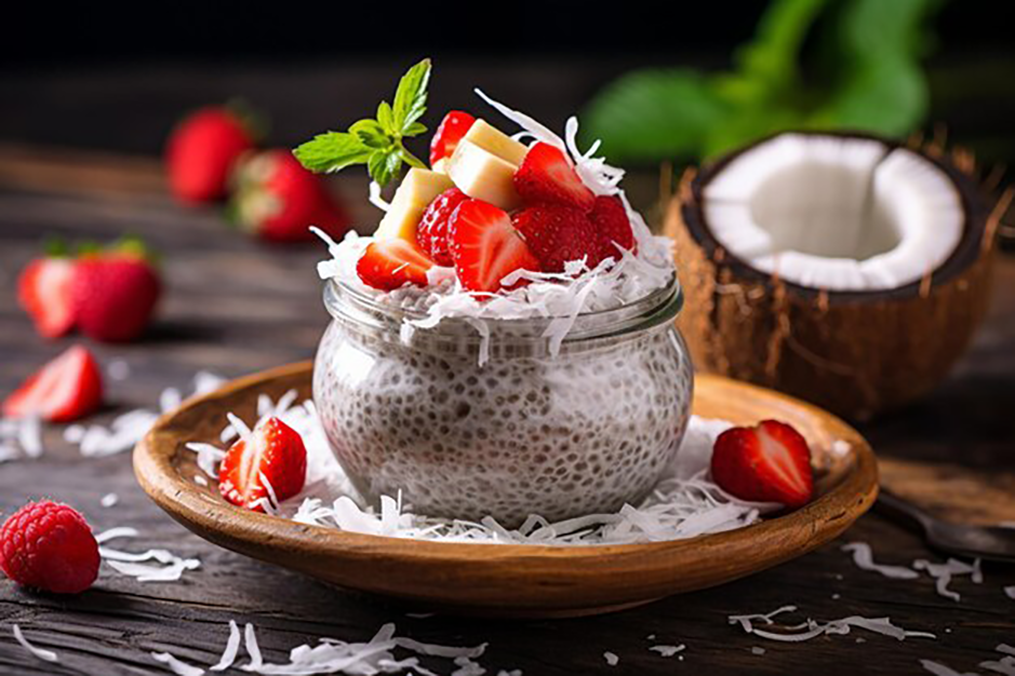
2. Chia Seed Pudding with Fruit Compote
- Ingredients: Chia seeds, almond milk, cinnamon, berries or mango puree.
- Method: Mix chia seeds with almond milk and let sit overnight. Top with fruit compote.
- Why It Works: Chia seeds gel in liquid, creating a pudding-like texture. The fruit puree adds sweetness and tartness.
3. Banana Oat Cookies
- Ingredients: Ripe bananas, rolled oats, dark chocolate chunks (sugar-free), walnuts.
- Method: Mash bananas, mix with oats and other ingredients, bake at 180°C for 15 minutes.
- Why It Works: Bananas are naturally sweet and moist. Oats add texture and bulk.
4. Coconut Macaroons
- Ingredients: Shredded coconut, coconut milk, a touch of maple syrup, vanilla.
- Method: Mix, shape into small domes, bake until golden.
- Why It Works: Coconut is naturally sweet and fatty, giving a satisfying chew without sugar.

5. Frozen Berry Sorbet
- Ingredients: Mixed berries, lemon juice, optional stevia or erythritol.
- Method: Blend berries with lemon juice, freeze, and stir occasionally for texture.
- Why It Works: Berries are naturally sweet and tart. Freezing enhances perceived sweetness.
6. Nutty Energy Balls
- Ingredients: Dates, almonds, cocoa powder, coconut flakes.
- Method: Blend and roll into bite-sized balls. Chill.
- Why It Works: No baking required, naturally sweet, and packed with fiber and healthy fats.
Tips for Baking Without Sugar
Baking without sugar requires subtle adjustments:
- Don’t skimp on moisture: Use fruit purees, yogurt, or coconut milk.
- Mind the oven: Sugar contributes to browning. Without it, desserts may look paler.
- Texture balancing: Add nuts, oats, or seeds to compensate for the missing bulk sugar provides.
- Taste-testing: Some natural sweeteners are more potent than sugar; adjust gradually.
Sugar-Free Chocolate: A Game-Changer
Chocolate desserts are synonymous with indulgence. Sugar-free chocolate (often made with stevia, erythritol, or monk fruit) allows for decadent creations without compromising flavor. Popular applications include:
- Chocolate bark with nuts and dried fruit
- Fudgy brownies using avocado or black beans
- Chocolate-dipped fruit slices
The key is to pair chocolate with natural sweetness sources and textural contrasts for maximum pleasure.
Health Benefits of Sugar-Free Desserts
Reducing sugar intake offers numerous advantages:
- Stable blood sugar: Prevents spikes and crashes.
- Dental health: Fewer cavities and reduced plaque formation.
- Weight management: Often lower in empty calories.
- Enhanced nutrient intake: Using fruits, nuts, and seeds adds fiber, vitamins, and minerals.
Common Mistakes to Avoid
- Relying solely on sweeteners: Texture and flavor matter as much as sweetness.
- Overbaking: Sugar-free desserts can dry out quickly.
- Ignoring acidity: A touch of lemon or vinegar can elevate sweetness perception.
- Skipping salt: Just a pinch balances flavors and prevents blandness.
Dessert Presentation Without Sugar
Even sugar-free desserts deserve beautiful presentation. Consider these tips:
- Layering: Chia pudding with fruit layers looks luxurious.
- Garnishing: Nuts, edible flowers, or cocoa dusting enhance visual appeal.
- Serving dishes: Clear glasses, ramekins, or small plates make desserts look gourmet.
Experimenting With Global Flavors
Sugar-free desserts can draw inspiration from international cuisines:
- Middle Eastern: Date-stuffed pastries, tahini-based desserts
- Asian: Black sesame pudding, mango sticky rice
- European: Almond cakes, ricotta-based tarts
Exploring diverse flavors adds depth and excitement to sugar-free creations.
Final Thoughts
Sugar-free desserts are far from a compromise. With creativity, science, and a touch of artistry, you can craft indulgent treats that satisfy the sweet tooth while nourishing your body. By focusing on natural sweeteners, fats, textures, and flavors, you unlock a world where desserts are both healthy and delightful. So yes, you absolutely can make a delicious dessert without sugar—and it might even surprise you how irresistible it can be.