





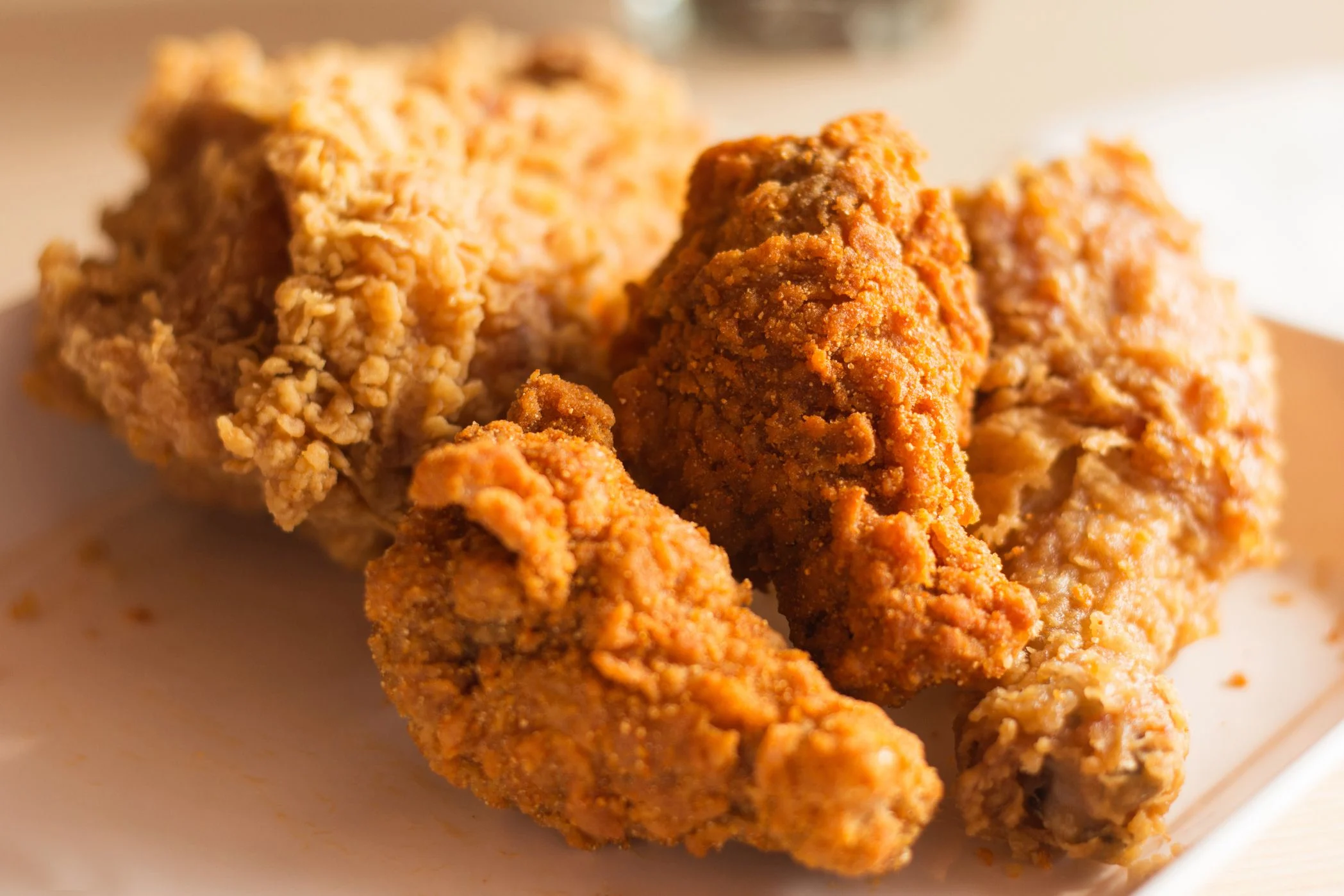

If there’s one universal truth about chicken, it’s this: crispy skin is a game-changer. Whether it’s fried, roasted, or grilled, crispy chicken skin can take a simple meal from mundane to magnificent. But how can you consistently achieve that irresistible crunch? The answer lies in technique, patience, and a few little kitchen tricks. In this article, we’ll dive deep into the science behind crispy chicken skin and share the pro tips that will ensure your chicken is crisped to perfection every single time.
Understanding the Science of Crispy Skin
Before we dive into the how-tos, let’s quickly explore the science behind crispy chicken skin. Chicken skin is made up of protein, fat, and water. To achieve a crispy texture, you need to get rid of most of the moisture in the skin, leaving behind a thin, crispy layer of fat and protein. This is what creates that crackling sound when you bite into it and that satisfying crunch.
In simpler terms, crispy skin happens when you maximize fat rendering while minimizing moisture. The key is to use techniques that allow the fat to melt and the water to evaporate, while avoiding making the skin soggy.
The 6 Secrets to Achieving Crispy Chicken Skin
Now, let’s talk about the techniques that will help you perfect crispy chicken skin, whether you’re roasting, frying, or grilling.
1. Dry the Skin Thoroughly
It might seem obvious, but moisture is the enemy of crispy chicken skin. Before cooking your chicken, pat the skin dry with paper towels. If you have extra time, let the chicken air-dry in the fridge for a few hours or overnight. The cold air in the fridge helps the skin dry out even more, which leads to a crispier result when it cooks. This drying process removes excess moisture that would otherwise turn into steam, ruining the crunch.
2. Season Generously and Use Baking Powder
While salt is the obvious seasoning, the real secret to extra crispiness lies in baking powder. It’s a key ingredient in many professional kitchens for crisping skin. When combined with salt, baking powder helps to draw out more moisture from the skin, and it promotes even browning.

To use baking powder effectively:
- Mix 1 tablespoon of baking powder with 1 teaspoon of salt for every pound of chicken.
- Pat the chicken dry, rub the mixture evenly on the skin, and let it sit in the fridge for at least an hour (or even overnight).
- This not only dries the skin further but also increases the Maillard reaction, which is responsible for that golden-brown color and crispy texture.
3. High Heat Cooking
The temperature at which you cook your chicken is critical. Whether you’re roasting or frying, you need to cook at high heat to achieve a crispy exterior without drying out the meat inside. The heat helps the fat to render and the skin to crisp up quickly.
For roasting: Preheat your oven to 425°F (220°C). A hot oven will ensure the skin crisps quickly without overcooking the chicken.
For frying: The oil temperature should be around 350°F (175°C). If the oil is too cool, the chicken will absorb excess oil, becoming greasy and soggy. Too hot, and the skin will burn before the meat cooks properly.
4. Use a Rack or Grill
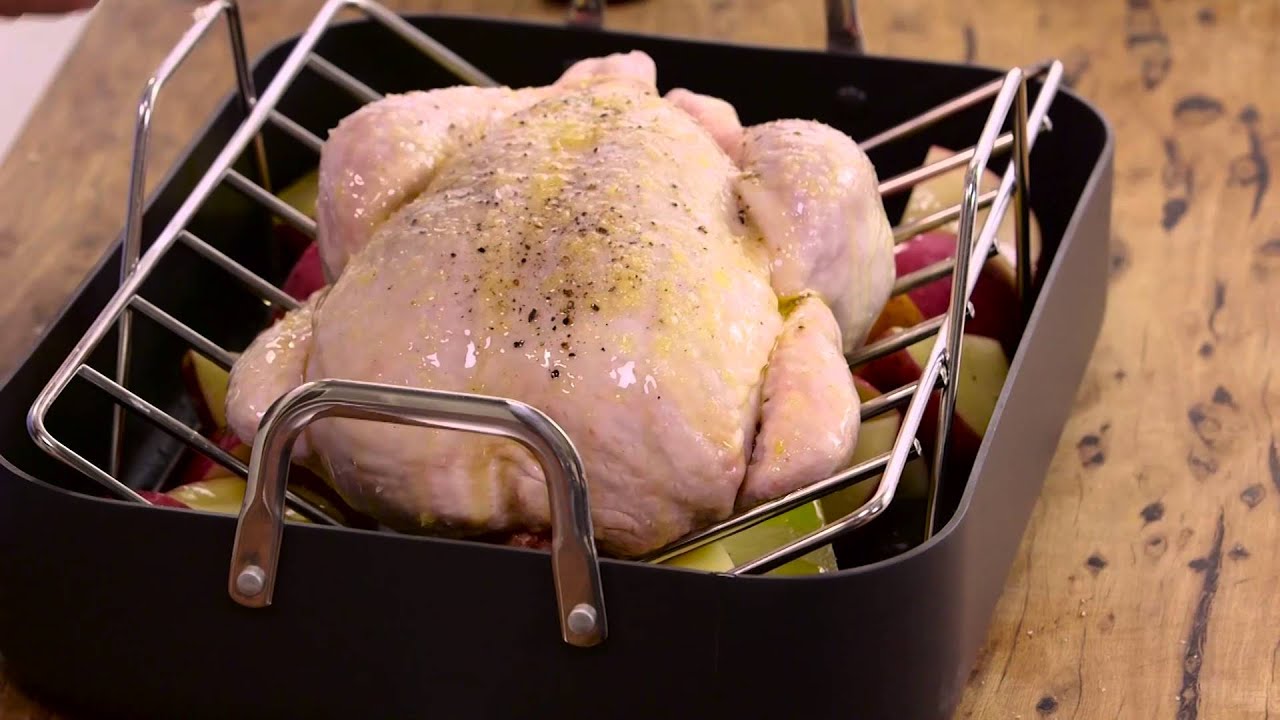
When roasting, don’t just lay the chicken flat on a baking sheet. Instead, use a cooling rack placed on top of the sheet. This allows air to circulate under the chicken, preventing the skin from getting soggy from its own juices. You can also cook chicken on a grill to take advantage of direct heat and airflow, both of which help crisp the skin.
Why a rack works:
- It lets the heat circulate around the chicken evenly.
- The fat drips away, keeping the skin dry and crispy.
For frying, using a wire rack to rest the chicken after frying helps the skin stay crispy, as it prevents moisture from building up beneath the chicken.
5. Don’t Overcrowd the Pan
Whether you’re frying, roasting, or grilling, give your chicken space. When you crowd the pan, you create steam, which makes the skin soggy. This is particularly true when frying—if you add too many pieces of chicken at once, the temperature of the oil will drop, and the chicken will become greasy instead of crispy.
For best results:
- Fry in batches if needed.
- When roasting, make sure the chicken pieces are spaced out on the rack, not touching each other.
6. Finishing Touch: Rest the Chicken
Once your chicken is perfectly cooked, resist the urge to dive in right away. Let the chicken rest for 5-10 minutes after cooking. This resting time allows the juices to redistribute inside the meat, keeping it moist, while the skin remains crispy. If you cut into the chicken too soon, you risk losing some of that crunch.
Cooking Methods for Crispy Chicken Skin
Let’s break down how different cooking methods impact the crispiness of the skin:
Roasting in the Oven
Roasting is perhaps the easiest and most foolproof method for achieving crispy chicken skin. It’s also the method that allows the chicken to cook evenly, with little effort on your part.
- How to do it: Preheat your oven to 425°F (220°C). Season your chicken with salt, baking powder, and any other spices you prefer. Place the chicken on a rack set over a baking sheet and roast for 30-40 minutes, depending on the size of the chicken pieces.
- Tip: For extra crispy skin, turn on the broiler during the last 5 minutes of cooking.
Frying
Deep frying is the quickest way to get crispy skin, but it requires the right oil temperature and technique. The fast cooking process helps the skin stay crispy while the fat renders quickly.
- How to do it: Heat oil to 350°F (175°C). Season and coat your chicken with flour or breadcrumbs if you like extra crunch. Fry in batches to avoid overcrowding. Fry for about 10-15 minutes, or until the skin is golden brown and crispy.
- Tip: Let the fried chicken rest on a wire rack after frying to keep the skin from getting soggy.
Grilling
Grilling can be a fantastic way to get crispy skin, especially if you love that smoky flavor. The direct heat from the grill helps render the fat and crisp the skin.
- How to do it: Preheat your grill to medium-high heat (around 400°F/200°C). Season your chicken, then place it on the grill, skin side down. Grill for 25-30 minutes, flipping occasionally. For extra crispy skin, finish by searing the skin side on high heat for 2-3 minutes at the end.
- Tip: Keep an eye on the chicken as it grills to avoid burning the skin.
Common Mistakes to Avoid
To ensure perfect crispy chicken skin every time, avoid these common mistakes:
- Skipping the drying step: Never skip drying the chicken skin before cooking. It’s crucial for crispiness.
- Using too much oil: When frying, don’t submerge the chicken in oil entirely. Use just enough to fry the chicken halfway, allowing the skin to crisp.
- Not adjusting the heat: Cooking at the wrong temperature will either result in soggy skin (too low) or burnt skin (too high).
- Overcrowding the pan: Always cook in batches when necessary to maintain even cooking and crispiness.
Conclusion: The Secret to Perfect Chicken Skin
Achieving crispy chicken skin every time isn’t as mysterious as it may seem. The secret lies in a few key steps: drying the skin thoroughly, seasoning with baking powder, cooking at high heat, using a rack for airflow, and allowing the chicken to rest after cooking. Whether you’re frying, roasting, or grilling, these techniques will help you create chicken with skin that’s golden, crunchy, and utterly irresistible.