






Avocados have skyrocketed from a humble tropical fruit to a superstar on brunch menus, smoothie bowls, and Instagram feeds worldwide. But what exactly makes this creamy green gem so irresistible in modern diets? It’s more than just taste—it’s a combination of nutrition, versatility, and cultural symbolism. In this deep dive, we’ll explore the avocado phenomenon, its scientific marvels, health benefits, culinary magic, and why nutritionists, chefs, and foodies can’t get enough of it.
1. The Rise of Avocado Culture
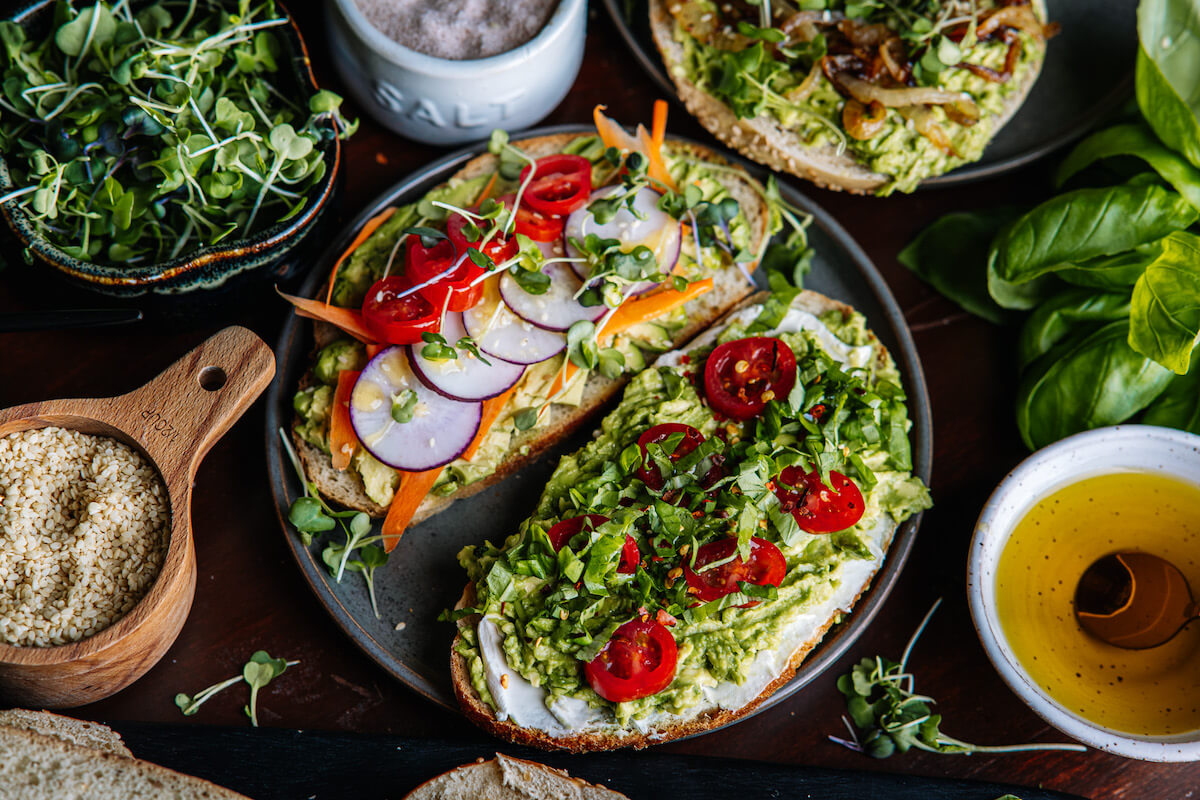
Few foods have transitioned from niche tropical fruit to a global lifestyle symbol as quickly as the avocado. Once primarily found in Latin American kitchens, it is now synonymous with wellness, millennial brunches, and plant-based diets. Instagram feeds are flooded with avocado toast, avocado smoothies, and even avocado desserts, and the fruit’s presence in cafes signals health consciousness and culinary sophistication.
The popularity isn’t accidental. Avocado appeals to both taste and ideology. Its creamy texture satisfies indulgence cravings without relying on dairy or processed fats. Its vibrant green hue conveys freshness and vitality. Beyond aesthetics, its nutrient density aligns perfectly with modern diet trends emphasizing whole, minimally processed foods.
2. Nutritional Powerhouse in a Single Fruit
Avocado’s nutritional profile is where science meets indulgence. Unlike many fruits high in sugar and low in fat, avocados are rich in healthy fats—primarily monounsaturated fatty acids (MUFA), especially oleic acid. MUFAs are known for supporting heart health, reducing inflammation, and improving cholesterol profiles.
Key Nutritional Highlights:
- Healthy Fats: About 15 grams per half avocado, helping the body absorb fat-soluble vitamins (A, D, E, K).
- Fiber: Roughly 7 grams per half avocado, promoting satiety, gut health, and blood sugar stability.
- Vitamins: Excellent source of potassium (more than bananas), folate, and vitamin K.
- Antioxidants: Contains lutein and zeaxanthin, which support eye health and combat oxidative stress.
Modern diets increasingly favor foods that provide “more bang for your nutritional buck,” and avocados fit perfectly into this philosophy. They satisfy both caloric needs and nutrient requirements in a single serving.
3. Heart Health and Beyond
The cardiovascular benefits of avocados have been widely discussed among nutrition experts. The high MUFA content helps reduce LDL (bad cholesterol) while maintaining HDL (good cholesterol). Studies suggest that regular avocado consumption may lower triglycerides and reduce the risk of metabolic syndrome—a cluster of conditions including high blood pressure, high blood sugar, and abdominal obesity.
But the benefits don’t stop at the heart. The potassium content in avocados contributes to blood pressure regulation, helping balance sodium intake from processed foods. Moreover, the anti-inflammatory compounds in avocados, like phytosterols and carotenoids, provide systemic protection that extends to brain health, joint health, and even skin vitality.
4. Avocado and Weight Management
It may seem counterintuitive to include a fatty fruit in a weight-conscious diet, but avocados demonstrate that not all fats are created equal. Their combination of healthy fats and fiber promotes satiety, reducing the likelihood of overeating. Unlike refined carbs or sugary snacks, avocados release energy slowly, keeping blood sugar levels stable and curbing cravings.
Research shows that diets incorporating avocados often result in better weight management outcomes compared to low-fat, high-carbohydrate diets. The key lies in mindful portioning—a quarter to half an avocado per meal can make a substantial difference without excess calories.
:max_bytes(150000):strip_icc()/bd105774avocados7_1-438426ce052c4b28ac235c77bba275f2-horiz-822d4d20af814d8b9a27f8be314549e3.jpg)
5. Culinary Versatility: From Toast to Tacos
Avocado’s creamy texture and subtle flavor make it a culinary chameleon. Its versatility is unmatched:
- Breakfast: Mashed avocado on whole-grain toast, avocado smoothies, or paired with eggs.
- Lunch: Salads, grain bowls, and wraps benefit from the creamy texture and healthy fats.
- Dinner: Avocado sauces, dressings, and guacamole complement proteins like chicken, fish, or tofu.
- Desserts: Surprisingly, avocado can replace butter or cream in puddings, mousses, and ice cream, adding richness without dairy.
Chefs love avocado because it balances flavors while enhancing texture. Its mild taste allows for both sweet and savory applications, making it a rare fruit that seamlessly fits into every meal of the day.
6. Avocado and Plant-Based Diets
As plant-based eating gains momentum, avocados have become indispensable. They provide essential fats often harder to obtain from strictly plant sources. Avocados also contribute to creamy textures in vegan recipes, acting as a natural emulsifier or fat substitute in baked goods, sauces, and dressings.
In a world increasingly aware of sustainable and ethical eating, avocados symbolize both health and conscience. When grown responsibly, they offer an eco-friendlier fat source compared to animal-derived options like butter or cheese.
7. Global Avocado Economics
The global demand for avocados has transformed agriculture in major producing countries such as Mexico, Peru, and Chile. Avocados are now a major export commodity, creating economic opportunities for farmers but also raising sustainability concerns. Water-intensive cultivation and deforestation in some regions have sparked debates about responsible consumption.
Modern consumers are increasingly aware of these issues, leading to certifications like Fair Trade and Rainforest Alliance, which allow buyers to enjoy avocados while supporting ethical farming practices. This connection between diet choices and global impact further elevates avocado’s status beyond mere nutrition—it has become a symbol of conscious consumption.
8. The Science of Ripening
Avocado’s allure extends to its slightly mysterious ripening process. Harvested hard and green, it ripens off the tree in a few days. The timing is crucial: underripe avocados are hard and bland, while overripe ones are mushy and sometimes bitter.
The chemical transformations during ripening are fascinating. Starches convert to sugars, the fat content stabilizes, and volatile compounds develop the signature creamy flavor. Understanding these subtleties allows chefs and home cooks to maximize flavor, texture, and nutrient retention.
9. Avocado in Modern Lifestyle Trends
Beyond nutrition and taste, avocados have become a cultural icon in the wellness and lifestyle industry:
- Fitness enthusiasts value them for their energy-sustaining fats.
- Beauty communities highlight their skin and hair benefits due to vitamin E and antioxidants.
- Social media trends capitalize on avocado aesthetics, fueling viral recipes and visually stunning dishes.
This symbolic status reinforces the fruit’s perception as both indulgent and virtuous—a rare combination in modern dietary trends.

10. Sustainability Considerations
Despite its popularity, avocado consumption has environmental implications. Traditional avocado farming requires substantial water, particularly in arid regions. Additionally, monoculture practices can deplete soil nutrients and harm biodiversity.
Sustainable consumption strategies include:
- Choosing organic or responsibly farmed avocados.
- Reducing waste by consuming the fruit fully, including edible skins or pits in creative ways.
- Supporting local or regional growers to minimize transport emissions.
Modern diets increasingly weigh the ecological footprint of food alongside health benefits, making these considerations crucial for conscious avocado lovers.
11. The Future of Avocado Innovation
The avocado revolution is far from over. Scientists and chefs are experimenting with:
- Avocado oil innovations: High-heat cooking oils and salad dressings with minimal processing.
- Functional foods: Avocado-based protein powders, vegan cheeses, and fortified snacks.
- Genetic improvements: Cultivars with reduced water needs or extended shelf life.
As technology and culinary creativity merge, avocados are poised to maintain their status as a modern dietary superstar.
12. Practical Tips for Daily Avocado Integration
To harness the full potential of avocados in modern diets:
- Balance portions: Half an avocado per meal provides ample nutrients without excessive calories.
- Pair wisely: Combine with proteins, fiber, and antioxidants for optimal nutrient absorption.
- Storage hacks: Refrigerate ripe avocados to extend freshness; use lemon or lime juice to prevent browning.
- Creative uses: Smoothies, sauces, baked goods, and snacks—think beyond toast!
- Mindful sourcing: Choose certified or local options to support sustainability.
By integrating avocados strategically, one can enjoy their health benefits, culinary versatility, and visual appeal effortlessly.
13. Why Avocado Continues to Captivate
Avocado’s allure is multifaceted: nutritional powerhouse, culinary magician, cultural icon, and sustainable choice. It satisfies taste buds, supports health goals, fits plant-based and weight-conscious lifestyles, and adds aesthetic appeal to meals. In short, it embodies the modern diet’s ideals: delicious, functional, and visually inspiring.
As we continue to embrace holistic health, conscious consumption, and culinary exploration, avocados will likely remain at the forefront of our plates—not just for flavor, but for the lifestyle they represent. Their unique combination of science, culture, and adaptability ensures they are more than a passing trend—they are a staple for modern living.
14. Conclusion
What makes avocado special in modern diets is not a single factor but a convergence of multiple elements:
- Nutrient density and heart-healthy fats.
- Culinary versatility across meals and cuisines.
- Cultural symbolism and social media appeal.
- Integration into plant-based and conscious-eating lifestyles.
- Scientific and ecological relevance.
For anyone navigating the modern dietary landscape, the avocado offers a rare harmony of taste, health, sustainability, and style. It’s no wonder this creamy green fruit has captured the imagination—and the plates—of millions around the world.