





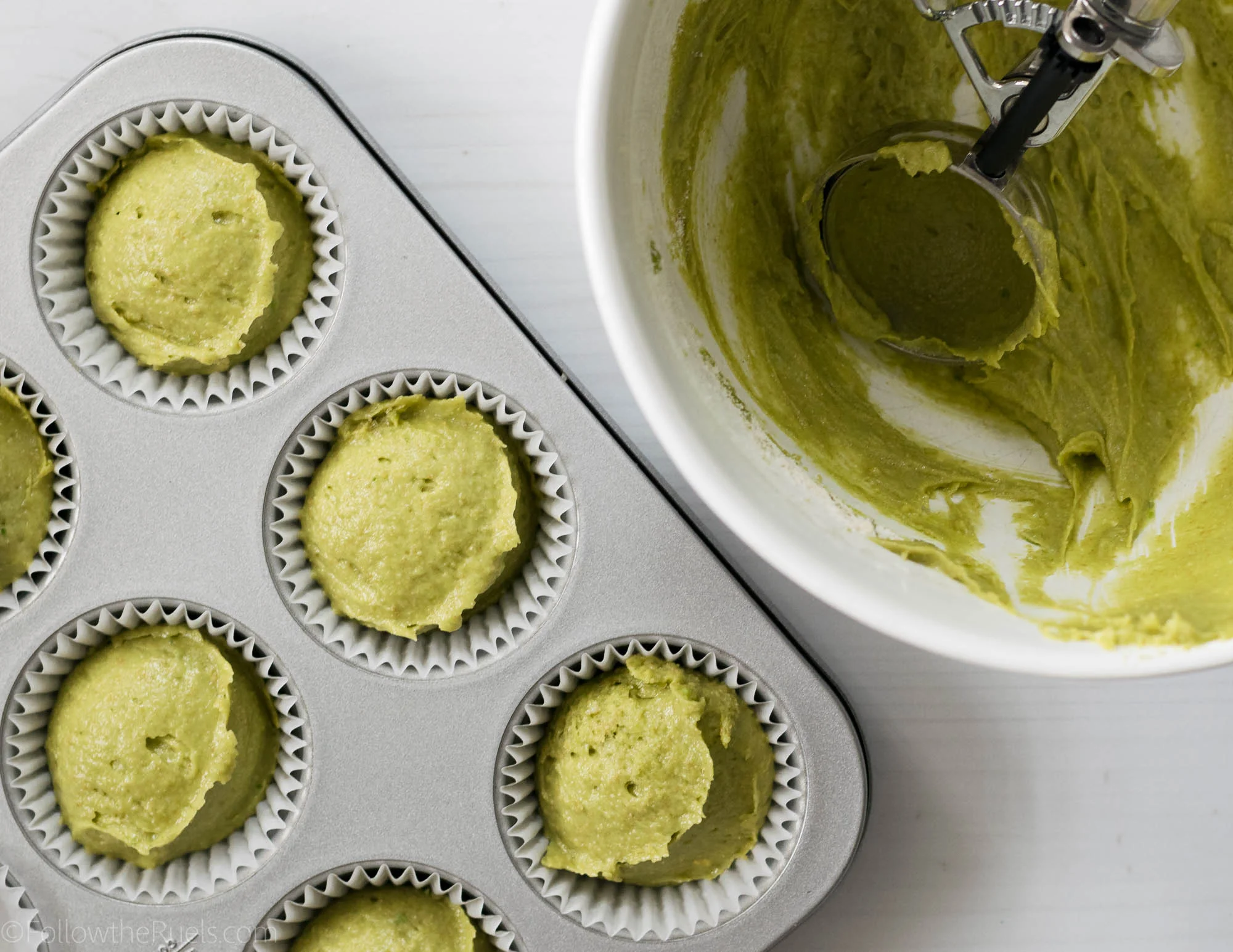

Baking is both a science and an art. From cakes to cookies, muffins to brownies, butter has long reigned as the golden standard for creating tender, rich, and flavorful baked goods. But what if you swapped it out for a creamy, green fruit—avocado? Suddenly, the familiar world of baking is shaken, and the results can surprise even the most seasoned home bakers. In this article, we’ll explore what happens when you bake with avocado instead of butter, from the chemical reactions to texture changes, flavor adaptations, and health benefits.
1. The Science Behind Butter in Baking
Before diving into avocado, it’s essential to understand butter’s role in baking. Butter is roughly 80% fat, 15% water, and 5% milk solids. Its fat content provides richness and tenderness, while the water in butter contributes to steam, helping baked goods rise. Butter also traps air when creamed with sugar, creating a light, fluffy texture in cakes and cookies.
Chemically, butter’s fat molecules coat flour proteins, limiting gluten formation. This produces tender textures, especially in delicate cakes or shortbreads. Additionally, butter melts during baking, helping structure baked goods and delivering that signature buttery flavor that lingers in every bite.
Replacing butter requires consideration of all these functions: fat content, moisture contribution, melting behavior, and flavor. This is where avocado comes into the picture.
2. Why Avocado?
Avocados are often called a “superfood” for good reason. They’re rich in monounsaturated fats, fiber, vitamins, and minerals. The creamy, smooth texture makes them a plausible substitute for butter in many recipes. Their fat content is slightly lower than butter—about 15% water and 15% fat depending on ripeness—but the quality of fat is different: mainly heart-healthy unsaturated fats instead of saturated fats.
Nutritionally, substituting avocado for butter significantly reduces saturated fat and cholesterol in baked goods while adding beneficial nutrients. But baking isn’t just about health—it’s about chemistry and sensory experience. So how does avocado perform in terms of structure, texture, and flavor when the oven heats up?
3. Texture Transformations
3.1 Moistness and Density
Avocado contributes moisture differently from butter. Because its water content is lower than butter’s and its fiber content is higher, baked goods tend to be denser and more moist. For example, brownies baked with avocado may feel fudgier rather than cake-like, while cookies might be softer with less crispness.
3.2 Air Incorporation
Butter allows for air to be whipped into sugar, creating light, fluffy batters. Avocado lacks the same plasticity and cannot trap air as efficiently. Consequently, cakes may rise less and feel more compact. Using avocado puree instead of butter often results in denser baked goods, although adding eggs or a small amount of baking soda can compensate for lost lift.
3.3 Crumb Structure
The fiber in avocado changes the crumb structure. Gluten develops more readily because avocado fat doesn’t coat proteins as efficiently as butter. This can lead to a slightly chewier texture in cookies or muffins. In cakes, it produces a rich, almost custard-like mouthfeel rather than a light sponge.
4. Flavor Considerations
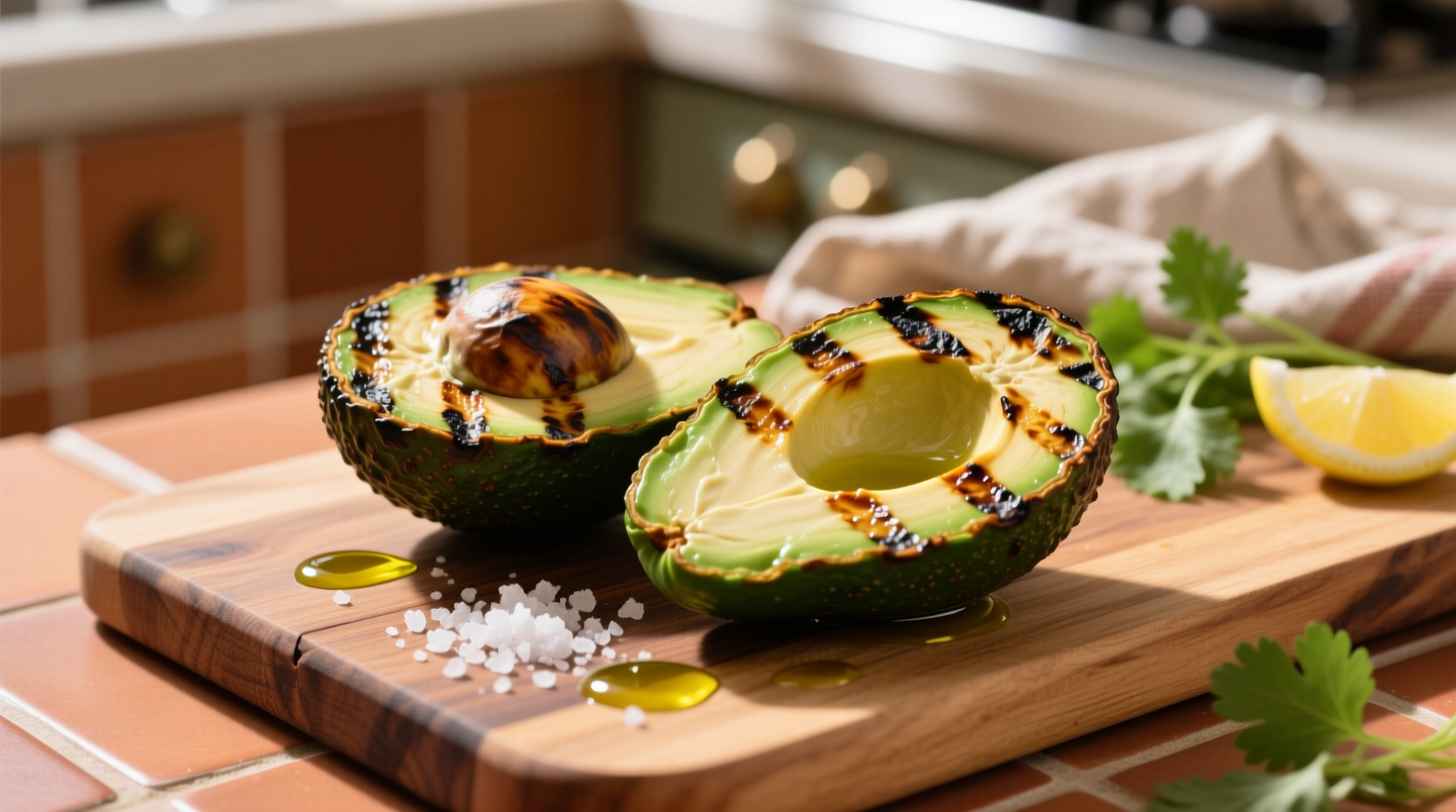
Avocado has a mild, buttery flavor, but it’s not identical to dairy butter. Its green, earthy undertones can subtly influence the taste of baked goods. In chocolate-based recipes, like brownies or chocolate cakes, avocado’s flavor is almost undetectable. In lighter-flavored cakes, like vanilla or lemon, its presence might be more noticeable.
Adding complementary flavors—vanilla extract, citrus zest, or spices like cinnamon—can help mask the avocado flavor while enhancing the overall profile. Interestingly, some bakers report that avocado can improve the “richness” of baked goods, giving a creamy mouthfeel without overwhelming the palate.
5. How Avocado Affects Browning and Crust
Butter contributes to Maillard reactions, the chemical browning that produces flavor and aroma in baked goods. Avocado has less sugar and protein content than butter, so browning can be less pronounced. Cookies may remain pale, and crusts may lack the golden glow typical of butter-based baking.
To counter this, adding a bit of sugar on top or brushing pastries with a thin layer of plant milk before baking can improve color. Oven temperature adjustments may also help. A slightly higher heat or longer bake time encourages caramelization, producing a visually appealing result.
6. Substitution Guidelines
Baking with avocado isn’t a one-to-one swap for butter in all recipes. Here’s a practical guide:
- Softened butter substitute: Use an equal amount of ripe, mashed avocado by volume. One cup of butter → one cup of mashed avocado.
- Flavor-sensitive recipes: Reduce avocado slightly or mix with a neutral oil (like avocado oil) to maintain texture without overpowering flavor.
- Crispy cookies: Combine avocado with a small portion of coconut oil to retain crisp edges.
- Cakes and muffins: Consider adding an extra egg or a teaspoon of baking powder to maintain lift.
7. Nutritional Impacts
Replacing butter with avocado offers significant health benefits:
- Lower saturated fat → better for heart health.
- Higher fiber → promotes digestion.
- Rich in vitamins E, C, K, B6 → antioxidant and metabolic benefits.
- No cholesterol → vegan-friendly option.
This swap transforms indulgent treats into slightly healthier options without losing much of the enjoyment factor.
8. Tips for Best Results
- Choose ripe avocados: Overripe or under-ripe avocados can affect texture and flavor. Perfectly soft but not mushy is ideal.
- Mash thoroughly: Smooth avocado puree ensures uniform texture in the batter.
- Combine with other fats if needed: Coconut oil or nut butter can enhance richness and help with browning.
- Adjust liquids: Avocado has less water than butter, so slightly increase milk or plant milk in recipes that require moist batter.
- Use cocoa or strong flavors: Strong flavors help mask subtle avocado notes when needed.
- Experiment with small batches: Avocado baking may require trial and error to match your favorite butter-based recipes.
9. Avocado in Different Baked Goods
9.1 Cookies
Avocado produces soft, chewy cookies rather than crisp ones. Adding a small portion of coconut oil can help with crisp edges. Chocolate chips or cocoa powder help enhance flavor and mask any green undertones.
9.2 Brownies
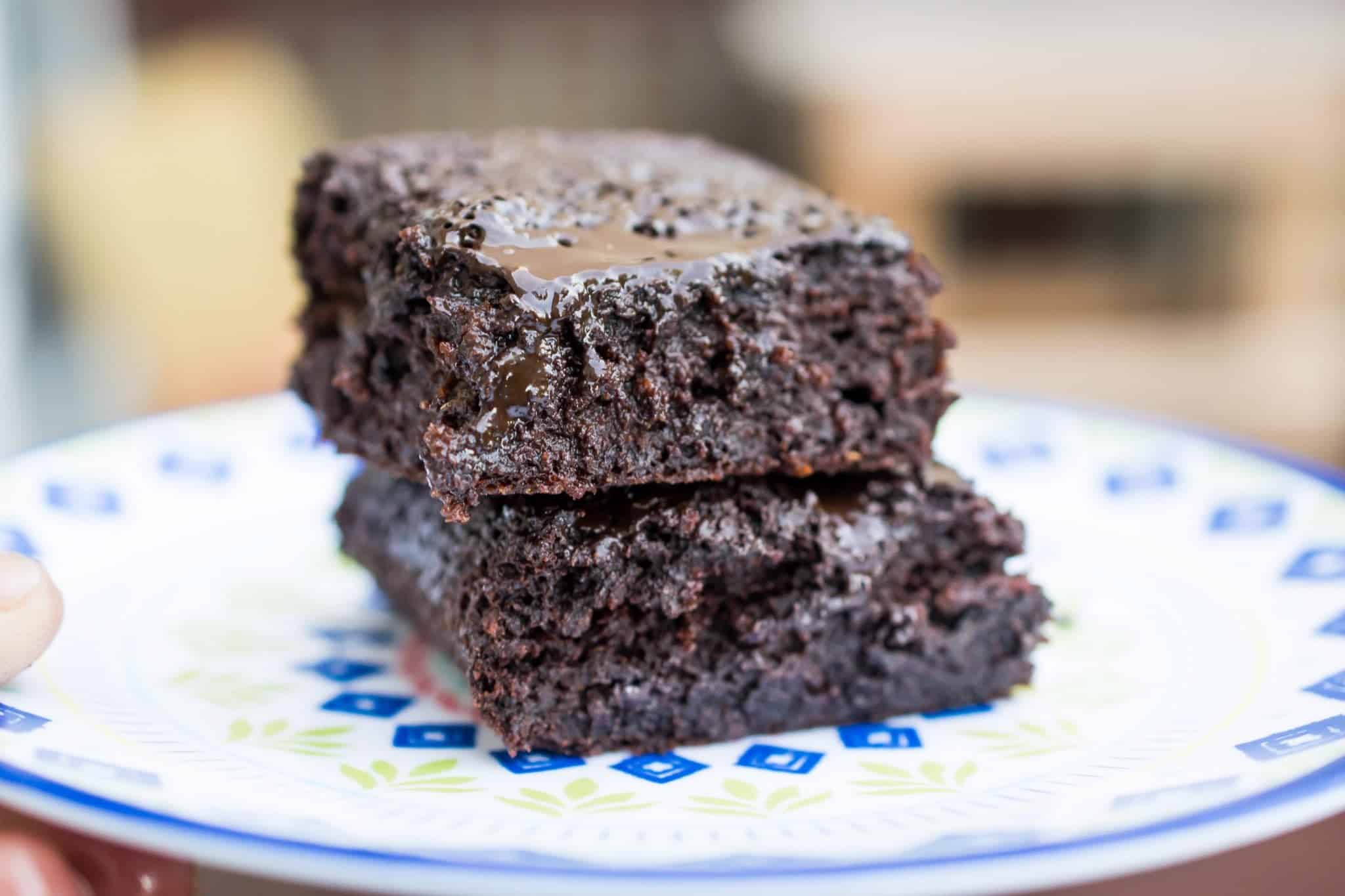
Brownies are ideal for avocado substitution. The dense, fudgy texture complements avocado’s moisture, and chocolate’s strong flavor hides the avocado completely. Expect rich, gooey results that are surprisingly indulgent.
9.3 Muffins and Quick Breads
Avocado adds moistness and improves shelf life. Banana, pumpkin, or zucchini muffins pair particularly well because their natural flavors harmonize with avocado.
9.4 Cakes
Light cakes like sponge or chiffon may become denser. Using a combination of avocado and oil, or adding an extra egg, can restore fluffiness. Chocolate or carrot cakes fare better because avocado complements their flavor and moisture needs.
9.5 Pie Crusts
Avocado works as a butter substitute in pie crusts but may produce a slightly softer crust. For flaky crusts, consider blending avocado with a bit of coconut oil or using a lower-moisture variety.
10. Common Mistakes and How to Avoid Them
- Using unripe avocado: Leads to bitter taste and uneven texture.
- Over-mixing: Fiber in avocado can toughen baked goods if overworked.
- Not adjusting liquids: Avocado has different water content, which can alter batter consistency.
- Expecting identical results: Butter and avocado behave differently—texture and flavor will vary.
11. Advanced Baking Considerations
For those experimenting in more technical baking:
- Emulsification: Avocado fats emulsify differently than butter. In recipes requiring delicate emulsions, like ganache or mousse, blending avocado with a small amount of neutral oil can improve stability.
- Freezing and storage: Avocado-baked goods may freeze well, but the texture can become slightly softer upon thawing.
- Flavor pairings: Avocado works best with chocolate, coffee, citrus, nuts, and spices. It is less ideal in very delicate, vanilla-only flavors unless masked carefully.
12. The Environmental Perspective
Avocado farming has environmental impacts, from water usage to transportation emissions. However, compared to dairy butter, plant-based fat alternatives, including avocado, can lower greenhouse gas emissions. Choosing locally sourced or responsibly farmed avocados can make this substitution more sustainable.
13. Final Thoughts
Baking with avocado instead of butter is a fascinating journey of chemistry, taste, and nutrition. It transforms baked goods into slightly healthier alternatives without sacrificing indulgence. Expect subtle differences in texture, flavor, and browning, but the results can be surprisingly delightful—fudgy brownies, moist muffins, and creamy cookies await those willing to experiment.
The key is balance: complement avocado with other ingredients, understand its limitations, and embrace the unique textures and flavors it brings. With practice, you might even find that some baked goods taste better than ever, with a creamy richness that butter alone cannot replicate.
So, the next time you reach for butter, consider the green alternative waiting in your fridge. Your taste buds—and perhaps your heart—will thank you.