






French fries are one of the most universally loved foods. Crisp on the outside, tender on the inside, and seasoned just right—they seem deceptively simple to make. Yet, achieving that perfect fry at home is a challenge many encounter. One minute, you have golden perfection, the next, a soggy, limp disappointment. So, how can you avoid soggy French fries? The answer lies not in luck, but in a combination of science, technique, and a few clever kitchen tricks.
Understanding Why Fries Become Soggy
Before diving into solutions, it’s crucial to understand why fries turn soggy in the first place. French fries are essentially a delicate balance of water, starch, and oil. When potatoes are cut, their cells are exposed, releasing water. During frying, that water must escape and be replaced by a crust of crispiness. If it doesn’t, the fry absorbs too much oil, loses its structure, and ends up soggy.
Key factors influencing sogginess:
- Moisture content: Potatoes are naturally high in water. Without proper drying or soaking, the excess moisture interferes with frying.
- Type of potato: Not all potatoes are created equal. Starchy varieties like Russets have less moisture and produce a fluffier interior with a crisp exterior. Waxy potatoes retain water and often result in limp fries.
- Oil temperature: Too low, and the fries soak up oil before forming a crust. Too high, and the exterior burns while the inside remains raw.
- Crowding: Overloading the fryer reduces the oil temperature drastically, leading to greasy, soggy fries.
By understanding these factors, you can tailor your approach to consistently crisp fries.
Selecting the Right Potato
The foundation of a perfect fry starts with potato selection. The type of potato determines texture, flavor, and moisture content. There are two main categories:
- Starchy potatoes (Russets, Idaho): Ideal for fries. They contain more starch and less water, which creates a fluffy interior and a crunchy exterior.
- Waxy potatoes (Yukon Gold, Red Bliss): Higher moisture and sugar content. Better for roasting or boiling, but prone to sogginess when fried.
Tip: Always choose large, firm potatoes with minimal blemishes. Smaller or soft potatoes tend to have inconsistent moisture, resulting in uneven cooking.
Cutting Techniques: Uniformity Matters
How you cut your fries affects their texture. Uneven fries cook unevenly; thin fries may burn while thick ones remain undercooked. A few guidelines:
- Matchstick fries: About 1/4 inch thick. Cook quickly but need careful monitoring to avoid overcooking.
- Thick-cut fries: 1/2 inch or more. More forgiving; interior stays fluffy, exterior gets golden.
- Shoestring fries: Less than 1/4 inch. Crisp quickly but dry out easily.
Use a sharp knife or a mandoline slicer for precision. Remember: consistency is key for even frying.
The Secret: Soaking and Drying

Here’s where many home cooks go wrong. The secret technique to avoid soggy fries involves soaking and drying. This step removes excess starch and moisture, preventing fries from sticking together and turning limp.
Soaking:
- Submerge cut potatoes in cold water for at least 30 minutes, or ideally 1-2 hours.
- This process removes surface starch, which would otherwise trap moisture and cause sogginess.
Drying:
- After soaking, drain and pat potatoes completely dry using a clean kitchen towel or paper towels.
- Any residual water causes oil to splatter and fries to steam instead of crisp.
Pro tip: For extra crispiness, spread the fries on a baking sheet and let them air-dry for 15-20 minutes before frying.
The Frying Process: Two-Step Magic
The key to restaurant-quality fries is a two-step frying process, also known as blanching and finishing.
Step 1: Blanching
- Heat oil to 325°F (160°C).
- Fry the potatoes in batches for 3-5 minutes until soft but not browned.
- Remove and drain on paper towels.
This initial fry cooks the interior without creating a hard crust. It also helps prevent the fries from absorbing too much oil during the second fry.
Step 2: Finishing
- Increase oil temperature to 375°F (190°C).
- Fry the blanched potatoes for 2-4 minutes until golden and crisp.
- Drain excess oil and season immediately.
The two-step method ensures a perfect contrast: a fluffy interior and a crunchy exterior.
Oil Selection and Maintenance
Not all oils are equal for frying. The ideal oil has a high smoke point and a neutral flavor:
- Peanut oil: Excellent for deep frying; high smoke point and subtle flavor.
- Canola oil: Affordable and neutral, works well for fries.
- Sunflower oil: Light flavor, good for frying.
Avoid butter or olive oil, as their low smoke points lead to burning.
Maintenance tips:
- Keep oil clean; old oil reduces crispiness.
- Fry in small batches to maintain temperature.
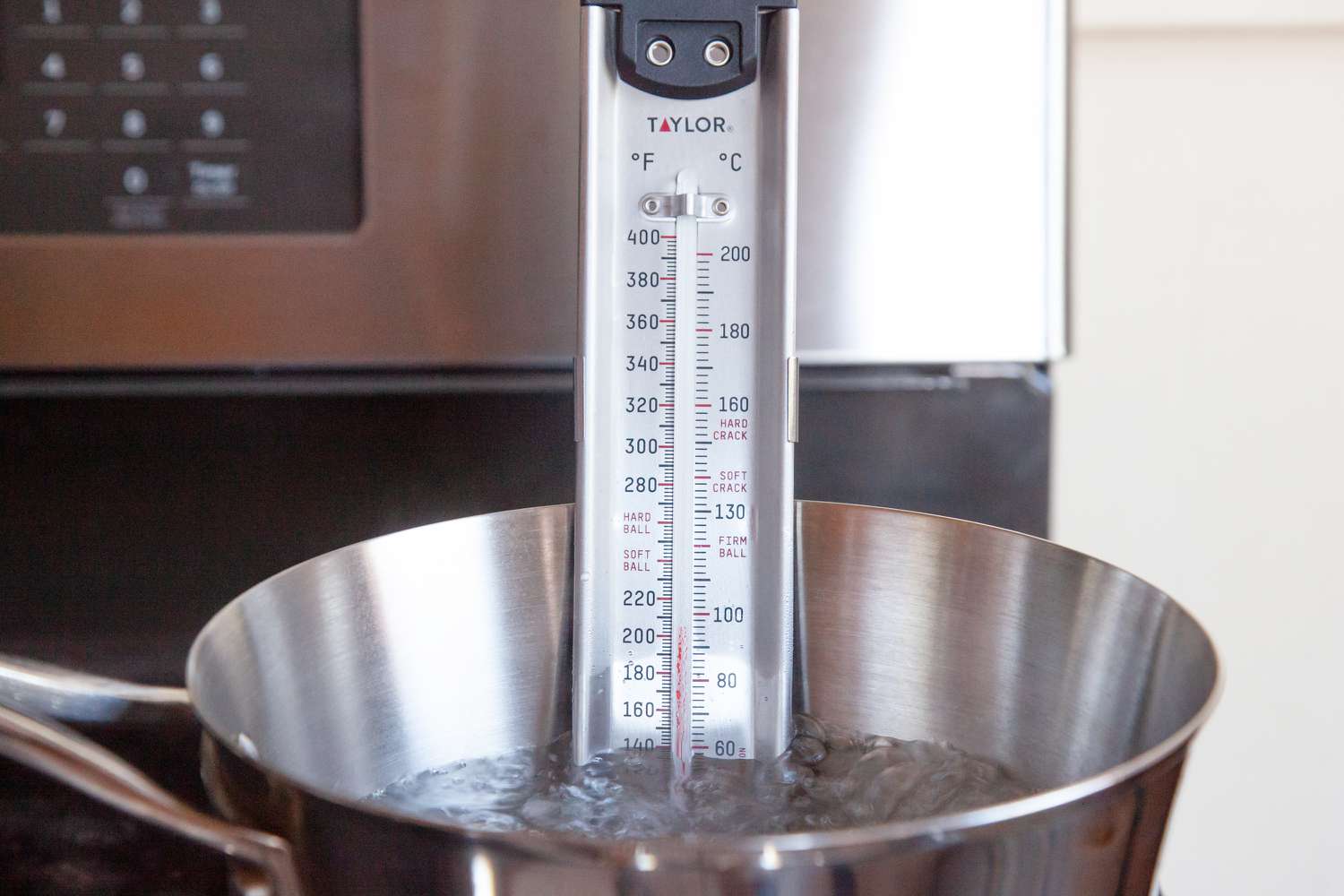
- Use a thermometer for accuracy—oil that’s too cold results in soggy fries.
Seasoning for Perfection
:max_bytes(150000):strip_icc()/can-you-cut-potatoes-ahead-of-time-getty-0623-4dd60f36b8c6437fbc045f11c08794cd.jpg)
Seasoning isn’t just about salt. For the ultimate fry experience:
- Salt immediately after frying: Oil draws in seasoning better when fries are hot.
- Experiment with flavors: Garlic powder, paprika, smoked salt, or Parmesan add dimension.
- Keep it simple: Avoid adding wet sauces too early; moisture ruins crispiness.
Advanced Techniques: Baking Soda and Cornstarch
For ambitious cooks seeking perfection, subtle chemical tricks can elevate fries:
- Baking soda bath: Lightly adding baking soda to the soaking water increases alkalinity, encouraging browning and crunch.
- Cornstarch coating: Tossing fries in a thin layer of cornstarch before frying adds an extra crunch without altering taste.
Both methods are widely used in professional kitchens to achieve that signature restaurant crisp.
Oven-Baked Fries: Alternative Crispiness
Not everyone wants to deep fry. Oven-baked fries can be nearly as crisp if done correctly:
- Preheat oven to 450°F (230°C).
- Soak, dry, and lightly coat fries in oil.
- Spread in a single layer on a parchment-lined sheet.
- Flip halfway through baking for even browning.
Oven fries are slightly different in texture but benefit from the same soaking and drying principles.
Common Mistakes and How to Avoid Them
Even experienced cooks can fall into traps. Avoid these:
- Skipping soaking: Leads to clumpy, starchy fries.
- Overcrowding the fryer: Drops oil temperature, making fries greasy.
- Inconsistent cutting: Causes uneven cooking.
- Underestimating drying time: Residual water equals steam, not crisp.
- Frying only once: Single fry can’t create the fluffy interior needed for perfect texture.
Learning from these mistakes ensures consistently superior fries.
Creative Variations
Once you master basic fries, creativity is endless:
- Double-fried sweet potato fries: Sweet and crispy, a delightful twist.
- Seasoned curly fries: Use the same technique with curly-cut potatoes and spice blends.
- Loaded fries: Top fries with cheese, herbs, or sauces after crisping.
Each variation benefits from the core secret: proper soaking, drying, and two-step frying.
Storage and Reheating
Leftover fries are tricky. Soggy fries often come from poor storage. Tips:
- Store in a single layer: Avoid stacking in airtight containers.
- Reheat in oven or air fryer: Avoid microwaves; they steam fries.
- Crisp quickly with high heat: Preheat oven to 400°F (200°C) for best results.
Conclusion: The Secret Technique Summarized
Avoiding soggy French fries isn’t about luck—it’s about precision and respect for the ingredients:
- Choose starchy potatoes.
- Cut fries uniformly.
- Soak to remove excess starch.
- Dry thoroughly.
- Use a two-step frying process.
- Maintain oil temperature and batch size.
- Season immediately.
By understanding the science behind fries and applying these techniques, soggy fries become a problem of the past. Crisp, golden perfection is achievable in any home kitchen.