





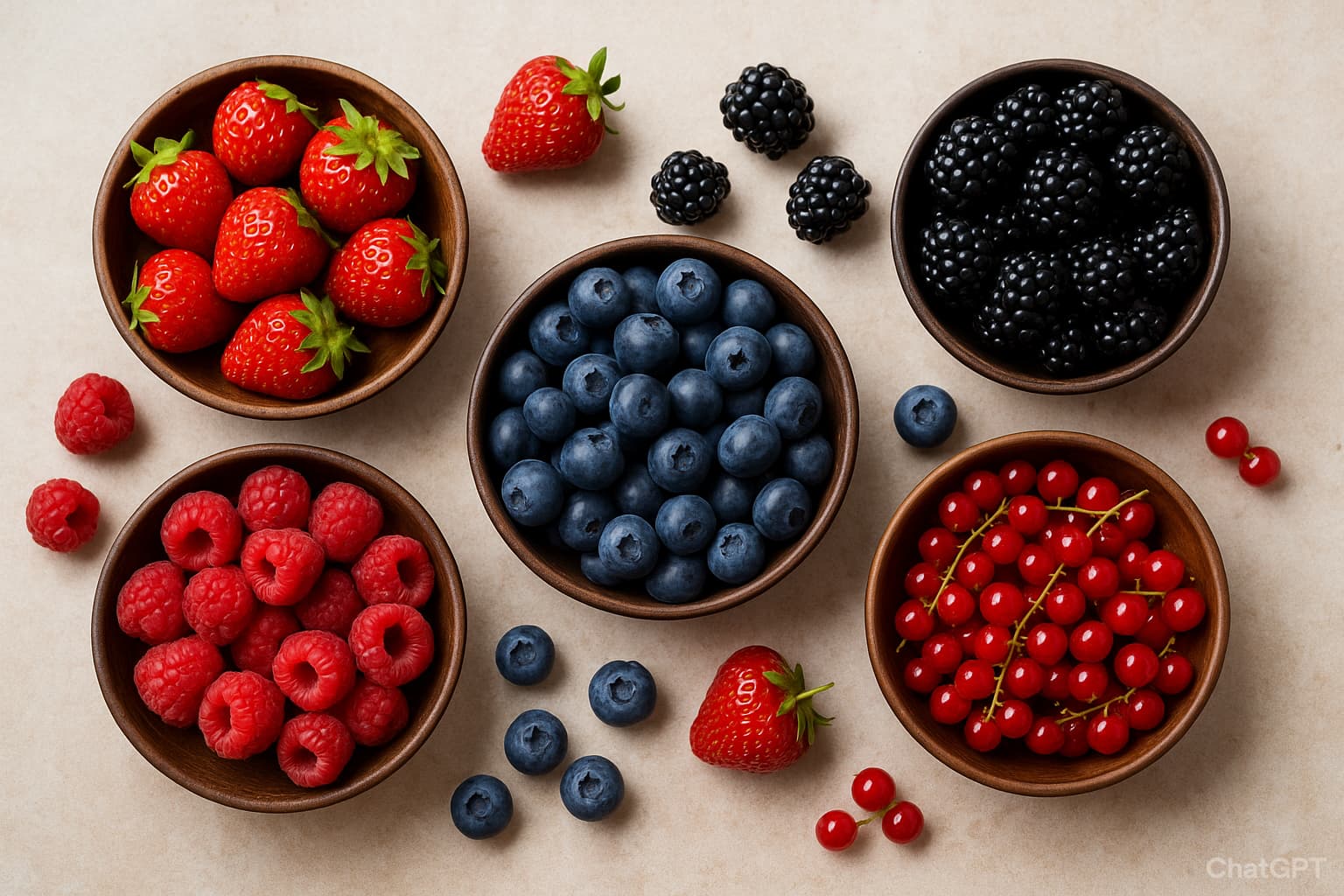

The term “superfood” has become a cultural phenomenon, popping up on grocery shelves, health blogs, and social media feeds. It evokes images of glistening berries, mysterious powders, and smoothies that promise vitality, glowing skin, and peak performance. But what actually makes a superfood super? Is it just clever marketing, or is there real science behind the buzz? To understand the phenomenon, we need to peel back the layers of biology, nutrition, history, and even psychology.
The Anatomy of a Superfood
At its core, a superfood is defined by its nutrient density. Nutrient density refers to the concentration of essential vitamins, minerals, antioxidants, and other beneficial compounds in a given amount of food. Unlike empty-calorie foods, which provide energy but little nutritional value, superfoods pack a punch in relatively small portions.
Take blueberries, for example. These tiny fruits are rich in anthocyanins, flavonoids responsible for their deep blue hue and potent antioxidant properties. Antioxidants act like microscopic firefighters, neutralizing harmful free radicals in the body and reducing oxidative stress. Oxidative stress is a culprit behind aging, chronic inflammation, and a host of degenerative diseases, so foods that counteract it naturally become nutritional heroes.
But nutrient density alone doesn’t automatically make something a superfood. Context matters. For instance, kale is brimming with vitamins A, C, K, and folate. Yet, if someone eats it alongside an imbalanced diet high in processed foods, the benefits may not fully manifest. The magic of superfoods lies not just in what they contain but in how they interact with the body as part of an overall dietary ecosystem.
Beyond Vitamins: Phytochemicals and Bioactive Compounds
Superfoods are often distinguished by their bioactive compounds, also known as phytochemicals. These are naturally occurring substances in plants that offer protective benefits beyond basic nutrition. Polyphenols, carotenoids, and flavonoids fall into this category. They may enhance heart health, support cognitive function, modulate inflammation, and even contribute to longevity.
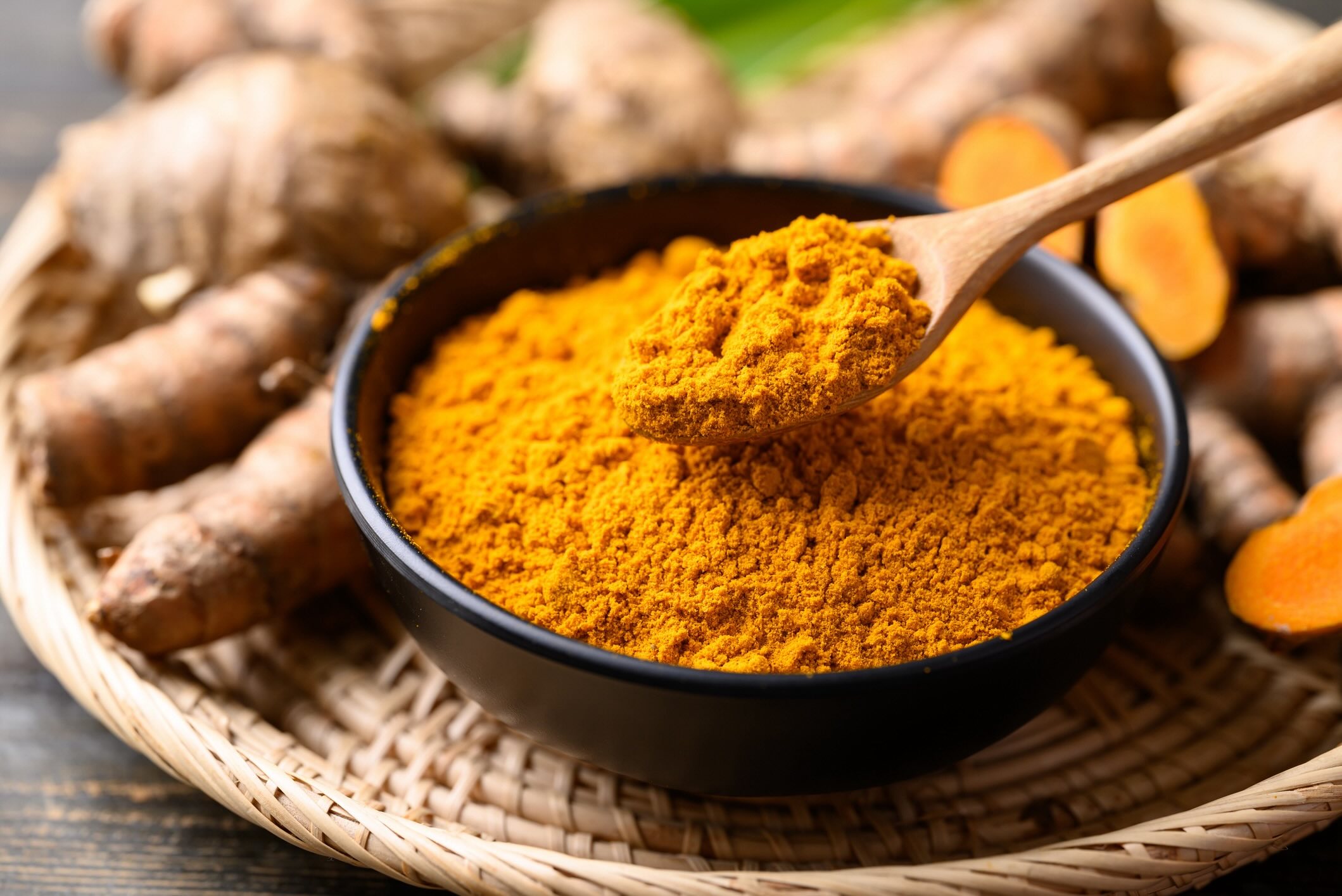
Consider turmeric, a bright yellow root celebrated in Ayurvedic medicine for centuries. Its active compound, curcumin, exhibits anti-inflammatory, antioxidant, and potentially anticancer properties. Curcumin influences multiple signaling pathways in cells, reducing markers of inflammation and oxidative damage. The body may absorb curcumin more efficiently when paired with piperine from black pepper, demonstrating how the synergy between compounds can amplify a superfood’s effectiveness.
Similarly, green tea contains catechins, a type of flavonoid that has been linked to improved cardiovascular health and metabolism. These compounds not only protect cells from damage but also may influence gene expression related to longevity and fat oxidation. In other words, superfoods are often super because their molecules interact with our biology in sophisticated ways, far beyond the simple provision of vitamins and minerals.
Micronutrients with Maximum Impact

Vitamins and minerals are the classic building blocks of a superfood. Iron, calcium, magnesium, zinc, and potassium are essential for life, but superfoods often deliver these in forms that are highly bioavailable. Bioavailability refers to the proportion of a nutrient that the body can absorb and utilize effectively.
Almonds, for instance, are rich in magnesium, which supports muscle function, nerve signaling, and energy production. What makes almonds even more remarkable is that their fat content actually enhances the absorption of fat-soluble vitamins like vitamin E. Spinach, on the other hand, is loaded with iron and folate, critical for blood health and cellular energy. Pairing spinach with vitamin C-rich foods like bell peppers can dramatically boost iron absorption. This interplay between nutrients makes some foods disproportionately beneficial, earning them the “super” label.
Gut Health: The Hidden Superpower
Recent research has spotlighted the gut microbiome as a key factor in health, and many superfoods exert their benefits by supporting a balanced gut ecosystem. Prebiotic fibers feed beneficial bacteria, while probiotics introduce live, beneficial microorganisms into the digestive tract. A flourishing gut microbiome has been linked to better digestion, immune resilience, and even mental health through the gut-brain axis.
Foods like yogurt, kimchi, kefir, and sauerkraut are famous for their probiotic content. Meanwhile, garlic, onions, leeks, and bananas act as prebiotics, nurturing the microbes already present. Some berries and legumes contain both soluble fiber and polyphenols, which serve as food for gut bacteria while simultaneously providing antioxidant benefits. By enhancing the gut microbiome, superfoods can indirectly influence everything from metabolism to mood, showing that their effects extend far beyond their direct nutrient content.
The Role of Fatty Acids
Omega-3 fatty acids are a key component of several renowned superfoods, including fatty fish like salmon, chia seeds, and flaxseeds. Omega-3s are anti-inflammatory and support cardiovascular health, brain function, and hormone balance. They are essential fatty acids, meaning the body cannot synthesize them and must obtain them through diet.
What makes omega-3-rich superfoods especially noteworthy is their systemic impact. These fatty acids are incorporated into cell membranes, influencing fluidity, receptor function, and signal transmission. In the brain, omega-3s help maintain neuronal function and may reduce the risk of cognitive decline. In the heart, they help regulate heart rhythm, blood pressure, and lipid profiles. This multi-system influence highlights why certain foods gain superfood status: their benefits ripple through multiple aspects of human physiology.
Superfoods and Chronic Disease Prevention
Many superfoods earn their reputation by contributing to the prevention or management of chronic diseases. Diets rich in fruits, vegetables, nuts, and seeds have been linked to lower risks of heart disease, type 2 diabetes, obesity, and some cancers. The Mediterranean diet, which emphasizes olive oil, leafy greens, tomatoes, legumes, and fish, provides a practical example of a superfood-centered eating pattern that supports long-term health.
Berries like strawberries, raspberries, and blackberries are particularly interesting because their compounds can improve insulin sensitivity, reduce LDL cholesterol, and modulate inflammatory pathways. Cruciferous vegetables such as broccoli, cauliflower, and Brussels sprouts contain sulforaphane, a compound that may help detoxify harmful substances and reduce cancer risk. Even beverages like coffee and green tea, when consumed in moderation, provide polyphenols and other bioactives linked to reduced disease risk.
The Psychological Effect: Perception Matters
Interestingly, part of what makes a superfood “super” is psychological. People often eat them with a heightened sense of purpose and mindfulness, which can amplify benefits. This phenomenon is related to the placebo effect and behavioral psychology: when you believe that a food is extraordinarily healthy, you may engage in complementary healthy behaviors like exercising, hydrating, and prioritizing sleep.
Furthermore, incorporating superfoods into meals can make diets more colorful, diverse, and flavorful, which supports dietary adherence. The more enjoyable and visually appealing a diet is, the more likely individuals are to maintain it long-term. In this way, superfoods are not only biologically potent—they also encourage healthier lifestyles.
Cultural and Historical Perspectives
Superfoods are not a modern invention; they often have roots in traditional diets and folk medicine. Quinoa, chia, turmeric, goji berries, and acai have been staples in indigenous diets for centuries. These foods were consumed for both nutrition and medicinal purposes, offering clues that human societies intuitively recognized the link between certain foods and vitality.
The modern superfood trend, however, often involves globalization and marketing. Ancient grains like quinoa were once local staples in the Andes, but today they appear in smoothie bowls and breakfast cereals worldwide. While commercial popularity doesn’t diminish nutritional value, it highlights how perception, accessibility, and branding play roles in defining a food as “super.”
Superfoods and Environmental Considerations
Another dimension of superfoods involves sustainability. Many plant-based superfoods are environmentally friendly, requiring fewer resources than animal-based products. Legumes, leafy greens, berries, and seeds generally have lower carbon footprints and water usage compared to meat or dairy. Choosing superfoods that align with ecological sustainability adds an extra layer of “superness,” linking personal health with planetary well-being.
However, popularity can create environmental pressures. For example, the global demand for avocado and quinoa has led to concerns about deforestation, water depletion, and labor issues. True superfood literacy includes understanding these impacts and making informed, sustainable choices.
How to Incorporate Superfoods Effectively
The power of superfoods is maximized not through obsessive consumption but through diversity and balance. Here are practical strategies:
- Color Variety: Aim for a rainbow on your plate. Different pigments often indicate distinct phytonutrients.
- Whole Foods First: Focus on minimally processed forms—whole berries, leafy greens, seeds, and nuts—rather than powders or supplements.
- Pair for Absorption: Combine nutrients to enhance bioavailability, such as vitamin C with iron, or fat with fat-soluble vitamins.
- Moderation Matters: Even the most potent superfood is not a cure-all. Balance ensures that benefits are part of an overall healthy diet.
- Seasonal Choices: Eating seasonally often ensures peak nutrient content and freshness.
The Future of Superfoods
Scientific research continues to reveal the complexity of plant compounds and their interactions with the human body. Personalized nutrition, gut microbiome profiling, and nutrigenomics may soon allow individuals to select superfoods tailored to their genetic and metabolic needs. Imagine a world where your diet is fine-tuned to enhance cognition, immune function, and longevity based on your unique biology—superfoods at their ultimate potential.
Moreover, innovations in agriculture and food technology may lead to new superfoods with enhanced nutrient profiles, greater bioavailability, and sustainable production methods. From algae and seaweed to lab-grown functional foods, the frontier of superfoods is rapidly expanding, merging traditional wisdom with cutting-edge science.
Conclusion
So, what makes a superfood super? It is a combination of nutrient density, bioactive compounds, antioxidant and anti-inflammatory effects, impact on chronic disease prevention, and even psychological and cultural significance. Superfoods do not work in isolation; they thrive within balanced diets, diverse ecosystems of nutrients, and mindful lifestyles.
Ultimately, the “super” in superfood is both scientific and symbolic. It represents a convergence of biology, history, sustainability, and conscious living. Eating superfoods is not just about adding a trendy item to your plate—it is about engaging with food as a dynamic tool for health, vitality, and environmental stewardship. When chosen wisely and enjoyed mindfully, superfoods transform ordinary meals into powerful allies for lifelong wellness.
In short, superfoods are super because they pack extraordinary benefits into ordinary forms, bridging the gap between nutrition, culture, and personal empowerment. And as research progresses, their potential continues to unfold, promising a future where food truly becomes medicine and delight simultaneously.