






Cooking is more than just a necessity; it’s a subtle science and an art form that transforms raw ingredients into meals that delight the senses. Yet, while we focus on taste, texture, and aroma, the nutrient content of food often changes quietly in the background. Understanding how different cooking methods impact the nutrients in vegetables, fruits, meats, and grains can help you make smarter choices in the kitchen—choices that maximize flavor without sacrificing health.
1. The Science of Nutrients in Food
Nutrients are compounds in food that support life, growth, and overall health. Broadly, they are classified into macronutrients—proteins, fats, carbohydrates—and micronutrients—vitamins and minerals. Cooking can affect all these nutrient types differently.
- Proteins: Found in meats, legumes, eggs, and dairy, proteins are chains of amino acids. Heat can denature proteins, changing their structure, but moderate cooking usually makes them easier to digest.
- Fats: Oils, nuts, seeds, and fatty fish provide essential fatty acids. Cooking may oxidize fats at high temperatures, leading to subtle nutrient loss and potentially harmful compounds.
- Carbohydrates: Found in grains, vegetables, and fruits, carbs can break down into simpler sugars under heat. While this makes them more digestible, it can also increase the glycemic index.
- Vitamins: Water-soluble vitamins like C and B are heat-sensitive and can leach into cooking water, while fat-soluble vitamins like A, D, E, and K are more stable but can degrade with prolonged high heat.
- Minerals: Minerals are relatively stable but may dissolve into cooking liquids or be lost with peeling and trimming.
Each cooking method interacts differently with these nutrients, often trading one type of benefit for another.
2. Boiling: Water-Based Transformation
Boiling is one of the most common cooking methods, especially for vegetables, pasta, and legumes. Its primary mechanism is heat transfer through water, which softens food and kills bacteria.
Nutrient Impact:
- Water-Soluble Vitamins: Vitamins B and C are highly sensitive to heat and water. Boiling can cause up to 50–70% loss in some vegetables like broccoli and spinach if the water is discarded.
- Minerals: Minerals like potassium and magnesium can leach into the water. Consuming the cooking water in soups or stews can recover some of these nutrients.
- Proteins & Carbs: Proteins denature but generally remain intact nutritionally. Starch in pasta and potatoes gelatinizes, increasing digestibility.
Tips for Maximizing Nutrients in Boiling:
- Use minimal water.
- Cook for the shortest possible time.
- Retain or repurpose the cooking liquid.
3. Steaming: Gentle Nutrient Preservation
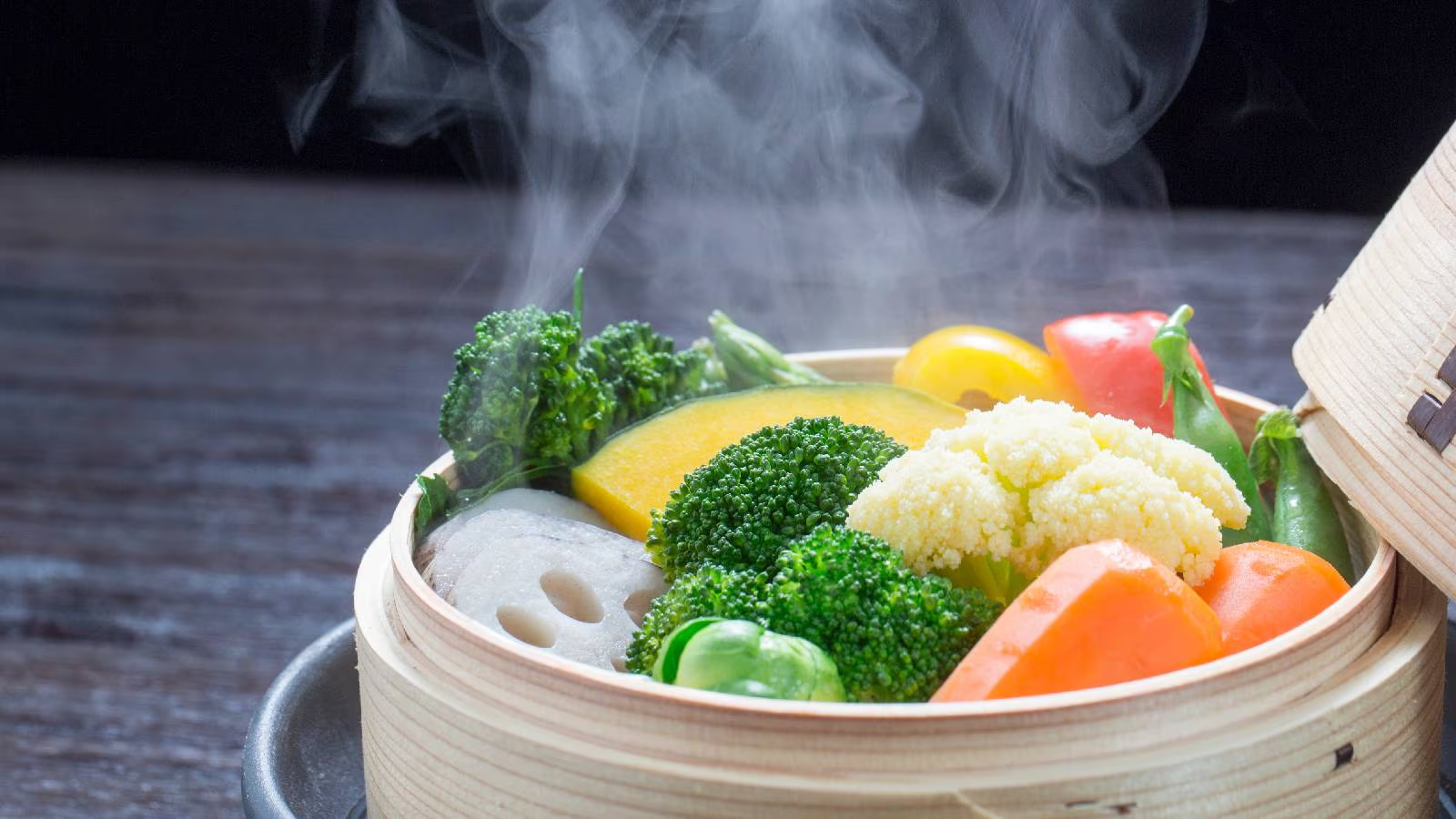
Steaming uses vaporized water to cook food, often in a basket above boiling water. This method is gentler than boiling and preserves texture, color, and nutrients better.
Nutrient Impact:
- Vitamins: Retains a higher percentage of water-soluble vitamins compared to boiling because the food doesn’t contact water directly.
- Phytonutrients: Compounds like glucosinolates in broccoli are better preserved during steaming.
- Minerals: Virtually no loss occurs since there’s no water immersion.
Steaming is ideal for delicate vegetables, fish, and even dumplings. It’s a go-to method for those seeking maximum nutrient retention without sacrificing flavor.

4. Stir-Frying: Quick Heat, Flavor Boost
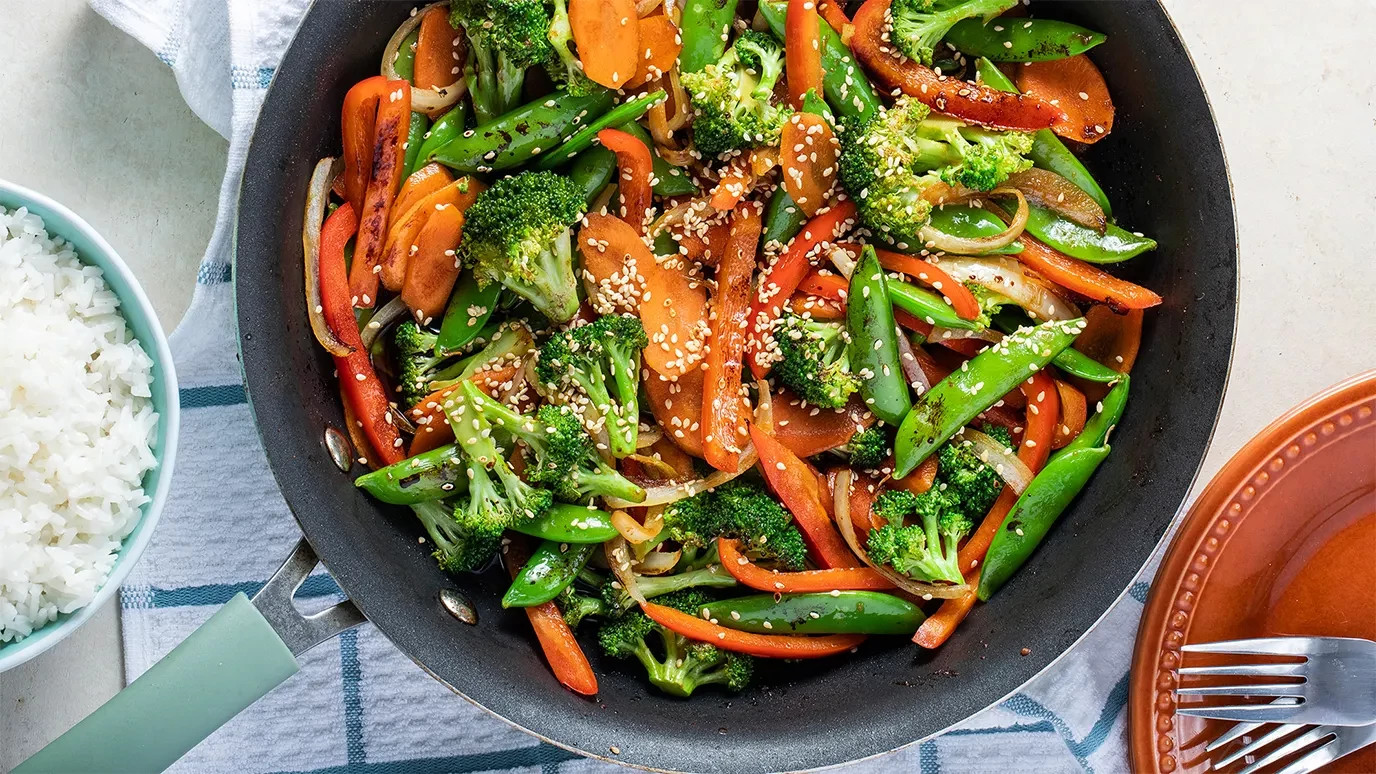
Stir-frying involves cooking small pieces of food rapidly in a small amount of oil at high heat. Common in Asian cuisine, it’s both fast and flavorful.
Nutrient Impact:
- Vitamins: Short exposure to heat helps retain water-soluble vitamins.
- Antioxidants: Carotenoids in carrots and bell peppers are more bioavailable after light stir-frying due to heat breaking down cell walls.
- Fats: Using oils like olive or sesame can increase absorption of fat-soluble vitamins.
Tips for Stir-Frying:
- Keep cooking time under 5–7 minutes for vegetables.
- Cut ingredients uniformly to ensure even cooking.
- Avoid overloading the pan, which lowers the temperature and reduces nutrient preservation.
5. Grilling: High Heat, Charred Flavor
Grilling exposes food to direct radiant heat, often creating the beloved char marks and smoky flavors. However, high temperatures can affect nutrients differently than gentler methods.
Nutrient Impact:
- Proteins: Meat proteins denature quickly, but grilling enhances flavor and digestibility.
- Vitamins: Some B vitamins may degrade due to high heat.
- Minerals: Minerals are mostly unaffected, though juices containing minerals can drip away.
- Harmful Compounds: Over-grilling or charring meat can produce heterocyclic amines (HCAs) and polycyclic aromatic hydrocarbons (PAHs).
To balance flavor and nutrients: marinate meats, avoid direct flame exposure for long periods, and pair grilled items with vegetables rich in antioxidants.
6. Baking & Roasting: Dry Heat Magic
Baking and roasting involve cooking food in an oven using dry heat. While often slower than stir-frying or steaming, this method can deepen flavors and textures.
Nutrient Impact:
- Vitamins: Water-soluble vitamins like C degrade more in prolonged high-heat baking, but fat-soluble vitamins like A and E are preserved.
- Minerals: Remain largely intact.
- Proteins & Carbs: Proteins in baked meat denature gradually, and starches in bread and potatoes gelatinize, improving digestibility.
- Phytonutrients: Baking may increase antioxidant activity in certain vegetables, such as tomatoes.
Tips for Baking & Roasting:
- Maintain moderate oven temperatures.
- Use parchment or foil to prevent excessive moisture loss.
- Combine vegetables with healthy fats to boost nutrient absorption.
7. Microwaving: Speed vs. Nutrient Preservation
Microwave cooking often gets a bad reputation, but it’s one of the fastest and often most nutrient-conserving methods due to minimal water and short cooking times.
Nutrient Impact:
- Vitamins & Minerals: Retention is generally higher than boiling and comparable to steaming.
- Phytonutrients: Antioxidants in vegetables may remain stable or even increase due to rapid heat application.
- Proteins & Carbs: Little structural change occurs, making microwave cooking effective for reheating without nutrient loss.
Microwave Tips:
- Use microwave-safe containers.
- Cover food to prevent moisture loss.
- Avoid overcooking; check texture frequently.
8. Frying: Crispy but Risky
Deep-frying immerses food in hot oil, creating a crunchy exterior and rich flavor. Pan-frying uses less oil but still achieves similar effects.
Nutrient Impact:
- Proteins: Denature quickly, but digestibility can improve.
- Vitamins: Water-soluble vitamins may degrade, but fat-soluble vitamins are absorbed better due to the oil.
- Fats: Oxidation can occur at high temperatures, producing trans fats and free radicals if oil is reused.
- Carcinogens: Reheating oil or overheating can form harmful compounds.
To make frying less nutrient-destructive:
- Use stable oils with high smoke points like avocado or peanut oil.
- Maintain proper temperature (around 175–185°C).
- Limit cooking time and avoid repeated use of oil.
9. Pressure Cooking: Nutrient-Smart Shortcuts
Pressure cooking uses steam under high pressure to cook food faster. The sealed environment preserves moisture and reduces cooking time dramatically.
Nutrient Impact:
- Vitamins: Better retention than boiling because cooking times are shorter.
- Minerals: Mostly preserved, staying in the cooking liquid.
- Proteins & Carbs: Denaturation and gelatinization happen efficiently, making legumes and grains digestible.
Pressure cooking is ideal for beans, stews, and tougher cuts of meat, offering a nutrient-friendly, time-saving option.
10. Combination Methods: Modern Culinary Innovation
Modern cooking often combines methods—such as searing followed by steaming or braising. These hybrid methods allow chefs to balance flavor, texture, and nutrient retention.
- Searing + Baking: Locks in flavor while minimizing nutrient loss in meat.
- Blanching + Stir-Frying: Preserves color and vitamins in vegetables while boosting digestibility.
- Sous-Vide + Searing: Maintains precise temperature control, minimizing heat-induced nutrient loss, and adds flavor through a brief finishing sear.
Combination methods highlight how knowledge of nutrient behavior can guide creative and healthy cooking.
11. General Guidelines for Nutrient-Preserving Cooking
- Shorter is Better: Cook for the minimal time required for safety and digestibility.
- Lower Temperatures: Avoid excessive high heat when possible to reduce vitamin loss and oxidation.
- Minimize Water Contact: Retain water-soluble nutrients by steaming, microwaving, or using minimal water.
- Use Healthy Fats: Incorporate oils to boost absorption of fat-soluble vitamins.
- Eat a Variety of Cooking Styles: Balance raw, steamed, roasted, and stir-fried foods to maximize nutrient intake.
- Preserve Cooking Liquids: Soups, stews, and sauces recover vitamins and minerals lost in water.
12. The Bottom Line
Cooking transforms food in more ways than just taste and texture—it shapes the nutritional profile of every meal. Some methods, like steaming and microwaving, preserve vitamins and minerals efficiently, while others, like frying and prolonged boiling, can reduce nutrient content. Understanding the chemistry behind cooking allows you to make informed decisions, balancing flavor, texture, and health. With careful technique, you can enjoy delicious meals that are also nutrient-rich, proving that culinary enjoyment and nutrition don’t have to be at odds—they can be perfectly aligned on the same plate.
Cooking is both a science and a joyful experiment. Every method carries its quirks, benefits, and trade-offs. By experimenting thoughtfully, we can unlock the maximum potential of every ingredient, making every meal a celebration of taste and health.