







Food is more than just fuel for our bodies. Across cultures and centuries, it has served as a marker of identity, power, and social standing. From lavish banquets in medieval Europe to the curated brunch plates of modern urbanites, what we eat, how we eat, and even how we display food signals far more than mere taste preferences. This connection between food and social status is deeply intertwined with history, economics, psychology, and culture, offering a fascinating lens through which to understand human societies.
Historical Roots of Food as Status
Throughout history, societies have used food as a clear indicator of social hierarchy. In ancient civilizations like Egypt, Mesopotamia, and China, the elite had access to rare ingredients that were otherwise unavailable to the general population. Spices like saffron and cinnamon, imported from distant lands, were so costly that they became symbols of wealth and sophistication. Similarly, in medieval Europe, extravagant feasts featuring exotic meats and sugar-laden desserts were staged by monarchs and nobles to display their opulence.
Food scarcity and access played a central role in social stratification. Commoners often relied on grains, legumes, and locally available vegetables, while the elite indulged in imported goods and animal proteins. These differences were not just about sustenance—they were performative, signaling power, connections, and even moral superiority. A well-fed, well-presented ruler embodied both physical and symbolic strength.
Modern Consumption and Social Signals
Fast forward to the 21st century, and the link between food and social status remains strong, albeit in more subtle and diverse forms. While the average person may have access to a wider variety of foods than ever before, the act of selecting, preparing, and presenting certain foods still communicates identity and class.
Luxury foods like caviar, truffles, or rare wines carry inherent social signals, but so do artisanal products like handcrafted cheeses, organic produce, and single-origin coffee. The rise of social media has amplified these signals, transforming food into a form of social currency. Instagram-worthy meals, curated grocery hauls, and meticulously styled dinner parties are modern-day equivalents of the medieval banquet, showcasing taste, resources, and lifestyle choices.
Interestingly, the signaling effect extends beyond luxury items. The choice of eating plant-based, locally sourced, or ethically produced foods can indicate cultural capital, environmental consciousness, or moral alignment, all of which can enhance social standing in certain circles. Food choices, therefore, operate both as markers of economic wealth and as indicators of values and education.
Cultural Dimensions of Food Status
Different cultures attach varying meanings to specific foods. In some societies, red meat is a traditional symbol of wealth and strength, while in others, rare seafood or delicacies like bird’s nest soup hold the highest prestige. Cultural narratives, religious practices, and local availability all shape these perceptions.
In Japan, for example, the aesthetic of food—presentation, seasonality, and ritualized consumption—can signal refinement and sophistication, even when the ingredients themselves are simple. In contrast, in countries with histories of food scarcity, consuming large quantities of meat or imported goods may still carry traditional connotations of prosperity and success.
Moreover, cultural norms around sharing and hospitality further reinforce social hierarchies. In many Middle Eastern and South Asian societies, offering abundant food to guests demonstrates generosity, status, and honor. The quality, quantity, and variety of dishes can function as a silent social audit of the host’s position and capabilities.
Psychological Mechanisms Behind Food Status
Why does food have such a profound impact on perceived status? Psychologists point to several mechanisms. First, scarcity and exclusivity enhance value. Humans are naturally attuned to cues of rarity, whether it’s a limited-edition wine or an exotic fruit, associating them with privilege and power.

Second, food can operate as a social differentiator through signaling theory. People use consumption patterns to communicate identity and membership in particular social groups. Just as fashion brands and cars serve as status markers, food consumption communicates taste, discernment, and cultural alignment.
Third, there’s a symbolic aspect. Certain foods are imbued with historical, cultural, or ethical meanings, transforming ordinary consumption into a moral or social statement. Choosing a certain wine, coffee, or dietary lifestyle communicates more than taste preference—it signals knowledge, awareness, and belonging.
Finally, food engages multiple senses simultaneously. Its visual appeal, aroma, texture, and flavor can create experiences that reinforce social bonds or hierarchies. A carefully crafted meal not only nourishes but also cultivates admiration, envy, and aspiration, strengthening the link between food and social perception.
Economic Factors and Food Stratification
The economics of food also plays a critical role in signaling social status. Globally, income and wealth disparities influence access to high-quality or exotic ingredients. Even in societies with widespread availability of luxury goods, higher-quality products often remain out of reach for most people.
Price, scarcity, and branding all reinforce status distinctions. A bottle of rare wine, a hand-cut steak, or a chef-prepared meal at a five-star restaurant serves not only nutritional purposes but also as a marker of disposable income and taste sophistication. In essence, economic capital translates into gastronomic capital, which then circulates as social recognition.
Food markets themselves reflect this stratification. Gourmet stores, farmers’ markets, and specialty cafés cater to affluent consumers, while mass-market chains offer standardized, affordable products. Even within the same city, the accessibility of certain foods can map directly onto neighborhoods’ social and economic demographics, reinforcing social hierarchies spatially and symbolically.
Urbanization, Globalization, and Shifting Food Status
Globalization and urbanization have introduced new layers of complexity to food and status. Exotic ingredients, once confined to elite tables, are increasingly accessible due to international trade, online delivery, and mass production. Yet this democratization does not eliminate status signaling—it merely shifts it.
Now, status is often indicated through knowledge, authenticity, and experience rather than mere access. For instance, knowing how to brew specialty coffee, sourcing rare ingredients responsibly, or creating fusion dishes that reflect global culinary literacy can serve as modern markers of distinction. Similarly, dining experiences—such as exclusive pop-up restaurants, chef’s tables, or food tourism—have emerged as powerful forms of social capital.
Social media accelerates this effect. Platforms like Instagram, TikTok, and Pinterest allow users to broadcast their culinary sophistication, ethical choices, and aesthetic sensibilities to a wide audience. In this digital context, the symbolic meaning of food is amplified, blurring the line between personal identity, social status, and performative consumption.
Food, Health, and Status Signaling
Health-conscious food choices have become an increasingly prominent marker of social status, particularly in affluent societies. Organic, plant-based, low-carb, and functional foods are often associated with higher socioeconomic classes, reflecting both access and cultural capital.
Interestingly, this signaling works in multiple directions. Eating healthy may demonstrate self-discipline, awareness, and ethical concern, enhancing social prestige. Conversely, indulgent or fast foods, while socially enjoyable, can carry negative connotations when consumed excessively or in the wrong context. This duality reflects a complex interplay of morality, economics, and aesthetics, where food choices communicate both identity and virtue.
In some cases, the health-status connection extends to environmental consciousness. Locally sourced, sustainable, and minimally processed foods signal commitment to ecological values, further linking consumption patterns to social and moral hierarchies. The result is a layered social landscape where economic, cultural, ethical, and aesthetic factors converge on the plate.
Food Rituals and Social Stratification
Beyond individual meals, food rituals play a crucial role in signaling status. Ceremonial events—weddings, religious feasts, cultural festivals—often revolve around the display of abundance, skill, and attention to detail. The ability to host, serve, and curate such events is a powerful marker of social position.
Even everyday rituals, such as afternoon tea, brunch gatherings, or wine tasting, can communicate refinement and social awareness. In many contexts, participation in these rituals requires both economic means and cultural literacy, reinforcing social boundaries. The ritualized consumption of food thus becomes both a celebration and a performance of social standing.
Global Comparisons and Variations
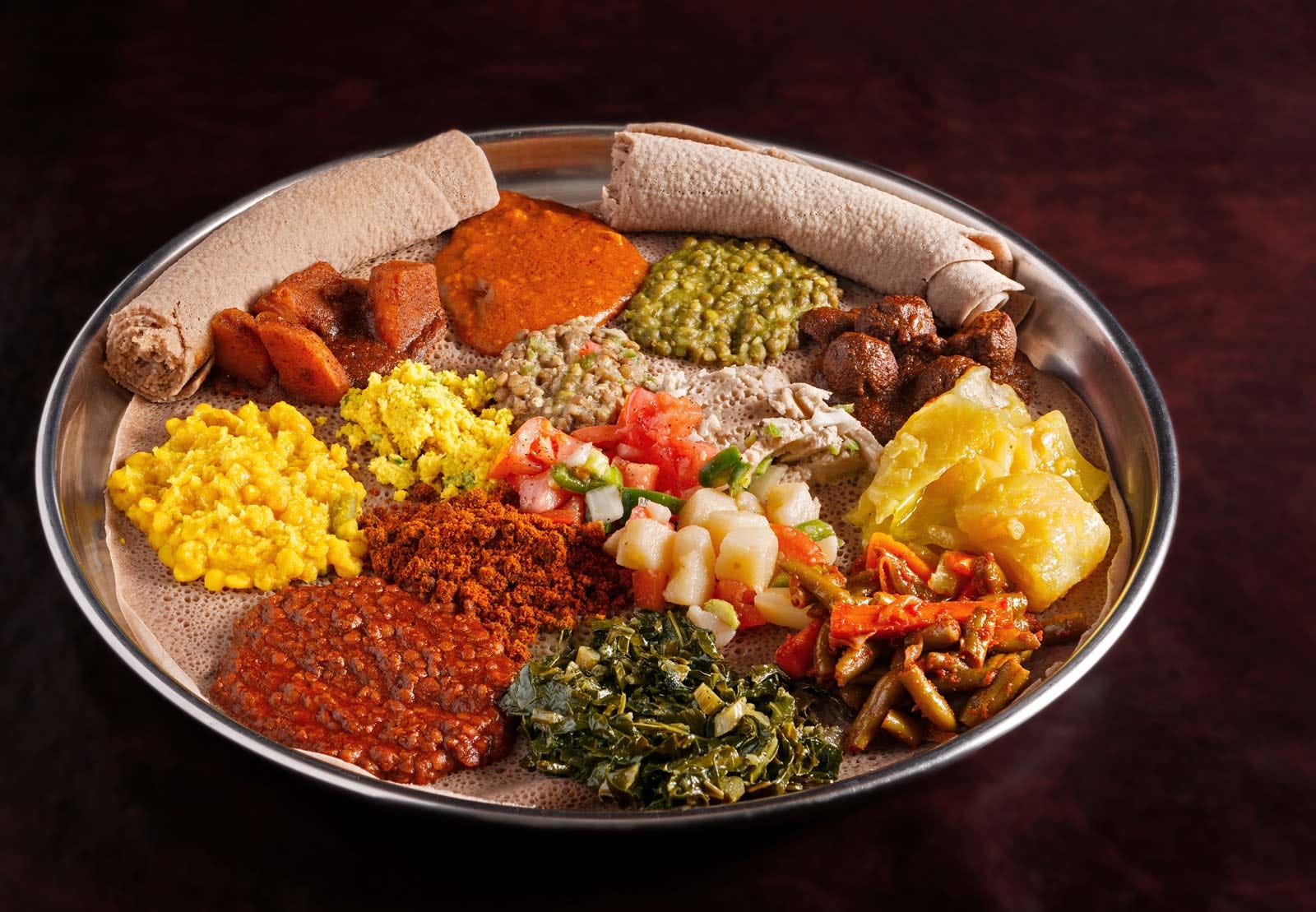
While the link between food and status is nearly universal, its expression varies across regions. In Europe, fine dining and wine culture often signal sophistication. In East Asia, attention to presentation, seasonal ingredients, and culinary technique conveys refinement. In Latin America, communal meals and traditional recipes may carry prestige linked to heritage and skill.
In developing regions, access to certain foods remains a more direct reflection of economic privilege, making status signaling less about aesthetics and more about availability. In contrast, in affluent societies, subtlety, ethical alignment, and knowledge often replace overt displays of wealth. This global variation highlights the dynamic interplay of history, economics, and culture in shaping how food communicates social status.
Challenges and Critiques
Despite its pervasiveness, the association between food and social status is not without controversy. Critics argue that status-driven food consumption can reinforce inequality, encourage wasteful habits, and create social pressures around eating. The emphasis on luxury, aesthetics, or ethical perfection may alienate those unable to access these forms of cultural capital.
Additionally, the performative nature of food status can sometimes overshadow the intrinsic value of nourishment and communal enjoyment. As food becomes a tool for signaling, it risks commodifying relationships and experiences, turning shared meals into competitions of taste, ethics, or wealth.
Yet, these critiques also point to the resilience and adaptability of the food-status link. Even as societal norms shift, the symbolic power of food persists, reflecting and shaping broader social structures.
The Future of Food and Social Status
Looking ahead, the link between food and social status is likely to evolve further in response to technology, sustainability concerns, and changing cultural values. Innovations in lab-grown meats, plant-based alternatives, and precision agriculture may democratize access to certain “luxury” foods, challenging traditional hierarchies.
At the same time, social media and global connectivity will continue to amplify symbolic meanings, with status increasingly defined by knowledge, creativity, and ethical awareness rather than mere consumption. Culinary literacy, environmental responsibility, and aesthetic sensibilities may become the new markers of social distinction, reflecting a shift from material wealth to cultural and moral capital.
Moreover, as global challenges like climate change, food security, and health crises reshape food systems, the intersection of food and status may expand to include sustainability and resilience as key indicators of social prestige. In this way, what we eat will remain a window into who we are, how we relate to others, and the values we uphold.
Conclusion
Food is far more than sustenance. It is a mirror of social hierarchies, a canvas for cultural expression, and a tool for signaling identity, taste, and values. From the exotic spices of the past to the ethically sourced ingredients of today, the foods we consume reveal much about our position in society and our relationships with others.
Understanding the link between food and social status provides insight not only into human behavior but also into the evolving dynamics of culture, economics, and identity. Whether through scarcity, ritual, aesthetics, or ethics, food remains a powerful medium through which societies communicate, differentiate, and aspire. As the world changes, this link will continue to transform, but its central role in human social life is unlikely to diminish.
Food, in essence, is never just food. It is power, prestige, and identity plated elegantly—and sometimes provocatively—on a dish.