






Fermentation is one of humanity’s oldest and most fascinating culinary arts. It is an alchemy of biology, chemistry, and patience, transforming raw ingredients into complex flavors, textures, and nutritional powerhouses. From tangy sauerkraut to effervescent kombucha, fermentation not only elevates taste but also nourishes the gut, strengthens immunity, and celebrates culture. Yet, mastering fermentation is both an art and a science. It requires understanding microbes, controlling environments, and experimenting boldly while respecting the delicate balance of nature. This guide will take you on a deep dive into fermentation’s world, combining professional insights with practical tips to elevate your skills and palate.
Understanding Fermentation: A Living Process
At its core, fermentation is a metabolic process in which microorganisms such as bacteria, yeasts, or molds convert sugars into other compounds—commonly acids, gases, or alcohol. The result is a dramatic transformation: flavors develop, textures change, and the nutritional profile of the food often improves.
There are several major types of fermentation:
- Lactic Acid Fermentation
Lactic acid bacteria (LAB) consume sugars and produce lactic acid. This type is responsible for foods like yogurt, kimchi, sauerkraut, pickles, and sourdough. The lactic acid not only provides tangy flavor but also acts as a preservative. - Alcoholic Fermentation
Yeasts, particularly Saccharomyces cerevisiae, convert sugars into ethanol and carbon dioxide. Alcoholic fermentation creates beer, wine, sake, and other spirits. Beyond alcohol, this process generates complex aromatic compounds that define the character of each beverage. - Acetic Acid Fermentation
Acetobacter bacteria transform ethanol into acetic acid, producing vinegar. This process can occur after alcoholic fermentation or in isolation, creating sharp, tangy flavors that enhance cooking and preservation. - Mixed Fermentation
Some foods involve multiple microbes acting together or in sequence. Traditional sourdough, kombucha, and certain cheeses rely on a delicate balance of yeasts and bacteria, creating depth and complexity in flavor.
Why Fermentation Matters
Fermentation offers far more than taste. Modern science has confirmed several benefits:
- Enhanced Digestibility: Fermentation pre-digests some nutrients, breaking down proteins and carbohydrates into more absorbable forms.
- Gut Health: Many fermented foods are rich in probiotics—live bacteria that support gut microbiota, aiding digestion and immunity.
- Preservation: Before refrigeration, fermentation was a natural method to prolong shelf life while adding flavor.
- Flavor Complexity: Fermentation produces acids, alcohols, esters, and other compounds that transform simple ingredients into gourmet experiences.
- Cultural Legacy: Across continents, fermentation shapes cuisine, from Korean kimchi to French cheeses, Japanese miso, and Ethiopian injera. Understanding fermentation is also understanding human history.
The Science Behind Flavor Development
Fermentation is a biochemical symphony. Each microorganism contributes specific enzymes and metabolites that define the taste, aroma, and texture of the final product. Here’s how:
- Sugars → Organic Acids: LAB convert glucose and other sugars into lactic acid, creating a tangy taste and lowering pH to inhibit harmful microbes.
- Proteins → Amino Acids → Umami: Proteolytic enzymes break proteins into amino acids, producing savory, umami-rich flavors in foods like soy sauce and miso.
- Carbohydrates → Alcohols and CO₂: Yeasts metabolize sugars to create alcohol and carbon dioxide, producing both effervescence and depth of flavor.
- Secondary Metabolites: Microbes generate esters, phenols, and other compounds responsible for fruity, floral, or smoky notes.
Understanding this chemistry allows fermenters to tweak ingredients, temperature, salt content, and fermentation time to achieve precise flavor profiles.
Key Principles of Successful Fermentation
Mastering fermentation requires adherence to some essential principles:
- Cleanliness, Not Sterility
Fermentation thrives on beneficial microbes. While hygiene is crucial to prevent unwanted bacteria or mold, over-sterilizing can eliminate the very organisms that drive fermentation. - Temperature Control
Microbes are sensitive to temperature. Lactic acid bacteria often prefer 65–75°F (18–24°C), while wine yeasts perform best around 70–80°F (21–27°C). Cold slows fermentation, hot accelerates it but can produce off-flavors. - Salt and Sugar Balance
Salt in vegetable fermentation encourages beneficial bacteria while inhibiting spoilage. Sugar provides fuel for yeasts and bacteria, but excessive amounts can skew microbial activity. - pH Awareness
Many ferments benefit from a drop in pH. A lower pH (more acidic) protects against harmful microbes and signals that fermentation is proceeding correctly. Using pH strips can provide insight for beginners. - Time and Patience
Fermentation is not instant. Some ferments mature in hours, others in months. Flavor and safety often depend on allowing microbes sufficient time to work.
Exploring Popular Fermented Foods
Vegetables: Sauerkraut, Kimchi, and Pickles
- Sauerkraut: Shredded cabbage and salt, left to ferment, produces a tangy, crunchy classic. Traditional methods rely purely on natural LAB from the cabbage leaves.
- Kimchi: Korean kimchi combines napa cabbage, radish, garlic, chili, and fish sauce. Fermentation produces a spicy, sour, umami-rich condiment.
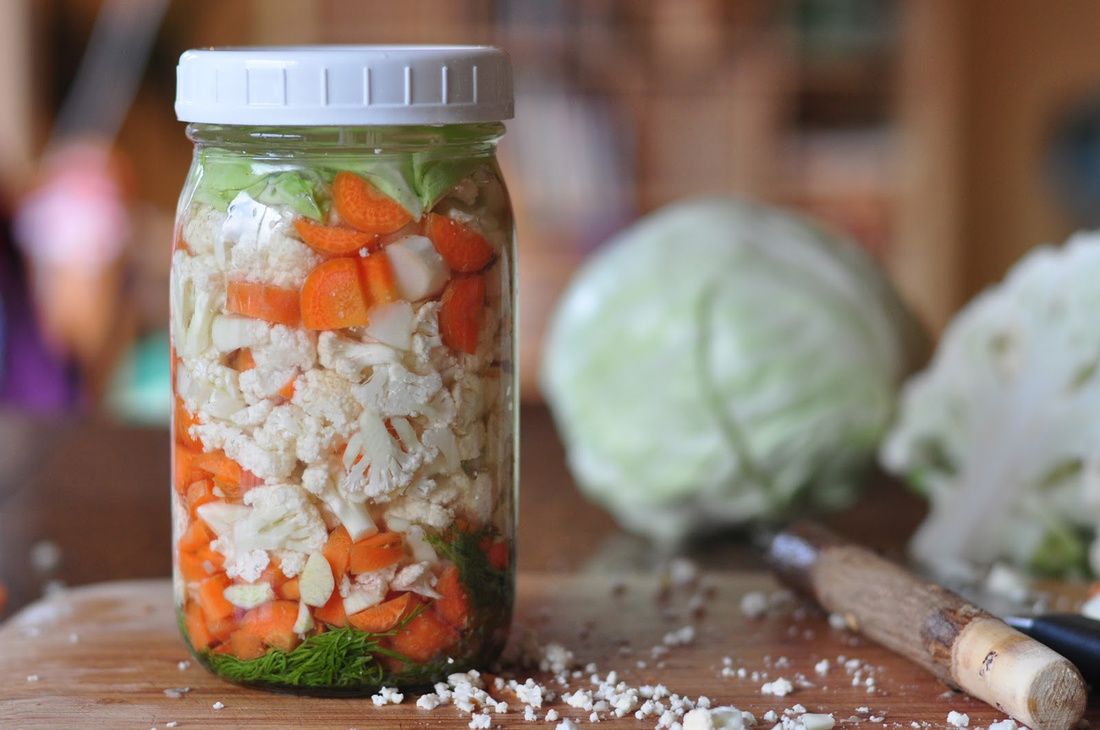
- Pickles: Cucumbers, carrots, or green beans in a brine of salt and water transform into tangy, crisp delights. Adjusting salt content and fermentation time tunes the flavor.
Dairy: Yogurt, Kefir, and Cheese
- Yogurt: Cultured with Lactobacillus species, yogurt requires milk, warmth, and patience. It develops creamy texture, tanginess, and probiotics.
- Kefir: A fermented milk drink using kefir grains (a mix of bacteria and yeast), producing a slightly fizzy, tangy beverage.
- Cheese: From soft brie to hard cheddar, cheese fermentation involves curdling milk with bacteria and enzymes, aging, and sometimes mold cultures.
Beverages: Kombucha, Beer, and Wine
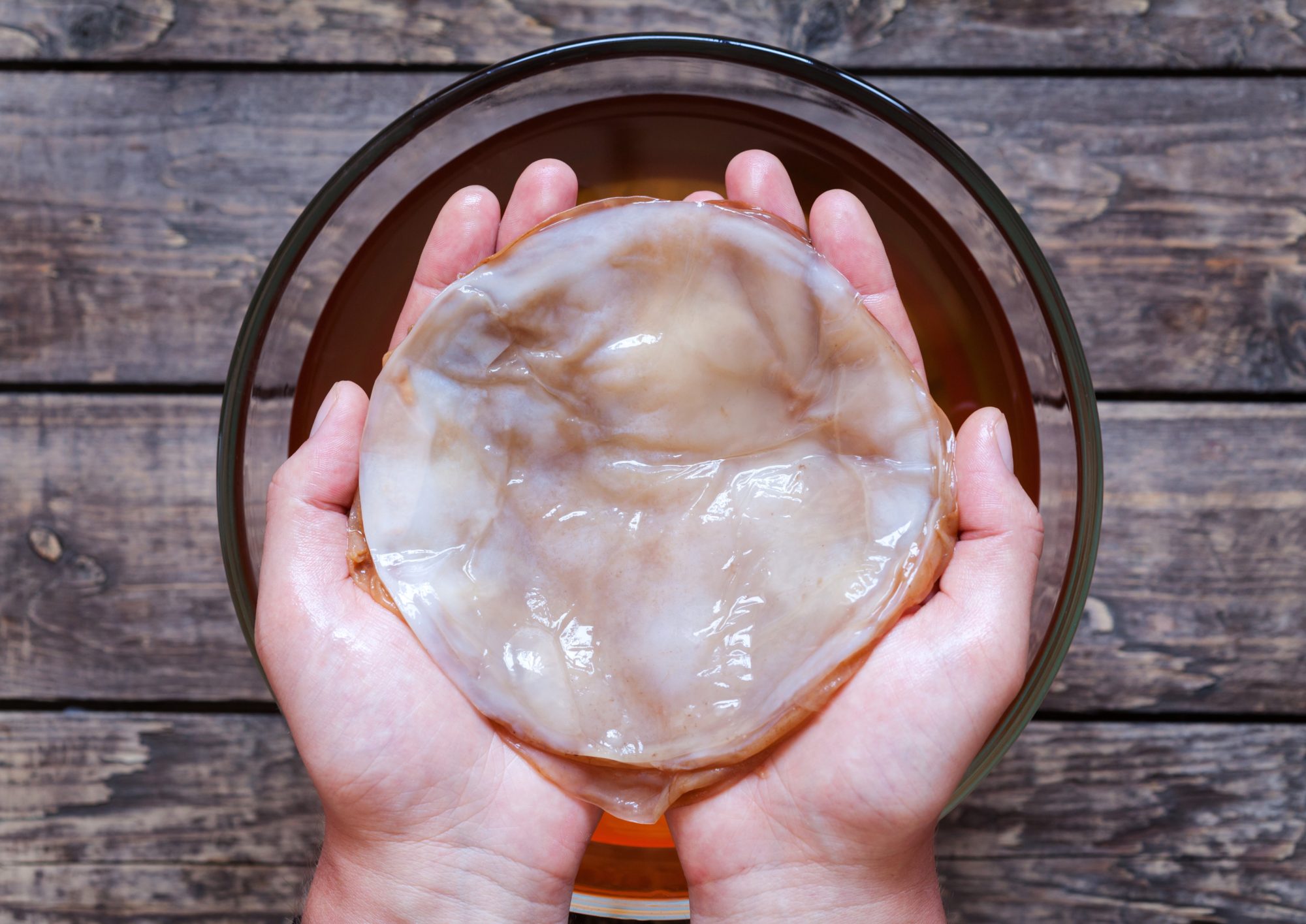
- Kombucha: Sweet tea fermented by a symbiotic culture of bacteria and yeast (SCOBY) produces a tangy, lightly effervescent drink.
- Beer: Malted grains provide sugars for yeast, creating alcohol and CO₂. Hops add bitterness and aroma.
- Wine: Grapes or other fruits ferment into alcohol and complex aromatic profiles. Temperature, yeast strain, and aging define the style.
Fermented Staples: Miso, Tempeh, and Sourdough
- Miso: Soybeans fermented with koji mold produce a salty, umami-rich paste. Fermentation times range from a few weeks to several years.
- Tempeh: Soybeans inoculated with Rhizopus mold form a firm, nutty cake, packed with protein and digestible nutrients.
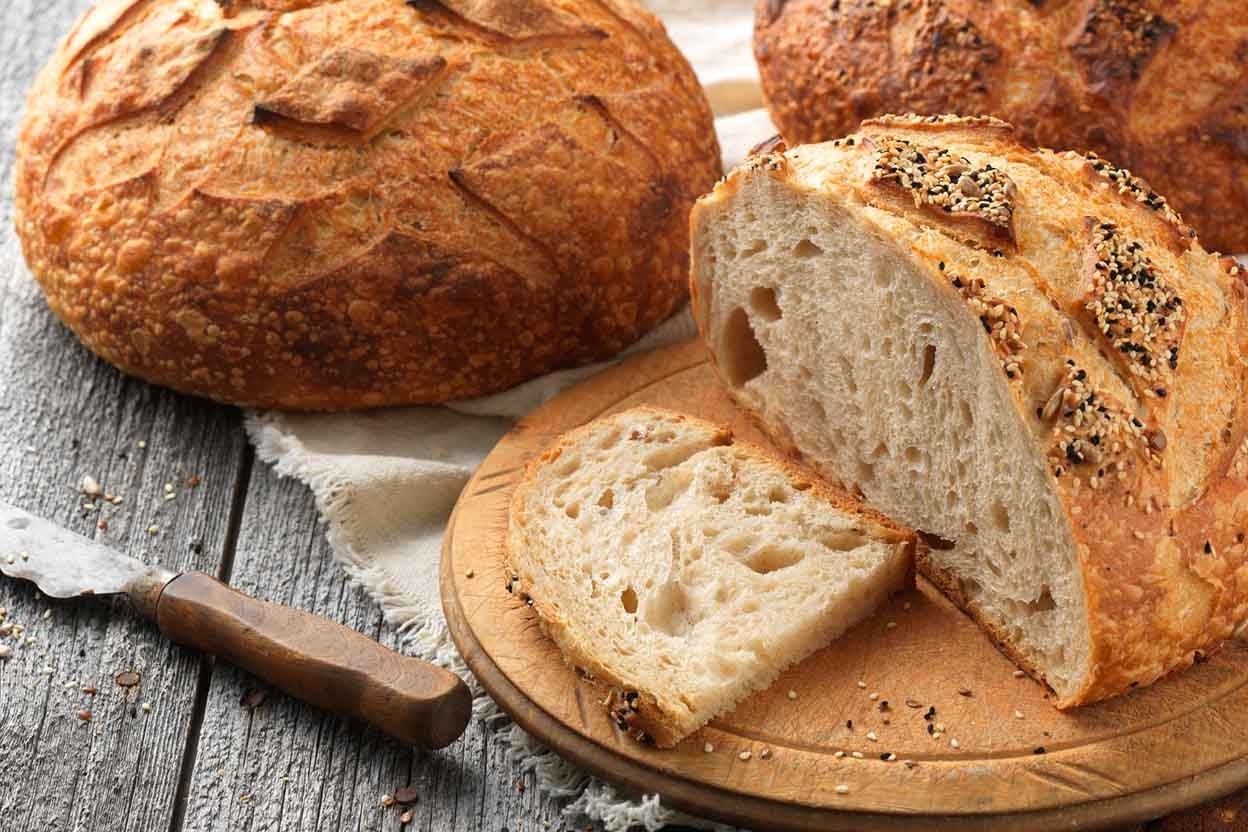
- Sourdough: Wild yeasts and LAB ferment flour and water, producing bread with depth of flavor, better keeping quality, and improved digestibility.
Tools and Techniques for Home Fermentation
Home fermentation doesn’t require elaborate equipment. Some essentials include:
- Glass Jars: Non-reactive containers ideal for vegetables, kefir, and kombucha.
- Weights and Lids: Keeps vegetables submerged in brine to prevent mold.
- Fermentation Crocks: Traditional ceramic vessels for long-term vegetable fermenting.
- Airlocks: Useful for beers and wines, allowing gas to escape while preventing oxygen entry.
- pH Strips or Meters: Optional, but helpful for precise monitoring.
Techniques vary by food, but common practices include layering salt, packing tightly, keeping ferment anaerobic, and tasting periodically to judge readiness.
Troubleshooting Common Issues
Even experienced fermenters encounter challenges:
- Mold on Vegetables: Usually gray, black, or fuzzy mold indicates spoilage. Remove surface mold carefully or discard the batch if extensive.
- Off Smells in Dairy: Sourness is normal, but rotten or ammonia-like odors suggest contamination.
- Flat Kombucha: May result from weak SCOBY, low sugar, or insufficient fermentation time.
- Overly Salty or Sour Ferments: Adjust brine ratio or reduce fermentation time in future batches.
Keeping detailed notes of ingredients, temperature, and time helps refine your process.
Pushing the Boundaries: Experimental Fermentation
Once foundational skills are mastered, experimentation brings artistry into fermentation:
- Flavor Infusions: Add herbs, spices, citrus peels, or even edible flowers to vegetable ferments or kombucha.
- Hybrid Ferments: Combine techniques, like fermenting kimchi and then incorporating it into sourdough bread.
- Controlled Microbial Diversity: Experiment with different strains of LAB, yeasts, or molds to create signature flavors.
- Textural Play: Adjust salt concentration, fermentation time, or temperature to create crunchier, creamier, or effervescent textures.
Fermentation is a balance of science, creativity, and intuition. Taste, smell, and observe changes carefully; microbes respond to subtle shifts, and each batch can teach something new.
Fermentation in Modern Cuisine
Professional chefs increasingly embrace fermentation to develop flavor complexity. Trends include:
- Umami Amplification: Fermented condiments add depth to meat, vegetable, and seafood dishes.
- Plant-Based Innovation: Tempeh, miso, and fermented nut cheeses provide plant-based protein and flavor.
- Cocktails and Beverages: Fermented syrups, shrubs, and kombucha-based cocktails are rising in popularity.
- Sustainability: Fermentation extends shelf life and reduces food waste while unlocking flavor.
Understanding traditional methods and modern applications makes fermentation a powerful culinary tool.
Safety and Best Practices
Though fermentation is generally safe, some precautions are essential:
- Use Clean Utensils: Wash hands, jars, and tools thoroughly.
- Follow Recipes Closely: Especially for alcoholic or mold-involved fermentations.
- Monitor Signs of Spoilage: Off odors, unusual colors, or slimy textures can indicate contamination.
- Proper Storage: Refrigeration slows fermentation and extends shelf life once the desired taste is reached.
Fermentation is a living process, and respect for microbial behavior ensures both safety and culinary success.
Conclusion: The Joy of Mastering Fermentation
Mastering fermentation is a journey through science, history, and creativity. It teaches patience, observation, and the art of balancing flavors. With practice, anyone can transform humble ingredients into probiotic-rich, deeply flavorful, and culturally significant foods and beverages. The key is curiosity, careful experimentation, and a willingness to learn from each batch. Once you understand microbes, monitor conditions, and trust the process, fermentation becomes more than a culinary technique—it becomes a lifestyle and a celebration of the transformative power of nature.
Fermentation invites us to slow down, observe, and savor life’s subtle alchemy. Every tangy bite, every effervescent sip, is a small triumph of skill, science, and taste. So, start with a jar of cabbage or a SCOBY, explore your pantry, and embrace the microbes. Can you master the art of fermentation? The answer lies in your curiosity, your patience, and your taste buds.