





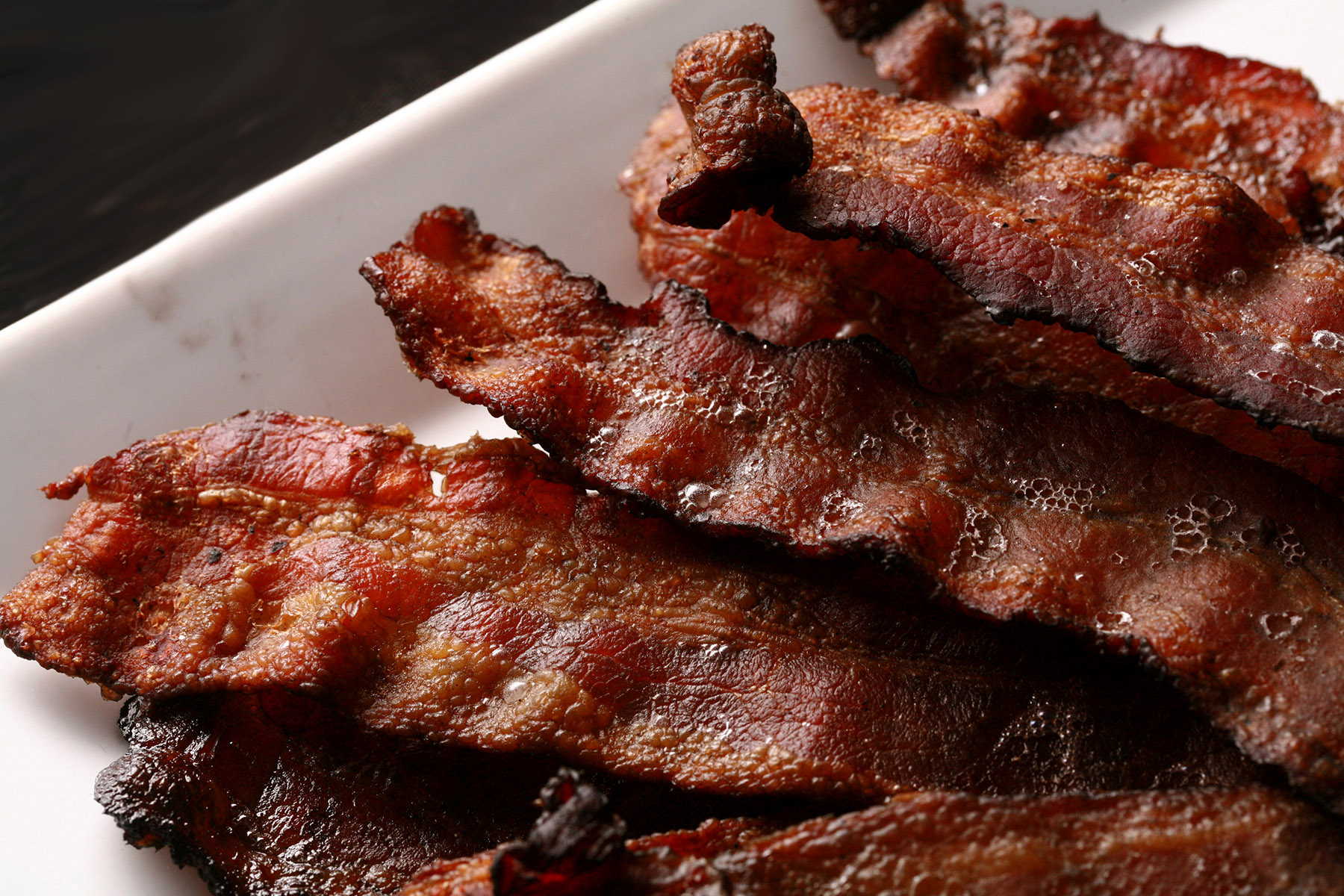

Bacon—the very word makes taste buds tingle. Its aroma, sizzling in a hot pan, is enough to make even the most dedicated vegetarians pause for a moment of temptation. But there’s an art to bacon. Too soft, and it’s chewy and greasy. Too hard, and it crumbles like sawdust. Achieving that perfect balance of crispy edges and melt-in-your-mouth fat is not just luck—it’s science, technique, and a bit of culinary wizardry. Today, we’re diving deep into the secret to perfectly crispy bacon, exploring everything from cuts to cooking methods, and even the tiny details you never thought mattered.
Understanding Bacon: Not All Strips Are Created Equal
Before we start sizzling, it’s important to understand the bacon itself. Bacon is more than a breakfast staple; it’s a craft product.
Types of Bacon
- Streaky Bacon
Common in the U.S., streaky bacon comes from the pork belly. Its high fat content makes it ideal for crispiness and rich flavor. The streaks of fat render slowly, creating a beautiful, crunchy texture. - Back Bacon
Popular in the U.K., this cut comes from the loin and contains more meat and less fat. While flavorful, it requires careful cooking to avoid being too dry. - Slab Bacon
This is essentially a block of bacon before it’s sliced. Slab bacon allows you to control thickness, which dramatically affects crispiness. A thicker slice renders slower, offering a soft interior and a crunchy edge.
Fat-to-Meat Ratio
The secret to bacon that crisps without turning brittle lies in its fat-to-meat ratio. Fat is the key to flavor and texture. Too little, and your bacon will be dry and lifeless; too much, and it will be greasy and uneven. Look for a balance of roughly 50-60% meat to 40-50% fat for optimal results.
The Science of Crispiness
Perfect bacon isn’t just about heat—it’s about chemistry.
Maillard Reaction
The Maillard reaction is what gives bacon its golden brown color and complex, savory flavor. It’s a chemical reaction between amino acids and reducing sugars that occurs at high temperatures. When bacon strips are cooked correctly, this reaction produces that irresistible aroma and deep flavor.
Rendering Fat
Rendering fat is the process of melting the bacon’s fat slowly so it can crisp the meat without burning it. If the fat renders too quickly, the meat shrinks unevenly and may burn before the bacon becomes crispy. Patience is critical here.
Preparation: Small Details, Big Impact
Even before the pan hits the stove, there are steps you can take to ensure your bacon turns out perfectly.
Room Temperature
Let your bacon come to room temperature for 10–15 minutes before cooking. This reduces thermal shock, promoting even cooking and crispiness.
Paper Towels Are Your Friend
If your bacon is wet, blot it gently with a paper towel. Excess moisture creates steam, which prevents crisping. Remember: we want sizzle, not steam.
Choosing the Right Pan
A heavy skillet, preferably cast iron, is ideal for bacon. Cast iron distributes heat evenly and retains it well, allowing for a consistent render of fat. Non-stick pans are convenient but may not give you the same depth of flavor or crispiness.
Cooking Techniques: Every Method Compared
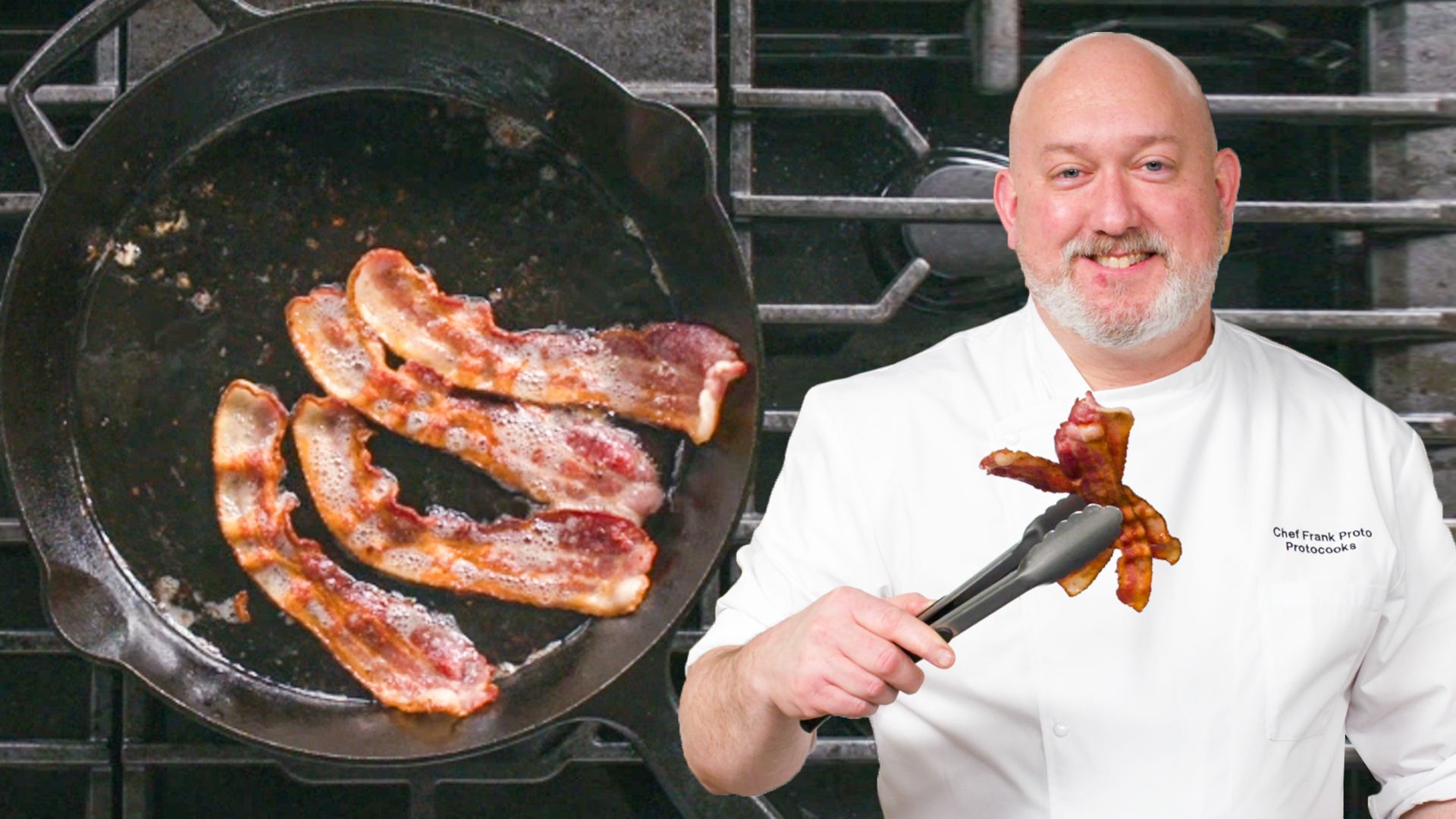
Pan-Frying: Classic and Reliable
- Cold Pan Start: Lay your bacon strips flat in a cold skillet.
- Low and Slow: Cook over medium-low heat. Let the fat render gradually, flipping occasionally for even browning.
- Draining Fat: Keep a small amount of rendered fat in the pan to continue crisping the bacon without drowning it.
- Rest Before Serving: Place the cooked bacon on paper towels to drain excess fat. This keeps it crispy without becoming greasy.
Pro Tip: Pressing bacon with a spatula during cooking creates uniform contact with the pan, enhancing crispiness without flattening flavor.
Oven-Baked Bacon: Crispy Perfection with Less Mess
Oven cooking is the unsung hero of bacon. It produces even crispiness and reduces spatter.
- Preheat Your Oven: 400°F (200°C) is ideal.
- Wire Rack Method: Place bacon on a wire rack over a baking sheet. This allows air circulation, so the fat drips away while the bacon crisps evenly.
- Bake Until Desired Crispness: 15–20 minutes is standard for medium-thick slices. Watch closely—oven temperatures vary.
- Drain and Serve: Let rest on paper towels for a few minutes to perfect that crunch.
Microwave Bacon: Quick but Tricky
Microwave bacon is fast but requires precision.
- Paper Towel Layer: Place bacon between layers of paper towels.
- High Power in Intervals: Start with 3–4 minutes, then check and continue in 30-second intervals.
- Avoid Overcrowding: Each slice needs space to prevent steaming.
While convenient, this method rarely achieves the same deep crispiness or Maillard richness as pan or oven cooking.
Grilled Bacon: Smoky Flavor Upgrade
Grilling bacon imparts a smoky, caramelized flavor. Use indirect heat to avoid flare-ups, and consider weaving bacon strips into a lattice to prevent curling. This method is less common but produces visually striking and uniquely flavored bacon.
Thickness Matters
Bacon thickness is a subtle but critical factor.
- Thin Slices (1–2mm): Crisp quickly, ideal for sandwiches or salads. Can overcook fast.
- Medium Slices (3–4mm): Balanced—crispy edges with a tender interior.
- Thick Cut (5mm+): Almost steak-like. Slower cooking ensures tender fat and chewy meat; best for indulgent breakfasts.
Temperature Control: Patience is a Virtue
Many bacon mishaps occur because of rushing. Medium-low heat is your ally. High heat may sound tempting, but it burns the edges while leaving the center chewy. Slow and steady renders the fat properly and enhances flavor.
Kitchen Hack: If your bacon curls during cooking, a gentle press with a spatula keeps it flat without sacrificing texture.

Flavor Enhancements: Beyond Salt and Smoke
Bacon is flavorful on its own, but subtle enhancements can elevate it.
- Brown Sugar or Maple Glaze: Creates caramelized sweetness on the edges.
- Black Pepper or Chili Flakes: Adds heat and complexity.
- Herbs: Fresh rosemary or thyme can infuse a delicate aroma when sprinkled before baking.
Remember: bacon is salty and fatty by nature. Enhancements should complement, not overpower.
The Resting Stage: Why It Matters
Once your bacon is cooked, resist the urge to devour immediately. Resting for a few minutes allows residual heat to continue crisping edges while fat solidifies slightly, preventing greasiness. Layering on paper towels also absorbs excess fat.
Common Mistakes and How to Avoid Them
- Crowding the Pan: Leads to uneven cooking and steaming. Cook in batches if necessary.
- High Heat Shortcut: Burns edges, undercooks center. Always start medium-low.
- Ignoring Fat: Discarding rendered fat too early can rob bacon of flavor and texture.
- Overcooking: Crispy doesn’t mean charcoal. Watch carefully near the end.
Storing and Reheating Bacon
- Refrigeration: Cooked bacon lasts 4–5 days in an airtight container.
- Freezing: Layer strips between parchment paper; freezes for up to 2 months.
- Reheating: Use a skillet or oven to maintain crispiness. Microwave reheating tends to make bacon limp.
Pro tip: Warm it slowly on a low skillet rather than blasting with heat—texture matters.
Bacon Pairings and Culinary Uses
Crispy bacon is versatile:
- Breakfast: Classic side for eggs, pancakes, or waffles.
- Salads: Adds crunch and umami depth.
- Sandwiches and Burgers: Elevates flavor with smoky, fatty layers.
- Desserts: Bacon caramel, chocolate-dipped bacon—yes, it works!
The Secret Revealed
So, is there a single secret to perfectly crispy bacon? In reality, it’s a combination:
- Choose the right cut and thickness.
- Cook low and slow to render fat evenly.
- Use proper tools—cast iron or oven racks are ideal.
- Rest and drain after cooking.
- Enhance flavors subtly if desired.
Perfect bacon is less about luck and more about respecting the science of fat, heat, and texture. When these elements align, you achieve that magical strip: crispy, flavorful, and utterly irresistible.
Bonus Tip: Bacon Science Fun Fact
Did you know? Bacon releases a unique aroma due to Maillard reaction compounds, which can trigger dopamine release in the brain. That’s why bacon smells so good—it’s chemically designed to make you happy. A delicious little science-backed bonus!
Final Thoughts
Crispy bacon is both art and science. By understanding the anatomy of bacon, the chemistry of cooking, and the subtle techniques that elevate a strip from good to perfect, anyone can master it. With patience, attention to detail, and a little experimentation, your bacon will always be golden, crunchy, and utterly satisfying. Breakfast just got a lot more exciting.