





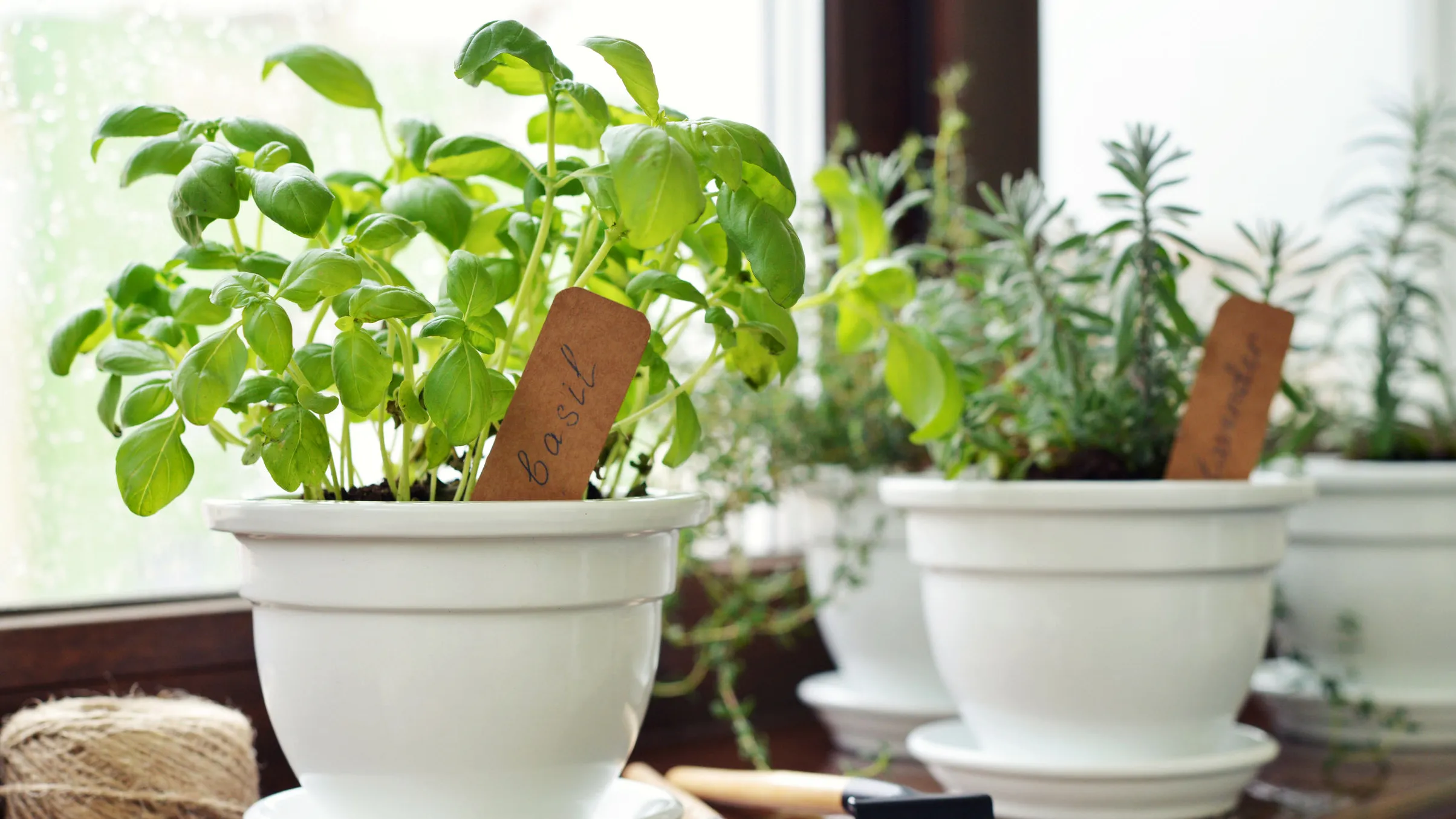

Fresh herbs occupy a curious place in the modern kitchen. They are praised endlessly by chefs, photographed lovingly in cookbooks, and treated almost reverently in farmers’ markets. Yet at home, many cooks hesitate. Fresh herbs wilt, demand careful storage, and often cost more than their dried counterparts. They ask for washing, chopping, timing, and attention. All of this raises a fair and practical question: is cooking with fresh herbs really worth the extra effort?
This article takes that question seriously. Rather than romanticizing fresh herbs or dismissing them as culinary indulgences, we will examine them from multiple angles: flavor science, cooking technique, nutrition, economics, sustainability, cultural tradition, and real-life kitchen workflow. Along the way, we will compare fresh and dried herbs honestly, explore when fresh herbs truly matter and when they do not, and offer practical strategies for using them without stress or waste.
The short answer is nuanced. Fresh herbs are not always necessary, but when used intentionally, they can transform food in ways that no substitute can fully replicate. The longer answer, which follows, explains why.
1. What Makes Fresh Herbs “Fresh,” Really?
To understand whether fresh herbs are worth the effort, we must first understand what “fresh” actually means in culinary terms.
Fresh herbs are the leafy, green, and tender parts of plants harvested at or near their peak. Examples include basil, cilantro, parsley, dill, mint, thyme, rosemary, oregano, chives, and tarragon. What defines their freshness is not just the absence of drying, but the presence of volatile aromatic compounds that are fragile, lively, and fleeting.
These compounds are responsible for aroma and flavor. They evaporate easily, degrade quickly, and react to heat, air, and light. Drying herbs stabilizes them by removing moisture, but in the process, many of the brightest aromatic notes are altered or lost.
Fresh herbs, therefore, are less stable but more expressive. They carry high notes rather than deep bass notes. They smell green, citrusy, floral, peppery, or anise-like. This is the starting point of the fresh herb debate: intensity versus liveliness, convenience versus complexity.
2. Flavor: The Most Compelling Argument
2.1 Aroma as Flavor
Much of what we perceive as taste is actually aroma. Fresh herbs excel in this area. When chopped or torn, they release essential oils that rise immediately into the air. This sensory impact happens before the food even reaches the mouth.
Dried herbs, by contrast, deliver flavor more slowly and more uniformly. Their aroma is muted, sometimes dusty, sometimes woody. They can be excellent in long-cooked dishes, but they rarely provide the same immediate aromatic lift.
For example, consider the difference between:
- A tomato salad with fresh basil added at the last moment
- A tomato sauce simmered with dried basil for an hour
Both have their place, but they achieve entirely different results. Fresh basil tastes alive. Dried basil tastes cooked.
2.2 Complexity and Layering
Fresh herbs add complexity not by overpowering a dish, but by layering subtle flavors. Parsley adds brightness without asserting itself. Chives bring mild onion notes without sharpness. Dill introduces grassy sweetness with faint bitterness.
These nuances are difficult to replicate with dried herbs, which tend to compress flavor into fewer dimensions. Fresh herbs can therefore act as balancing agents, lifting rich dishes, cutting through fat, or softening acidity.
2.3 Timing Matters
One of the most misunderstood aspects of fresh herbs is timing. They are not always meant to cook for long periods. Many fresh herbs should be added at the end of cooking or even after cooking.
This timing preserves their volatile compounds and ensures that their flavor remains distinct. When cooks add fresh herbs early and cook them too long, they often conclude that fresh herbs are overrated. In reality, the herbs were simply misused.
3. Texture and Visual Appeal
Flavor is not the only contribution fresh herbs make.
3.1 Texture as Contrast
Fresh herbs can provide a subtle but important textural contrast. Finely chopped cilantro sprinkled over rice adds softness and moisture. Whole mint leaves in a salad add gentle resistance and freshness. Fresh thyme leaves scattered over roasted vegetables provide delicate bursts rather than uniform seasoning.
Dried herbs, being brittle and powdery, integrate fully into dishes. This can be desirable, but it removes the possibility of textural interplay.
3.2 Color and Visual Energy
Fresh herbs bring color that feels intentional and alive. Bright green parsley against a golden roast chicken, deep purple basil on pale mozzarella, or feathery dill atop creamy potatoes all communicate freshness before the first bite.
This visual freshness affects perception. Studies in food psychology consistently show that color influences perceived flavor intensity and quality. Fresh herbs act as visual seasoning.
4. Nutrition: A Supporting Role, Not the Star
Fresh herbs are often praised for their nutritional benefits. While it is true that many herbs contain vitamins, antioxidants, and phytonutrients, their contribution should be understood realistically.
4.1 Concentrated, but Used Sparingly
Herbs like parsley, cilantro, and basil contain vitamin C, vitamin K, and various antioxidants. However, they are typically consumed in small quantities. Their nutritional impact is supportive rather than transformative.
That said, because fresh herbs are often used raw or lightly cooked, their nutrients are more intact than those in dried herbs that have been processed and stored for long periods.
4.2 Indirect Health Benefits
Perhaps the more meaningful health contribution of fresh herbs is indirect. They allow cooks to:
- Reduce salt without sacrificing flavor
- Add complexity without extra fat or sugar
- Make simple, whole foods more appealing

In this way, fresh herbs support healthier cooking patterns rather than acting as nutritional powerhouses on their own.
5. Fresh vs Dried: An Honest Comparison
The debate is often framed incorrectly as fresh versus dried, as if one must replace the other. In reality, they serve different functions.
5.1 When Dried Herbs Shine
Dried herbs are ideal when:
- Cooking times are long
- Flavors need to infuse deeply
- Consistency and predictability are important
- Convenience is a priority
Stews, soups, braises, and slow-cooked sauces often benefit from dried herbs. Their flavors are stable and integrate gradually.
5.2 When Fresh Herbs Excel
Fresh herbs are most valuable when:
- Dishes are finished quickly
- Brightness and aroma are desired
- Herbs are used raw or minimally cooked
- Presentation matters
Salads, garnishes, fresh sauces, and quick sautés are where fresh herbs truly shine.
5.3 Not Interchangeable
One of the most common mistakes is treating fresh and dried herbs as interchangeable. They are not. Substitution requires adjustment not only in quantity, but in timing and expectation.
Fresh herbs are not simply “stronger” dried herbs. They are different ingredients altogether.
6. Cultural Perspectives on Fresh Herbs
Fresh herbs play dramatically different roles across cuisines.
6.1 Herb-Forward Cultures
In many Middle Eastern, Southeast Asian, and Mediterranean cuisines, fresh herbs are not garnishes but core ingredients. Dishes may include entire bunches of herbs, treated almost like vegetables.
Examples include:
- Persian herb stews
- Vietnamese noodle bowls
- Thai salads
- Lebanese mezze
In these traditions, the effort of washing, chopping, and storing herbs is normalized. The resulting dishes would be unrecognizable without them.
6.2 Herb-Minimal Traditions
Other culinary traditions rely less on fresh herbs and more on dried spices, fermented ingredients, or slow-cooked aromatics. In these contexts, fresh herbs may appear rarely or only as finishing touches.
Understanding these cultural patterns helps explain why some cooks feel fresh herbs are indispensable while others find them optional.
7. The Economics of Fresh Herbs
Cost is one of the most common objections to fresh herbs.
7.1 The Perceived Expense
Fresh herbs can seem expensive when sold in bunches larger than needed for a single recipe. Wasted wilted herbs feel like wasted money, reinforcing the idea that fresh herbs are inefficient.
7.2 Cost Per Impact
However, when evaluated by impact rather than weight, fresh herbs often deliver excellent value. A small amount can dramatically improve a dish, potentially elevating inexpensive ingredients into something special.

7.3 Reducing Waste
Effort becomes worthwhile when waste is minimized. Strategies include:
- Planning multiple dishes around the same herb
- Using stems where appropriate
- Blending leftover herbs into sauces, oils, or pestos
- Freezing herbs for later use
With better planning, the economic argument against fresh herbs weakens considerably.
8. Storage and Handling: The Real Effort
The effort associated with fresh herbs is not primarily cooking; it is storage and maintenance.
8.1 Different Herbs, Different Needs
Fresh herbs fall into two broad categories:
- Tender herbs (basil, cilantro, parsley, dill, mint)
- Woody herbs (rosemary, thyme, oregano, sage)
Tender herbs prefer moisture and gentle handling. Woody herbs are more resilient and forgiving.
Treating all herbs the same is a recipe for disappointment.
8.2 The Learning Curve
Once basic storage principles are understood, handling fresh herbs becomes routine rather than burdensome. The effort feels greater at first but diminishes with familiarity.
In this sense, fresh herbs are like any skill-based ingredient: difficult until they are not.
9. Fresh Herbs and the Home Cook’s Workflow
For home cooks, the question is not whether fresh herbs are good, but whether they fit into daily life.
9.1 Weeknight Cooking
On busy weeknights, dried herbs often make more sense. They are quick, predictable, and require no preparation.
However, even on busy days, a single fresh herb added at the end of cooking can make a noticeable difference without much extra effort.
9.2 Weekend Cooking
When time allows, fresh herbs reward experimentation. They invite tasting, adjusting, and finishing dishes thoughtfully. Weekend cooking is where fresh herbs feel most justified.
10. Psychological and Emotional Value
Food is not only fuel. It is experience, ritual, and expression.
10.1 The Act of Chopping Herbs
Chopping fresh herbs engages the senses. The sound of the knife, the release of aroma, and the visual transformation all contribute to a sense of craftsmanship.
For many cooks, this process is calming and grounding rather than stressful.
10.2 Connection to Ingredients
Fresh herbs create a stronger connection to ingredients as living plants rather than anonymous seasonings. This connection can increase cooking satisfaction and attentiveness.
While this benefit is subjective, it is real and often overlooked.
11. Growing Your Own: Effort vs Reward
Growing herbs at home changes the equation entirely.
11.1 Accessibility
When herbs are grown at home, freshness becomes effortless. A few leaves can be harvested exactly when needed.
11.2 Learning and Appreciation
Growing herbs teaches seasonality, growth cycles, and plant behavior. This knowledge often leads to better cooking decisions.
11.3 Not Required, But Transformative
Home growing is not necessary to enjoy fresh herbs, but for those who do it, the perceived effort of using herbs drops dramatically.
12. Common Myths About Fresh Herbs
12.1 “Fresh Herbs Are Always Better”
Not true. In many dishes, dried herbs are more appropriate.
12.2 “Fresh Herbs Are Only for Fancy Cooking”
Fresh herbs are used extensively in everyday cooking across the world. They are not inherently luxurious.
12.3 “Fresh Herbs Are Hard to Use”
They are unfamiliar, not hard. Familiarity reduces friction.
13. When Fresh Herbs Truly Matter
Fresh herbs are most worth the effort when:
- The dish is simple
- The ingredients are few
- The herbs play a visible role
- The herbs are added at the end
In complex, heavily spiced, or long-cooked dishes, their impact is reduced.
14. A Practical Middle Ground
The most sensible approach is not ideological.
Use dried herbs when they make sense. Use fresh herbs when they add value. Keep a small, rotating selection of fresh herbs rather than trying to stock everything.
Fresh herbs are not an obligation. They are an option.
15. Final Verdict: Is It Worth It?
Yes, cooking with fresh herbs is worth the extra effort — when that effort is intentional, informed, and proportional to the dish.
Fresh herbs are not about excess or perfection. They are about precision. Used thoughtfully, they offer brightness, aroma, texture, and emotional satisfaction that dried herbs cannot fully replicate.
The effort they require is real, but so is the reward. The key is not to use fresh herbs all the time, but to use them at the right time, for the right reasons.
In the end, fresh herbs are less about effort and more about attention. And in cooking, attention is often the most valuable ingredient of all.