





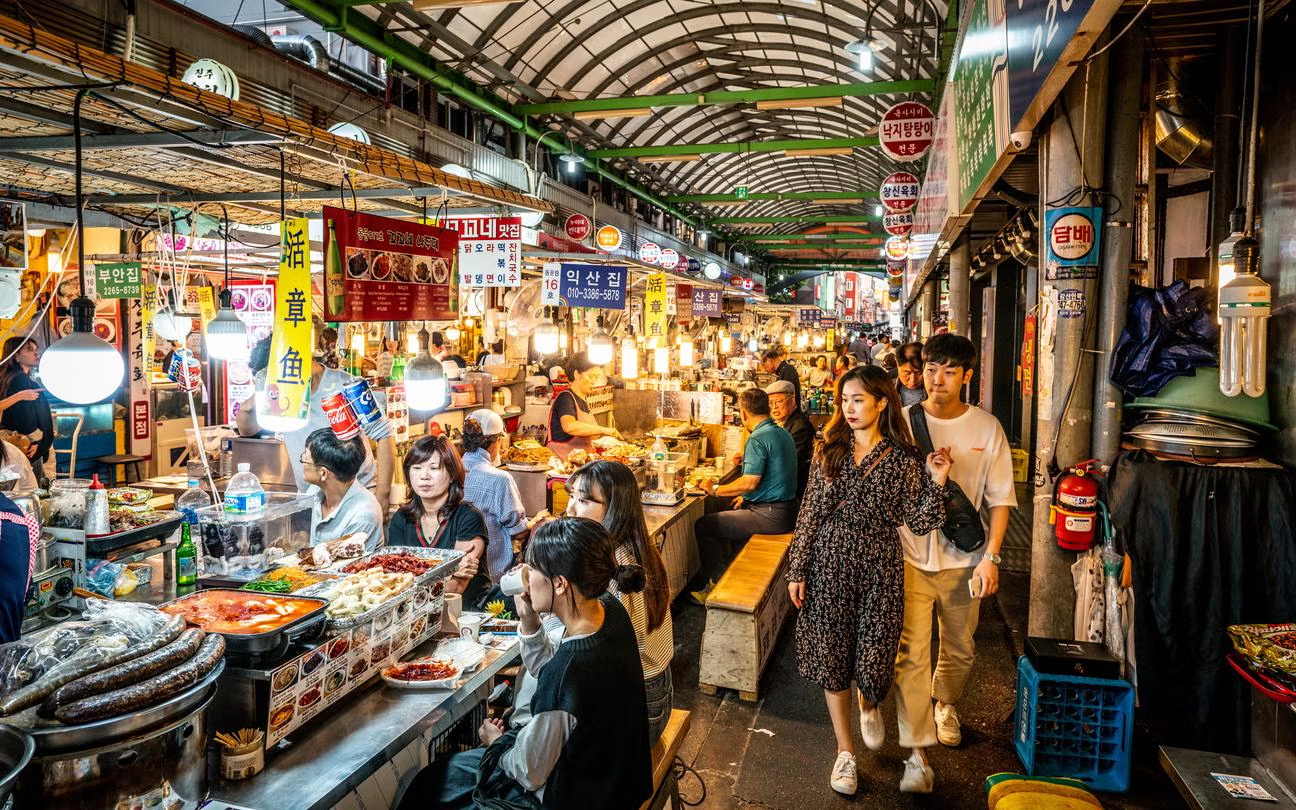

Street food—quick, affordable, and often bursting with flavor—has transcended geographical boundaries and emerged as a global phenomenon. From bustling food stalls in Bangkok to gourmet food trucks in New York, street food is not just about satisfying hunger. It is about cultural exchange, culinary creativity, and a deeper connection to local traditions. This vibrant, ever-growing sector of the food industry is an essential part of both urban life and the global culinary scene. But what exactly is it about street food that makes it so universally appealing?
1. Cultural Significance and Heritage
Street food is more than just a convenient meal option; it is a reflection of the culture and history of the region it comes from. Across the globe, food stalls, trucks, and market carts serve dishes that have been passed down through generations, often with recipes dating back centuries. These foods carry the stories, traditions, and innovations of their creators. In many parts of the world, street food is intertwined with local festivals, rituals, and community gatherings. Whether it’s the savory kebabs in Istanbul or the spicy tacos in Mexico City, street food is deeply rooted in the identity of the place.
Take, for example, India’s street food culture. With a wide variety of regional specialties—from the crispy samosas of Delhi to the tangy pav bhaji of Mumbai—street food reflects the country’s diverse palate and rich heritage. In many cities, food vendors are considered culinary artisans, often perfecting a recipe over many years, creating a dish that’s a testament to their heritage. These foods often play a significant role in daily life and social interactions, with the act of sharing a meal at a street stall fostering a sense of community.
2. Accessibility and Affordability
Street food’s appeal lies in its affordability. It allows people from all walks of life to enjoy a delicious and satisfying meal without breaking the bank. This makes street food particularly attractive in urban centers, where a large portion of the population is constantly on the move and looking for quick, convenient options. Whether it’s a student grabbing a sandwich between classes or a businessman taking a break from a busy day at the office, street food provides an inexpensive alternative to the more expensive sit-down restaurants.
The accessibility of street food also means that it can be found everywhere, from the busiest city streets to remote rural towns. The vendors themselves often come from lower-income backgrounds, and the ability to sell food from a cart or truck offers them a livelihood without the need for expensive infrastructure. This democratic aspect of street food has contributed to its popularity, creating a culinary scene that is more inclusive and available to all.
3. Simplicity and Freshness
Street food is often characterized by its simplicity. Many dishes require just a handful of ingredients, prepared quickly and with minimal equipment. This makes the food not only affordable but also fresh. Street food vendors often use locally sourced ingredients, ensuring that the meals are both seasonal and bursting with flavor. For example, a Thai vendor might serve up papaya salad made from freshly harvested vegetables, or a Peruvian food stall could be grilling corn on the cob right in front of customers.
The simplicity of street food is also part of what makes it so delicious. By focusing on just a few ingredients and cooking them with skill and care, street food vendors can achieve flavor combinations that are both bold and balanced. The act of cooking food in front of customers—often on open flames or grills—adds an element of excitement and anticipation, making the experience not just about eating but about witnessing the food being made right in front of you.

4. Innovation and Fusion
While street food is rooted in tradition, it is also a hotbed for culinary experimentation. Vendors are constantly innovating and fusing ingredients and techniques from different cultures to create new and exciting dishes. This constant evolution is one of the reasons why street food has become a global phenomenon.
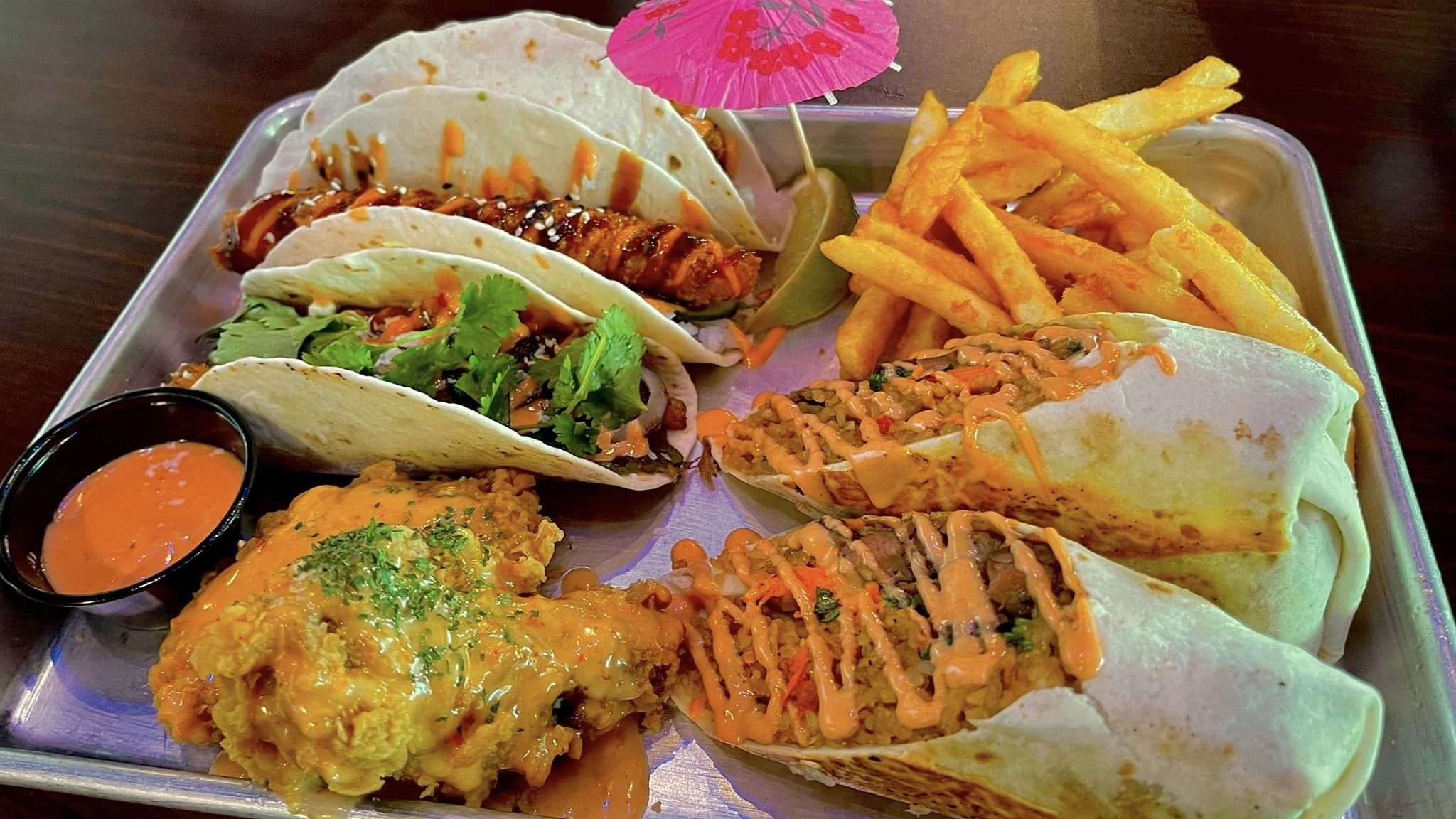
In cities like Los Angeles, New York, and London, food trucks and street vendors have taken classic street food dishes and given them modern twists. You might find gourmet versions of tacos, burgers, or dumplings, where traditional flavors meet cutting-edge culinary techniques. For instance, Korean BBQ tacos—combining Korean marinated meat with Mexican corn tortillas—are a fusion dish that represents the creative energy of street food culture.
This ability to innovate is part of the appeal. Street food is always changing, and vendors are constantly experimenting with new flavors, combinations, and presentation styles. It keeps the experience dynamic and exciting, attracting food lovers who are eager to try something new.
5. Globalization and Accessibility
The rise of globalization has significantly influenced the spread of street food. What was once a local phenomenon has become an international one, with food vendors bringing their regional specialties to new cities and countries. The influence of street food is most evident in cosmopolitan cities where different cultures and cuisines converge. In places like New York, Paris, and Tokyo, it’s not unusual to find street vendors serving food from all over the world.
One of the driving forces behind this global spread is social media. Platforms like Instagram and YouTube have become powerful tools for food vendors to showcase their creations to a global audience. Food bloggers, influencers, and travelers share their street food experiences, which in turn sparks curiosity and demand for these dishes. As a result, street food festivals and international food markets have sprung up around the world, allowing vendors to introduce their local dishes to new audiences.
Take the case of sushi, which originated in Japan as street food. Today, sushi can be found in food markets around the world, from New York to Buenos Aires, with each region adding its own twist to the dish. The accessibility of street food, facilitated by globalization and technology, means that people everywhere can now enjoy the flavors of distant lands, even if they can’t travel to experience them firsthand.
6. Culinary Identity and Street Food as Art
Street food is increasingly being viewed as a form of culinary art. In many cultures, street food vendors are seen not just as food providers but as artists in their own right. The way they prepare and serve food, the presentation of the dish, and the techniques used to create complex flavors are all part of the artistic expression.
In cities like Bangkok, street food vendors can spend years perfecting a single dish, often elevating it to an art form. Some dishes are so intricate and well-executed that they receive critical acclaim, and some vendors even achieve Michelin-star recognition. The art of street food is not just about the taste; it’s about the experience as a whole—the smells, the sounds, and the atmosphere created by the vendor’s skill and passion for their craft.
This appreciation of street food as art is evident in many food-focused television shows and documentaries. Chefs, food critics, and enthusiasts alike are increasingly recognizing the talent involved in creating the perfect street food dish, and this respect is helping elevate the status of street food globally.
7. The Social Aspect of Street Food
Beyond the food itself, street food is often about community and social interaction. The experience of eating on the streets, in markets, or at food stalls, is often communal. People sit together, share meals, and bond over food, creating an informal and relaxed atmosphere that is often missing from traditional restaurants. It’s common to see people of all ages and backgrounds sharing a meal from the same stall, exchanging recommendations, or just enjoying the lively environment.
Street food is a social activity. Whether it’s grabbing a quick bite on the way home, meeting friends at a local food market, or taking part in a food festival, street food has a unique ability to bring people together. This communal aspect is part of what makes street food so universal. It’s not just about eating; it’s about sharing a moment with others and experiencing the food culture of a region.
8. Street Food Festivals and Global Cuisine
The popularity of street food has also given rise to a number of street food festivals and events worldwide. These festivals celebrate diverse cuisines and allow people to explore food from different cultures in one place. The proliferation of these events has made street food an even more prominent global trend.
In major cities like London, Singapore, and Los Angeles, street food festivals are not only a way to sample new dishes but also a way to celebrate the diversity and richness of global food cultures. These events allow vendors to showcase their skills to large crowds, often with live music, entertainment, and interactive experiences that further enhance the social and cultural aspect of street food. For food lovers, attending these festivals is an opportunity to travel the world in a single afternoon, tasting everything from Ethiopian injera to Thai pad thai and beyond.
9. Sustainability and Environmental Impact
In recent years, there has also been a growing awareness of the environmental impact of food production, and street food is often seen as a more sustainable option compared to traditional restaurants. Street food vendors typically use fewer resources, with less waste produced and smaller carbon footprints. Many vendors also focus on using locally sourced ingredients, reducing the environmental impact of long-distance transportation.
Additionally, the compact nature of food stalls, trucks, and carts means that they are typically more energy-efficient than large-scale restaurants, further contributing to sustainability. Street food’s emphasis on using fresh, seasonal ingredients also ties into the increasing global trend toward supporting local farmers and reducing food miles.
10. The Future of Street Food
As street food continues to grow in popularity around the world, its future seems bright. With increasing urbanization, more and more people are turning to street food as a way to enjoy quick, tasty, and affordable meals. The fusion of global flavors, the rise of food festivals, and the growing appreciation for street food as an art form all point to a future where street food becomes an even more integral part of global culture.
The rise of food trucks and mobile vendors, coupled with the increasing demand for diverse, authentic cuisine, suggests that street food will continue to thrive. As long as it retains its roots in tradition, innovation, and community, street food will remain a powerful and beloved global phenomenon.