





Food is one of the most basic human needs, yet its impact transcends far beyond survival. It is a universal language, a medium through which cultures connect, traditions are shared, and relationships are built. From the bustling street markets of Bangkok to the cozy cafes of Paris, food serves as a bridge that links people of different backgrounds, fostering understanding, empathy, and shared experiences.
In this article, we’ll explore why food has such a profound ability to unite us, not just within communities, but across borders. From its role in global diplomacy to its influence on personal identity, food does much more than nourish the body; it nourishes the soul and strengthens the human connection across continents.
The Universal Language of Food
When people sit down to share a meal, they are not simply consuming calories—they are engaging in an act that brings them closer together, often in ways words cannot. Food transcends language barriers, political differences, and social divides. A smile over a plate of pasta, a toast with wine, or a shared piece of cake during a celebration, these moments of connection speak louder than any spoken word.
No matter where you go, the act of eating together holds universal significance. Whether it’s a festive feast or a simple snack, food has the power to break down barriers and form bonds. This can be seen in how food is central to social gatherings, religious rituals, family traditions, and even moments of crisis or tragedy. In many cultures, offering food to someone is a symbol of hospitality, a gesture of goodwill that builds trust and opens doors to deeper relationships.
Take, for example, the concept of “breaking bread” in many cultures. This phrase, rooted in the idea of sharing a simple meal, is synonymous with forming a connection, whether in friendship, peace, or reconciliation. In times of conflict, offering food can even act as a form of diplomacy, helping to bridge gaps between opposing sides.
Food as a Cultural Ambassador
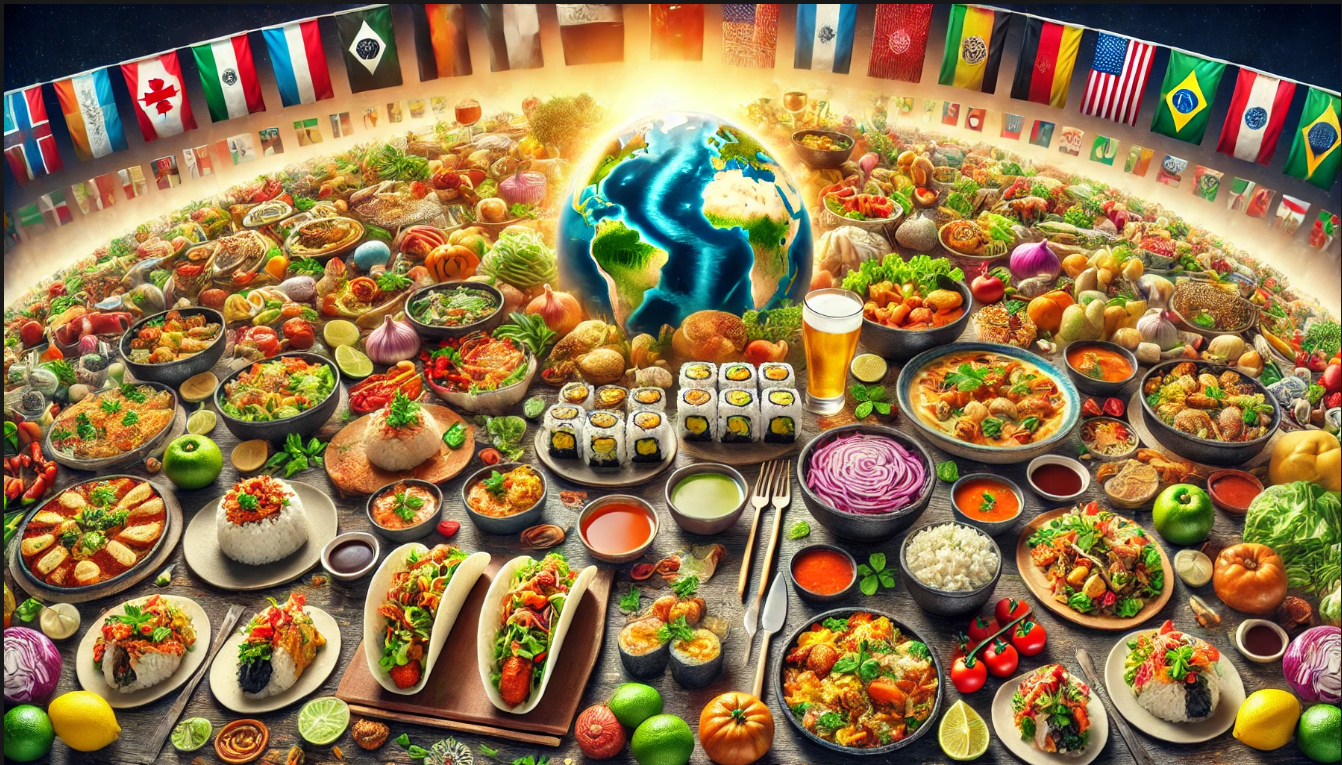
One of the most striking ways food connects us beyond borders is by introducing us to new cultures. Through food, we experience the history, geography, and values of a nation or region. Traditional dishes are often passed down through generations, carrying stories of migration, trade, and historical events that shaped a community’s identity. The spices of India, the pasta of Italy, the sushi of Japan, and the tacos of Mexico all tell the unique story of the people who created them.
Food is an ambassador of culture. When you eat a dish from a foreign country, you’re not just tasting flavors—you’re gaining insight into the culture, traditions, and customs of the people who created it. This cultural exchange through food promotes understanding and tolerance, allowing people from different backgrounds to appreciate and learn from each other.

For instance, the rise of international cuisine in many cities around the world has allowed people to taste dishes they might never have encountered otherwise. The spread of sushi, for example, has transformed from a local Japanese tradition to a global phenomenon. The same can be said for Italian pizza, Chinese dim sum, or Indian curry. These foods have traveled far beyond their borders, adapting to local tastes but maintaining their essential cultural identities.
Through the global spread of food, we not only taste different flavors, but also experience the world’s diverse ways of life. The food on our plates connects us to the stories, struggles, and celebrations of people thousands of miles away, helping us see the world from different perspectives.
Food and Global Diplomacy
Food also plays an important role in international relations. Throughout history, leaders have used food as a tool for diplomacy, sending gifts of food, hosting lavish banquets, or sharing meals to symbolize cooperation and peace. A meal can serve as a gesture of goodwill, signaling mutual respect and an eagerness to foster closer ties between nations.
In the 1970s, for instance, the famous “Ping Pong Diplomacy” between the United States and China revolved not only around table tennis but also around the sharing of meals. The American and Chinese teams broke bread together, building a rapport that ultimately led to the normalization of diplomatic relations between the two countries.
Similarly, many international summits and state visits feature meals as a central part of the proceedings. When heads of state break bread together, it’s not just about food; it’s about symbolizing cooperation, forging stronger relationships, and understanding each other beyond the realm of politics.
Food can also serve as a platform for peace and reconciliation in conflict zones. After the Rwandan genocide, for example, community members came together to cook and share meals as a way of healing and rebuilding trust. In times of war or unrest, food can act as a unifying force, bringing people together in ways that no formal talks or political speeches ever could.
The Role of Food in Personal Identity
Our relationship with food is not only shaped by cultural and political factors—it is also deeply personal. The foods we eat reflect our heritage, values, and identity. For many people, food is an expression of who they are and where they come from. It connects us to our family histories, regional roots, and sometimes, even our ethnic identities.

In immigrant communities, for instance, food becomes a way to hold on to one’s cultural identity while adapting to a new environment. For many people who have moved across borders, food is a comforting link to their homeland, offering a sense of continuity even in unfamiliar places.
Consider the role of food in the immigrant experience. For many, sharing a meal of traditional dishes in a foreign country can serve as a reminder of home and a way to preserve cultural traditions. It’s not uncommon to see second or third-generation immigrants passing down recipes, cooking techniques, and food customs to their children, helping them maintain a connection to their ancestral roots.
At the same time, food can also be a way to adapt to new surroundings. Many immigrant communities have embraced and integrated local ingredients or cooking styles, creating hybrid dishes that reflect their multicultural identity. The fusion of different culinary traditions often results in unique and innovative dishes that blend flavors and techniques from different cultures, further illustrating food’s ability to connect diverse people and traditions.
The Power of Shared Meals in Building Community
Beyond political diplomacy and cultural exchange, food plays a key role in fostering community on a local level. From neighborhood potlucks to food festivals, sharing meals creates a sense of belonging. It fosters connections between people who might not otherwise interact, allowing for the exchange of ideas, stories, and experiences.
In many parts of the world, communal dining is a central aspect of daily life. Whether it’s eating together around a large table or enjoying street food with strangers, shared meals promote a sense of solidarity and community spirit. Even in urban environments where people may feel isolated or disconnected, food brings people together in ways that nothing else can.
The concept of “community meals” can also be seen in the growing trend of food-sharing initiatives. In many cities, groups are coming together to share surplus food, redistribute resources, and ensure that no one goes hungry. These acts of kindness and generosity transcend borders and are a testament to how food, even when scarce, can unite people and foster a sense of shared responsibility.
Food, Sustainability, and the Future
As the world continues to face challenges related to climate change, population growth, and food security, food will remain at the heart of global discussions. The way we produce, consume, and share food will have a profound impact on the future of our planet and humanity.
Sustainable food practices that prioritize environmental stewardship and social equity are gaining traction worldwide. Initiatives focused on reducing food waste, supporting local agriculture, and promoting plant-based diets are all part of the global effort to ensure food security for future generations. In many ways, these efforts also reflect a growing awareness of how food can connect us not only to each other but also to the planet itself.
In the future, as technology continues to evolve, food will play an even greater role in connecting people across borders. Advances in food technology, such as lab-grown meat and vertical farming, hold the potential to revolutionize the way we produce and consume food, making it more sustainable and accessible to all.
In conclusion, food is much more than just a means of sustenance—it is a powerful tool for connection, understanding, and cooperation. From breaking down cultural barriers to fostering community spirit, food unites us across borders in ways that nothing else can. It is a universal language that transcends differences and reminds us of the shared humanity we all have, no matter where we come from or where we’re going.