





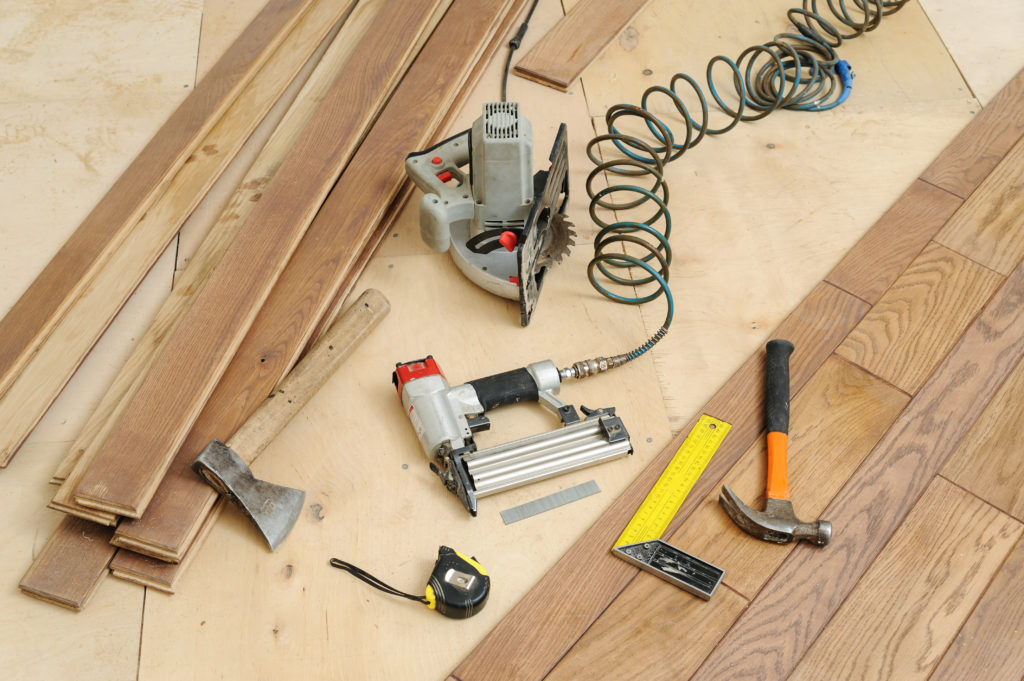

DIY—short for Do It Yourself—has become more than a weekend hobby. It’s a movement, a mindset, and for many homeowners and renters alike, a financial strategy. Scroll through social media or walk through a hardware store on a Saturday morning, and you’ll see the same promise everywhere: Skip the professionals, roll up your sleeves, and save serious money.
But does DIY actually deliver on that promise?
The short answer is: sometimes—spectacularly so.
The long answer is more nuanced, involving hidden costs, skill gaps, time investment, and risk. This article takes a deep, practical look at whether DIY home projects truly save money, when they do, when they don’t, and how to decide intelligently before picking up a drill.
1. The Appeal of DIY: Why It Feels Like a Money-Saver
At first glance, DIY economics look irresistible.
Professional labor is expensive. Contractors charge not only for their time, but also for expertise, insurance, transportation, tools, overhead, and profit. When you remove labor from the equation, the math appears simple:
Professional Cost – Labor = DIY Savings
That’s the story most people tell themselves—and often, it’s partially true.
Psychological Drivers Behind DIY
DIY feels financially smart for several reasons:
- Visible cost reduction: You see the price of materials clearly, while labor costs feel abstract.
- Control: You choose materials, timing, and scope.
- Skill pride: Completing something yourself adds emotional value.
- Media reinforcement: DIY success stories dominate blogs and videos, while failures quietly disappear.
However, saving money and feeling like you saved money are not always the same thing.
2. Understanding the True Cost of Professional Work
To judge DIY fairly, you must first understand what you’re paying for when you hire professionals.
What Professional Fees Actually Cover
A professional’s quote includes:
- Experience and training
- Efficiency and speed
- Specialized tools
- Problem-solving ability
- Code compliance
- Insurance and liability
- Warranty or guarantee
In other words, you’re not just paying for someone to “do the work.” You’re paying for them to do it correctly, safely, and quickly, often on the first attempt.
DIY replaces those advantages with personal time, learning, and risk.
3. DIY Projects That Almost Always Save Money
Some projects are low-risk, low-complexity, and high-labor-cost when outsourced. These are prime candidates for DIY success.
3.1 Painting (Interior and Exterior)
Why DIY Wins
- Minimal tools required
- Skills are easy to learn
- Mistakes are usually fixable
- Labor often costs more than materials
Savings Potential
- Professional interior painting can cost several thousand dollars
- DIY often costs a few hundred in supplies
Hidden Costs to Watch
- Prep work time
- Quality brushes and rollers
- Paint waste from poor technique
Verdict: One of the safest and most cost-effective DIY projects.
3.2 Simple Landscaping and Yard Work
Examples include:
- Planting shrubs or flowers
- Mulching
- Building small garden beds
- Laying stepping stones
Why DIY Wins
- Labor-intensive but not technically complex
- Tools are reusable
- Immediate visual payoff
Verdict: Strong savings, especially for ongoing maintenance.
3.3 Basic Home Maintenance
Tasks like:
- Replacing air filters
- Fixing loose cabinet handles
- Sealing windows and doors
- Replacing showerheads or faucets
Why DIY Wins
- Extremely high labor markup if outsourced
- Minimal skill required
- Prevents future costly damage
Verdict: DIY is not just cheaper—it’s financially responsible.
4. The Gray Zone: Projects That Can Save Money If You’re Careful
Some DIY projects sit in a middle ground. They can save money—but only if executed properly.
4.1 Flooring Installation
Installing laminate, vinyl plank, or engineered wood flooring can save thousands.

Pros
- Labor costs are very high
- Many systems are designed for DIY
- Tutorials are widely available
Cons
- Subfloor issues can ruin results
- Mistakes waste expensive materials
- Time investment is significant
Verdict: Worth it for detail-oriented DIYers with patience.
4.2 Tiling (Backsplashes, Bathrooms)
Why It’s Tricky
- Precision matters
- Grout and waterproofing errors are costly
- Visual flaws are permanent
When DIY Saves Money
- Small areas
- Decorative, non-structural surfaces
- If you practice first
Verdict: Savings possible, but skill matters more than enthusiasm.
4.3 Cabinet Refacing and Refinishing
Replacing cabinets is expensive. Refinishing them yourself can cut costs dramatically.
Risks
- Uneven finishes
- Time-consuming sanding
- Hardware alignment issues
Verdict: Financially smart if you value patience over speed.
5. Projects That Often Cost More When DIYed
Not all DIY is created equal. Some projects look simple but are financial traps.
5.1 Electrical Work
Even minor electrical mistakes can lead to:
- Fire hazards
- Code violations
- Insurance issues
Why DIY Fails Here
- Specialized knowledge required
- Errors may not show immediately
- Repairs often cost more than original professional work
Verdict: DIY rarely saves money long-term.
5.2 Plumbing Beyond Simple Fixes
Replacing a washer is fine. Reworking pipes is not.
Common DIY Pitfalls
- Improper slope
- Leaks behind walls
- Water damage that appears months later
Verdict: Small fixes only. Major work belongs to professionals.
5.3 Structural Changes
Anything involving:
- Load-bearing walls
- Foundations
- Roofing structures
Why DIY Loses
- High risk
- High cost of failure
- Permits and inspections required
Verdict: Financially dangerous territory.
6. The Hidden Costs of DIY Most People Ignore
Even when DIY appears cheaper, hidden costs can erase savings.
6.1 Tool Purchases
DIY math often ignores tools.
- Power drills
- Saws
- Sanders
- Specialty tools used once
Buying tools for a single project can exceed professional labor costs.
Smart Strategy
- Rent tools
- Borrow from friends
- Choose projects that use tools you already own
6.2 Time as a Cost
Your time has value—even if it’s not paid.
Ask yourself:
- How many hours will this take?
- What could I be doing instead?
- Will this cause stress or burnout?
A project that takes a professional 6 hours might take a DIYer 30.

6.3 Mistakes and Redos
DIY mistakes cost money in:
- Wasted materials
- Additional tools
- Hiring professionals to fix errors
The most expensive DIY projects are the ones done twice.
7. Skill vs. Confidence: The DIY Illusion
Confidence is not competence.
Many DIY failures happen because people:
- Overestimate their skill
- Underestimate complexity
- Skip preparation
- Ignore building codes
Smart DIYers
- Practice on small projects
- Research deeply
- Know when to stop
Saving money requires honesty about your abilities.
8. DIY as a Long-Term Financial Strategy
DIY savings compound over time—if done correctly.
8.1 Skill Accumulation
Each successful project:
- Improves your skills
- Reduces future learning curves
- Expands what you can safely DIY
Over years, this can represent significant savings.
8.2 Preventive Maintenance Value
DIY encourages homeowners to:
- Inspect their homes more often
- Catch small problems early
- Avoid catastrophic repairs
Preventing damage is often cheaper than repairing it.
8.3 Increased Home Value
Some DIY projects—when well executed—can increase resale value:
- Fresh paint
- Updated fixtures
- Clean landscaping
Poor DIY, however, can reduce value.
9. A Practical Decision Framework: Should You DIY This?
Before starting any project, ask yourself these five questions:
- Is failure expensive or dangerous?
If yes, don’t DIY. - Can mistakes be easily fixed?
If no, think carefully. - Do I already own most of the tools?
- Is the skill transferable to future projects?
- Am I doing this to save money—or because it looks fun online?
Honest answers save money.
10. DIY and the Myth of “Free Labor”
DIY labor isn’t free. It’s prepaid with:
- Time
- Energy
- Mental load
- Opportunity cost
DIY saves money when:
- Labor costs dominate
- Skill requirements are reasonable
- Risks are manageable
It costs money when:
- Mistakes are expensive
- Tools are specialized
- Stress outweighs savings
11. The Emotional Return on Investment
Money isn’t the only metric.
DIY offers:
- Satisfaction
- Confidence
- Independence
- Understanding of your home
For many people, these benefits justify modest financial losses.
But if your goal is purely financial, emotion must not override logic.
12. Final Verdict: Does DIY Actually Save Money?
Yes—but only under the right conditions.
DIY saves money when:
- The project is low-risk
- Labor costs are high
- Tools are reusable
- Skills are realistic
- Time is available
DIY costs more when:
- Complexity is underestimated
- Safety is compromised
- Tools are expensive
- Mistakes are hidden but severe
The smartest homeowners don’t choose between DIY and professionals—they strategically combine both.
They paint walls themselves, but hire electricians.
They landscape gardens, but leave foundations alone.
They DIY with discipline, not ego.
That’s where real savings live.