






Freshness is one of those words that feels instantly reassuring. We see it on market signs, food labels, and restaurant menus, and we instinctively associate it with quality, flavor, and wholesomeness. But freshness is more than a culinary virtue or a marketing promise—it is deeply tied to food safety. The condition of an ingredient when it enters the kitchen can influence microbial growth, chemical stability, allergen risk, and even how forgiving the food is when handled imperfectly.
This article explores the connection between ingredient freshness and food safety in depth. We will look beyond the surface idea that “fresh is better” and unpack the science, systems, and practical realities behind it. From microscopic bacteria to global supply chains, from home kitchens to industrial processing plants, freshness plays a central role in keeping food safe to eat. Along the way, we will examine why freshness matters, where its limits lie, and how food professionals and everyday cooks can make smarter, safer choices.
1. Defining Freshness: More Than Just “New”
Before we can understand how freshness affects food safety, we need to clarify what “freshness” actually means. In everyday language, fresh often implies recently harvested, recently slaughtered, or recently prepared. Scientifically and operationally, however, freshness is a multidimensional concept.
Freshness can include:
- Time since harvest or processing
How long has passed since the ingredient was picked, caught, or produced? - Biological condition
Are the cells intact? Is the tissue still metabolically active? Has spoilage begun? - Chemical stability
Have fats oxidized? Have vitamins degraded? Have unwanted compounds formed? - Microbial status
What types and quantities of microorganisms are present?
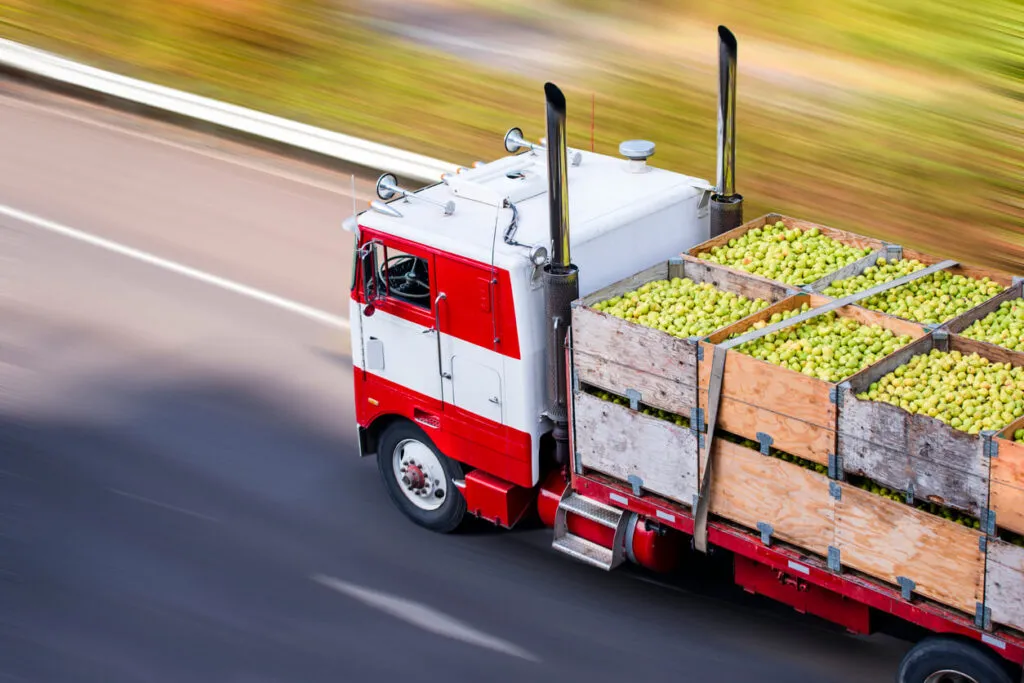
An apple picked yesterday, stored improperly, and bruised may be less “fresh” in a safety sense than an apple picked two weeks ago and stored under ideal conditions. Freshness, therefore, is not just about age—it is about the entire journey of an ingredient from origin to plate.
2. Food Safety: The Invisible Goal
Food safety focuses on preventing illness and injury caused by contaminated food. The main hazards fall into three broad categories:
- Biological hazards – bacteria, viruses, parasites, and molds
- Chemical hazards – natural toxins, residues, cleaning agents, and degradation products
- Physical hazards – foreign objects such as glass, metal, or bone fragments
Freshness intersects most strongly with biological and chemical hazards. As ingredients age or deteriorate, conditions often become more favorable for harmful microorganisms or chemical changes that compromise safety.
Importantly, food safety is not about perfection. It is about risk management. Fresh ingredients typically start with lower risk, giving food handlers more margin for error. Less fresh ingredients often require stricter controls to remain safe.
3. The Microbial Clock: How Freshness Shapes Bacterial Risk
Microorganisms are central to the freshness–safety relationship. From the moment an ingredient is harvested or slaughtered, microbes begin to interact with it.
3.1 Initial Microbial Load
Fresh ingredients generally have a lower initial microbial load. This does not mean they are sterile—far from it—but the number and diversity of microorganisms are often limited at the start.
For example:
- Freshly harvested leafy greens may carry soil bacteria.
- Fresh fish may carry bacteria from the water.
- Fresh meat may carry microorganisms from the animal and processing environment.
When ingredients are handled hygienically and kept at appropriate temperatures, microbial growth remains slow. As time passes, however, microbes multiply, increasing the risk that pathogens reach dangerous levels.
3.2 Growth Over Time
Bacteria do not grow at a constant pace. Their growth depends on:
- Temperature
- Moisture
- Nutrient availability
- Oxygen levels
- Acidity (pH)
Freshness often correlates with conditions that slow microbial growth. Fresh produce still has intact cell structures and natural defense mechanisms. Fresh meat has not yet undergone extensive breakdown that releases nutrients for bacteria.
As ingredients age, tissues break down, moisture redistributes, and nutrients become more accessible—creating a more inviting environment for microbes.
4. Spoilage vs. Safety: Not the Same Thing
A critical but often misunderstood point is that spoilage and safety are not identical. Freshness influences both, but in different ways.
4.1 Spoilage Microorganisms
Spoilage organisms cause unpleasant odors, textures, and flavors. They are responsible for sour milk, slimy meat, and moldy bread. While they make food unappealing, they are not always dangerous.
Spoilage is often a visible or sensory indicator that freshness has declined. In some cases, spoilage acts as an early warning system, discouraging consumption before serious harm occurs.
4.2 Pathogens
Pathogens, on the other hand, can be present without obvious signs of spoilage. Fresh-looking food can still be unsafe if contaminated with pathogens such as certain bacteria or viruses.
Freshness reduces—but does not eliminate—the likelihood that pathogens are present at high levels. This is why even very fresh ingredients must be handled and cooked properly.
5. Fresh Produce: Living Systems with Safety Implications
Fruits and vegetables are unique because they remain biologically active after harvest. They respire, lose moisture, and respond to environmental stress.
5.1 Freshness and Natural Defenses
Fresh produce has natural defense mechanisms:
- Intact skins and peels act as physical barriers.
- Natural antimicrobial compounds inhibit some microbes.
- Firm tissues are harder for bacteria to penetrate.
As produce loses freshness, these defenses weaken. Bruising, wilting, and dehydration create entry points for microorganisms.
5.2 Freshness and Surface Contamination
Produce safety often depends on surface cleanliness. Freshly harvested produce may carry microbes from soil, water, or handling. Washing and proper storage help manage this risk.
However, as produce ages:
- Microcracks in surfaces expand.
- Cut edges dry out or become slimy.
- Moisture accumulates in packaging.
These changes increase the likelihood that microbes not only survive but multiply.

6. Meat, Poultry, and Seafood: Freshness as a Safety Buffer
Animal-derived foods are particularly sensitive to freshness because they are rich in protein and moisture—ideal conditions for microbial growth.
6.1 Freshness at Slaughter or Catch
The safety clock for meat and seafood starts early:
- Stress in animals before slaughter can affect meat chemistry.
- Time between catch and chilling is critical for seafood.
- Clean processing reduces initial contamination.
The fresher the product at this stage, the more control exists downstream.
6.2 Aging vs. Spoiling
Some meats are intentionally aged to improve flavor and tenderness. This controlled process relies on precise temperature, humidity, and sanitation. When done correctly, aging does not compromise safety.
Uncontrolled aging, however, leads to spoilage and increased pathogen risk. Freshness in this context means being within a carefully managed window, not simply being “young.”
7. Dairy and Eggs: Freshness, Time, and Temperature
Dairy products and eggs illustrate how freshness interacts with processing and storage.
7.1 Milk and Freshness Perception
Fresh milk is often associated with safety, but processing methods play a major role. Pasteurization reduces pathogens dramatically, extending safe shelf life.
Even pasteurized milk, however, becomes less safe as freshness declines:
- Spoilage bacteria grow over time.
- Temperature abuse accelerates microbial growth.
- Off-flavors signal advanced spoilage.
7.2 Eggs and Protective Barriers
Fresh eggs have natural protective features:
- A protective coating on the shell.
- Thick egg whites that inhibit bacterial movement.
- Membranes that limit contamination.
As eggs age, these protections weaken. Freshness, combined with refrigeration, significantly reduces safety risks.
8. Processed Foods: Freshness in a Different Form
Processed foods challenge our intuitive understanding of freshness. A canned or frozen product may not be “fresh” in a traditional sense, yet it can be extremely safe.
8.1 Processing as a Safety Tool
Processing methods such as:
- Heat treatment
- Freezing
- Drying
- Fermentation
can halt or slow microbial growth. In these cases, safety depends less on ingredient freshness at the moment of consumption and more on:
- Quality of raw materials
- Precision of processing
- Integrity of packaging
8.2 Fresh Ingredients in Processed Foods
Despite processing, the freshness of ingredients at the start still matters. Fresher inputs generally mean:
- Lower initial contamination
- Better flavor stability
- Fewer degradation products
Processing can compensate for some loss of freshness, but it cannot fully undo poor-quality inputs.
9. Chemical Changes: Freshness and Hidden Hazards
Not all safety issues involve microbes. Chemical changes linked to freshness can also pose risks.
9.1 Oxidation and Rancidity
As fats age, they oxidize, producing compounds that affect flavor and, in some cases, health. Fresh oils and nuts are safer and more stable than those stored too long or improperly.
9.2 Natural Toxins
Some foods produce natural toxins as they age or deteriorate. For example:
- Certain molds produce harmful compounds on aging grains or fruits.
- Improperly stored produce can accumulate unwanted chemicals.
Freshness reduces the window in which these hazards can develop.
10. Supply Chains: Freshness as a Systemic Challenge
Freshness is not just a kitchen issue—it is a supply chain issue.

10.1 Time and Distance
Modern food systems often involve long distances between production and consumption. Maintaining freshness requires:
- Cold chain management
- Protective packaging
- Efficient logistics
Breakdowns at any point can compromise safety, even if the food appears acceptable on arrival.
10.2 Transparency and Traceability
Knowing where food comes from and how long it has traveled helps assess freshness-related risk. Transparent systems allow quicker responses when problems arise.
11. Home Kitchens: Where Freshness Meets Behavior
Even the freshest ingredients can become unsafe if mishandled. Conversely, careful handling can extend the safe life of ingredients.
11.1 Storage Practices
Proper storage preserves freshness and safety:
- Refrigeration slows microbial growth.
- Separation prevents cross-contamination.
- Containers reduce moisture loss and exposure.
Fresh ingredients benefit most from good storage, while older ingredients are less forgiving.
11.2 Preparation and Timing
Using fresh ingredients promptly reduces risk. Delays, repeated temperature changes, and partial preparation all erode the safety margin.
12. Professional Kitchens: Freshness as a Management Tool
In restaurants and food service operations, freshness is both a quality goal and a safety strategy.
12.1 Menu Design
Menus that emphasize fresh ingredients often rely on rapid turnover. High turnover means:
- Shorter storage times
- Lower microbial buildup
- Clearer inventory control
12.2 Training and Culture
Staff awareness of freshness indicators—smell, texture, color—supports safety decisions. A culture that respects freshness is more likely to discard questionable items before they become hazards.
13. The Psychology of Freshness and Safety
Freshness influences how people perceive risk.
13.1 Visual and Sensory Cues
People often trust what looks fresh. Bright colors, firm textures, and clean surfaces signal safety, even when risk may still exist.
This can be both helpful and misleading. Freshness cues encourage caution with visibly spoiled food, but they may also create false confidence.
13.2 Overconfidence in “Fresh”
One danger is assuming that fresh food does not require safe handling. Fresh ingredients still need washing, proper cooking, and clean equipment.
14. When Freshness Is Not Enough
Freshness reduces risk, but it does not eliminate it.
- Fresh produce can still carry pathogens.
- Fresh meat can still be contaminated.
- Freshly prepared food can become unsafe quickly.
Food safety depends on a combination of freshness, hygiene, temperature control, and time management.
15. Balancing Freshness, Sustainability, and Safety
Pursuing freshness must be balanced with sustainability goals.
15.1 Food Waste Considerations
Discarding food at the first sign of reduced freshness can increase waste. Understanding the difference between quality decline and safety risk helps make better decisions.
15.2 Smart Use of Preservation
Freezing, drying, and fermenting fresh ingredients at their peak can preserve safety and nutrition while reducing waste.
16. Practical Takeaways: Turning Knowledge into Action
To make the connection between freshness and food safety work in real life, consider these principles:
- Start with the freshest ingredients available.
- Maintain proper storage from purchase to use.
- Use fresh foods promptly and intentionally.
- Recognize that freshness buys time, not immunity.
- Combine freshness with good hygiene and temperature control.
Freshness is not a guarantee, but it is a powerful ally.
17. Conclusion: Freshness as the First Line of Defense
The connection between ingredient freshness and food safety is both simple and profound. Freshness sets the stage on which all other safety practices operate. It influences microbial load, chemical stability, and the resilience of food to handling errors. Fresher ingredients generally mean lower risk, greater flexibility, and better outcomes—but only when paired with informed practices.
Understanding freshness as a dynamic, system-wide concept allows cooks, consumers, and food professionals to make smarter decisions. Food safety is not achieved by a single action or label. It is built through layers of protection, and freshness is one of the most important layers we have.
When we respect freshness—not as a buzzword, but as a biological and logistical reality—we move closer to a food system that is not only delicious and efficient, but genuinely safe.