





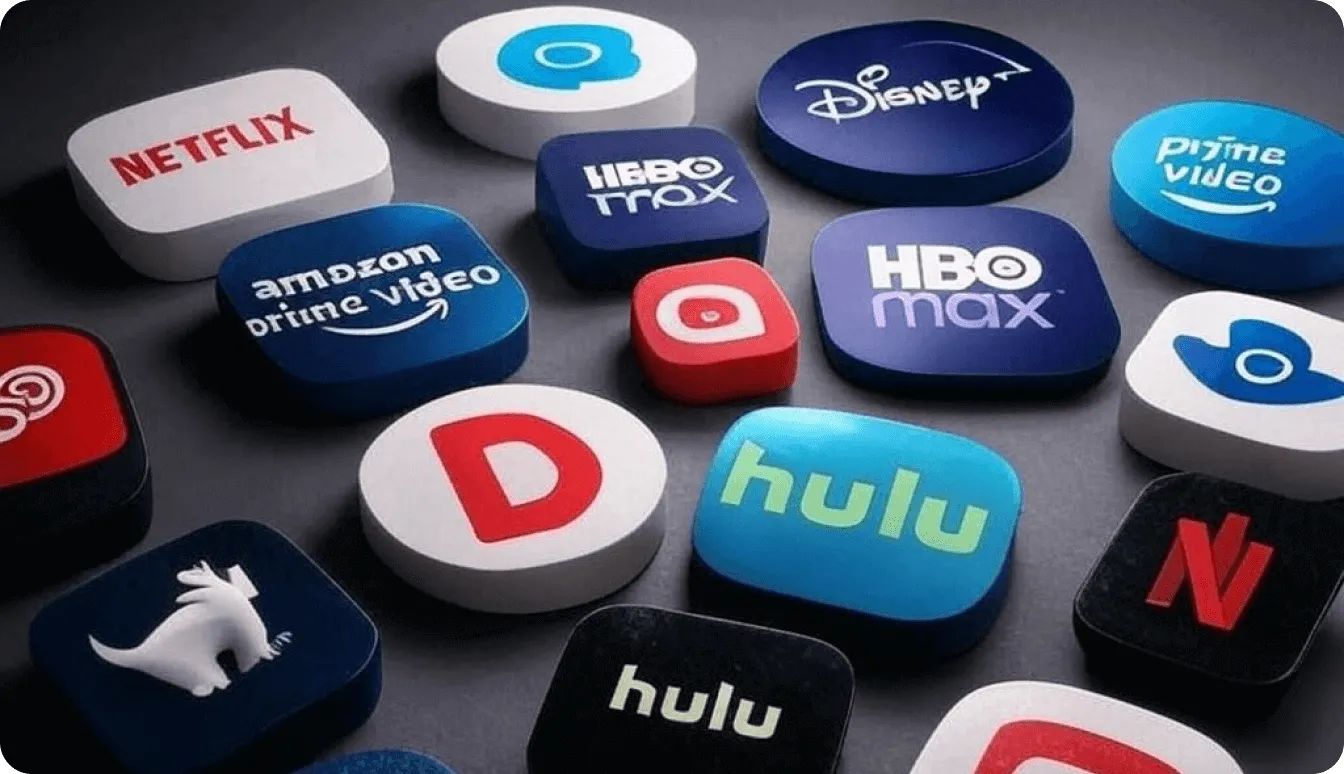

The landscape of television has undergone a dramatic transformation over the last decade, and a central question now looms: Are streaming platforms killing traditional TV? From the rise of platforms like Netflix, Hulu, and Disney+, to the increasing shift in viewer behavior towards on-demand content, it is clear that streaming services have changed the way we consume entertainment. But is traditional TV truly on its way out, or is there still room for both formats to coexist?
The Evolution of TV: From Analog to Digital, and Now Streaming
Traditional television, which once ruled the entertainment world, is now facing unprecedented competition from digital platforms. In the early days of television, shows aired at fixed times, and viewers had no choice but to tune in when scheduled. Cable and satellite TV allowed for more channels and on-demand content, but the format was still rigid compared to today’s standards.
Enter the age of streaming. The rise of platforms such as Netflix, Amazon Prime Video, and Disney+ signified a seismic shift. Viewers no longer had to wait for a show to air on a specific day or time slot. With the power of the internet, they could watch any show or movie they wanted, whenever they wanted. This on-demand culture disrupted traditional TV’s dominance.
Convenience vs. Control: The Appeal of Streaming Platforms
One of the most significant advantages of streaming platforms is their convenience. Traditional TV, whether via cable or satellite, often requires a set-top box and a subscription to a bundle of channels, many of which are rarely used. With streaming, users can choose the services they want and ditch the rest, effectively customizing their viewing experience.
Moreover, control is a major factor that sets streaming apart from traditional TV. The concept of “binge-watching,” a term popularized by Netflix, allows viewers to consume entire seasons of a show in one sitting. This level of autonomy appeals to today’s fast-paced, on-demand lifestyle. Users can pause, rewind, or fast-forward content, something traditional TV can’t offer with its rigid programming.
The freedom to skip ads is another appealing factor for many. Streaming platforms like Hulu offer ad-free viewing or options to pay for an ad-free experience. On the other hand, even cable TV’s premium channels are plagued with commercials, making the viewing experience less enjoyable.
Cost Efficiency: Cutting the Cord
For many consumers, the high cost of cable TV has become increasingly burdensome. “Cutting the cord”—the term used for canceling a cable TV subscription in favor of streaming—has gained significant traction in recent years. A typical cable TV package can cost anywhere from $50 to $150 per month, often with fees for additional channels and premium content. In contrast, streaming services like Netflix, Disney+, and Amazon Prime can be subscribed to individually for much lower prices, often starting at $6 to $15 per month.
In fact, a study by Deloitte found that nearly 60% of American households had already “cut the cord” by 2023, shifting entirely to streaming platforms. Even those who still keep cable subscriptions often opt for streaming services to complement their TV experience. For instance, many users subscribe to HBO Max or Netflix in addition to their cable service to access exclusive content.
The Decline of Traditional TV: Viewer Preferences Shift
The slow death of traditional TV has been further accelerated by changes in consumer behavior. Young people—especially those in the 18-34 age group—have significantly decreased their consumption of linear television. The Nielsen Total Audience Report found that in 2021, adults aged 18-34 spent just 2.5 hours per day watching traditional TV, compared to 4.5 hours for those aged 50 and older. Younger generations, often more tech-savvy, prefer streaming platforms that allow them to consume content on their own terms.
Additionally, mobile devices have made it easier than ever to watch TV on the go. Smartphones, tablets, and laptops allow users to stream their favorite shows wherever they are, whether they’re traveling, commuting, or waiting for an appointment. In contrast, traditional TV requires viewers to be seated in front of a television set, often tethered to a specific location.
The Role of Exclusive Content and Original Programming
One of the key drivers behind the streaming boom has been the production of exclusive content and original programming. Platforms like Netflix, Amazon Prime Video, and Disney+ have invested heavily in creating original shows and films that aren’t available on traditional TV channels. These exclusives are often the primary draw for subscribers, offering content that cannot be found anywhere else.
Take, for example, Netflix’s original series like Stranger Things, The Witcher, or Bridgerton. These shows have created dedicated fanbases, attracting millions of subscribers. Similarly, Disney+ has capitalized on its iconic franchises, including the Star Wars and Marvel Cinematic Universe series, which have become cultural phenomena. The ability to access this kind of exclusive content has made streaming services irresistible to many viewers.
Traditional TV networks, recognizing this shift, have attempted to replicate the success of streaming platforms by creating their own digital platforms. For instance, NBC launched Peacock, and CBS created Paramount+. While these platforms are part of the “streaming wars”, their impact has been somewhat muted compared to Netflix or Disney+, as they often rely on the same linear TV programming they traditionally aired.
Can Traditional TV Survive?
Despite the undeniable rise of streaming services, traditional TV isn’t dead yet. There are still segments of the population that rely on cable TV or satellite services, particularly older generations who are more accustomed to linear television. In fact, live TV, such as news broadcasts, sports, and live events, remains a significant draw for many. Major sports events like the Super Bowl, the Olympics, or high-profile political events still attract millions of viewers through traditional TV broadcasts.
Moreover, the rise of streaming bundles—such as YouTube TV, Sling TV, and Hulu + Live TV—attempt to merge the benefits of streaming with the traditional TV model. These services offer a mix of on-demand content and live TV, giving viewers a chance to experience both worlds. This hybrid model may represent a future where traditional TV and streaming platforms coexist, rather than one completely replacing the other.
Additionally, local channels and specialized cable networks continue to offer content that may not be easily accessible on streaming platforms. Whether it’s regional news, niche channels, or certain live programming, traditional TV still holds value for many.
The Future of Television: A Hybrid Ecosystem?
Rather than an outright battle between streaming platforms and traditional TV, the future seems to be shaping up as a hybrid ecosystem. Streaming services will continue to dominate in terms of content consumption and flexibility, while traditional TV will continue to cater to niche markets, live programming, and older demographics.
Moreover, the future may see streaming platforms and traditional TV networks collaborating rather than competing. For instance, networks could release some of their content on streaming platforms, expanding their reach. Streaming platforms may also invest in live events, something they’ve already begun doing with sports broadcasts and reality shows.
Ultimately, it’s not about whether streaming is killing traditional TV—it’s about how the two can adapt and coalesce in the ever-changing landscape of entertainment. As technology evolves, so too will the way we consume content. Whether via a traditional television set, a tablet, or a smartphone, the experience of watching TV is bound to remain an integral part of our daily lives.
Conclusion
In conclusion, while streaming platforms have undoubtedly disrupted the traditional TV model, they haven’t necessarily killed it. Streaming offers unparalleled convenience, flexibility, and a wide range of content, making it the preferred choice for younger viewers and those looking to cut costs. However, traditional TV still plays an essential role in certain markets, offering live events, sports, and regional content that streaming platforms can’t match.
The future of television may very well be a blend of the two: the flexibility of streaming with the reach and prestige of traditional television. As the industry continues to evolve, viewers are likely to see an even greater fusion of these formats, ensuring that TV—whether streamed or traditional—continues to captivate audiences worldwide.