





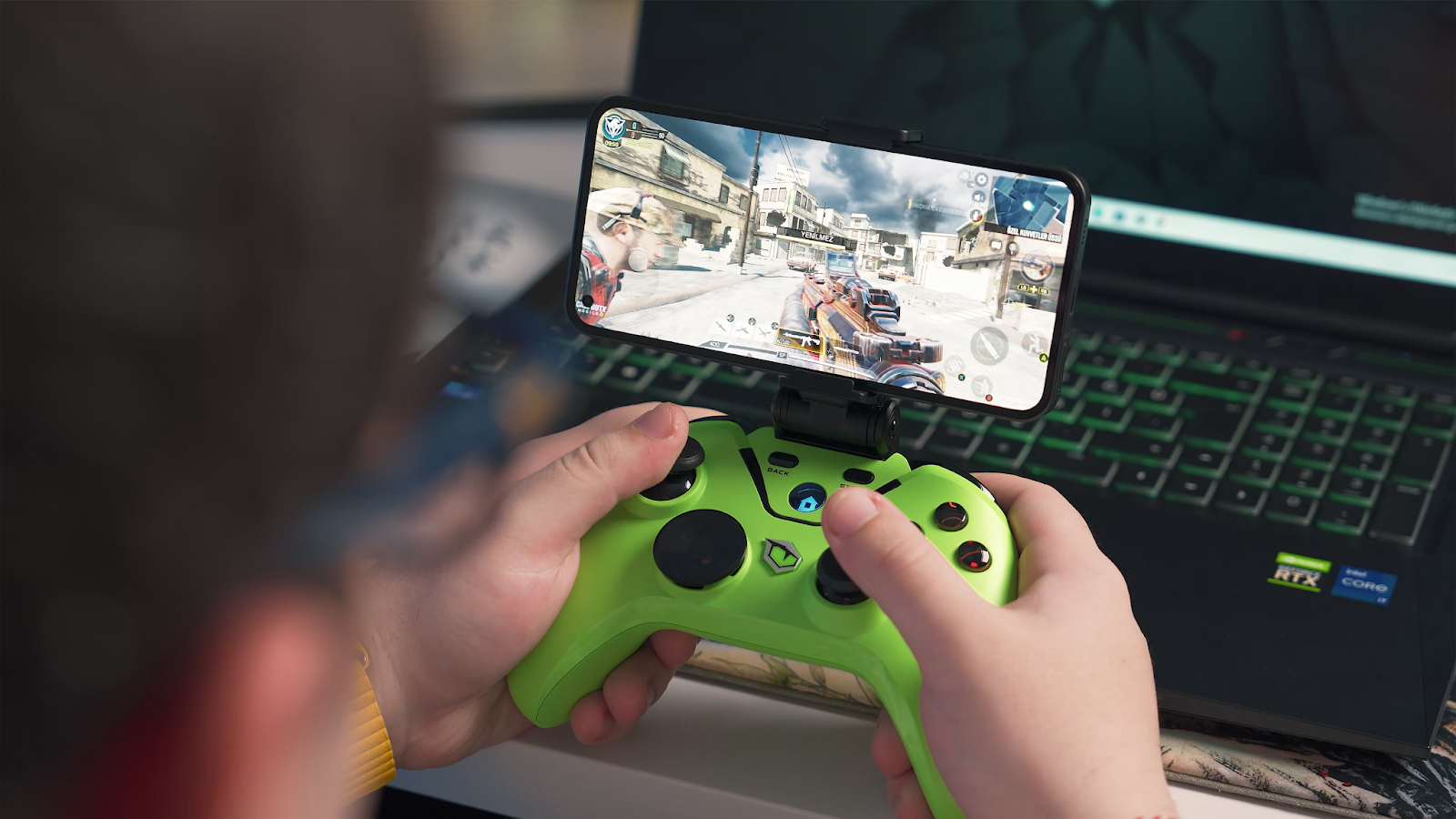

The debate over whether cross-platform games are superior to exclusive titles is one that has raged for years in the gaming community. Some players swear by the appeal of exclusive games—titles that are only available on one platform—while others champion the benefits of cross-platform games that allow players to join forces regardless of their console or device. With both sides having their advantages, the question remains: which is truly better?
The Rise of Cross-Platform Play
Cross-platform gaming, once a distant dream, has become a reality for players across the globe. Gone are the days when console wars were fought with the restriction that only players on the same system could compete or cooperate. Today, players on Xbox, PlayStation, PC, and even mobile devices can join forces or compete against each other in popular games like Fortnite, Minecraft, Rocket League, and Call of Duty.
The key selling point of cross-platform games is their ability to unite players from different ecosystems. For instance, a PlayStation player can team up with a friend on Xbox or PC without the need to buy a new console or gaming setup. This inclusivity broadens the player base, enhances matchmaking times, and fosters a more diverse, vibrant gaming community.
One major advantage of cross-platform games is the player base. When you’re playing on a single platform, the pool of people you can play with is limited to those who own that specific console or PC. However, in cross-platform games, the combined player base spans multiple devices, offering greater competition and more chances to find players at your skill level. For developers, this means longer player retention, as the game can stay popular for years thanks to its accessibility.
Another benefit is that players have the freedom to choose the platform that best suits their preferences or budget, without being restricted by exclusivity. This opens up gaming to a wider audience, as players can invest in the device they are most comfortable with or one that is more affordable.
The Allure of Exclusive Titles
On the other side of the argument, exclusive titles have their own undeniable appeal. Games like The Last of Us, God of War, and Bloodborne have become iconic because they are tied to specific platforms, usually PlayStation. These exclusives are often developed with a high level of polish, taking advantage of the platform’s unique capabilities and creating experiences that can’t be replicated on other consoles.

Exclusivity offers developers the chance to design games that fully utilize the hardware and software of a specific console. For instance, the PlayStation 5’s DualSense controller has unique haptic feedback and adaptive trigger capabilities that can elevate gameplay in ways that aren’t possible on other consoles. Similarly, Xbox Series X’s power and backward compatibility offer exclusive titles that deliver incredible graphics and performance.
Exclusives often offer something unique in terms of storytelling, art direction, and gameplay mechanics. Since developers are not constrained by the need to ensure compatibility across platforms, they can focus on pushing the boundaries of what the platform can do. This often results in standout, critically acclaimed games that can become system sellers—games that are so compelling that they motivate gamers to buy an entire console just to experience them.
Moreover, exclusive games help define a platform’s identity. PlayStation, for example, is known for its narrative-driven exclusives, while Xbox has cultivated a reputation for excellent first-person shooters and open-world games. For some players, these iconic exclusives are a significant part of why they choose one console over another. There’s a sense of loyalty and pride that can come with being a part of a specific ecosystem, especially if it means access to games that are unavailable anywhere else.
The Pros and Cons: A Comparative Look
Let’s break it down: what are the actual advantages and disadvantages of both cross-platform and exclusive titles?
Advantages of Cross-Platform Games
- Wider Player Base: Games that allow cross-platform play have the benefit of a larger and more diverse player base, reducing wait times for matches and offering more competitive variety.
- Better Accessibility: Players are no longer restricted to a single ecosystem. Whether you play on PlayStation, Xbox, or PC, you can still join your friends in-game, making the overall experience more inclusive.
- Long-Term Popularity: As long as a cross-platform game remains relevant and regularly updated, it can enjoy sustained popularity, as it is available across various platforms.
Disadvantages of Cross-Platform Games
- Compatibility Issues: While developers try to ensure cross-platform games run smoothly across all devices, there can still be issues. Players on different platforms may experience differences in graphics, performance, or game mechanics.
- Difficulty Balancing: Matching players from different platforms, especially when it comes to skill level, can be a challenge. Some platforms may have advantages due to faster hardware, better input devices (e.g., mouse and keyboard vs. controllers), or other factors.
- Inconsistent Player Experiences: Even with cross-play enabled, players may have different user experiences depending on their platform, which can create an uneven playing field.

Advantages of Exclusive Titles
- Polished Game Design: Exclusive games can take full advantage of the hardware and software of the console, leading to a more optimized and immersive experience.
- Innovative Gameplay: Developers often use exclusivity to experiment with new ideas and gameplay mechanics that might not be possible in cross-platform games.
- Unique Identity: For platform owners, exclusive games are an important way to differentiate their console from competitors and create a strong brand identity.
Disadvantages of Exclusive Titles
- Platform Lock-In: The biggest downside is that exclusive games can lock players into a single platform. If you want to play a specific game, you may have to invest in an entirely new console.
- Limited Player Base: Since only owners of the specific platform can access the game, multiplayer games, in particular, can suffer from smaller player bases, which could result in longer matchmaking times and fewer people to play with.
- Fragmented Community: Exclusive titles can fragment the gaming community, creating a situation where players are siloed off from one another based on their platform choice.
The Future: What’s Next for Cross-Platform vs. Exclusives?
As technology advances, the lines between cross-platform and exclusive titles will likely continue to blur. The gaming industry is moving toward a more unified approach, with cloud gaming on the rise and platforms becoming more open to working together. However, the allure of exclusivity is unlikely to disappear anytime soon, especially given the amount of money and effort that goes into developing these titles.
While cross-platform games are increasingly popular due to their accessibility and inclusivity, exclusive titles still hold significant weight in defining a platform’s identity. Going forward, players will likely have more choices than ever before: they can enjoy the collaborative freedom of cross-platform play, or they can dive deep into exclusive titles that offer a more tailored, immersive experience.
Ultimately, it comes down to personal preference. For some, the joy of playing with friends across different platforms is a top priority, while for others, the immersive, single-platform experiences offered by exclusives are what make gaming truly special.
Conclusion
In the end, there is no definitive answer to the question of whether cross-platform games are better than exclusives. Both have their place in the gaming world. Cross-platform games offer inclusivity, a larger player base, and the ability to play with friends across different systems, making them ideal for those who value accessibility and a global gaming community. Exclusive titles, on the other hand, offer deep, tailored experiences that can push the limits of what a single platform can do, creating unforgettable gaming moments for those who are dedicated to a particular ecosystem.
So, whether you’re a fan of massive multiplayer experiences or single-player masterpieces, the choice is yours. The future of gaming is bright, and there’s a world of possibilities waiting for everyone.