







In the world of food, skincare, medicine, and even cleaning products, ingredients are the building blocks that make these products effective and unique. While many of these ingredients are harmless when used properly, some can pose serious risks if mishandled or misused. From common kitchen spices to industrial chemicals, the necessity to use certain ingredients with caution arises from their potential to cause harm if consumed, applied, or used improperly. But why is it that some ingredients, which may seem benign or even beneficial, require extra care?
This article will delve into the reasons why certain ingredients demand our caution, exploring their properties, potential side effects, and best practices for use. Whether in food, beauty, or daily household products, understanding the importance of careful handling can help prevent unnecessary harm. Let’s dive in.
1. Toxicity in Certain Ingredients
The primary reason some ingredients require caution is their inherent toxicity. The word “toxic” might conjure up thoughts of hazardous chemicals, but it’s important to note that toxicity doesn’t always mean “deadly.” Toxicity refers to the ability of a substance to cause harm when introduced into the body, either through ingestion, skin contact, or inhalation.
Common Examples of Toxic Ingredients
- Botulinum Toxin: Found in improperly canned foods, botulinum toxin can cause botulism, a potentially deadly illness. Even though it’s used in small, controlled amounts in cosmetic procedures (like Botox), its potency means that large doses can paralyze muscles and affect breathing, leading to death.
- Ciguatoxin: Present in certain fish species, like barracuda, grouper, and snapper, ciguatoxins are a cause of ciguatera fish poisoning, leading to symptoms ranging from nausea and vomiting to neurological issues such as tingling sensations and muscle weakness.
- Cyanide: Present in the seeds of fruits such as apricots, peaches, and cherries, cyanide can cause poisoning. While a few seeds may not be harmful, consuming large amounts could lead to serious health issues or death.
Even ingredients that are not typically harmful in small amounts, like certain spices or herbs, can be toxic in larger quantities or when consumed incorrectly.
2. Allergic Reactions and Sensitivities
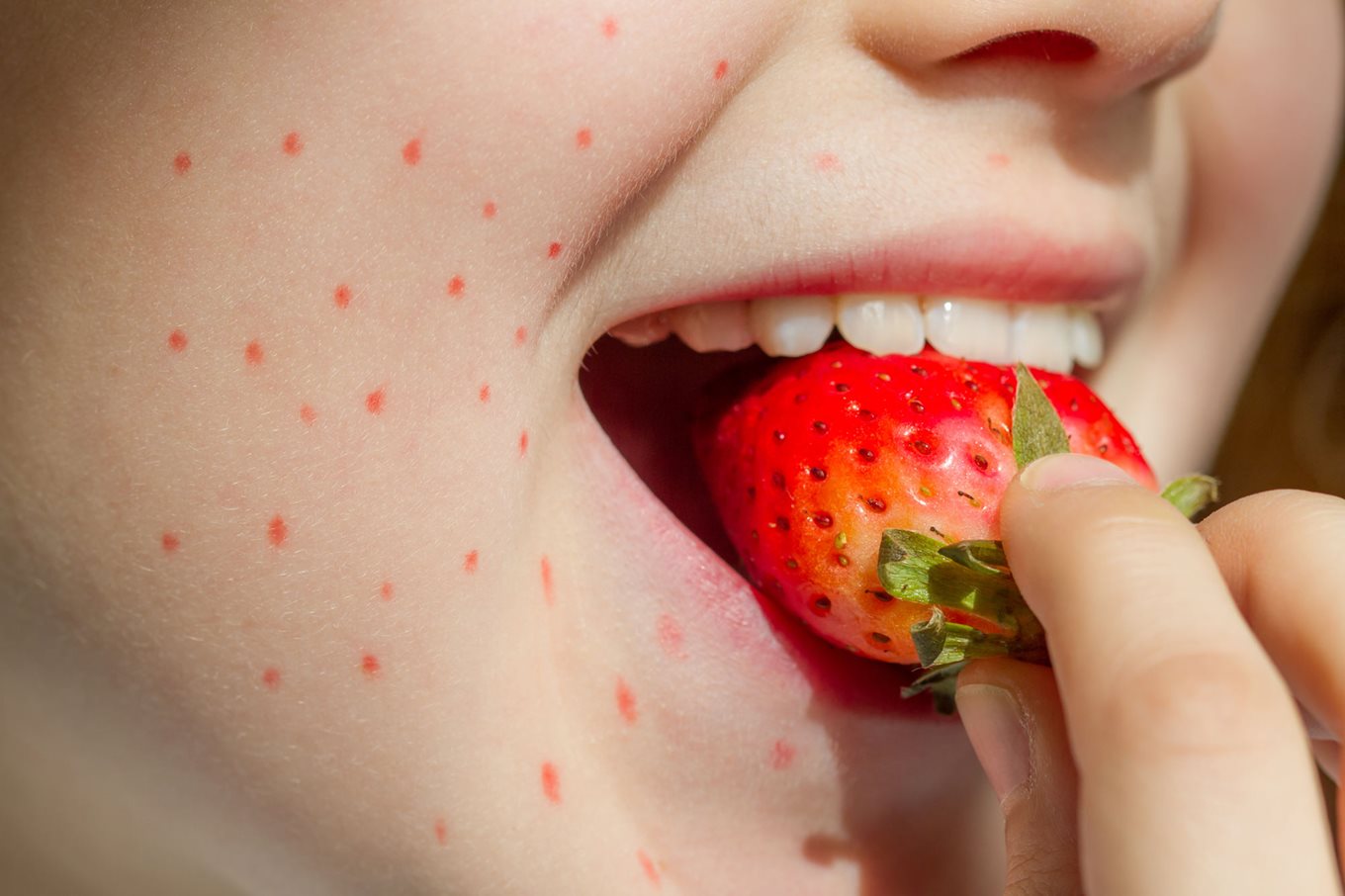
Another reason why some ingredients must be used with caution is the risk of allergic reactions. An allergy occurs when the immune system mistakenly identifies a typically harmless substance as a threat and launches an attack on it. Even a small exposure can trigger severe reactions, ranging from skin rashes to life-threatening anaphylaxis.
Common Allergens in Food and Skincare
- Peanuts and Tree Nuts: Common ingredients in various snacks and desserts, peanuts and tree nuts like cashews, walnuts, and almonds, are among the most common food allergens. For those who are allergic, consuming even the tiniest amount can cause symptoms from hives to difficulty breathing.
- Fragrances in Skincare: Many beauty and skincare products contain fragrances, which, though pleasant, are often a combination of numerous chemicals. These fragrances can trigger allergic reactions or irritation, particularly for those with sensitive skin.
- Gluten: Present in wheat, barley, and rye, gluten is a protein that can trigger serious reactions for those with celiac disease or non-celiac gluten sensitivity. Even trace amounts can lead to digestive issues and long-term health complications.
The key to using such ingredients is to read labels carefully and, if necessary, undergo testing to identify any sensitivities or allergies before use.
3. Potent Active Ingredients
Many products, especially in the beauty and pharmaceutical industries, rely on potent active ingredients to deliver results. These ingredients are often highly effective, but they can also cause harm if not used properly.
Active Ingredients in Skincare
- Retinoids: Found in many anti-aging creams and acne treatments, retinoids are a derivative of vitamin A and are highly effective at stimulating collagen production. However, they can make the skin more sensitive to sunlight, leading to sunburns or irritation if used improperly.
- Hydroquinone: Used as a skin-lightening agent, hydroquinone can cause skin irritation or increase the risk of hyperpigmentation if overused.
- Benzoyl Peroxide: Common in acne treatments, benzoyl peroxide can be drying and irritating to the skin. Overuse can lead to redness, peeling, and even chemical burns.
These ingredients are powerful and offer great results, but they also require careful usage. Following dosage instructions, starting with lower concentrations, and paying attention to the skin’s response are essential steps for avoiding adverse effects.
4. Interactions with Other Substances
In both the medical and culinary worlds, ingredients can interact with other substances, sometimes creating hazardous effects. These interactions can diminish the efficacy of one or both substances or even cause dangerous side effects.
Drug Interactions
- Grapefruit and Medications: Grapefruit can interfere with the metabolism of several medications, including statins (cholesterol-lowering drugs), antidepressants, and blood pressure medications. It can either increase the potency of these drugs to dangerous levels or reduce their effectiveness.
- Antacids and Antibiotics: Certain antibiotics, such as tetracyclines, can interact with antacids containing aluminum, calcium, or magnesium, reducing the effectiveness of the antibiotic.
Food and Drink Interactions
- Alcohol and Caffeine: Mixing alcohol with caffeine can be risky because caffeine masks the sedative effects of alcohol, leading people to drink more than they realize. This can increase the risk of alcohol poisoning and other health issues.
- Certain Spices and Dairy: Some spices, such as chili or curry powder, can irritate the digestive tract, especially when consumed with dairy products. The fats in dairy may not neutralize the spice as one might think, exacerbating digestive discomfort.
Being aware of how certain ingredients interact with each other can prevent unintended health consequences.
5. Overuse and Misuse
Overuse or misuse of ingredients is a common cause of problems. Sometimes, even safe ingredients become dangerous when used incorrectly or in excess.

Salt in Cooking
While salt is essential in cooking, it can easily become harmful when overused. Excessive salt intake is a leading cause of high blood pressure, heart disease, and kidney problems. The average person consumes far more salt than necessary, primarily from processed foods. Understanding how to balance salt intake is crucial for maintaining good health.
Herbal Supplements
Herbal supplements, often touted as natural and safe alternatives to traditional medicines, can cause serious health issues if overused. For example, taking too much echinacea can impair liver function, while excessive use of valerian root can lead to drowsiness or heart issues.
Even ingredients perceived as safe should be used with caution and in moderation.
6. Environmental Factors and Contaminants
Some ingredients may seem harmless at first glance but can become dangerous when exposed to environmental factors or contaminants. These elements might affect the quality or safety of the ingredient, making it unsafe for use.
Heavy Metals in Food
Certain ingredients, like rice and seafood, can accumulate harmful substances like arsenic, mercury, and lead. These contaminants can have long-term health effects, such as neurological damage or developmental delays in children. In seafood, mercury is particularly concerning, as it can accumulate in fish like tuna, swordfish, and sharks.
Pesticides and Herbicides
Pesticides are used to protect crops, but residues from these chemicals can remain on food even after washing. Continuous exposure to pesticides has been linked to a range of health problems, including hormone disruption and cancer. It’s crucial to choose organic produce when possible or wash fruits and vegetables thoroughly before consumption.
7. Cultural and Traditional Practices
In some cultures, ingredients that are considered safe and beneficial may pose risks when used incorrectly. Traditional practices often involve ingredients with strong properties, such as certain medicinal herbs or fermented foods, which can be hazardous when consumed in large quantities or improperly prepared.
For example, the preparation of fugu (a Japanese delicacy made from pufferfish) requires expert knowledge and careful handling, as the fish contains tetrodotoxin, a deadly toxin. Even the smallest error in preparation can lead to poisoning.
Conclusion: The Importance of Caution
Ingredients, whether they’re used in food, beauty products, or medicines, can be beneficial when handled properly, but their risks should never be overlooked. Whether it’s toxicity, allergies, drug interactions, or misuse, the potential dangers of misusing ingredients are real. By understanding how and why certain ingredients need to be used with caution, we can take proactive steps to minimize risk.
This means following instructions, researching the properties of ingredients, and knowing when and how much to use. With the right knowledge and a bit of care, we can safely enjoy the benefits of many potent ingredients without the associated risks.